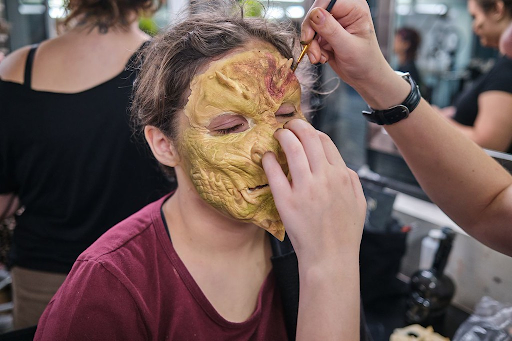
If you have ever spent hours sculpting, applying and completing a special effects makeup look, you may have experienced it melting, peeling, or lifting as the day goes on. This is common for artists at all levels, as factors like sweat, heat, movement and long wear affect how well SFX makeup holds up. The good news is that achieving long-lasting results depends on proper technique.
With the right preparation, suitable products and an effective application sequence, SFX makeup can stay intact through long shoots, bright lighting, active performers and challenging conditions. This guide outlines the essential steps for increasing the durability and wear time of special effects makeup.
Why SFX Makeup Fades or Breaks Down?
- Natural oils from the skin break down adhesives and cream products.
- Sweat, especially around the upper lip, forehead and neck, causes edges to loosen.
- Humidity and heat cause texture changes, separating pigments or softening prosthetics.
- Movement and friction from clothing, performance, or facial expressions tug the makeup.
- Incorrect product layering (e.g., using oil under silicone) can sabotage your entire application.
Longevity begins with eliminating or minimizing these triggers.
Tips for Long-Lasting Special Effects Makeup on Skin
Creating long-lasting special effects makeup requires careful preparation, the right products and a methodical application process. Factors like heat, sweat, skin type and material choice all influence how well the makeup holds up during long shoots or performances. The following tips outline practical steps you can follow to improve durability, reduce lifting and keep SFX makeup intact for extended periods.
1. Start With Clean, Oil-Free Skin
A long-lasting SFX application always begins with proper skin preparation. Removing oils, sweat and skincare residue helps adhesives and makeup bond more securely. Using a gentle cleanser or micellar water ensures the skin is clean without irritation. Avoid heavy moisturizers before starting, as they can interfere with adhesion.
If hydration is necessary, choose a lightweight, oil-free formula and allow it to fully absorb before applying any products.
2. Use the Right Adhesive for Your Materials
Selecting an appropriate adhesive is one of the most important decisions for achieving long-lasting SFX makeup. Different prosthetic materials, such as silicone, latex and foam latex, respond best to specific adhesive formulas. Products like Pros-Aide, Telesis and other silicone-based adhesives are commonly used in professional environments because they maintain their strength even in high heat or during heavy perspiration.
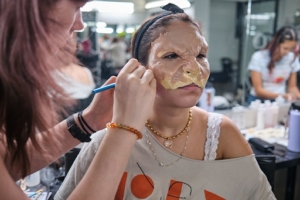
Matching the adhesive to both the material and the working conditions helps ensure the prosthetic stays secure throughout wear.
3. Apply Adhesive in Thin, Even Layers
Thick layers of adhesive often cause slipping, slower drying, or weak bonding. Applying thin, even coats on both the skin and the prosthetic allows the glue to reach its ideal tacky stage, which is essential for a secure hold.
Tip: Waiting until the adhesive becomes clear and tacky before attaching the piece ensures better longevity, fewer edge issues and stronger adhesion throughout wear.
4. Seal and Blend Edges Carefully
Edges are usually the first areas to lift, which makes proper sealing an important step. After attaching the prosthetic, reinforcing the edges with a small amount of adhesive or blending agent helps reduce the risk of peeling. Smoothing the edges gradually and powdering lightly after they dry ensures they stay flat and integrated with the skin, improving overall durability and realism.
5. Choose Long-Wearing Paints and Pigments
The paints and color products you use make a significant difference in longevity. Alcohol-activated paints resist sweat, water and friction far better than cream or grease-based formulas, making them ideal for long shoots and demanding scenes.

Enroll now or book a tour to start your journey on becoming a special effects makeup expert with Cinema Makeup School in Los Angeles, CA!
Silicone pigments also provide excellent durability when working with silicone appliances. Selecting the right type of paint ensures the artwork remains vibrant and intact for hours.
6. Set Each Layer Properly While Working
Ensuring that each stage of the makeup is set before proceeding to the next is crucial for achieving long-lasting results. Lightly powdering cream products or applying a setting spray between layers creates a stable base, preventing the colors or textures from shifting.
This step-by-step makeup setting approach minimizes smudging, creasing and product breakdown, especially once the performer begins moving or working under warm conditions.
7. Keep the Performer Cool Whenever Possible
Encouraging performers to stay cool before and during makeup can make a noticeable difference in how well the makeup holds. Using handheld fans, cool packs, or providing breaks away from hot lights helps control perspiration. Reducing heat on set minimizes adhesive breakdown and helps the makeup remain stable for longer periods.
8. Avoid Touching or Overworking the Makeup
Minimizing contact with the makeup after application is important for maintaining durability. Touching or repeatedly adjusting the prosthetic can loosen adhesives, transfer natural oils onto the skin and disrupt the painted surface.
Once the makeup is in place and properly set, leaving it undisturbed allows the adhesive to fully bond and helps the paint remain stable. This is especially important in areas with frequent movement, where unnecessary handling can quickly lead to lifting or separation.
9. Finish With a Strong Setting Spray or Sealer
A final sealing layer helps lock everything in place. Using a professional-grade setting spray or waterproof sealer adds an extra level of protection by reducing shine, improving durability and helping the makeup resist moisture and friction.
Note: Achieving long-lasting SFX makeup also depends on learning the right techniques, many of which come from working professionals who understand the demands of film and television production. At Cinema Makeup School, our experienced instructors teach special effects makeup with a focus on accuracy, safety and industry-standard methods.
Our training helps students build strong foundational skills and gain practical knowledge that supports long-lasting, high-quality SFX applications for real-world projects.
Click here to see how our instructors demonstrate each application with precision and how our students learn to follow these techniques effectively.
Related Articles –
SFX Makeup Kit Checklist for Beginners
Character Makeup Skills You Need to Start a Career in SFX
What Kind of Clay Is Best for SFX Sculpting?
How to Handle On-Set Touch-Ups?
Even with a well-prepared application, SFX makeup may require quick adjustments during filming, especially under hot lights, long hours, or heavy movement. Being prepared with the right tools and knowing how to address common issues helps maintain a clean, consistent look throughout the shoot. Here are key points to guide on-set touch-ups:
- Keep Essential Adhesives Ready: Carry a small bottle of Pros-Aide, Telesis, or silicone adhesive so you can immediately secure any lifting edges. Applying a tiny amount with precision prevents the problem from spreading and keeps the appliance stable.
- Use Cotton Swabs for Detailed Fixes: Cotton swabs help remove excess product, tidy adhesive spots, or clean sweat in tight areas. Their small size makes them ideal for delicate or high-movement regions such as the nose, eyes and mouth.
- Control Shine With Translucent Powder: It helps manage oil buildup and prevents unwanted shine on camera. Applying it lightly ensures the makeup stays matte without creating texture or buildup.
- Carry a Small Alcohol Palette for Quick Color Repairs: Minor scratches or smudges can be corrected with small alcohol-activated paints. These dry quickly, resist smudging and blend well with existing makeup, making them ideal for fast on-set fixes.
- Trim Any Lifted Edges With Mini Scissors: If a small edge begins to curl or wrinkle, carefully trimming the lifted portion can prevent further peeling. This technique works best when followed by a small amount of adhesive to reseal the area.
- Use Blot Papers for Sweat Management: Mattifying blot papers help remove sweat without disturbing the makeup. Pressing gently, rather than wiping, prevents movement of paint layers and adhesives.
- Speed Up Repairs With a Portable Mini Fan: A mini fan helps dry adhesives, paints, or sweat quickly so you can move ahead with the repair. This keeps downtime minimal and maintains consistency during shooting.
- Act Quickly to Maintain Continuity: The sooner you address an issue, the easier it is to fix. Quick reactions prevent larger problems like peeling appliances or smudged paint, ensuring the final look stays intact on camera.
Enroll now or book a tour to start your journey on becoming a special effects makeup expert with Cinema Makeup School in Los Angeles, CA!