Scar wax is one of those staple products every SFX makeup artist relies on – whether you’re crafting subtle scratches or building dramatic wounds for film, cosplay, or haunted attractions. It’s versatile, moldable and easy to manipulate when you know what you’re working with. But what many beginners don’t realize is that not all scar wax is the same.
Different types of scar wax perform differently depending on the look you’re trying to create, the conditions you’re working in and the level of durability you need. In this blog, we’re breaking down the most common scar wax types, their uses in special effects makeup and how to apply each one correctly for realistic, film-ready results.
In this blog, you’ll learn about the different types of scar wax, how each one performs which formulas work best for specific SFX makeup effects.
What Exactly Is Scar Wax in SFX Makeup?
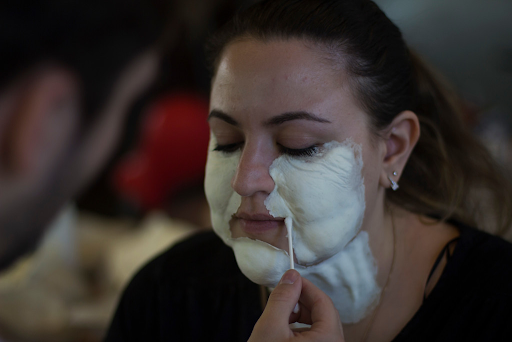
Scar wax is a soft, pliable modeling compound used to build 3D effects directly on the skin. Artists rely on it to create scars, cuts, lumps, deformities, raised wounds even to subtly reshape facial features. Its biggest advantage is its flexibility – you can sculpt it into almost anything. But because SFX makeup must perform in real time and move naturally with the actor’s skin, the type and quality of the wax you choose can dramatically affect the final result.
Some waxes blend seamlessly, others hold their shape better under heat or heavy movement, some are formulated for ultra-detailed sculpting work. Once you understand these differences, your entire application process becomes smoother, faster and far more effective.
Why Choosing the Right Type of Scar Wax Matters?
If you’ve ever applied wax that melted, cracked, lifted, or refused to blend, the issue likely wasn’t your technique; it was the type of wax.
Here’s what different wax formulas affect:
- Blendability: how easily edges smooth into the skin
- Firmness: how much structure the wax can hold
- Heat resistance: crucial for long shoots or hot locations
- Durability: important for wear under prosthetics, costumes, or sweat
- Texture: some waxes are smoother, others more putty-like
Types of Scar Wax Used in SFX Makeup
Scar wax comes in several types – traditional, hard, silicone-based, gel-based synthetic putty – each designed for specific effects. Some are soft and easy to blend, while others hold shape for detailed or high-movement areas. Choosing the right type ensures realistic, durable professional-looking SFX results.
1. Traditional Scar Wax (Standard Modeling Wax)
This is the most widely used type of scar wax in special effects makeup, making it ideal for both beginners and professionals. It features a soft, pliable texture that excels at sculpting raised scars, crafting cuts and wounds, creating quick character looks is especially useful for practice makeup or classroom training.
Typically made from petroleum jelly, microcrystalline wax oils, this combination provides a smooth, moldable consistency that warms easily in the hands. To apply it effectively, it’s normal for the wax to feel a little tacky; simply wet your fingers with lotion, alcohol, or petroleum jelly while shaping to achieve smooth, skin-like results.
If you’re new to SFX makeup, traditional scar wax offers the easiest starting point for learning application techniques and mastering realistic special effects.
Enroll now or book a tour to start your journey on becoming a special effects makeup expert with Cinema Makeup School in Los Angeles, CA!
2. Hard Scar Wax (Firm Modeling Wax)
It is similar to the traditional formula but with greater stiffness. It holds shape much better and doesn’t collapse under pressure. Artists who create precisely sculpted shapes often prefer this version.
Best for:
- Long, deep gash wounds
- Nose or chin reshaping
- Pronounced bone-like structures
- High-heat environments
Hard wax doesn’t blend as easily as softer options, but the stability makes it ideal for detailed work. It also stays intact longer on areas with more movement, like around the mouth or forehead.
Check out: How to Create Realistic Wounds and Scars with Prosthetics?
3. Silicone-Based Scar Wax (Silicone Putty)
This wax is quickly gaining popularity in SFX makeup for its impressive performance and versatility. Silicone formulas remain flexible as the skin moves, delivering natural, skin-like textures that look particularly realistic on camera. This flexibility and resilience make silicone scar wax an ideal choice for film and television, as well as for creating high-detail wounds and effects that need to withstand sweaty or humid environments.
It blends seamlessly into the skin and typically requires less sealing, thanks to the silicone’s ability to mimic real skin’s elasticity. Once fully set, silicone scar wax locks into place and holds its shape firmly, making it highly reliable for professional special effects work.
4. Gel-Based Scar Wax (Soft Gelatin Wax)
Gelatin-based scar materials have been used for decades because they melt down easily, reset quickly and create extremely soft, organic shapes. They also take texture very well.
Best for:
- Burns and melted skin effects
- Torn flesh looks
- Swollen skin
- Zombie makeup
- Organic, uneven textures
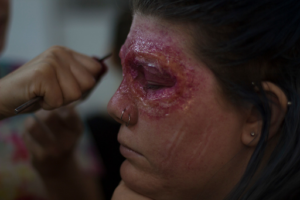
Gel scar wax is a favourite among SFX makeup artists for its unique properties and realistic effects. When first applied, gel wax is warm and easily workable, allowing artists to sculpt it into fleshy, irregular shapes that mimic real skin. This material is especially useful for gory makeup looks because gelatin-based wax can achieve a level of depth, shine realism.
Enroll now or book a tour to start your journey on becoming a special effects makeup expert with Cinema Makeup School in Los Angeles, CA!
5. Synthetic Putty Wax (Hybrid Wax/Putty Compounds)
It combines the easy sculpting qualities of traditional wax with the strength and durability of putty. This unique blend results in an exceptionally versatile product, making it perfect for quick on-set touch-ups, creating stable wounds that stay in place under costumes, or achieving effects that demand both firmness and seamless blending.
Its moldable yet non-sticky texture is favoured by many professionals, as it can withstand long workdays without losing its shape or reliability. For artists who want a dependable, all-purpose product that performs predictably across different special effects scenarios, synthetic putty wax is often the top choice.
Want Better Control Over Your Scar Wax Creations?
Getting comfortable with scar wax is all about understanding how it behaves under your hands and on the skin. Small adjustments make a huge difference. The pressure you use while sculpting, the warmth of your fingers, the amount of lubricant during blending, even how you paint the finished wound all affect the final result.
Take a tour of Cinema Makeup School and explore how our instructors teach scar wax handling, wound-building techniques and advanced SFX skills used in film, television live events. Our courses provide hands-on experience with different types of wax, sculpting tools, blending methods, painting techniques to create realistic wounds, scars and character effects.
Students receive training from professional instructors who actively work on real film and TV projects, giving practical insight into industry-standard workflows and professional applications of special effects makeup.
Related Articles –
How to Make SFX Makeup Last Longer on Skin?
Must-Have Special Effects Makeup Tools Every Artist Should Own
How to Work with Latex, Silicone and Prosthetics Safely?
Which Type of Scar Wax Should You Use?
1) For beginners: Traditional scar wax is a good choice. It is easy to work with, can be shaped without much difficulty and is suitable for practicing scar wax application on various skin types.
2) For precise sculpting: Hard wax or synthetic putty gives you stability and sharp detail.
3) For hot or sweaty locations: Silicone scar wax remains stable and does not lose its shape, making it a reliable option when working in high temperatures.
4) For gory, melted, or organic textures: Gel-based wax brings your scar wax makeup ideas to life with realistic, fleshy depth.
5: For long film shoots: Silicone or firm putty waxes last longest without touch-ups.
Enroll now or book a tour to start your journey on becoming a special effects makeup expert with Cinema Makeup School in Los Angeles, CA!