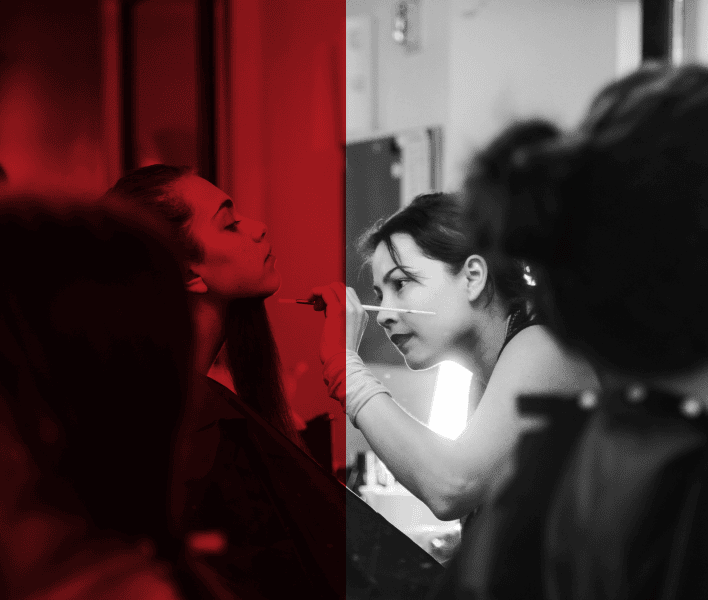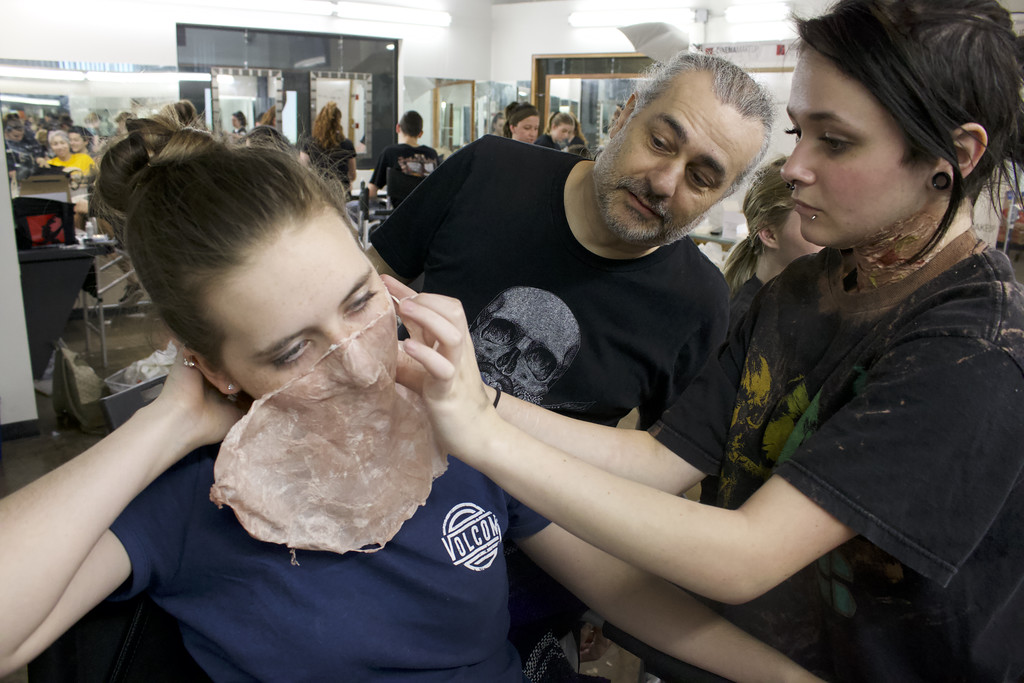
Special effects makeup is all about transforming faces and bodies into characters that look real, bizarre, or fantastical. From realistic wounds and burns to aging effects and fantastical creatures, SFX makeup demands both creativity and a deep knowledge of the skin.
When artists work on different projects, they often face the challenge of dealing with various skin types and tones. Experienced artists know how to handle it, but this is a common concern for many practitioners.
If you’ve ever found it tricky too, this blog is for you. We’ll explore how different skin types and tones affect SFX makeup results and share tips to achieve professional, realistic looks every time.
Why Understanding Skin Matters in SFX Makeup?
In special effects makeup, skin is more than just a surface to paint or apply prosthetics on – it’s a living, dynamic canvas. Every person’s skin has unique qualities such as oiliness, dryness, sensitivity, texture and elasticity.
If an artist ignores these differences, even the most skillfully created prosthetic or painted effect can look unrealistic, lift, smudge, or irritate the skin.
Understanding skin types and tones allows SFX artists to:
- Choose the right products: From adhesives to paints, selecting materials suitable for the client’s skin ensures long-lasting results.
- Adjust techniques: Blending, layering and applying prosthetics can be modified based on how the skin reacts.
- Protect the skin: Minimizing irritation and preventing reactions is essential, especially when working on sensitive or delicate skin.
- Achieve realism: Matching prosthetics and colors to the skin’s natural tone and texture creates a seamless, believable effect.
How Different Skin Types Influence SFX Makeup?
Human skin is generally categorized into four main types: oily, dry, combination and sensitive. Each type presents unique challenges and opportunities in SFX makeup.
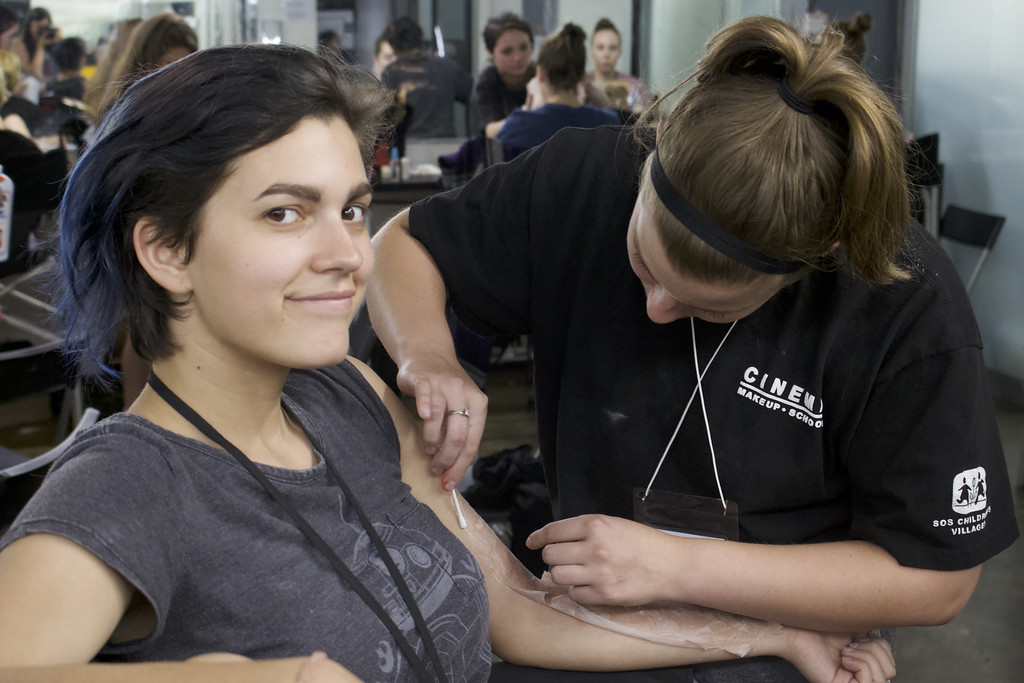
Enroll now or book a tour to start your journey on becoming a special effects makeup expert with Cinema Makeup School in Los Angeles, CA!
a) Oily Skin
Oily skin produces excess sebum, making it shiny and prone to sweating. While this can give a natural glow, it can affect prosthetic adhesion and makeup longevity.
Impact on SFX Makeup:
- Prosthetics may slide or lift more easily.
- Cream-based paints and adhesives can break down faster.
- Blending latex or silicone edges may require extra powdering to reduce shine.
To resolve this:
- Use a mattifying primer or barrier spray before applying prosthetics.
- Choose adhesives like Pros-Aide that are designed for oily skin.
- Blot excess oil gently without disturbing makeup layers.
b) Dry Skin
Dry skin lacks natural oils and can appear flaky or rough. It can make blending difficult and highlight unwanted texture.
Impact on SFX Makeup:
- Prosthetics might not stick evenly.
- Makeup may look patchy.
- Powder-heavy products can highlight flakes.
Tips:
- Hydrate the skin well before starting.
- Use silicone-based adhesives that remain flexible.
- Consider light cream or liquid makeup to avoid a cakey finish.
c) Combination Skin
Combination skin shows both oily and dry areas, often with an oily T-zone and dry cheeks.
Impact on SFX Makeup:
- Requires balancing products for different areas.
- Blending can be tricky, especially with textured prosthetics.
Helpful Note:
Treat oily and dry areas separately. Mattifiers work best where excess oil appears, while lightweight moisturizers help dry zones. It’s also a good idea to test adhesives on different areas before committing to a full application.
d) Sensitive Skin
Sensitive skin is prone to redness, irritation and allergic reactions. This requires extra care in product selection.
Impact on SFX Makeup:
- Certain adhesives, latex, or paints can cause rashes.
- Delicate skin may tear when removing prosthetics.
To resolve this:
- Patch test all products before full application.
- Use hypoallergenic adhesives and alcohol-free removers.
- Minimize friction when blending or removing materials.
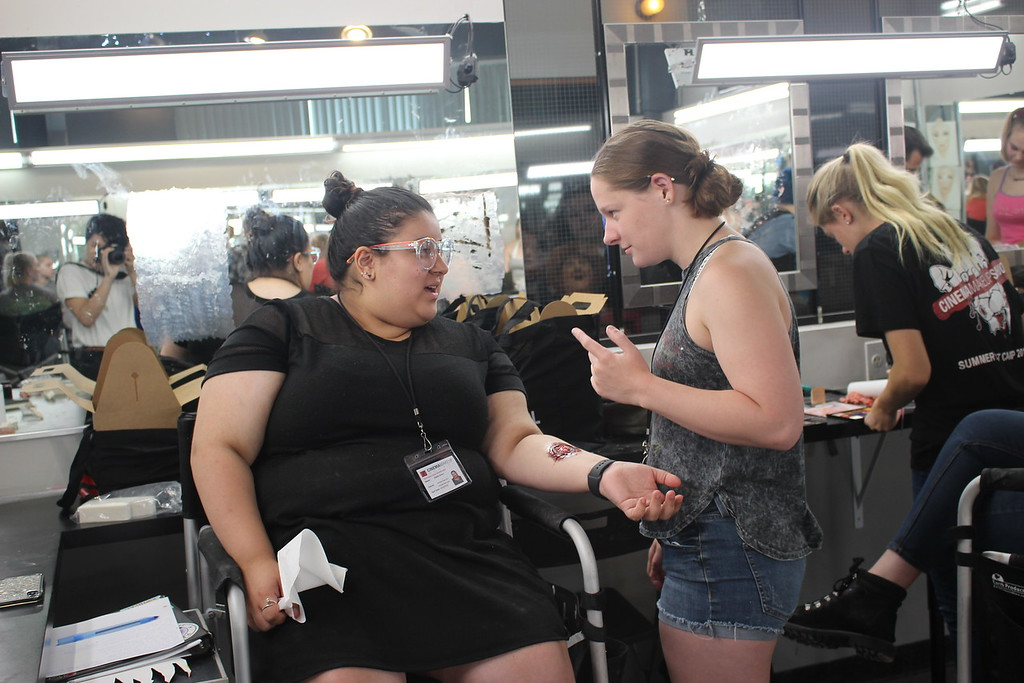
Enroll now or book a tour to start your journey on becoming a special effects makeup expert with Cinema Makeup School in Los Angeles, CA!
How Skin Tones Affect SFX Makeup?
Base Color Compatibility: Different skin tones require customized pigment mixing so prosthetics, scars and applied effects integrate seamlessly with the skin. What appears natural on one skin tone may look too pale, dark, or ashy on another.
Undertone Influence on SFX Effects: Warm, cool and neutral undertones directly affect how SFX effects like bruises, burns, veins and infections appear. Ignoring undertones can make effects look flat or unnatural, while proper undertone adjustment enhances depth and realism.
Texture Visibility Across Skin Tones: Textures in special effects show differently across skin tones. Lighter skin may reveal subtle details more easily, while deeper skin tones often need strategic highlighting and shading to make textures visible without exaggeration.
Light Interaction With Skin Tone: Skin tones reflect and absorb light differently. This influences how special effects makeup appears on camera or stage, requiring adjustments in color depth, contrast and highlights to maintain realism under various lighting conditions.
Seamless Prosthetic Integration: Edges of prosthetics must be blended according to skin tone. When the base color does not match the natural complexion, blending flaws become more noticeable and the illusion of real skin is lost.
Get a Better Understanding of Skin Through Professional Training
Understanding of different skin types comes with proper training in special effects makeup and hands-on experience. Working directly on real skin under professional guidance helps artists truly understand product behavior, blending methods and problem-solving on set.
At Cinema Makeup School, we make sure every student feels confident working on all kinds of skin. Our instructors focus on even the smallest details, helping you perfect every look you create. You’ll get practical experience that prepares you for real-world projects in film, television and live productions, so you can step onto any set with confidence.
Don’t just take our word for it – hear directly from our students about their experiences and how our training helped them grow as artists.
Related Articles –
How Mannequins Help Beginners Create SFX Makeup Characters?
How to Make SFX Makeup Last Longer on Skin?
How to Work with Latex, Silicone and Prosthetics Safely?
Special Considerations for Certain Skin Types and Tones
a) Age and Skin Elasticity
Older skin tends to be thinner and less elastic, which affects prosthetic adhesion and makeup blending. Extra care is needed to avoid tearing or unnatural creases.
b) Ethnicity and Unique Features
Different ethnicities may have unique skin textures, undertones and pigmentation patterns. A skilled SFX makeup artist observes these characteristics to ensure authenticity and inclusivity.
Enroll now or book a tour and take the first step toward your dream career as a special effects makeup artist.