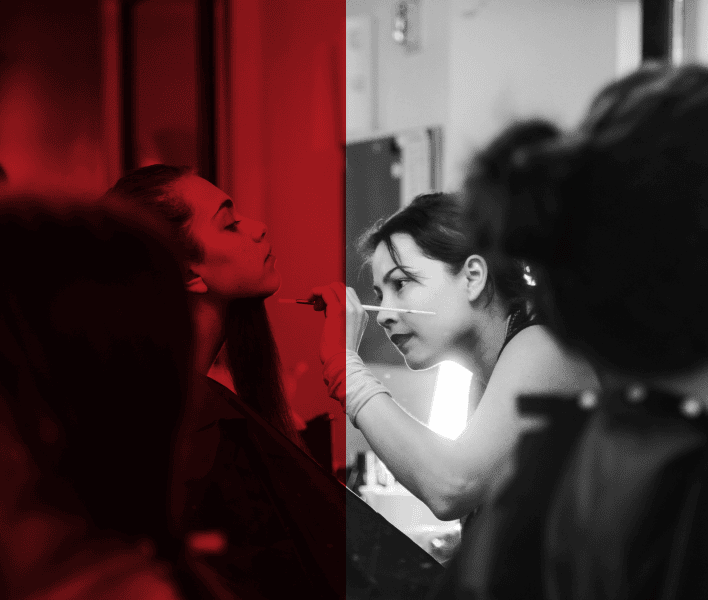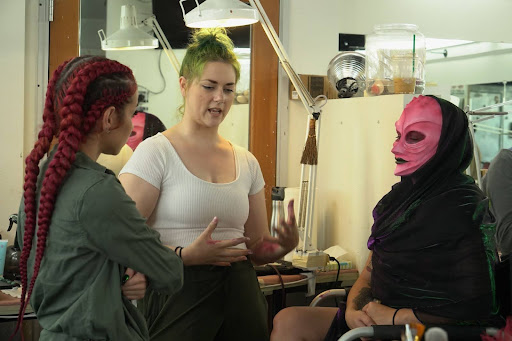
Special Effects makeup is all about precision. Whether you are creating bruises, wounds, aging effects, fantasy creatures, or blending prosthetics, smooth shading and controlled color placement are extremely important. Even the smallest detail can change how realistic a character appears on screen. That is why many SFX artists rely on airbrush tools to achieve a natural, seamless finish.
But which tool is best – single-action or double-action?
Let’s break down both tools, understand their uses and explore how they differ so you can choose the one that best fits your SFX techniques and skill level.

What Is a Single-Action Airbrush?
A single-action airbrush is a basic and easy-to-use tool where pressing the trigger releases both air and a fixed amount of paint at the same time. The paint flow is adjusted beforehand using a small knob and it remains consistent while you spray. This makes the application smooth and steady.
If you want to change the amount of paint, you need to pause and adjust the setting manually. Because of its simple working system, a single-action airbrush is ideal for beginners and works well for base coverage and large areas.
Advantages of Single-Action Airbrush
- Better Control: You can adjust air and paint flow at the same time for more accurate results.
- High Precision: Ideal for detailed SFX work like bruises, wounds and aging effects.
- Smooth Blending: Helps create soft gradients and natural-looking finishes.

What Is a Double-Action Airbrush?
A double-action airbrush is an advanced tool used in airbrush makeup that gives artists control over both air and paint with a single trigger. Press the trigger for air and pull it back for makeup. A slight pull releases a small amount, while a deeper pull releases more product. This instant control makes it perfect for creating soft blends, fine lines and smooth shading without constantly adjusting settings.
Advantages of Double-Action Airbrush
- Real-Time Adjustment: You can control paint flow instantly without stopping your work.
- Greater Detail Control: Perfect for fine lines, skin textures and realistic SFX effects.
- Layering Control: Allows gradual color build-up for more natural results.
Difference Between Single and Double Action Airbrushes
Here’s a closer look at single vs. double-action airbrushes to help you pick the best fit for your SFX projects.
| Feature | Single-Action Airbrush | Double-Action Airbrush |
|---|---|---|
| Working Mechanism | Pressing the trigger releases both air and paint at the same time. | Pressing down releases air and pulling back controls the paint flow. |
| Control Over Paint | Paint amount is set before spraying and remains consistent. | Paint flow can be adjusted instantly while working. |
| Ease of Use | Very simple and beginner-friendly. | Requires practice and better hand coordination. |
| Level of Precision | Suitable for basic and even coverage. | Offers high precision for detailed work. |
| Best Used For | Base coats, sealing prosthetics and covering large areas quickly. | Fine detailing, shading, creature effects and realistic bruising or wounds. |
| Creative Flexibility | Limited flexibility during application. | Allows smooth fades, thin lines and controlled layering. |
| Learning Curve | Easy to learn and operate. | Takes time to master but offers better results. |
| Professional Preference | Often used for quick tasks and background work. | Preferred by most professional SFX artists for advanced projects. |
| Maintenance | Generally easier to clean. | Needs regular and careful cleaning. |
Enroll in Cinema Makeup School to learn professional airbrush techniques and gain a deeper understanding of tools and materials the right way. We offer a 1-week airbrush makeup course where students master flawless blending, precise detailing and creative design techniques for beauty and fantasy characters in SFX.
This focused workshop helps artists build strong technical skills and creative confidence in just one week.
Check out our YouTube channel to explore the amazing before-and-after transformations by our students!

Which Airbrush Should SFX Artists Choose and Why?
Special effects makeup demands precision, control and adaptability, especially for film, television and body painting projects. The airbrush you choose directly affects how seamlessly you create realistic skin textures, subtle shading and intricate character details.
Choose a Single-Action Airbrush if:
- You are a beginner learning airbrush makeup fundamentals
- You are creating basic SFX looks with minimal detailing
- You need to apply base coats or large-area coverage
- You want consistent paint flow without adjusting during spraying
- You are working on quick projects with simple designs
- You prefer an easier tool with a shorter learning curve
Choose a Double-Action Airbrush if:
- You are at an intermediate or advanced skill level
- You create complex SFX characters or high-detail designs
- You need fine lines, realistic bruising, aging effects, or skin textures
- You want full control over airflow and paint flow while working
- You are working under tight time limits and need real-time adjustments
- You aim for HD film, TV, or prosthetic-level precision
Take a tour of our campus and start your journey toward a successful SFX career by mastering airbrush techniques.
FAQs
1. Which airbrush is better for beginners in SFX makeup?
Ans: For beginners, a single-action airbrush is usually easier to start with because it has a simple trigger system. However, if someone wants to grow professionally in SFX, learning double-action early can be more beneficial in the long run.
2. Are airbrushes safe for skin application?
Ans: Yes, when used with skin-safe, cosmetic-grade airbrush makeup products. Always ensure proper hygiene and cleaning between uses.
3. What mistakes should beginners avoid while using a double-action airbrush?
Ans: Beginners should avoid pulling the trigger back too quickly, using high pressure for fine details and skipping proper cleaning after use.