Entering the film, television, or entertainment industry as a special effects makeup artist requires more than strong technical skills. Portfolios and hands-on experience matter, but interviews are often the moment where aspiring artists demonstrate their professionalism, their understanding of set environments and their readiness to work within a production team.
Hiring managers, department heads and makeup supervisors look beyond technical ability during interviews. They assess how a candidate communicates, how they handle pressure and whether they understand the workflows and responsibilities that come with working on a live set.
In this article, we will explore practical SFX makeup interview preparation tips that can help aspiring artists present their skills, experience and professionalism more effectively during industry interviews.
What Aspiring SFX Makeup Artists Should Prepare for an Interview?
Preparing for an SFX makeup interview involves more than showing creative work. Candidates should be ready to present a strong portfolio, answer common interview questions, demonstrate knowledge of safety and skin practices, provide professional references, communicate professionally and show awareness of current materials and industry practices.
1. Build and Organize Your Portfolio Correctly
Your portfolio is the first thing an interviewer will look at and in many cases, it determines whether the conversation continues or ends early. The way you build and present your portfolio tells the interviewer how you think about your own work.
What to include:
- Before and after photographs of your special effects makeup creation, with clear lighting that shows the detail of the work.
- Include images that demonstrate the different techniques you used in your projects, such as wounds, aging effects, creature prosthetics, body painting and character transformations.
- Process documentation: photographs taken during the creation process, including materials used and how the application was done.
- Showcase projects from different levels of experience, whether they are professional work, student film projects, theatre productions, or well-executed personal practice creations, as long as they clearly demonstrate your skills.
What to avoid:
- Overly filtered or heavily edited photos that hide the actual texture and detail of the makeup.
- Including work that you cannot fully explain or that you are not confident discussing.
- Portfolio items that are very similar to each other, variety demonstrates range.
- Poor image quality, inconsistent sizing, or disorganized presentation.
For in-depth knowledge, read this blog – How to Build a Portfolio That Gets You Hired as an SFX Makeup Artist?
2. Prepare for the Questions That Will Actually Be Asked
SFX makeup interviews often follow predictable patterns. The specific questions vary, but the themes remain consistent. Preparing thoughtful, honest answers to the following types of special effects makeup interview questions will put you in a much stronger position.
Q: Walk me through a challenging SFX effect you created.
Choose an example from your portfolio where something was technically demanding or where you had to solve a real problem. Describe the brief, the materials you chose and why, the process, any difficulties that came up and how you resolved them. Keep the answer focused on what you actually did and what you learned from it.
Q: How do you handle last-minute makeup changes on set?
This question is testing your composure and adaptability. Give an example of a time when something changed unexpectedly, describe how you responded practically and what the outcome was.
Remember: Employers want to hire SFX artists who can stay calm and find solutions under pressure, not someone who panics or pushes back against changes.
Q: What products or materials do you prefer to work with and why?
This question checks the depth of your technical knowledge. Have a genuine answer. Talk about specific products you have used, what you like about their properties and what you find challenging about them. If you have a preference for certain brands or formulations, be ready to explain the reasoning behind that preference.
Q: How do you ensure continuity across multiple shooting days?
Continuity is one of the most critical responsibilities for special effects makeup artists working in film and television. Explain how you document and recreate the same SFX makeup look for each shooting day.
This may involve maintaining detailed notes about the products used, the order of application, color mixtures and the placement of effects. If you have direct experience managing continuity on a project, highlight that as part of your answer.
Check Out: Career Options for Special Effects Makeup Artists
Enroll now or book a tour to start your journey on becoming a special effects makeup expert with Cinema Makeup School in Los Angeles, CA!
3. Demonstrate Knowledge of Health, Safety and Skin Considerations
SFX makeup involves direct contact with an actor’s skin, sometimes for extended periods and with materials that carry risks if applied incorrectly. Employers take this seriously and so should you.
During the interview, make it clear that you understand the health and safety responsibilities involved in SFX makeup work. Briefly mention the key practices you are familiar with, as this demonstrates professionalism and awareness of on-set standards.
Tell the interviewer that you understand:
- Patch testing procedures and why they matter before applying new products or prosthetic adhesives
- How to identify common skin reactions and respond appropriately if irritation occurs
- Safe removal of adhesives, prosthetics and heavy makeup without causing skin damage
- Proper hygiene practices when working with shared tools, including cleaning brushes and sanitizing palettes
- Basic skin types and conditions that can affect product adhesion and wear time
- Cosmetic safety guidelines and which materials are approved for professional use on skin
Get to know: Importance of Hygiene and Safety in SFX Makeup Careers
4. Prepare Your Professional References and Credited Work
Most professional interviews in the SFX makeup industry will involve some form of reference check. Preparing this information in advance ensures that you can respond confidently if an interviewer asks about your previous work or professional contacts.
| What to Prepare | What It Should Include |
|---|---|
| Professional References | A list of two to three people who can speak about the quality of your work, reliability and professionalism in a working environment. |
| Reference Contact Details | Email addresses or phone numbers of your references. Inform them in advance that they may be contacted by employers. |
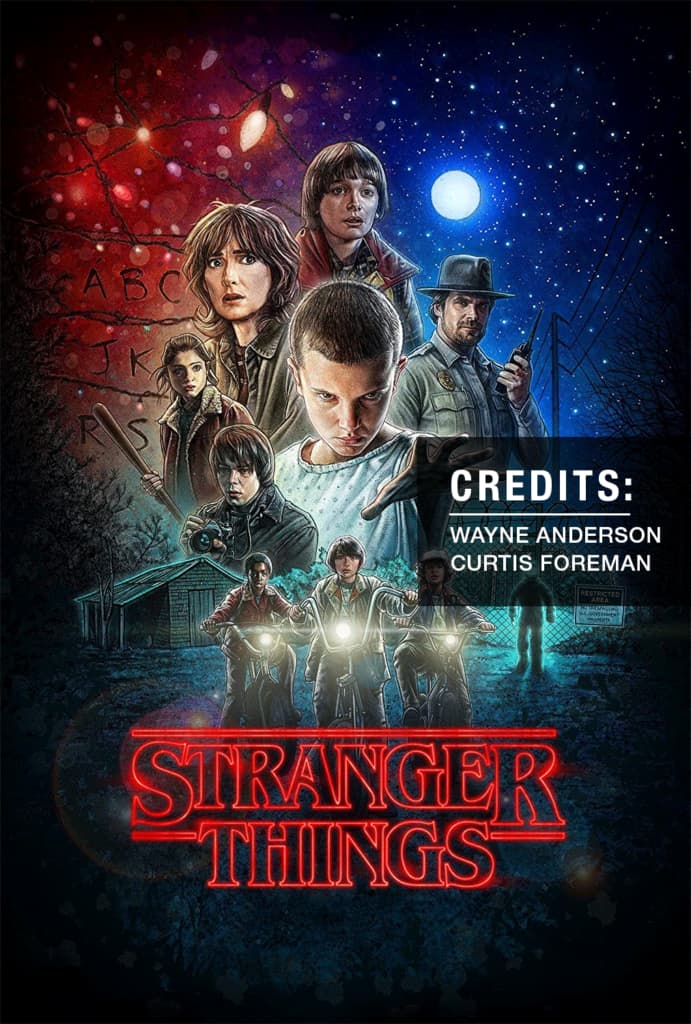
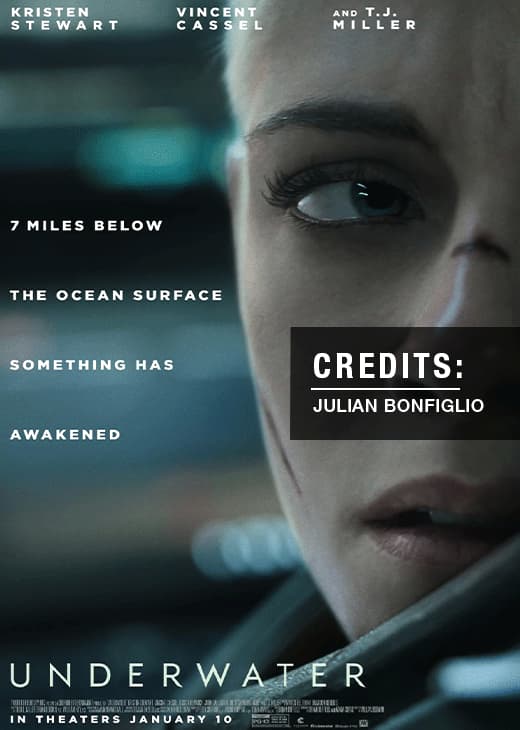
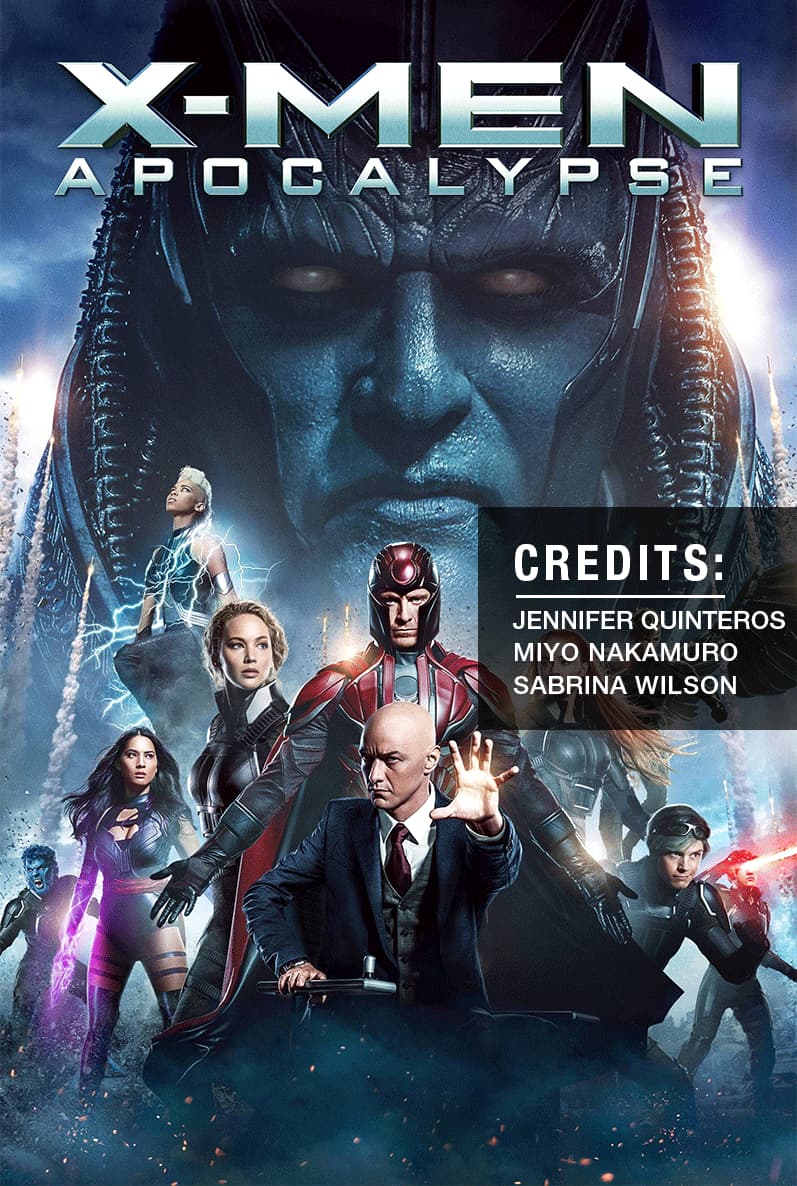
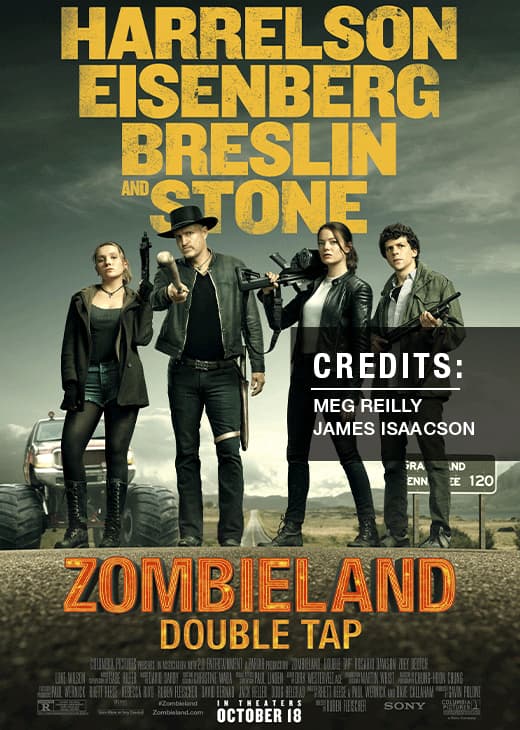
| Credited Work List | A clear list of productions you have worked on, including the project name, your role and the makeup department head or supervisor you reported to. |
| Student or Small Productions | If your experience includes student films or small productions, mention them honestly while explaining your contribution and what you learned from the project. |
Note: Building a credited work list becomes significantly easier when your SFX makeup training is tied to real production experience. At Cinema Makeup School, students graduate with more than a certificate, they leave with actual industry credits that reflect the professional-level work completed during their training.
Our graduates are working artists in film and television and their credits are a direct result of the hands-on, production-focused environment our special effects makeup school provides.
If you are currently looking to strengthen both your skills and your credited work before entering the job market, the SFX makeup courses at Cinema Makeup School are structured to prepare you for exactly the kind of professional environment that interviewers expect you to understand.
Book a campus tour and see where your training begins.
5. Communicate Clearly and Maintain Professionalism During the Interview
Answer questions directly and concisely. If you do not know the answer to a technical question, say so honestly and then say what you would do to find the answer or how you would approach the problem.
Interviewers know that no one has experience with every material or technique. What they are assessing is whether you are honest and how you think through unfamiliar situations.
Avoid speaking negatively about previous employers, production teams, or colleagues. The industry is interconnected and the person interviewing you may have a professional relationship with someone you mention.
Don’t Miss These Articles –
Airbrush Makeup Artist Career Roadmap
Character Makeup Skills You Need to Start a Career in SFX
Freelance vs. Studio Work: Which SFX Career Path Should You Choose?
6. Staying Updated on Products and Industry Developments
The SFX makeup industry is constantly moving forward. New materials, adhesives and application products enter the market regularly and what was considered standard practice years ago may now be outdated or replaced by something more effective.
Interviewers who work in active productions are aware of current materials and when a candidate speaks only about older techniques as if they are still the industry standard, it signals a gap in professional engagement. Staying current does not mean you need to have used every new product, but it does mean you should know what is available, what it is used for and how it compares to what you already work with.
Enroll now or book a tour to start your journey on becoming a special effects makeup expert with Cinema Makeup School in Los Angeles, CA!