People enter the special effects makeup industry from many different backgrounds. Some are SFX makeup artists looking to expand their skills, while others are complete beginners drawn to creature design, prosthetics, character makeup, etc.
As they begin researching training options, they discover that there is no single path into the industry. Some special effects makeup programs teach a broad range of SFX techniques, while others focus on specific areas such as prosthetic application, mold-making, airbrushing, or digital sculpting.
Understanding the differences between comprehensive training and skill-specific education can help aspiring artists evaluate programs more effectively and choose a learning path that aligns with their professional goals.
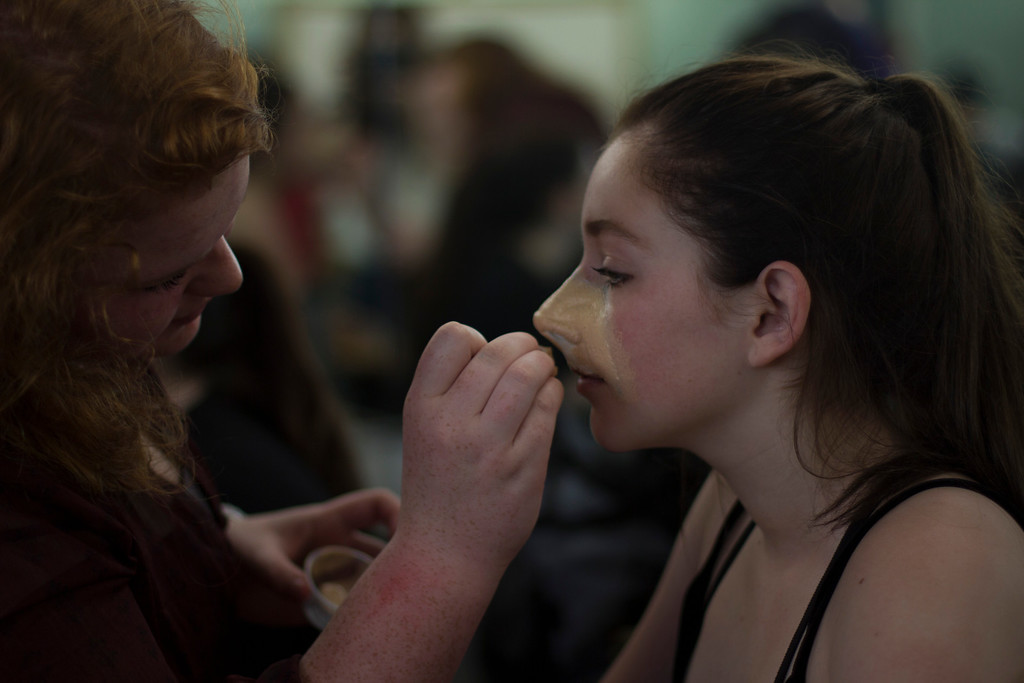
How to Decide Between a Complete SFX Makeup Course and a One-Skill Program
Selecting the right training path involves more than comparing course lengths or tuition costs. The most suitable program is often the one that aligns with your current experience, professional goals and the skills you want to develop. Before enrolling in the SFX makeup program, consider the following factors.
1. Consider Your Current Experience
Your starting point can play an important role in determining which type of training will provide the most value.
If you are completely new to special effects makeup, a comprehensive program can help you build foundational knowledge across multiple disciplines. Learning a variety of techniques may also provide a better understanding of how different stages of makeup creation work together.
For artists who already have experience in makeup artistry, sculpting, fabrication, or related creative fields, a specialized course may be enough to strengthen a specific area of expertise without repeating concepts they already understand.
2. Define Your Career Goals
The type of SFX makeup career you want to pursue can help determine which training path is the better fit.
- For example, aspiring artists who want to work as freelancers or take on a variety of projects may benefit from learning multiple special effects makeup techniques. A broader skill set can make it easier to adapt to different client needs, production requirements and creative challenges.
- In contrast, some artists have a clear interest in becoming known for a particular specialty, such as prosthetic makeup, creature sculpting, mold-making, airbrushing, or digital character design. In these cases, specialized training may provide more focused instruction and allow additional time to develop expertise in that area.
- If your goal is to become a well-rounded SFX makeup artist with knowledge across multiple disciplines, comprehensive training may offer broader preparation. However, if you plan to build your career around a specific makeup skill, a specialized program may be better aligned with your professional objectives.
3. Evaluate the Skills You Want to Build
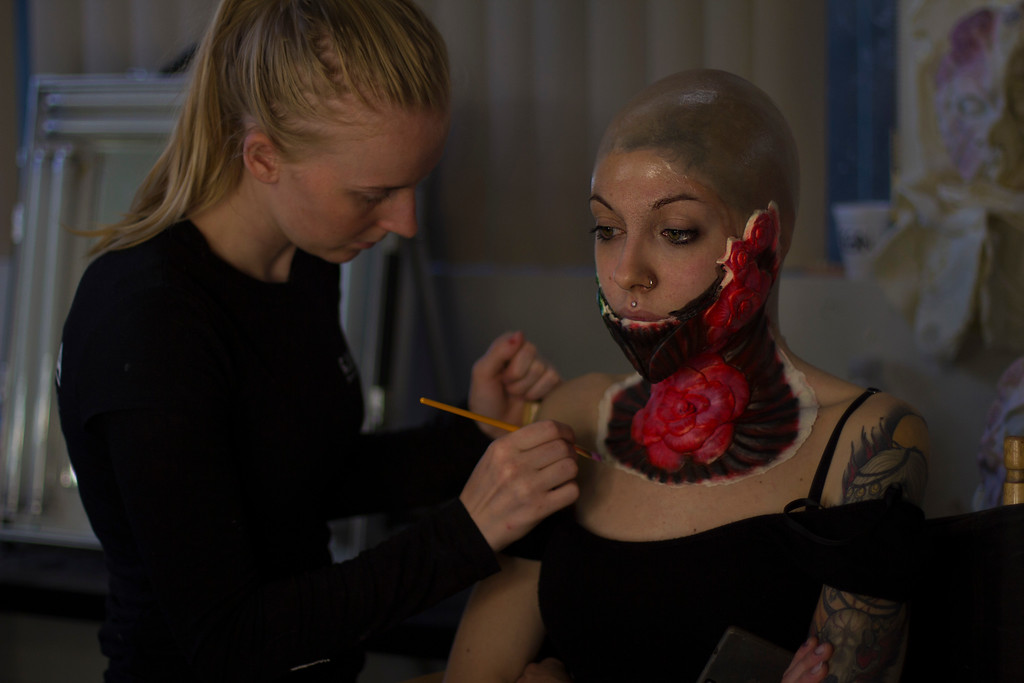
Many professional makeup effects are created using a combination of techniques rather than a single skill. For example, a creature or character transformation may involve sculpting, prosthetic application, airbrushing, painting and other specialized methods working together to achieve the final result.
When evaluating training options, think about whether you want to learn multiple stages of the makeup creation process or focus on mastering one specific technique. Learning a single skill may be suitable if you want to assist with a particular role in the creation of a character or effects makeup look, whereas broader training can prepare you to contribute across multiple stages of the process.
4. Think About Portfolio Development
Training is not only about gaining knowledge; it is also an opportunity to create work that demonstrates your abilities.
Comprehensive special effects makeup training often allows students to build portfolios that showcase a variety of techniques, including prosthetics, character makeup, casualty effects, sculpting and fabrication projects. This can help demonstrate versatility when presenting work to potential employers or collaborators.
Specialized programs may produce fewer project types but can showcase a higher level of proficiency within a particular discipline. Consider the type of portfolio that best supports your career objectives.
5. Consider Your Long-Term Growth
It is important to think beyond your immediate interests and consider where you would like your career to be in the future.
Some artists begin with broad training and later develop specialties as their interests become more defined. Others pursue a niche skill from the beginning and continue refining that expertise throughout their careers.
Understanding your long-term goals can help you determine whether broad exposure or focused specialization is the better investment at this stage of your development.
Pro Tip: Whether you are looking to learn multiple SFX makeup skills or excel in a specific technique, Cinema Makeup School has you covered. You can enroll in diploma programs, certificate courses, workshops, boot camps, or specialized training in areas such as character makeup, prosthetic makeup, airbrushing and more.
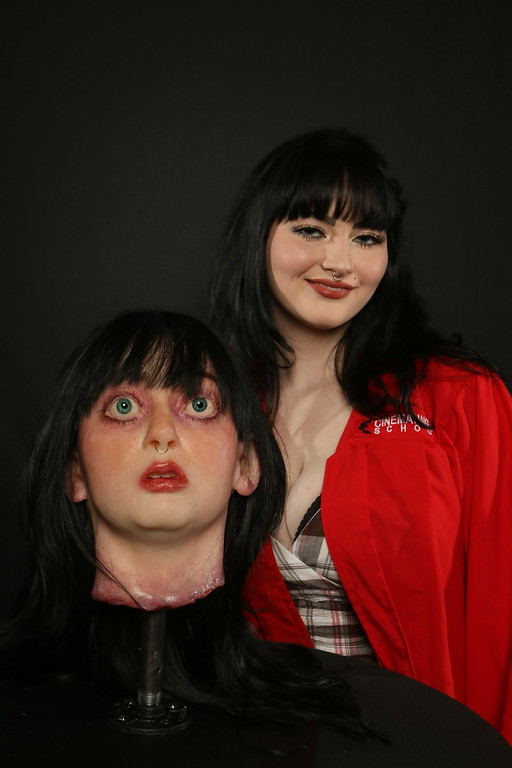
Quick Query 1: Is It Possible to Start With One Skill and Expand Later?
Absolutely. Career development in special effects makeup is rarely a straight line. Many artists begin by learning a specific skill that interests them most and later expand their knowledge into other areas as their careers progress.
For example, someone who starts with prosthetic application may eventually learn sculpting and mold-making to gain greater creative control over the entire process. Similarly, an artist focused on digital sculpting may later pursue fabrication or character makeup training to broaden their capabilities.
Professional growth often happens gradually and many successful artists continue adding new skills throughout their careers. Choosing one type of training today does not prevent you from exploring additional disciplines in the future.
Quick Query 2: Which Option Is Better for Long-Term Career Growth?
There is no single answer that applies to every aspiring artist. The better option depends on your starting point and career objectives.
What Do Film, Television and FX Studios Actually Look For?
One of the biggest misconceptions among beginners is that they need to specialize immediately.
In reality, many entry-level opportunities favor artists who can contribute across multiple areas.
Entry-Level Roles Often Require Versatility
New SFX makeup artists may find themselves helping with:
- Mold preparation
- Casting prosthetics
- Painting pieces
- Organizing workshop materials
- Makeup application
- Equipment maintenance
Specialization Usually Comes Later
Many successful SFX makeup artists begin by learning a variety of techniques before focusing on a particular area of expertise.
Over time, artists may become known for expertise in:
- Prosthetic design
- Creature effects
- Character makeup
- Mold-making
- Digital effects design
Related Articles:
Diploma vs Certificate in SFX Makeup Course: Which Path Should You Choose?
Online vs In-Person SFX Makeup Course
Importance of Hygiene and Safety in SFX Makeup Careers
Full SFX Makeup Course vs. Single Skill Training
| Factor | Full SFX Makeup Course | Single Skill Training |
| Skill Range | Broad | Narrow |
| Portfolio Development | Extensive | Limited |
| Industry Knowledge | Comprehensive | Focused |
| Career Flexibility | High | Moderate |
| Learning Commitment | Higher | Lower |
| Foundation for Growth | Strong | Specialized |
| Exposure to Workflows | Complete | Partial |
| Future Opportunities | Diverse | More Specific |
Regardless of which path you choose, hands-on practice is essential for developing special effects makeup skills. Working with prosthetics, molds, airbrush systems, sculpting materials and character designs allows students to gain practical experience that is difficult to develop through theory alone.
Explore Cinema Makeup School’s campus and discover where students develop their skills, create portfolio projects and prepare for careers in the makeup industry.