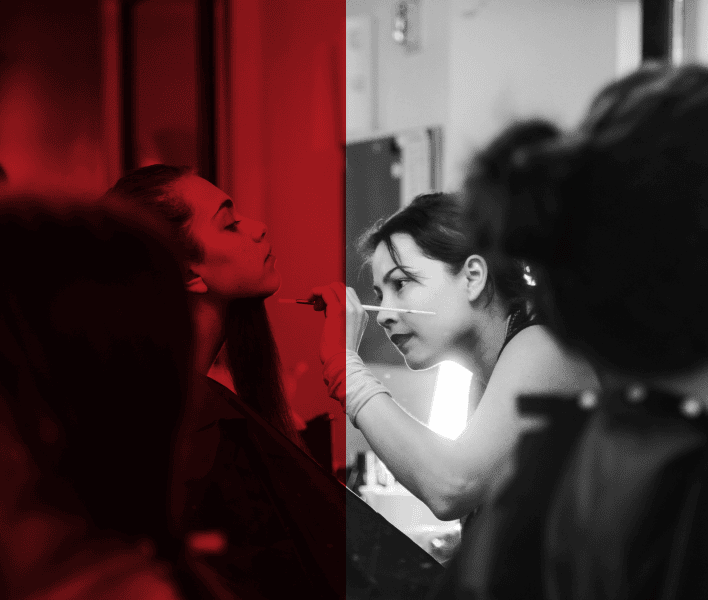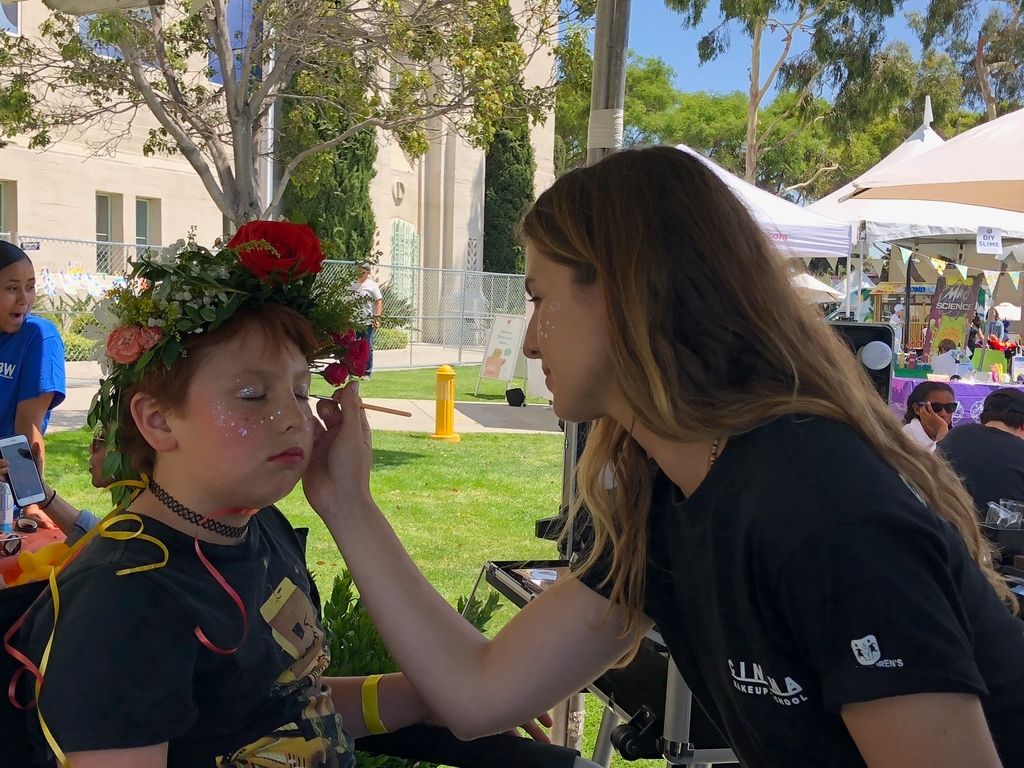
From quick backstage touch-ups to complete character transformations, theatrical makeup artists help bring every stage production to life. Their work demands creativity, technical precision and the ability to perform under the fast-paced conditions of live entertainment.
For those pursuing a career in theatre makeup, understanding the earning potential is just as important as mastering the craft.
In this blog, we’ll explore what theatre makeup artists can expect to earn in 2026, the factors that influence their income and how enrolling in professional training can support long-term career growth.
Average Theatrical Makeup Artist Salary in 2026
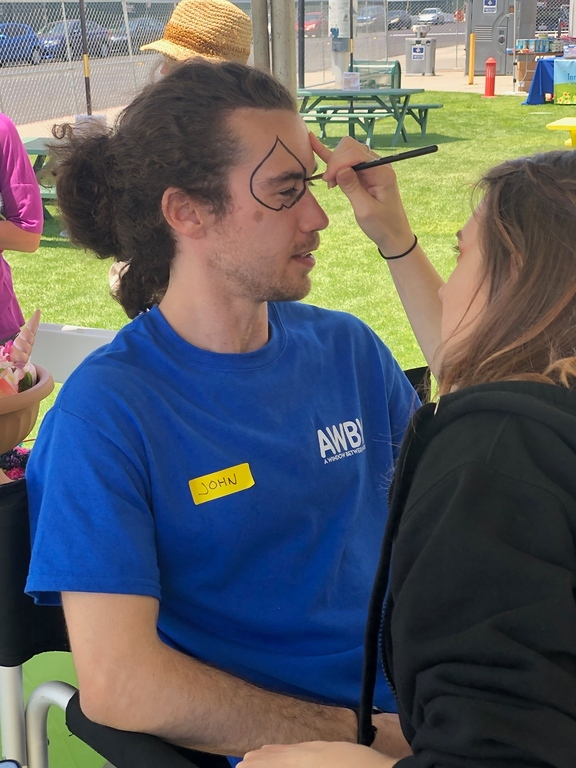
According to salary data from ZipRecruiter, the average theatrical makeup artist salary in the United States is $52,605 per year as of July 2026.
Average Salary Breakdown by Timeframe
| Pay Period | Estimated Earnings |
| Hourly | ~$25.29 |
| Weekly | $1,011 |
| Monthly | $4,383 |
| Annual | $52,605 |
Theatrical Makeup Artist Salary Range
Actual earnings can vary considerably depending on factors such as experience, production size, location, union affiliation and specialized skills. While artists can earn between $20,500 and $50,000 annually, experienced artists working on larger productions or in specialized roles may earn up to $139,500.
| Percentile / Tier | Annual Salary | What It Means |
| Minimum | $20,500 | Entry-level or low-end market rates. |
| Typical Salary Range | $35,000–$50,000 | Most theatrical makeup artists fall within this earning range. |
| 90th Percentile (Top Earners) | $120,000 | High-end earners, likely working on major productions or union gigs. |
| Maximum | $139,500 | Typically associated with senior-level or highly specialized roles. |
Source: https://www.ziprecruiter.com/Salaries/Theatrical-Makeup-Salary
Factors Affecting the Salary of Stage Makeup Artists
While average salary figures provide a useful benchmark, actual earnings depend on a combination of career and industry factors. Developing expertise in special effects makeup, gaining production experience and building a strong professional reputation can all contribute to higher-paying opportunities.
1. Experience Level
Experience is one of the biggest factors influencing salary. Entry-level artists often begin by assisting senior makeup artists or working on smaller productions to build practical experience. As they develop a stronger portfolio, take on more responsibilities and demonstrate consistency, they become eligible for higher-paying roles on larger productions.
2. Production Scale and Budget
Not all stage productions have the same makeup requirements or budgets. Community theaters and local productions generally offer lower compensation than regional theaters, touring productions, Broadway shows, or large-scale live entertainment events. Productions with larger budgets often require more complex makeup designs and are able to offer higher salaries.
3. Technical Skills
Artists who can perform more than basic stage makeup are often in greater demand. Skills such as prosthetic application, character makeup, aging effects, wig styling, facial hair application, airbrushing and the ability to perform quick backstage makeup changes make an artist more versatile and can lead to higher-paying opportunities.
4. Specialized Expertise
Developing deep expertise in a specialized area can significantly increase your earning potential. Formal training helps artists build a strong technical foundation and develop the skills expected in professional productions.
Special Effects Makeup programs at Cinema Makeup School provide hands-on training led by experienced instructors who have worked on real industry projects. Students gain practical experience while developing specialized skills that can help them qualify for more advanced roles and higher-paying opportunities.
Our graduates have transformed their training into successful careers by contributing their artistry to the entertainment industry’s biggest productions, including Wednesday, Thor, Train to Busan and many more.
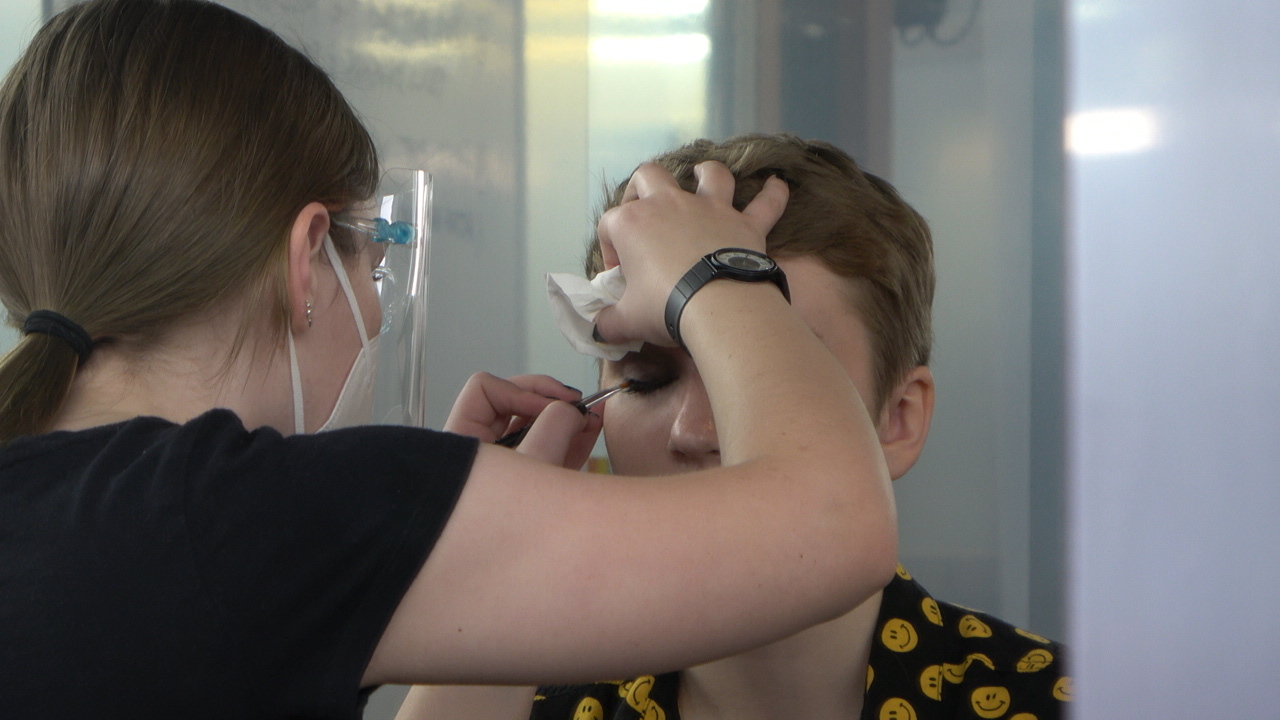
Apply now to join our professional SFX makeup courses, or schedule a campus tour to explore our classrooms, studios and hands-on learning environment before making your decision.
5. Geographic Location
Salary expectations can vary significantly depending on where you work. Cities with established performing arts industries and a high volume of live productions typically offer more employment opportunities and higher pay than areas with fewer theatrical productions.
Top-Paying U.S. Cities for Theatrical Makeup Artists
| City | Annual Salary | Monthly Pay | Weekly Pay | Hourly Wage |
| Beverly, MA | $79,913 | $6,659 | $1,536 | $38.42 |
| Albany, NY | $74,490 | $6,207 | $1,432 | $35.81 |
| Burleigh County, ND | $71,113 | $5,926 | $1,367 | $34.19 |
| Lancaster, PA | $70,082 | $5,840 | $1,347 | $33.69 |
| North Little Rock, AR | $69,906 | $5,825 | $1,344 | $33.61 |
| Rossford, OH | $68,901 | $5,741 | $1,325 | $33.13 |
| Napa, CA | $68,436 | $5,703 | $1,316 | $32.90 |
| Douglas County, NE | $67,944 | $5,662 | $1,306 | $32.67 |
| Bridgeport, WV | $66,791 | $5,565 | $1,284 | $32.11 |
| Berkeley, CA | $64,131 | $5,344 | $1,233 | $30.83 |
(Table Source: https://www.ziprecruiter.com/Salaries/Theatrical-Makeup-Salary)
6. Employment Type
Some stage makeup artists work as full-time employees for theaters or performing arts organizations, while others build freelance careers by working on multiple productions throughout the year. Full-time positions often provide consistent income and employee benefits, whereas freelance work may offer higher earning potential during busy production seasons but can involve less predictable workloads.
7. Reputation and Professional Network
The theater industry relies heavily on professional relationships. Directors, producers, costume designers and production managers often rehire artists they trust. A strong reputation for reliability, professionalism and high-quality work can lead to repeat projects, referrals and opportunities on larger productions with higher budgets.
Related Articles:
How Much Do Special Effects Makeup Artists Make? A 2025 Insight
Airbrush Makeup Artist Career Roadmap
What Is the Real Return on Investment of an SFX Makeup Course?
The earning potential for theatrical makeup artists continues to grow as the entertainment industry evolves. Whether you’re just starting out or looking to advance your career, building a strong technical foundation is one of the best investments you can make.
Take a tour of the Cinema Makeup School campus and start preparing for a career in the entertainment industry.