Creating believable characters and creatures for film, television, haunted attractions, theme parks and other entertainment productions takes much more than artistic talent. Behind every realistic alien, fantasy creature, monster, or aging character is a designer who understands anatomy, sculpting, storytelling, materials and production requirements.
Many aspiring artists assume that learning sculpting alone is enough. In reality, professionals working in character and creature design combine traditional art skills with technical knowledge, problem-solving and collaboration throughout the production process.
If you’re planning to build a career in this field, here’s how you can prepare yourself for the expectations of today’s entertainment industry.
Career Opportunities in Character and Creature Design
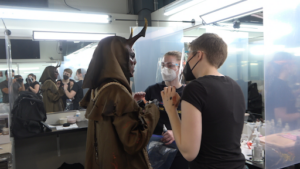
After developing the technical and artistic skills required for character and creature design, you may qualify for roles such as:
- Character Makeup Artist
- Creature Designer
- Creature Concept Artist
- Creature Maquette Sculptor
- Digital Sculptor
- Prosthetic Makeup Artist
Essential Skills Required for Character and Creature Design Careers
Whether you dream of designing mythical creatures for fantasy films, realistic aliens for science fiction, or unforgettable characters for video games, success in character and creature design requires a balance of artistic talent, technical knowledge and creative problem-solving.
1. Strong Drawing and Sketching Skills
Drawing is the foundation of character and creature design. Before a concept becomes a digital model or physical sculpture, it usually begins as a series of sketches. Strong drawing skills allow designers to quickly explore different ideas, poses, silhouettes and expressions while communicating their vision to directors and production teams.
Practicing sketching regularly also helps artists improve their ability to create characters with realistic body proportions, natural poses and appealing designs. Over time, this builds confidence and makes it easier to communicate creative ideas clearly.
2. Knowledge of Human and Animal Anatomy
Many memorable creatures are inspired by real-life anatomy. Whether you’re designing a fantasy dragon, a terrifying monster, or a realistic alien, understanding how muscles, bones, joints and body structures work makes your designs more believable.
Studying both animal and human anatomy also helps artists create creatures that move naturally and maintain realistic proportions, even when combining features from multiple species.
3. Gain Hands-On Training
Reading tutorials and watching videos can introduce new techniques, but practical experience is where real improvement happens.
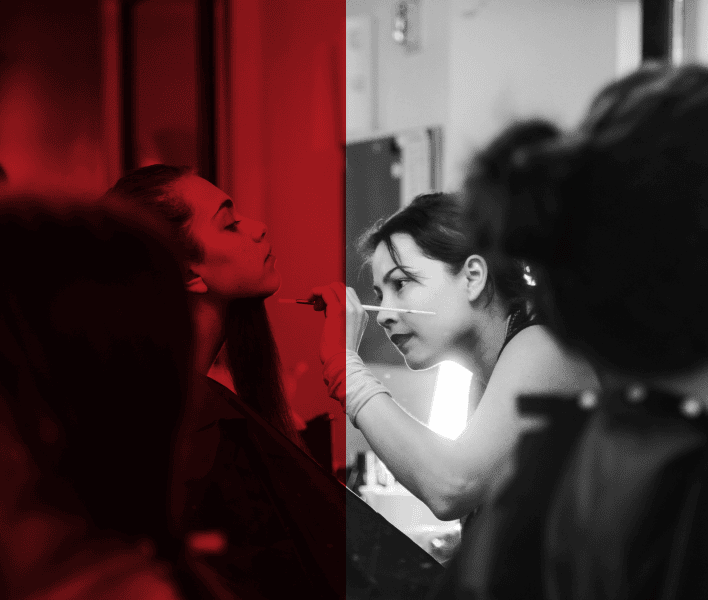
At Cinema Makeup School, students gain hands-on training through industry-focused programs that cover character makeup, creature concept design, sculpting, prosthetics, digital design and other special effects makeup techniques. Working alongside experienced instructors helps students build practical skills while becoming familiar with professional workflows used in the entertainment industry.
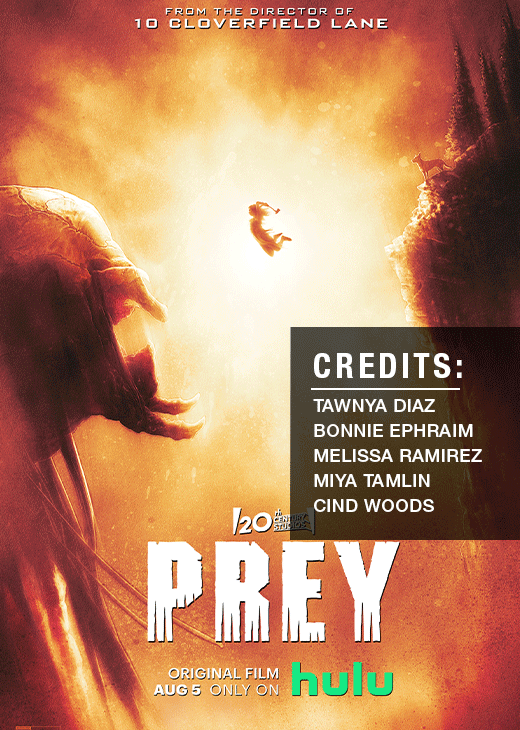
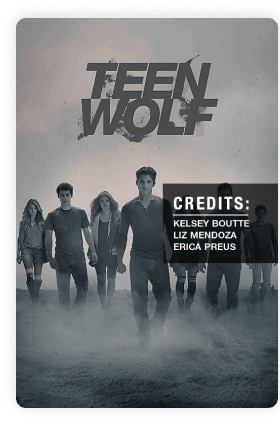
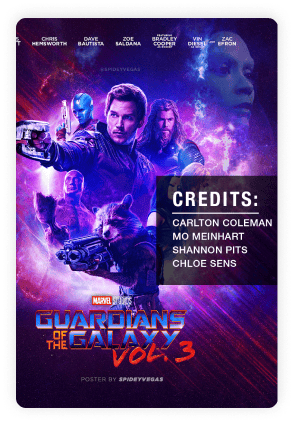
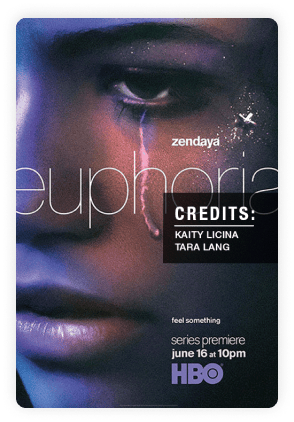
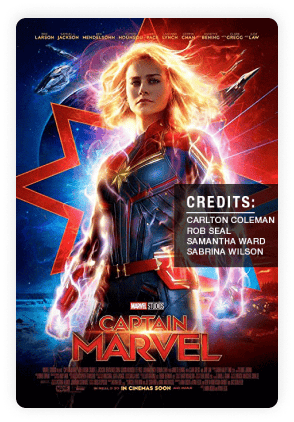
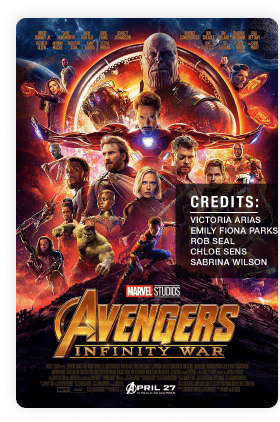
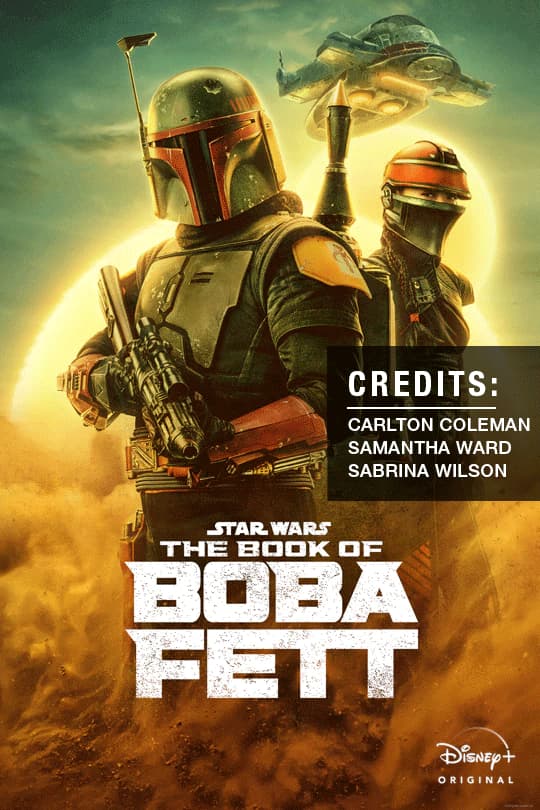
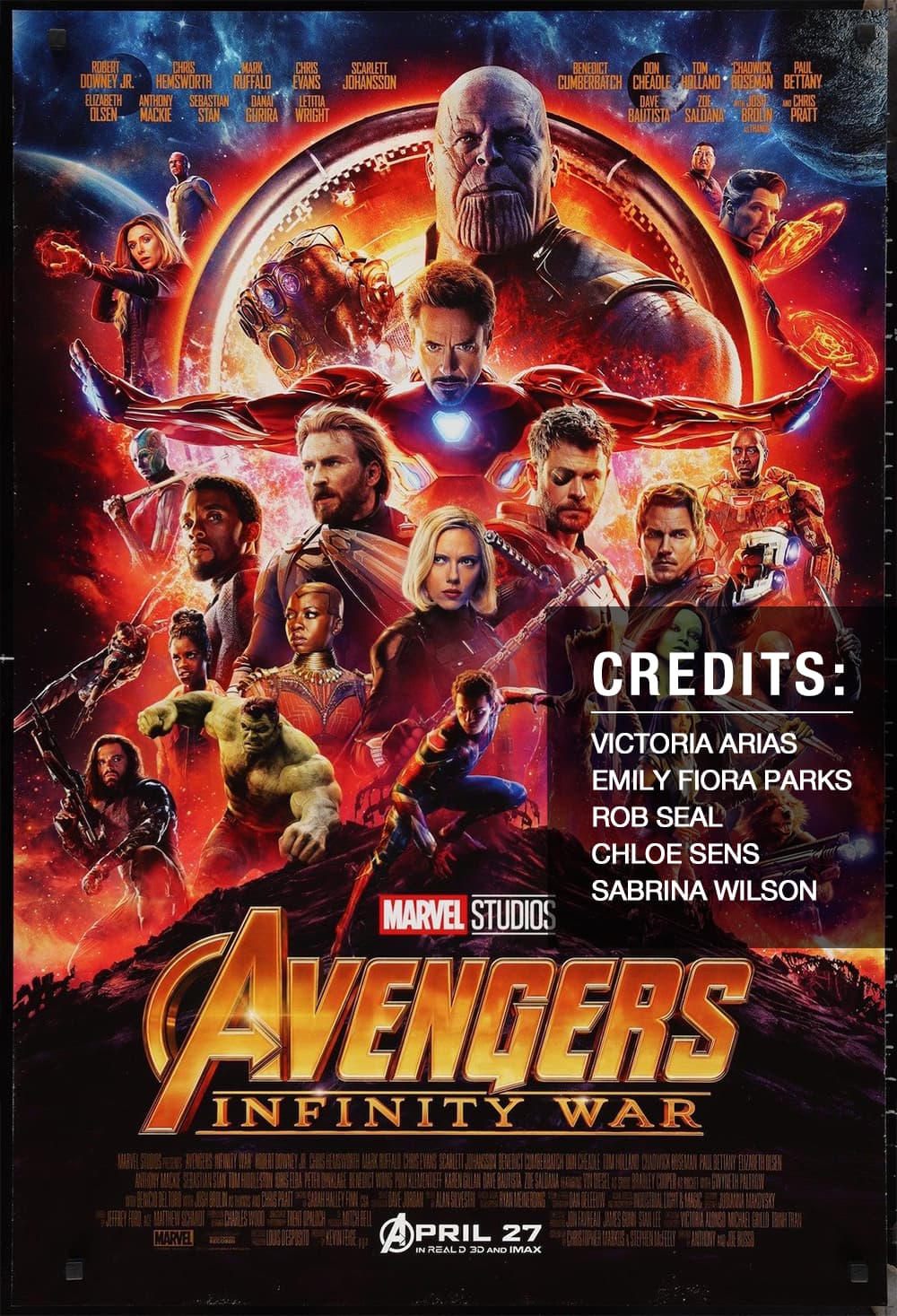
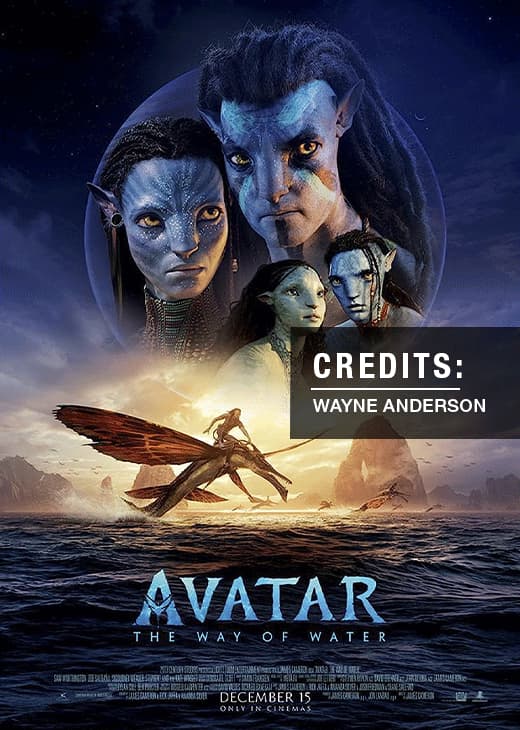
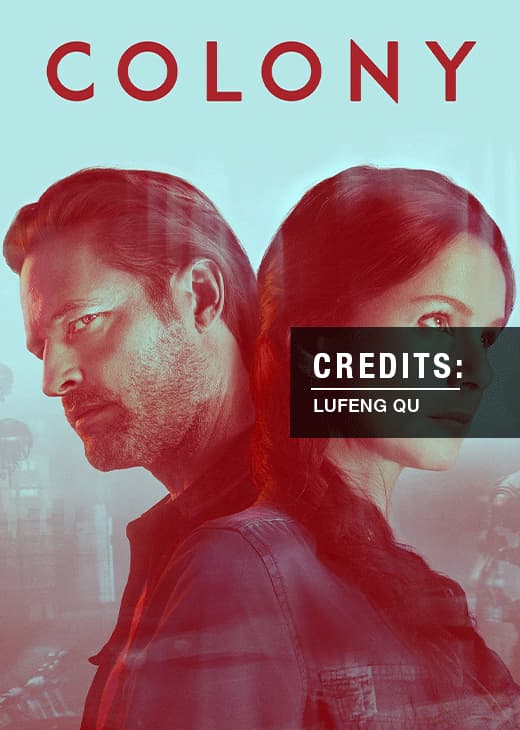
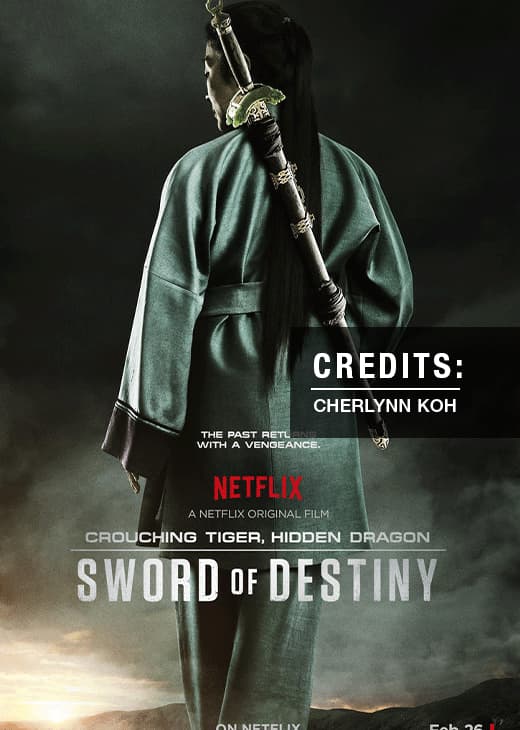
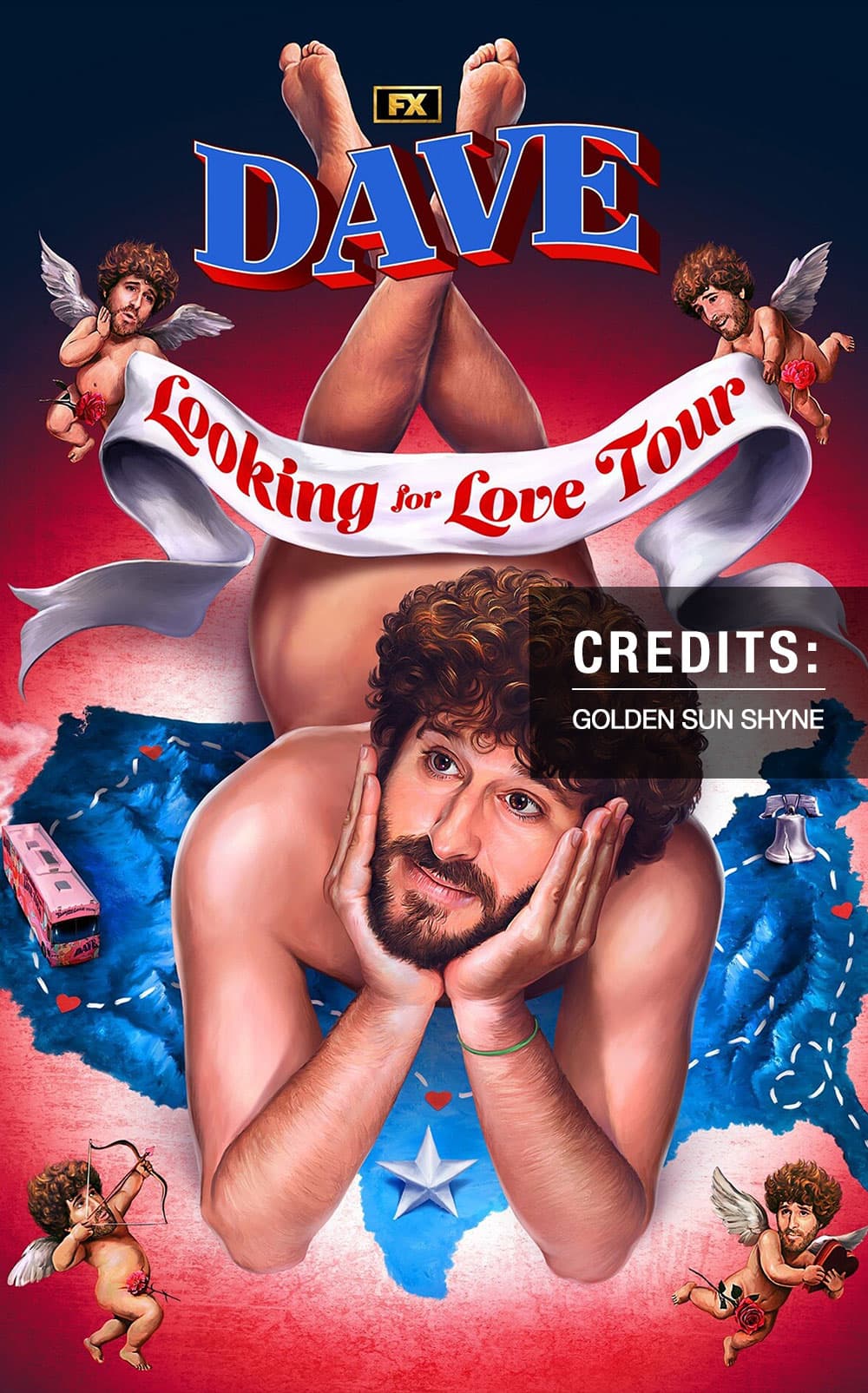
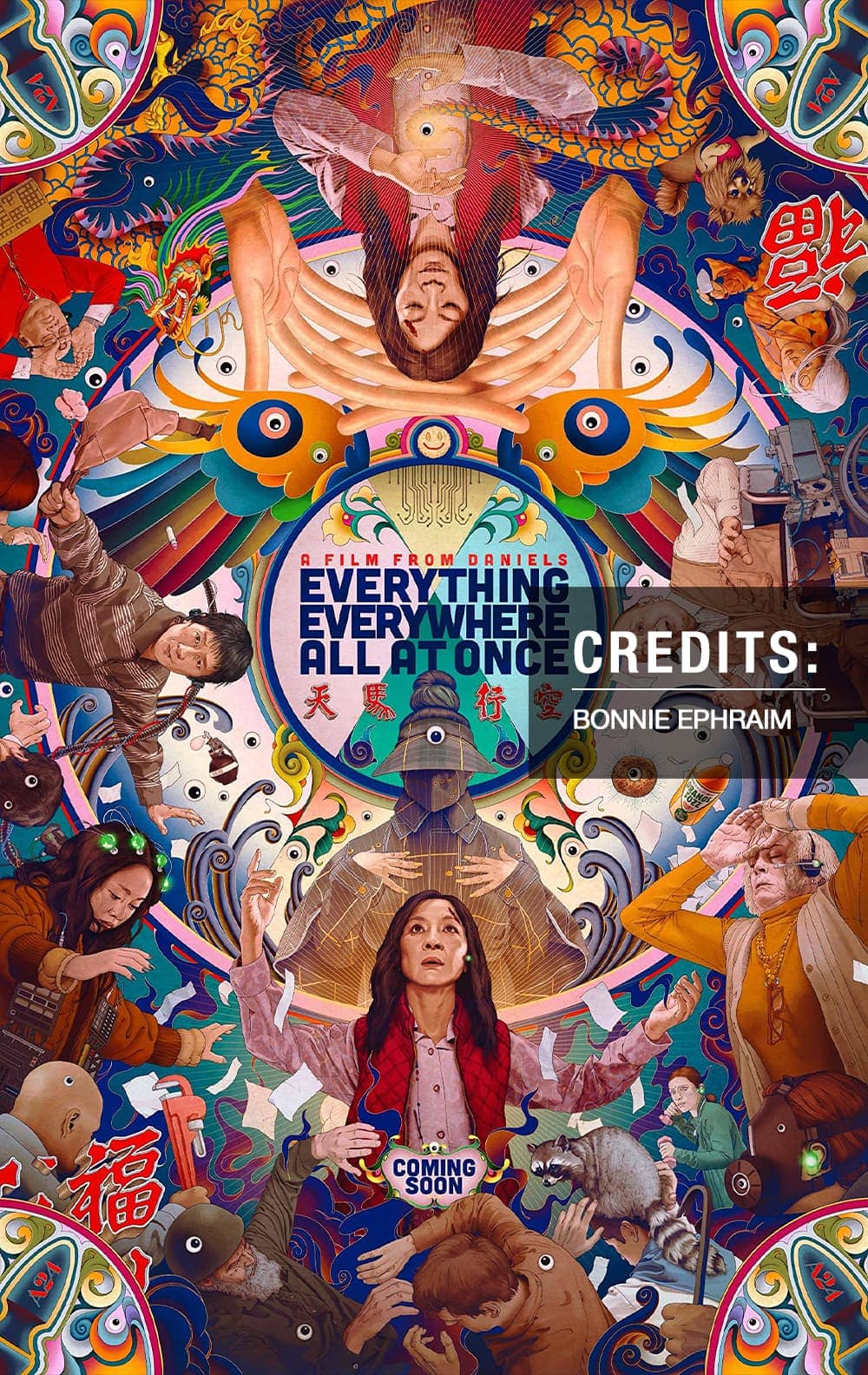
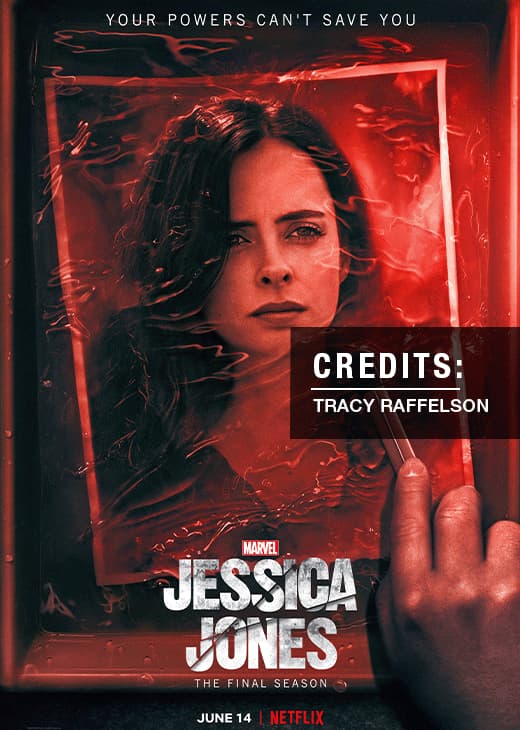
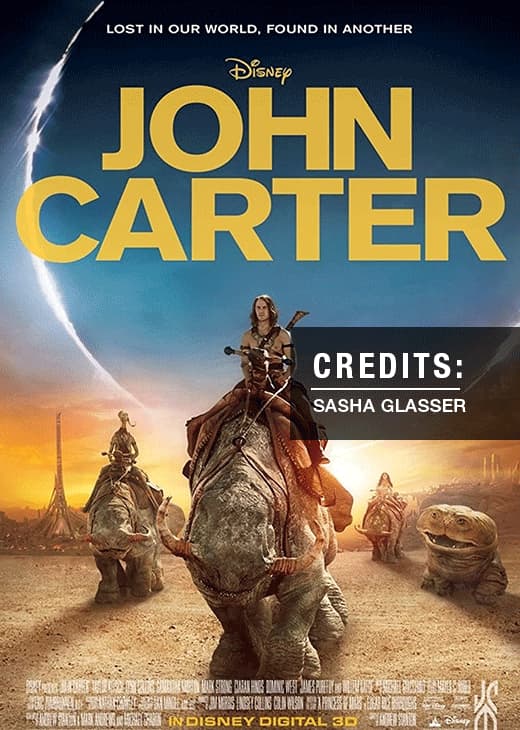
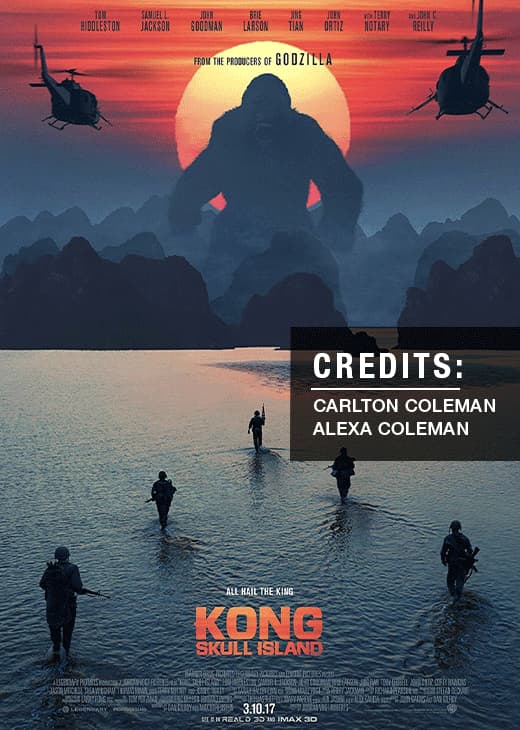
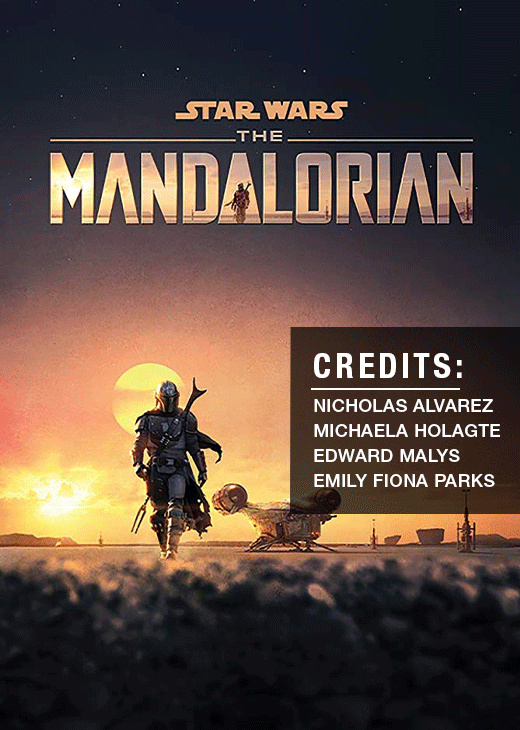
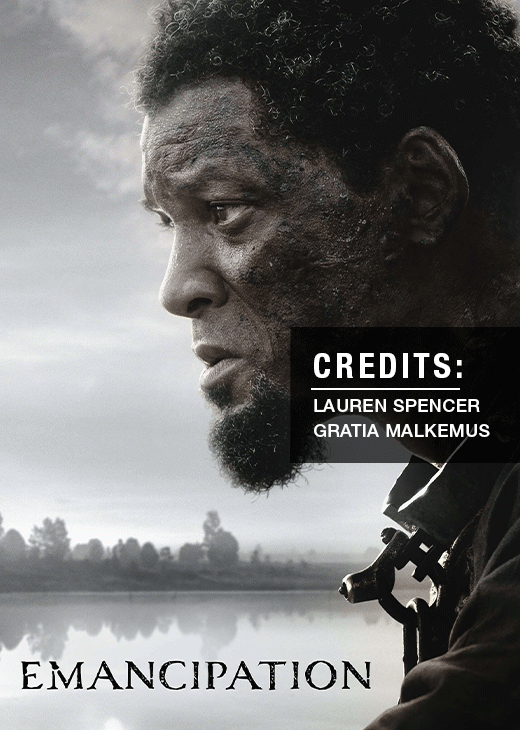
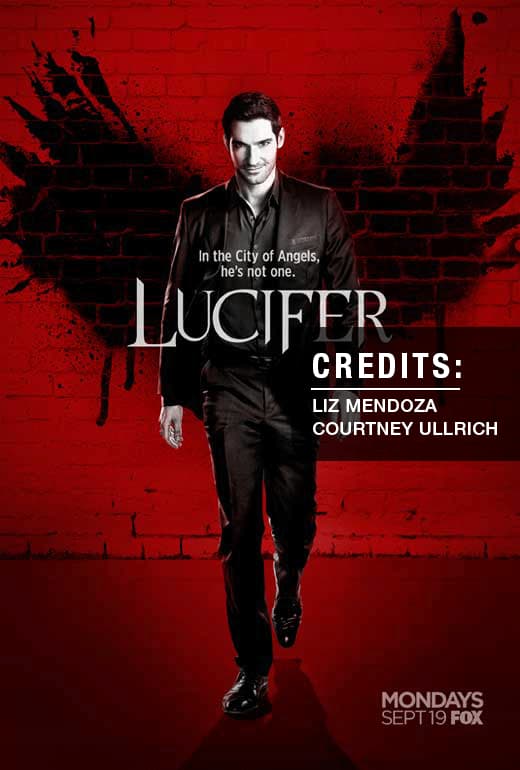
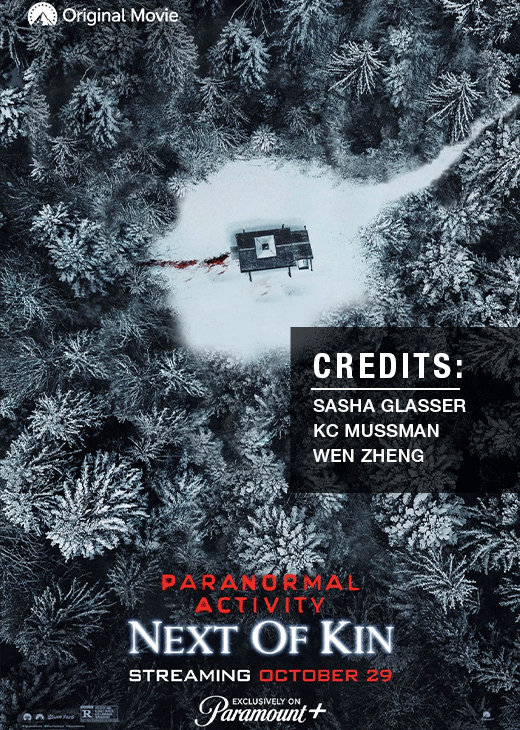
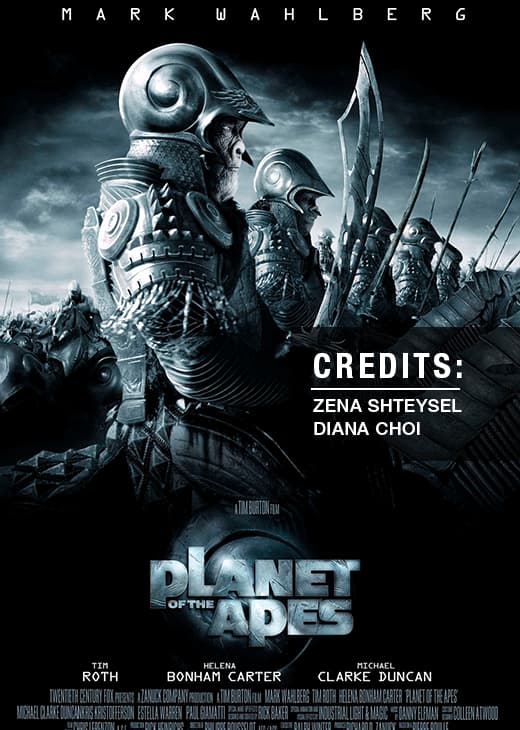
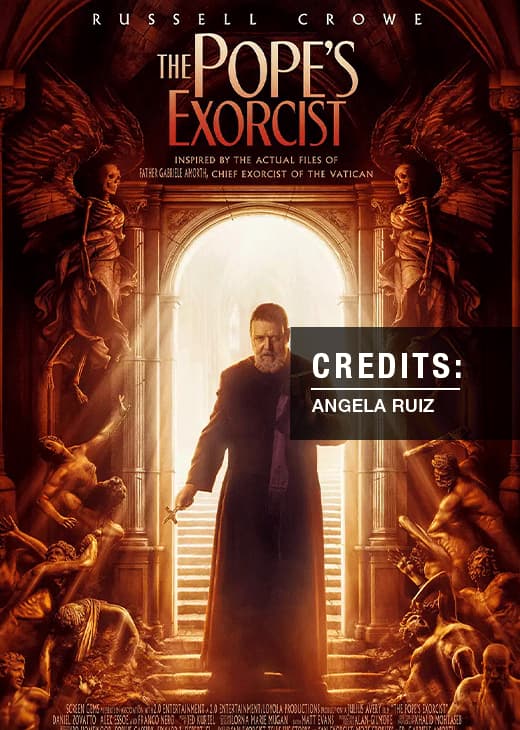
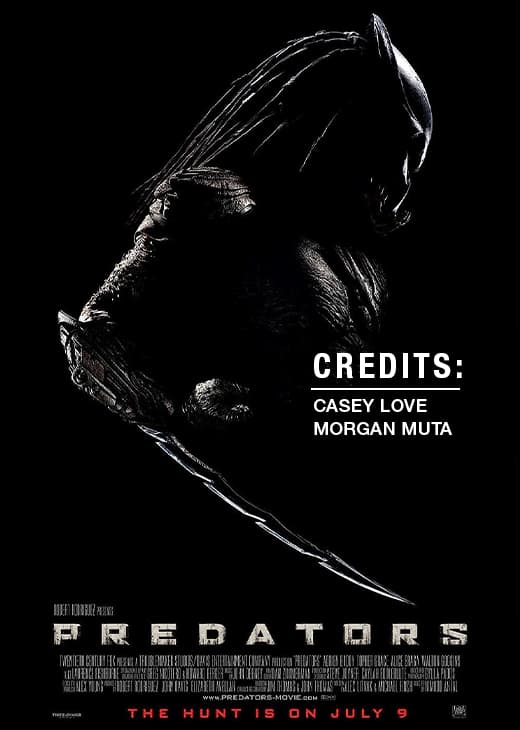
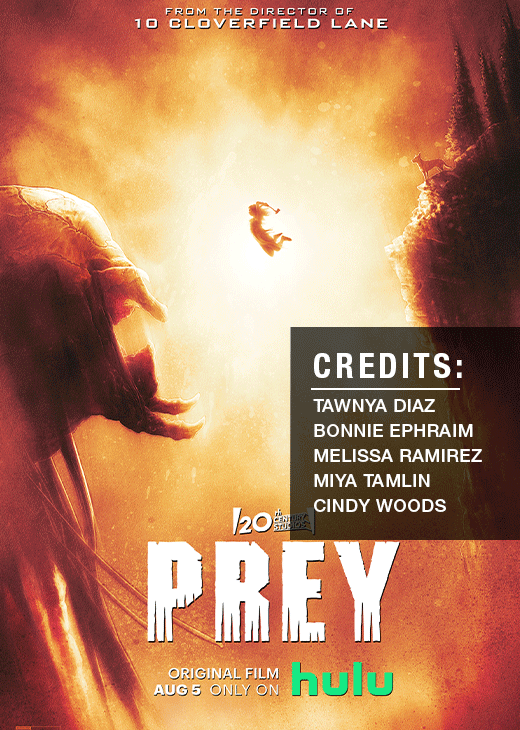
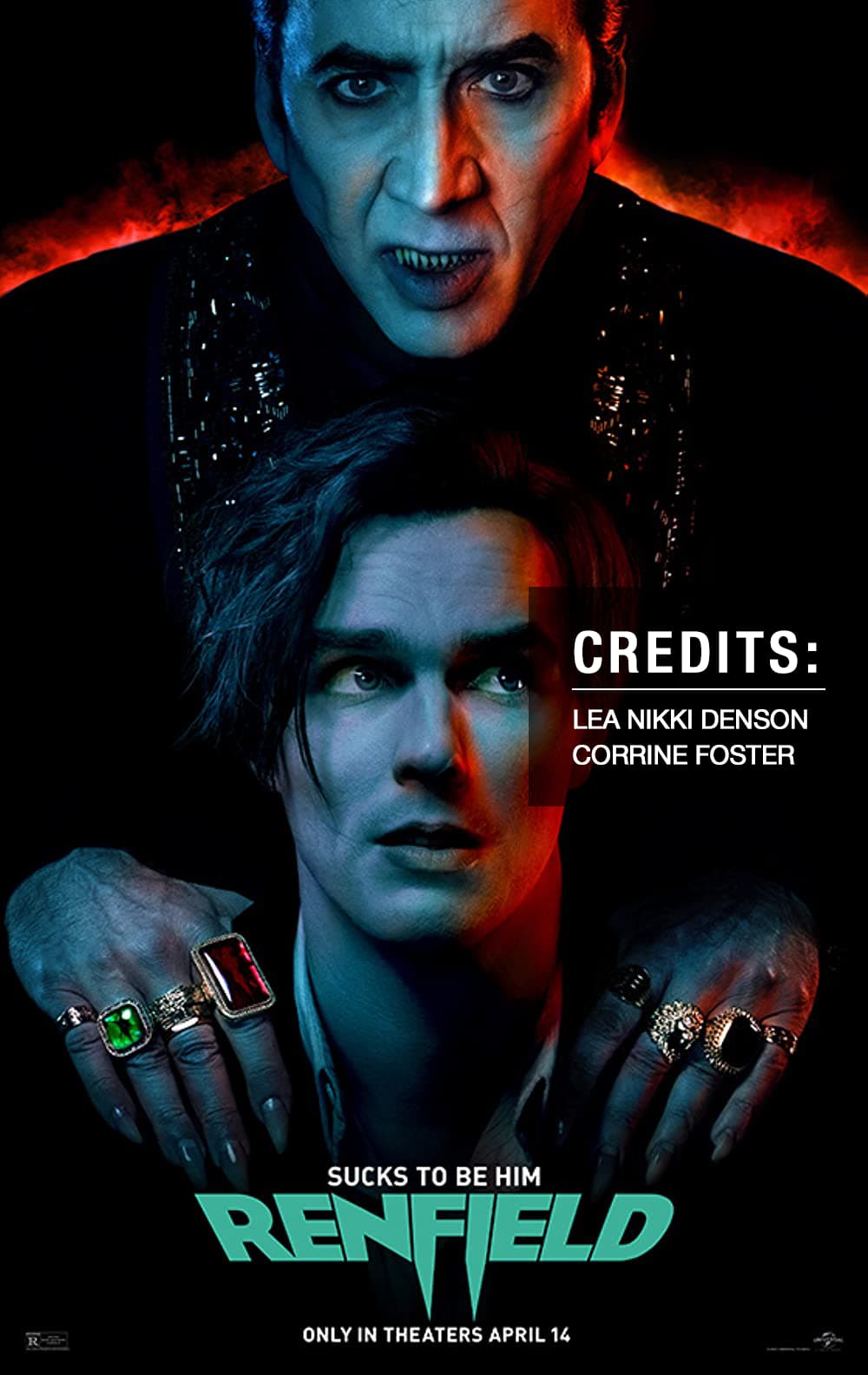
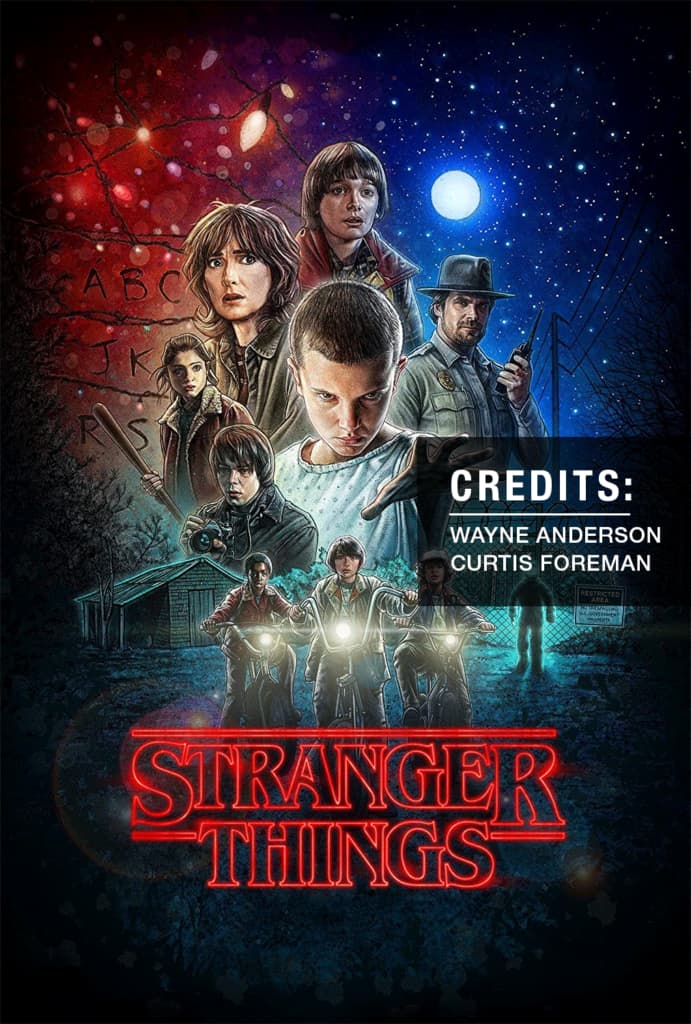
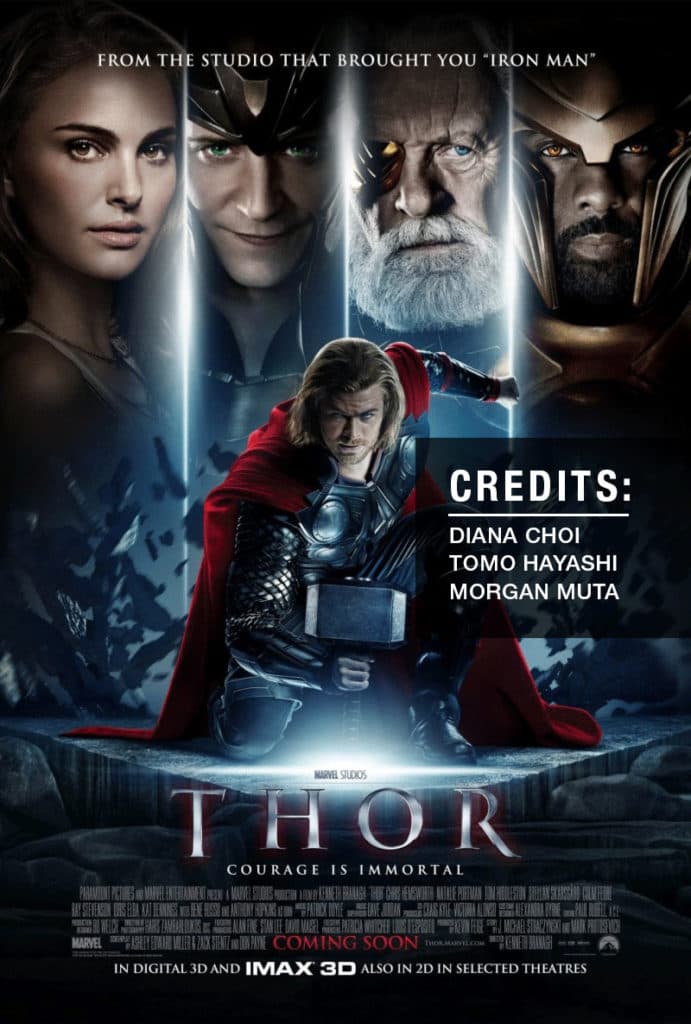
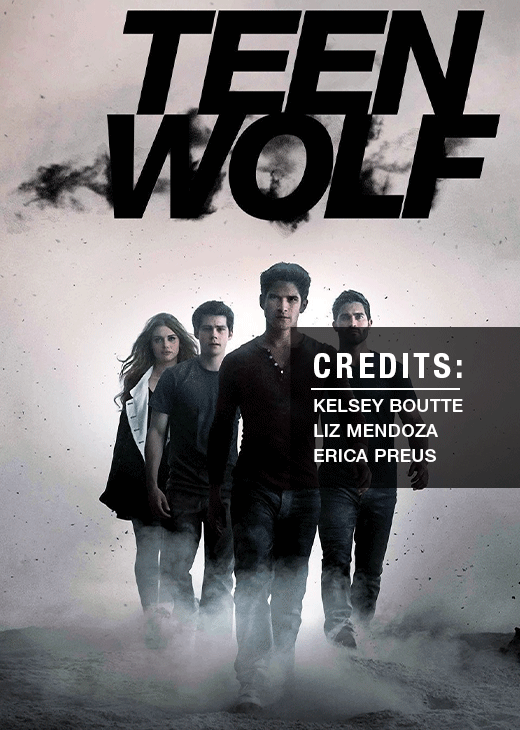
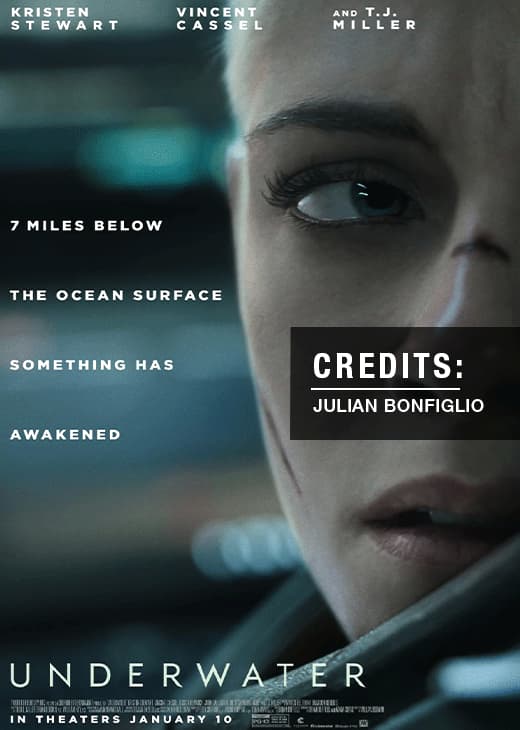
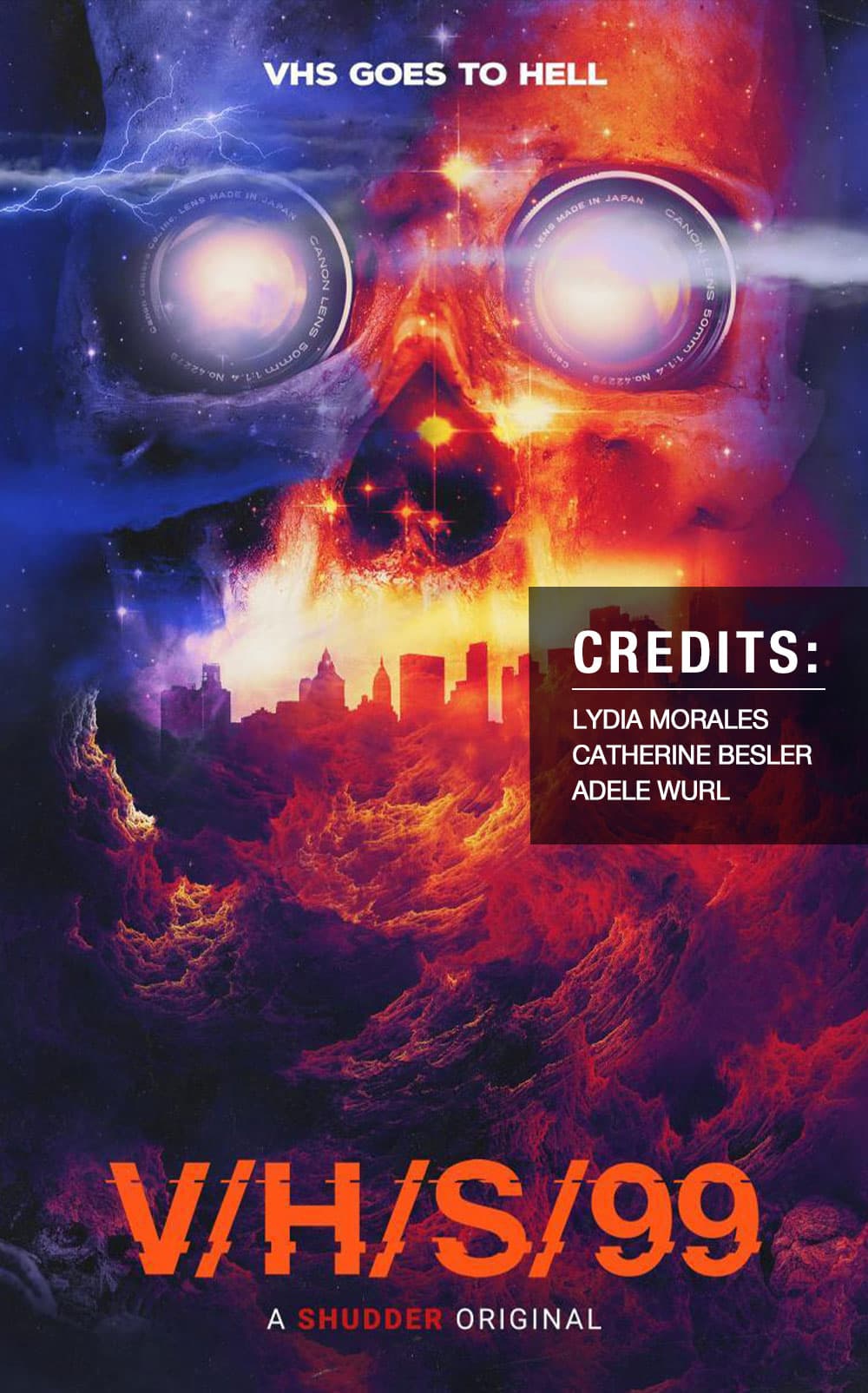
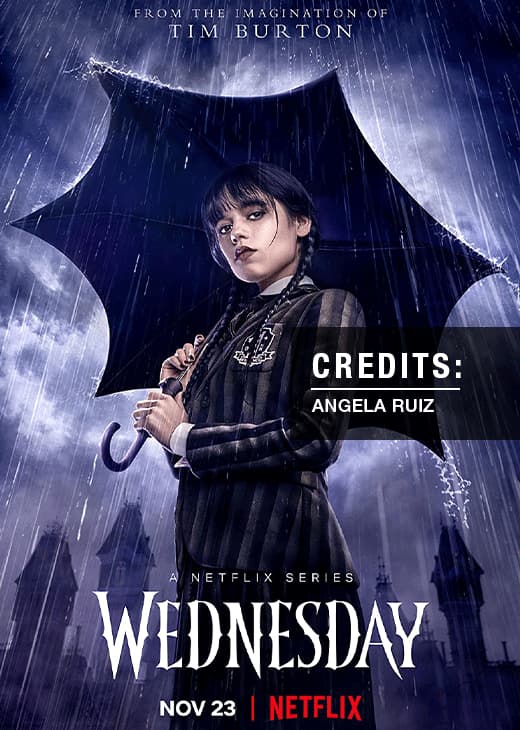
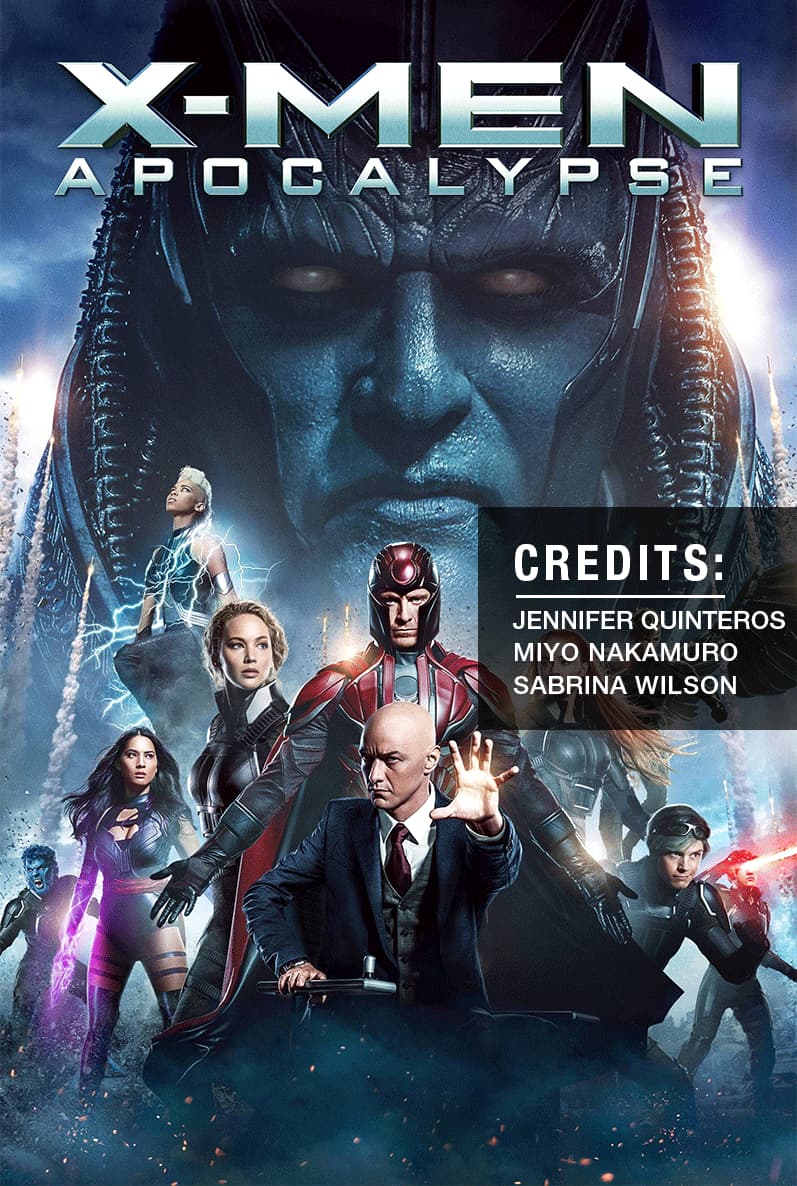
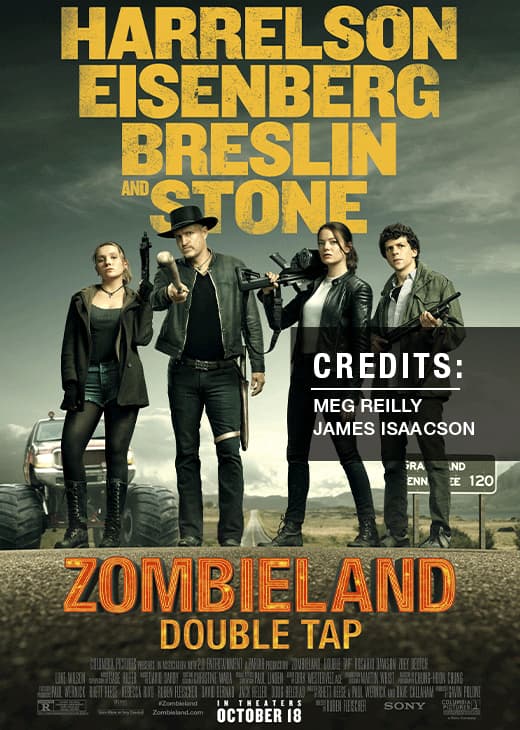
This hands-on training has helped many alumni contribute to major film and television productions, including Kong: Skull Island, John Carter, and Marvel’s Jessica Jones. You could be next.
Enroll in the SFX makeup courses or book a campus tour to explore how Cinema Makeup School prepares students for the entertainment industry.
4. Creativity and Visual Storytelling
Character and creature design is about more than creating an interesting appearance. Great designs help communicate who a character is, where they come from and the role they play in a story.
Strong visual storytelling helps audiences understand and connect with a character from the moment they appear on screen. Whether the design is for a heroic protagonist, a mysterious creature, or a terrifying villain, thoughtful creative choices can make the character more memorable and believable.
5. Digital Design and 3D Modeling Skills
Modern entertainment industries rely heavily on digital design tools throughout the creative process. Learning software such as Photoshop, ZBrush, Blender, Maya, or similar programs enables designers to create concept art, detailed digital sculptures and production-ready models.
While traditional artistic skills remain essential, digital proficiency helps designers collaborate more efficiently with VFX teams, game developers and production studios.
6. Sculpting & Mold Making
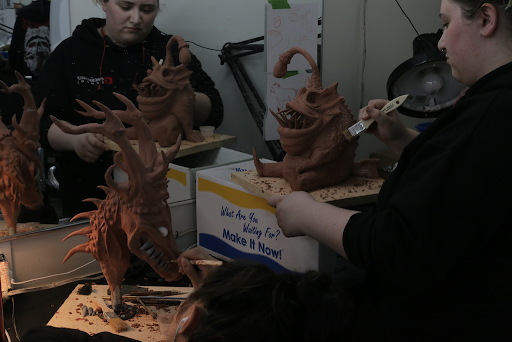
Sculpting is one of the core skills used in special effects makeup. Before a prosthetic appliance, creature mask, or makeup effect can be produced, it often begins as a clay sculpture. That sculpture is then used to create a mold, allowing the final piece to be cast in materials such as silicone or foam latex.
Learning these skills can help you understand how a character or creature develops from an initial concept into a finished effect.
Learn Why Your Sculpt Looks Great in Clay but Fails in Mold.
7. Understanding Colors, Textures and Materials
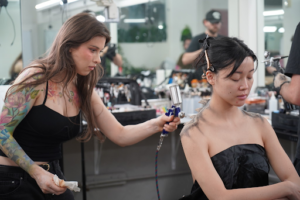
A well-designed character or creature is more than just a good sculpt. The choice of colors, textures and materials helps define its personality, age, environment and overall realism. These elements work together to make the design look believable on camera and consistent with the story.
As you prepare for a career in character and creature design, you should learn how to create and combine different surface finishes, including:
- Human skin and aging effects
- Fur and hair
- Scales and reptilian skin
- Feathers
- Bone, horns and teeth
- Metal, armor and weathered surfaces
- Fabric and costume textures
Materials such as silicone, foam latex, gelatin and specialty paints each produce different textures and visual effects. Knowing when and how to use them helps you create designs that are both visually convincing and suitable for production.
8. Problem-Solving and Adaptability
Character and creature designs often evolve throughout production. Budget limitations, filming conditions, actor comfort, technical challenges, or creative feedback may require significant revisions.
Successful designers are flexible and capable of adapting their ideas without compromising the overall vision. Being able to solve problems creatively is one of the most valuable skills in a fast-paced production environment.
9. Collaboration and Communication Skills
Professional SFX makeup artists regularly collaborate with directors, costume designers, VFX teams, production designers and fabricators to ensure every design can be successfully brought to life on screen.
Clear communication, openness to feedback and the ability to explain design choices help keep projects moving efficiently while maintaining a shared creative vision.
Related Articles:
Which Types of Character Makeup Are Essential for LARP?
SFX Makeup School: Learn Sci-Fi, Horror, Fantasy & More Creature Design Looks
How Concept & Color Theory Boost Your Creature Design Skills
How Much Do Character and Creature Designers Earn?
Salaries can vary depending on factors such as experience, the type of production, job responsibilities and whether you work as a full-time employee or freelance artist.
Below is the average annual salary for two common roles in the United States:
| Career | Average Annual Salary (U.S.) |
| Character Design Artist | $120,531 |
| Creature Designer | $83,148 |
(Sources:
https://www.ziprecruiter.com/Salaries/Creature-Designer-Salary
https://www.ziprecruiter.com/Salaries/Character-Design-Artist-Salary)
As your experience grows, you may have opportunities to work on larger productions or specialize in areas such as creature concept design, digital sculpting, or prosthetic design. Expanding your expertise and consistently producing high-quality work can improve both your career opportunities and earning potential.
Ready to prepare for a career in special effects makeup?
Among the leading SFX makeup schools, Cinema Makeup School has trained more than 10,000 alumni worldwide. Book a tour to explore our campus, meet experienced instructors and discover how hands-on training prepares aspiring artists for careers in film, television and other entertainment productions.