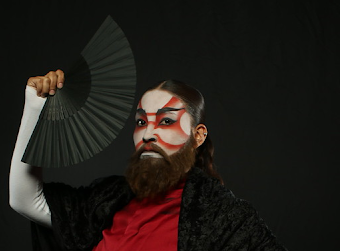
Kabuki theater makeup is a traditional Japanese style known for its bold colors, dramatic facial lines and highly expressive character designs.
Each Kumadori design has its own visual meaning, with different colors and patterns traditionally associated with heroes, villains, warriors, demons and other characters. Studying these designs provides aspiring artists with valuable insights into theatrical and special effects makeup techniques, such as color theory, facial anatomy and character development.
In this beginner’s guide, we’ll explore the history of Kabuki theater makeup, the skills needed to create these looks and the step-by-step process of applying this traditional character makeup style.
History of Kabuki Theater Makeup
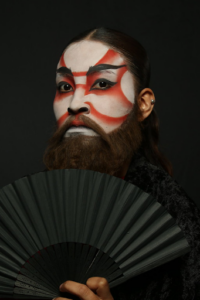
Kabuki theater originated in Japan during the early 17th century.
As performances became more elaborate, actors needed makeup that audiences could easily recognize from large theaters. This led to the development of highly stylized makeup that emphasized facial expressions instead of natural beauty.
The famous Kumadori style became popular during the Edo period, particularly for heroic and supernatural roles. Over centuries, these designs evolved into an artistic tradition passed down through generations of Kabuki performers.
Colors Used in Kabuki Theater Makeup
One of the defining characteristics of Kabuki theater makeup is its symbolic use of color. Different colors are used to communicate specific qualities and help establish the character being portrayed.
Red: Represents heroism, courage, strength, justice and passion. It is commonly worn by brave warriors and noble characters.
Blue: Symbolizes evil, fear, jealousy, revenge and cold-hearted personalities. Villains and antagonists often wear blue designs.
Brown: Associated with monsters, demons, wild spirits and animal-like characters. These designs create a powerful and intimidating appearance.
Black: Primarily used to define facial features, outline important shapes, add dramatic contrast and enhance expressions. Rather than representing a specific personality, black strengthens the overall design.
Skills Needed to Create Kabuki Theater Makeup
Creating Kabuki theater makeup requires both technical precision and artistic understanding.
Some of the most valuable SFX skills include:
- Strong brush control
- Facial anatomy knowledge
- Symmetry and proportion
- Color theory
- Character interpretation
- Theatrical makeup techniques
- Precision line work
- Visual storytelling
- Patience and attention to detail
- Understanding stage lighting
Learn Character Makeup Techniques at Cinema Makeup School
Kumadori designs represent just one style of character makeup, while Cinema Makeup School prepares students to create a wide range of characters required for TV, theatre and movie productions.
Our SFX makeup school is located in Los Angeles, California, but we welcome aspiring makeup artists from around the world who want to develop industry-focused skills. We provide student visa guidance to international students and our team helps research the best accommodation options for domestic and international students enrolling in our SFX makeup course.
Here, students learn in a professional environment. They develop skills in SFX makeup application, prosthetics, sculpting, painting techniques and character development to bring creative concepts to life.
Want to see the career growth of our students? The productions mentioned below highlight how professional training helped our alumni develop the skills needed to make their mark in the film and television industry.
- Rings of Power
- Renfield
- Lucifer
- Marco Polo
Step-By-Step Guide to Create Kabuki Theatre Makeup
Creating Kabuki theater makeup requires precision, symmetry and a clear understanding of the character being portrayed. The process focuses on building a clean base before adding the distinctive facial patterns and details associated with the chosen Kabuki style.
1. Prepare the Face
Start with a clean, moisturized face to create a smooth surface for makeup application. Remove excess oil and allow skincare products to settle before applying makeup. Proper preparation helps the makeup sit evenly and makes detailed painting easier.
2. Apply the White Base
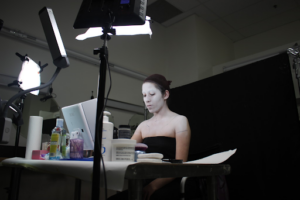
Apply a white base evenly across the face, extending it over the neck when required by the character and performance.
Keep the coverage smooth and consistent, as the white base provides the foundation for the colored designs that follow.
3. Define the Brows and Eyes
Shape and define the eyebrows & eyes according to the character.
Use dark makeup to create strong, clearly defined features that remain visible under stage lighting. Pay close attention to symmetry, as uneven lines can significantly affect the finished character.
4. Map Out the Kumadori Design
Before applying strong colors, lightly map the chosen Kumadori pattern on the face. Follow the natural contours of the forehead, cheeks, nose and eyes while maintaining balance between both sides. Some well-known Kumadori designs include Sujiguma, Ippon-guma and Nihon-guma, each featuring distinctive line arrangements and character associations.
Planning the design first makes it easier to achieve clean and consistent lines.
5. Apply the Character Colors
Fill in the Kumadori pattern using the colors appropriate for the character. Apply the pigment carefully and build the intensity gradually to maintain control over the design. The color should remain clearly defined against the white base.
6. Add Fine Details
Use a fine brush to sharpen the edges, strengthen important lines and add smaller details. Clean brushwork is essential for creating the bold visual effect associated with Kabuki makeup.
7. Complete the Look
Finish the makeup by checking the overall symmetry and making any necessary corrections. Add the appropriate hairstyle (traditional Kabuki-style hair or wig), costume and other character elements to complete the transformation.
Finally, view the look under the intended stage lighting to ensure that the design remains clear and expressive from a distance.
Related Articles:
Theatrical Makeup Artist Salary: What You Can Expect in 2026
Step-by-Step Guide to Airbrushing with Stencils
How to Create Micro-Details (Pores, Veins, Freckles) in Prosthetics
Did You Know?
MBC Academy Beauty School from South Korea visited Cinema Makeup School to attend a special effects makeup seminar and experience a hands-on demonstration.
We are not limited to local students. If you are considering enrolling in our SFX courses, we invite you to schedule a tour of our campus before taking the next step.