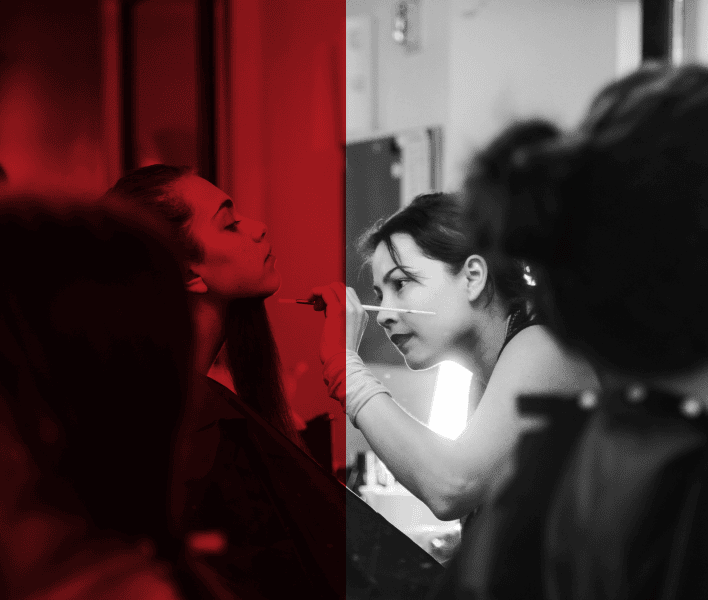
Behind every memorable creature, realistic prosthetic, or cinematic transformation are SFX makeup artists who constantly seek inspiration from the world around them. Rather than relying solely on imagination, they explore a wide range of sources to develop original designs, solve creative challenges and create characters that feel believable on screen.
Inspiration often comes from places beyond the makeup studio. Nature, anatomy, films, sculpture, photography and even everyday life can reveal new textures, shapes, color combinations and storytelling ideas that elevate your work and strengthen your portfolio.
Whether you are planning to join an SFX makeup course or looking to expand your knowledge, these 8 sources will help spark new ideas and strengthen your creative skills.
Where Can Special Effects Makeup Artists Find Inspiration?
Inspiration plays a major role in developing unique and believable SFX makeup designs. Professional artists look beyond traditional makeup references and study everything from nature and human anatomy to films, history and real-world environments. Exploring different sources helps artists understand textures, shapes, colors, storytelling elements and character details that can be transformed into original creations.
1. Study Nature to Create More Believable Creatures
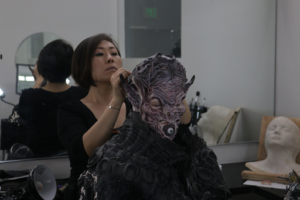
Nature is one of the greatest sources of inspiration for special effects makeup artists. Many iconic creatures seen in films and television borrow characteristics from real animals, plants, insects and geological formations.
Study:
- Reptile scales
- Amphibian skin
- Coral formations
- Tree bark
- Insects
- Deep-sea creatures
- Animal horns and antlers
- Bird feathers
Instead of copying a single species, combine features from multiple animals to create original designs. This approach helps you develop creatures that feel both imaginative and biologically believable.
2. Watch YouTube Tutorials to Expand Your SFX Skills
YouTube is an excellent resource for discovering new SFX makeup techniques, tools and creative workflows. Many professional artists share tutorials covering sculpting, mold making, prosthetic application, painting, lifecasting, creature design and material selection. Watching experienced artists work allows you to understand not only the final result but also the step-by-step process behind it.
Pause videos, take notes and experiment with the techniques you learn to develop your own skills and creative style.
3. Classic Horror and Fantasy Films
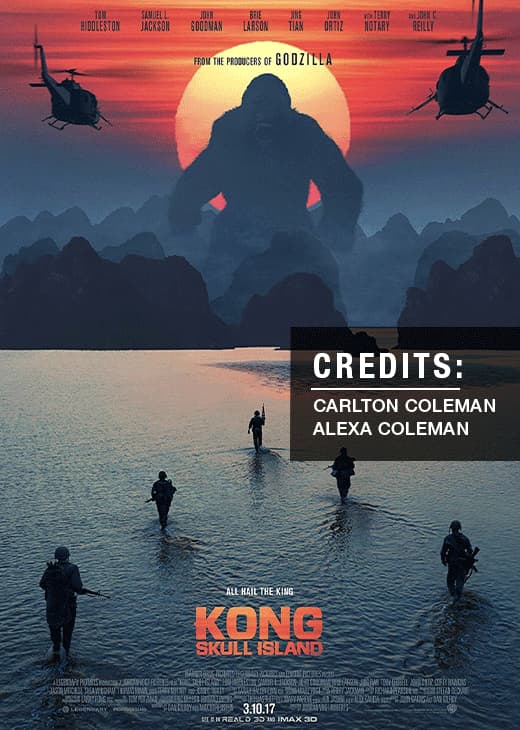
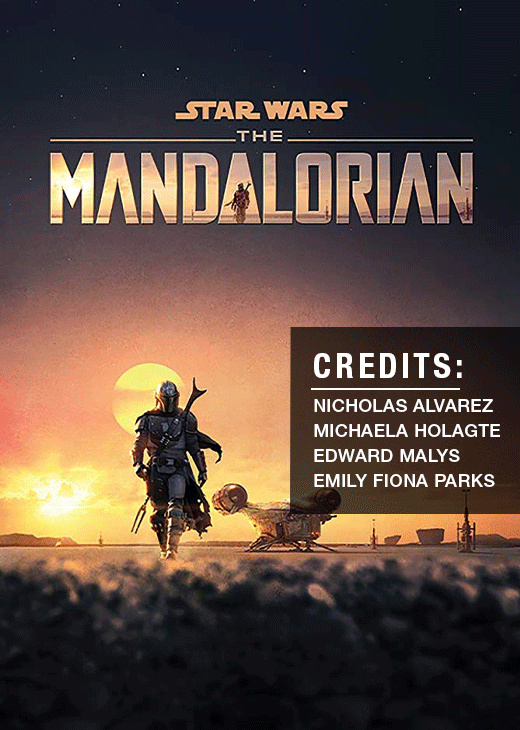
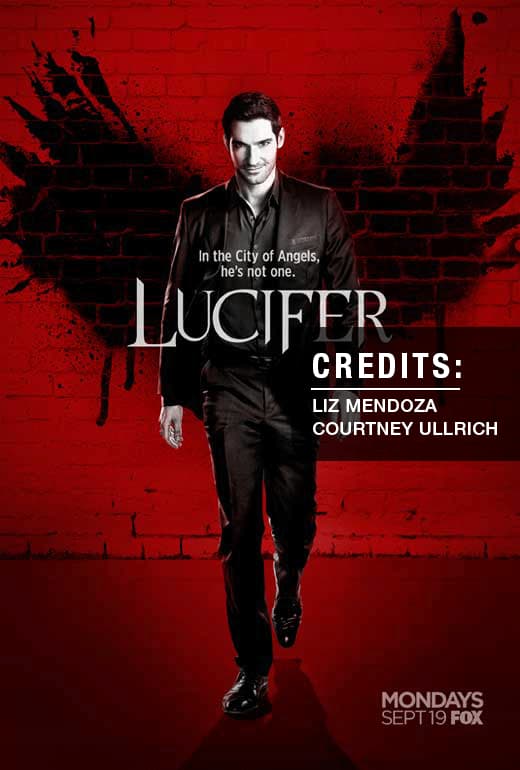
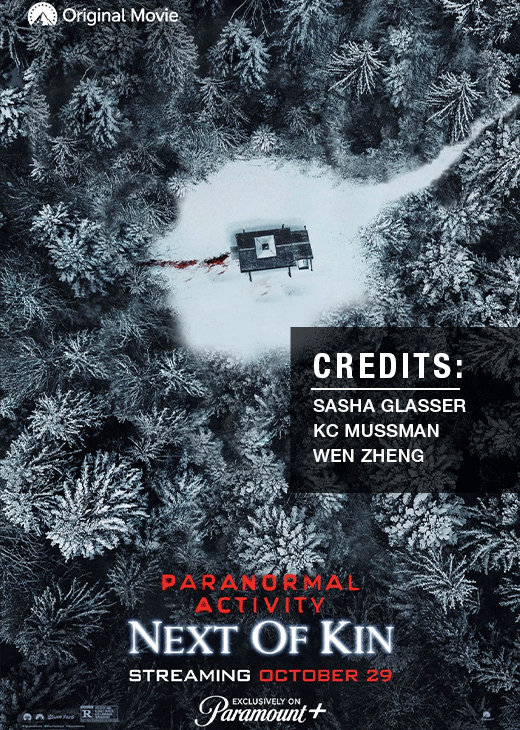
Horror, fantasy and science fiction productions are among the best sources of inspiration for aspiring SFX makeup artists. These genres showcase everything from realistic prosthetic applications and aging effects to elaborate creatures, fantasy characters and cinematic transformations. Observe how prosthetics blend with the actor’s skin, how textures & paintwork create realism and how the makeup enhances the character’s personality.
Here are a few productions worth studying:
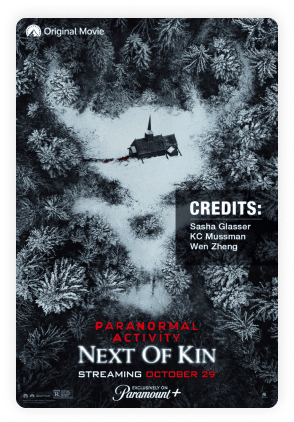
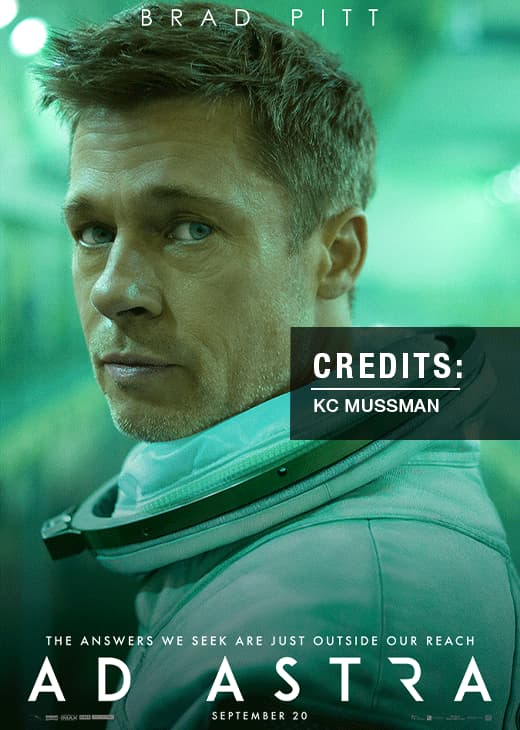
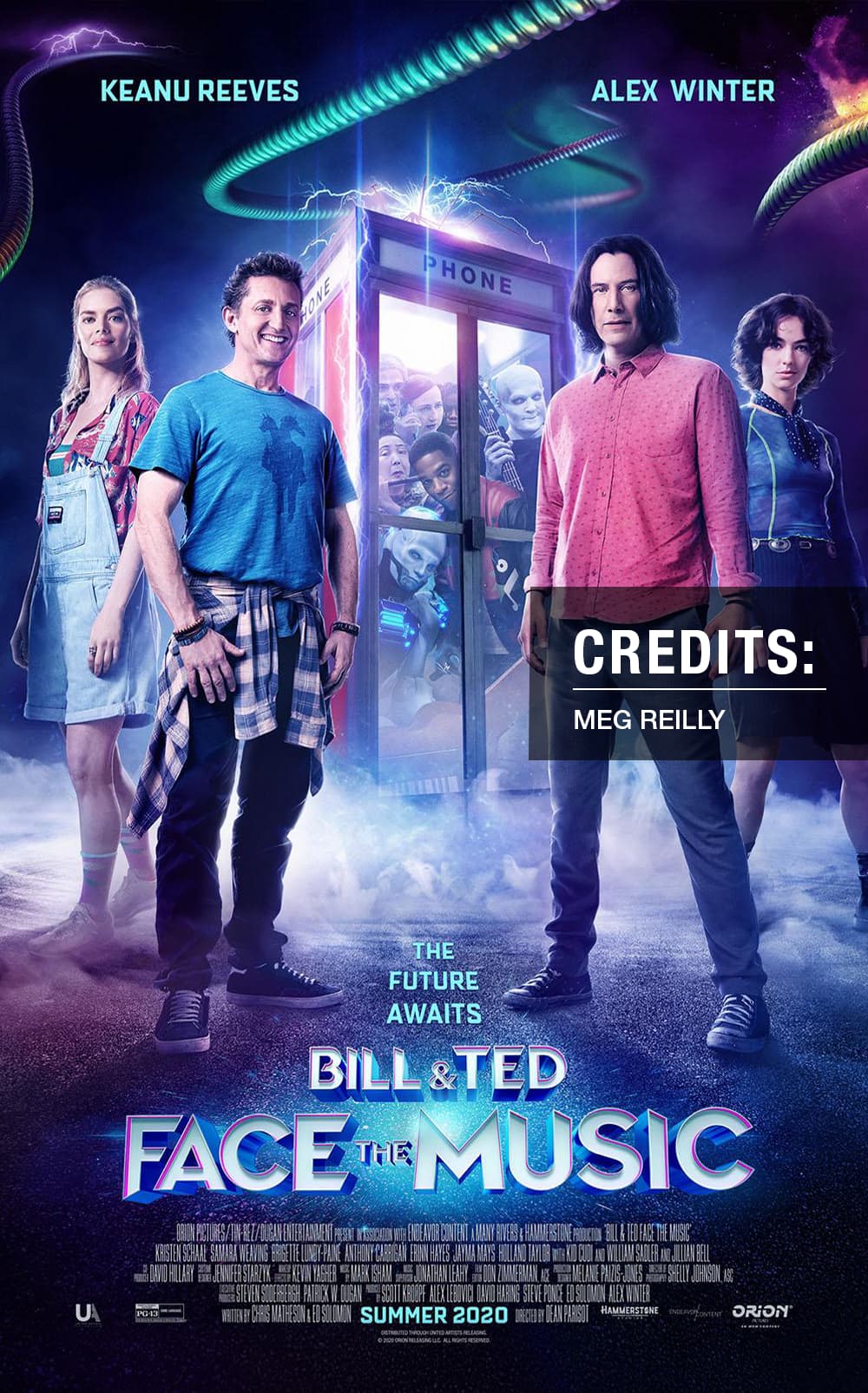
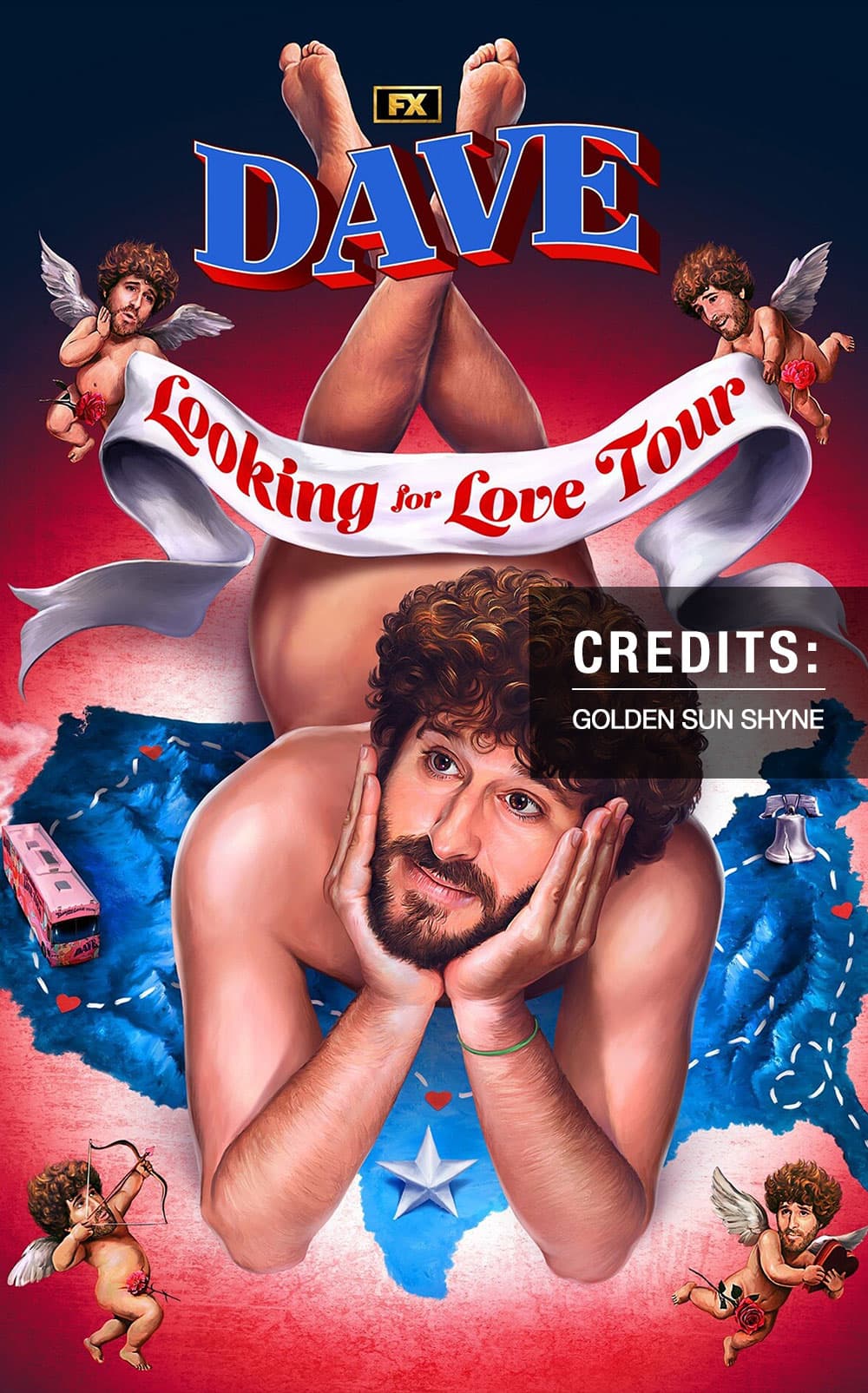
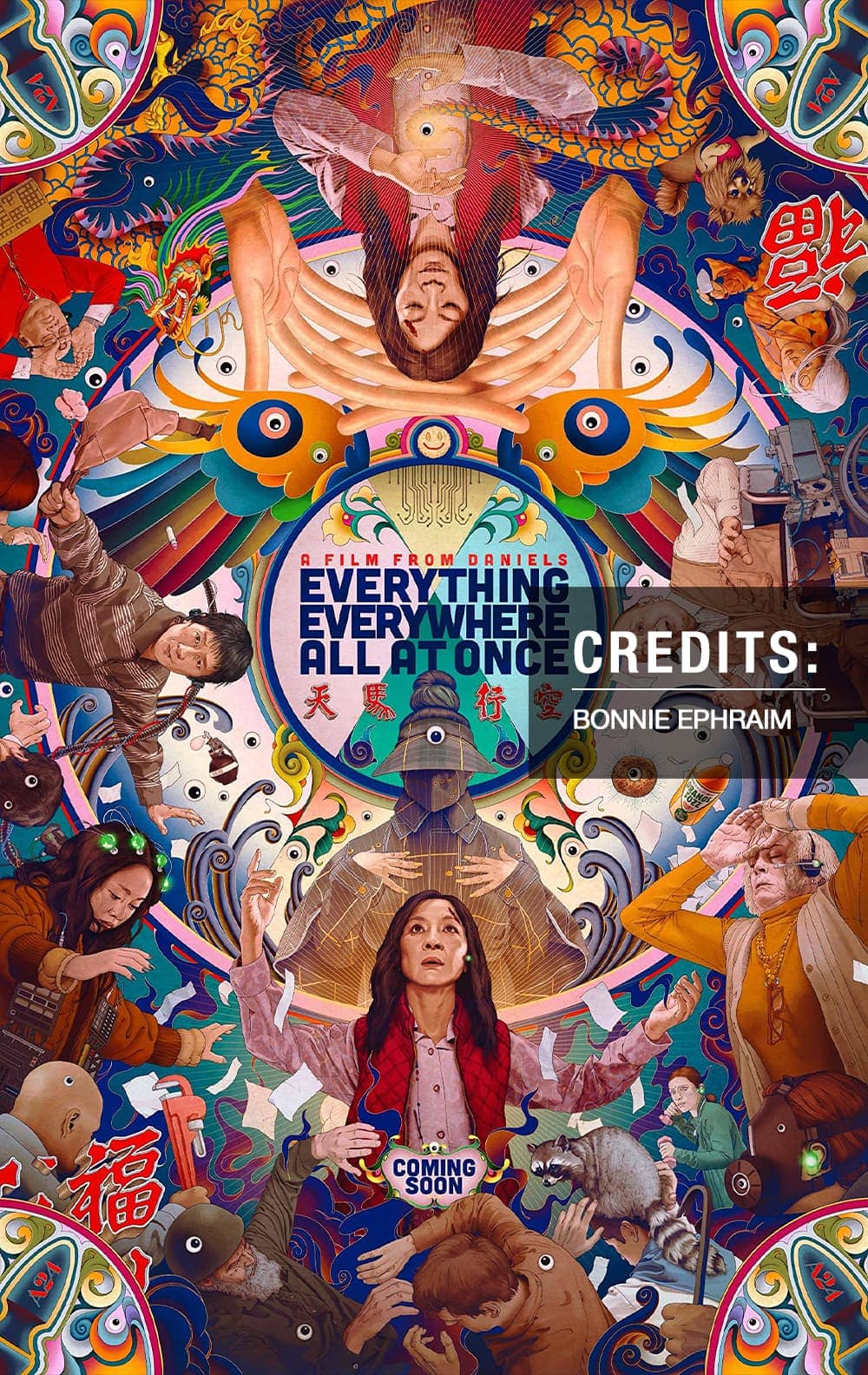
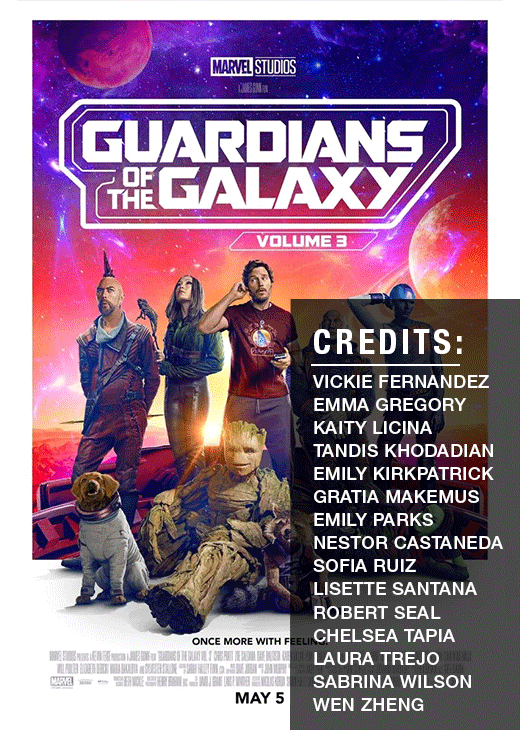
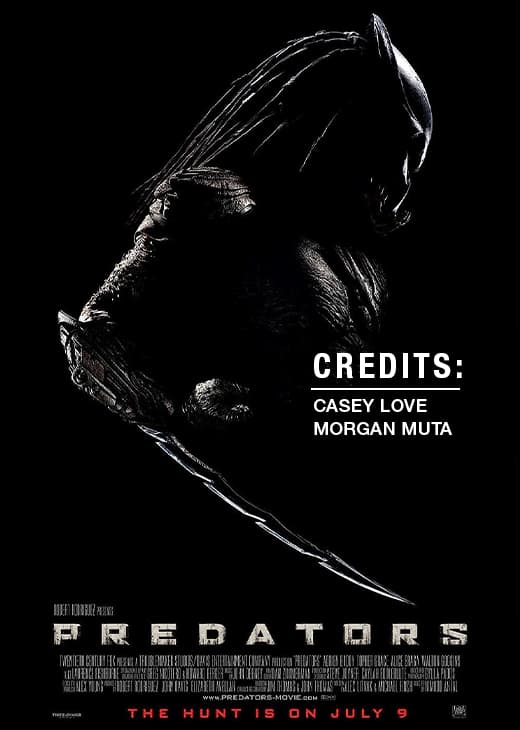
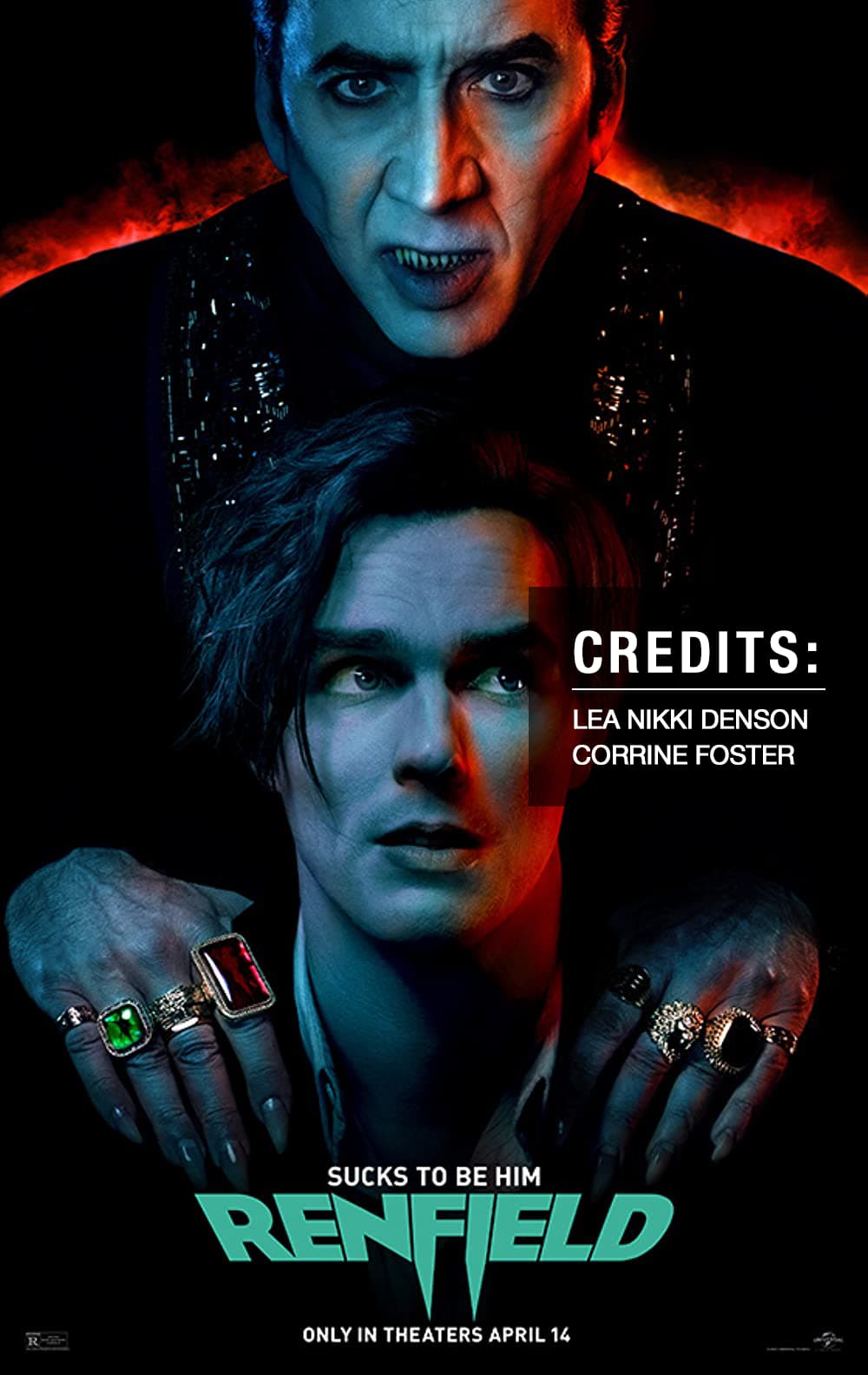
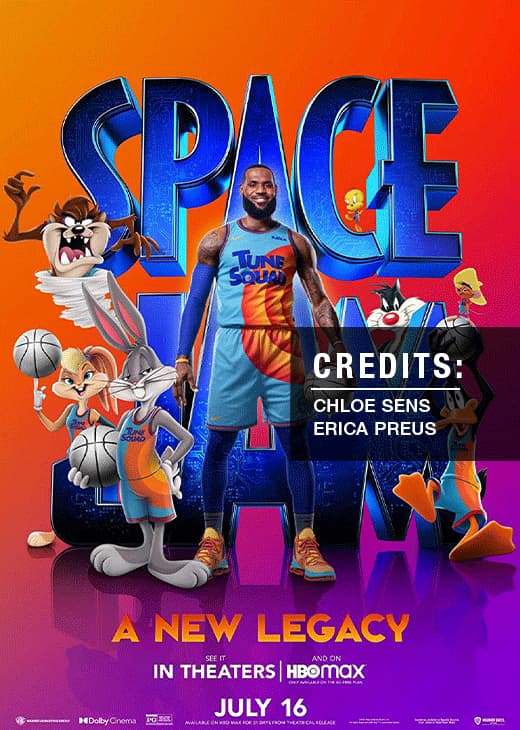
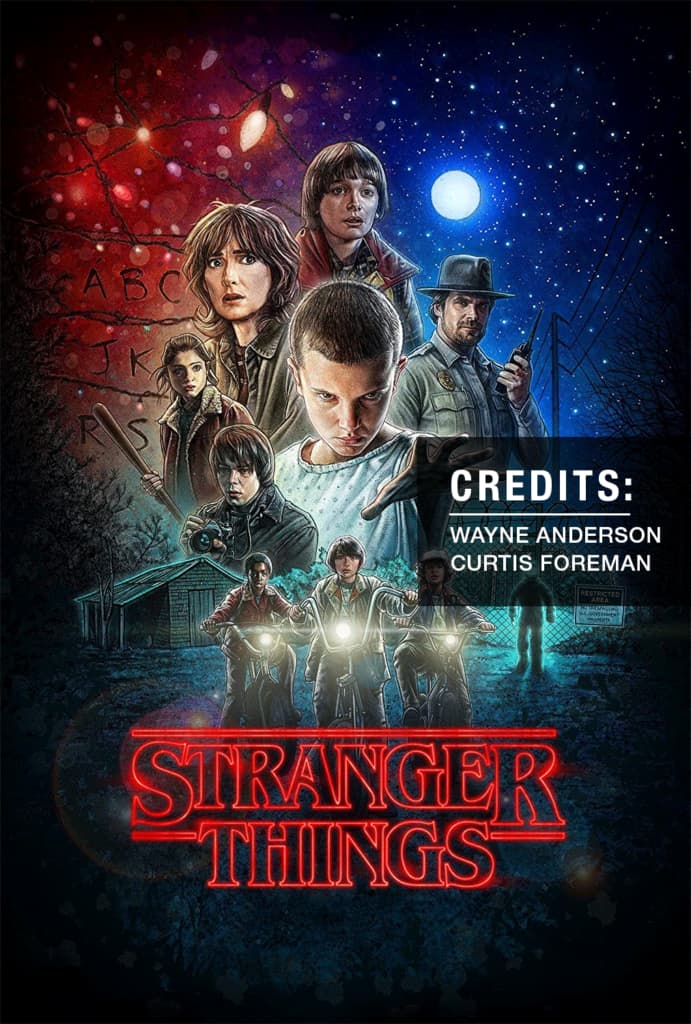
- Guardians of the Galaxy Vol. 3 – Creature makeup, alien characters and complex prosthetic transformations.
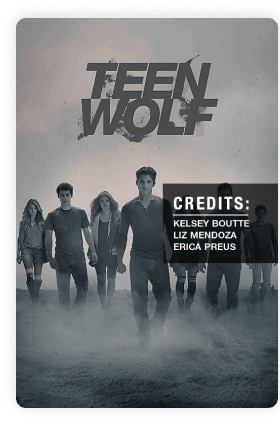
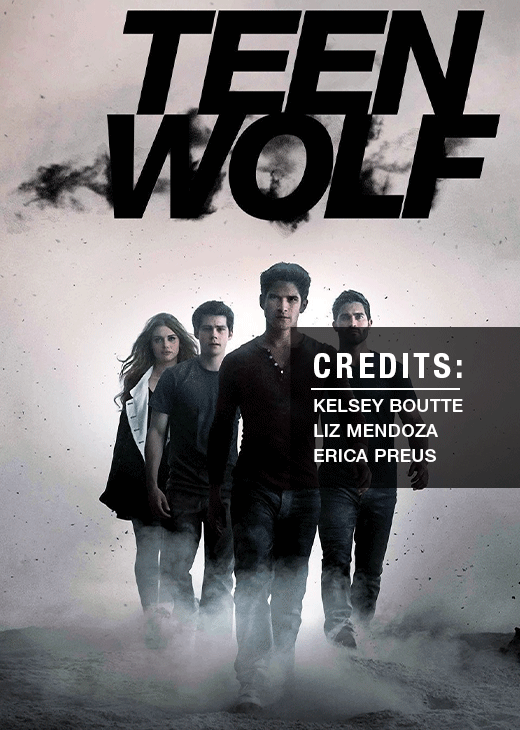
- Teen Wolf – Werewolf makeup, facial prosthetics and creature-inspired character designs.
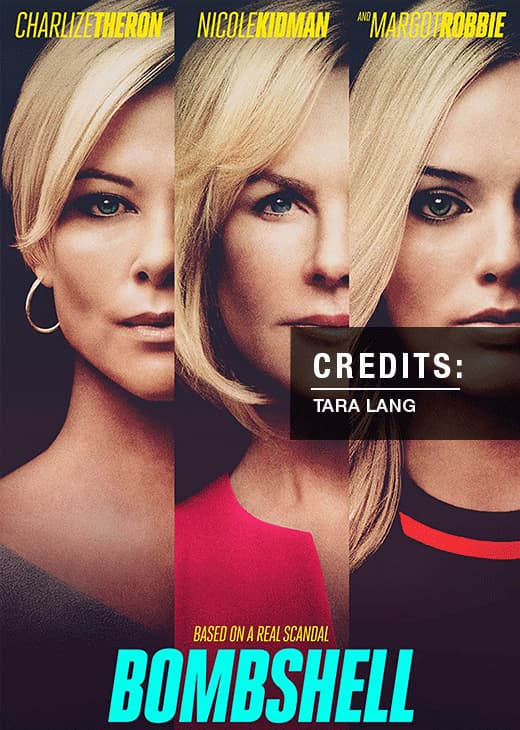
- Emancipation – Realistic aging, dirt, wounds and character makeup for dramatic storytelling.
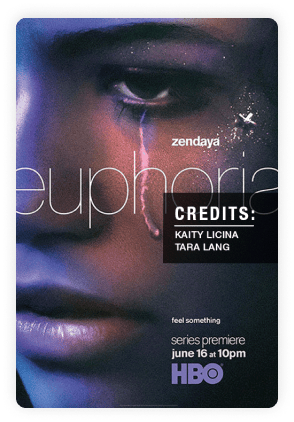
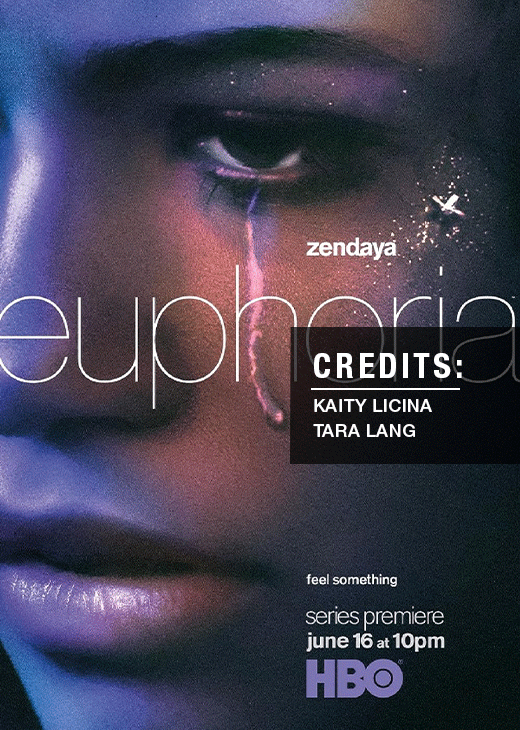
- Euphoria – Character-driven makeup designed for high-definition, close-up cinematography.
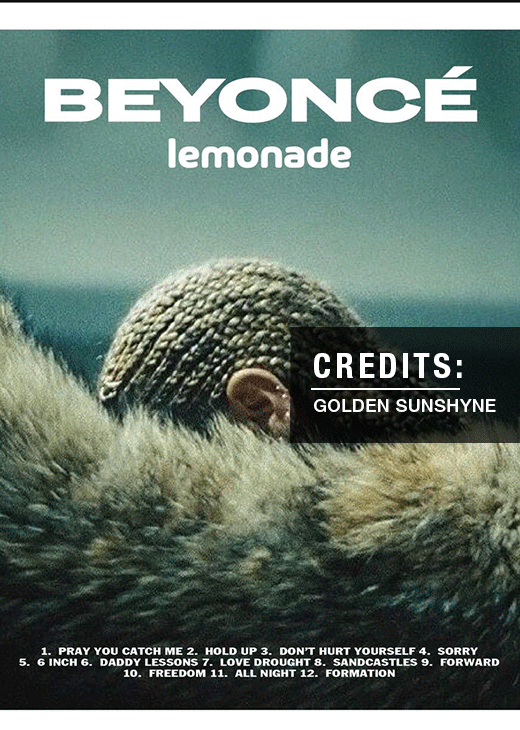
- Beyoncé: Lemonade – Creative character makeup and artistic visual storytelling through makeup.
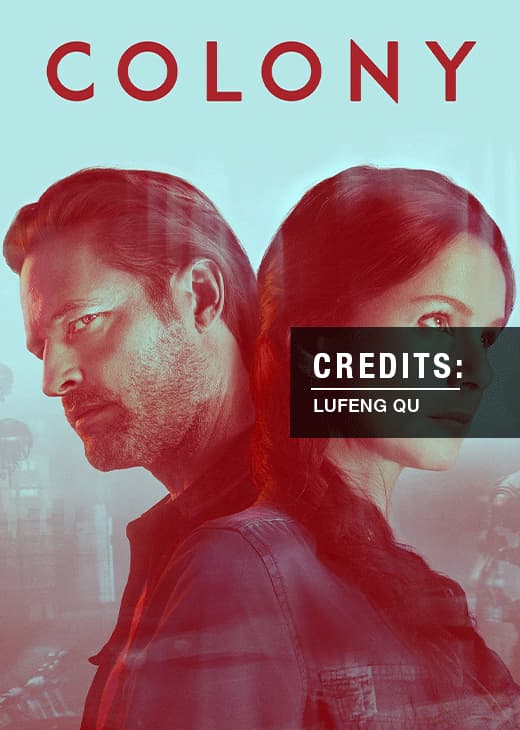
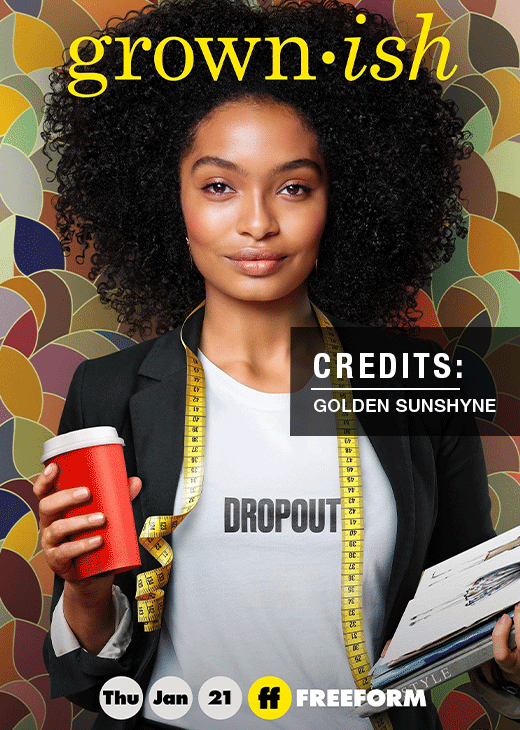
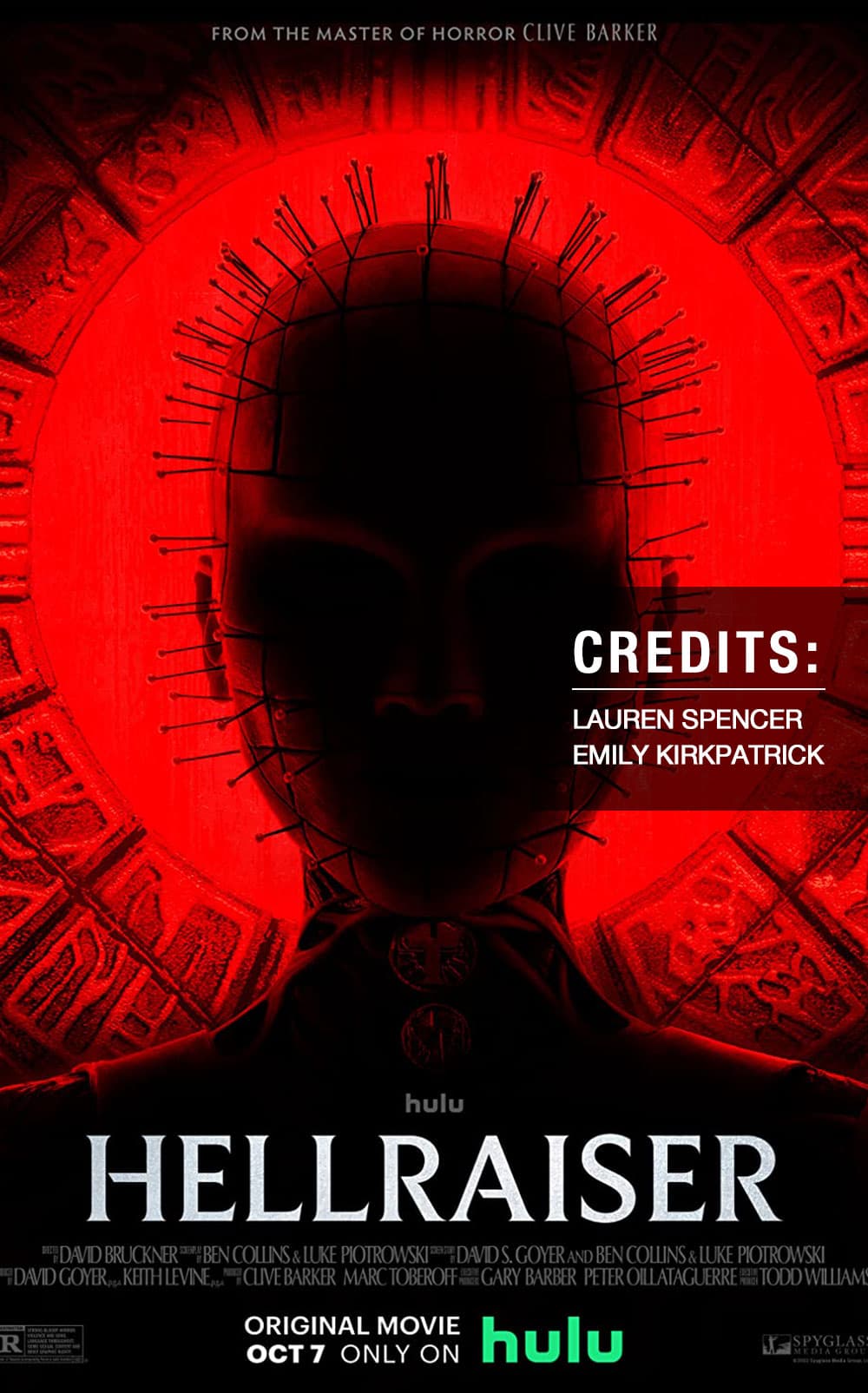
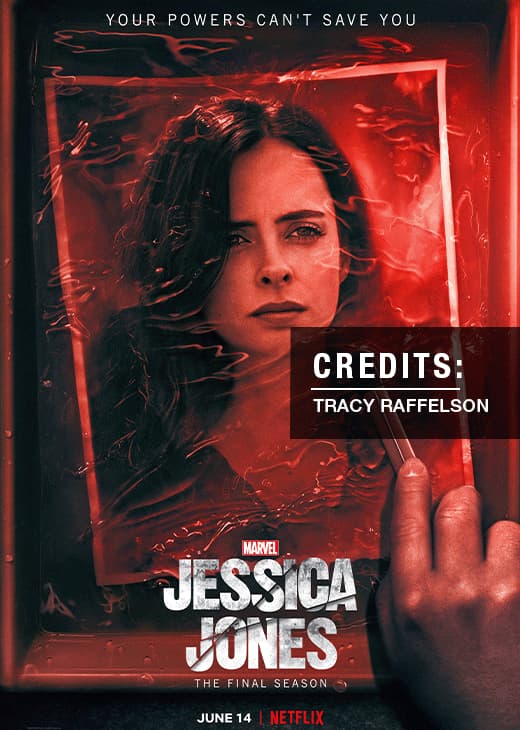
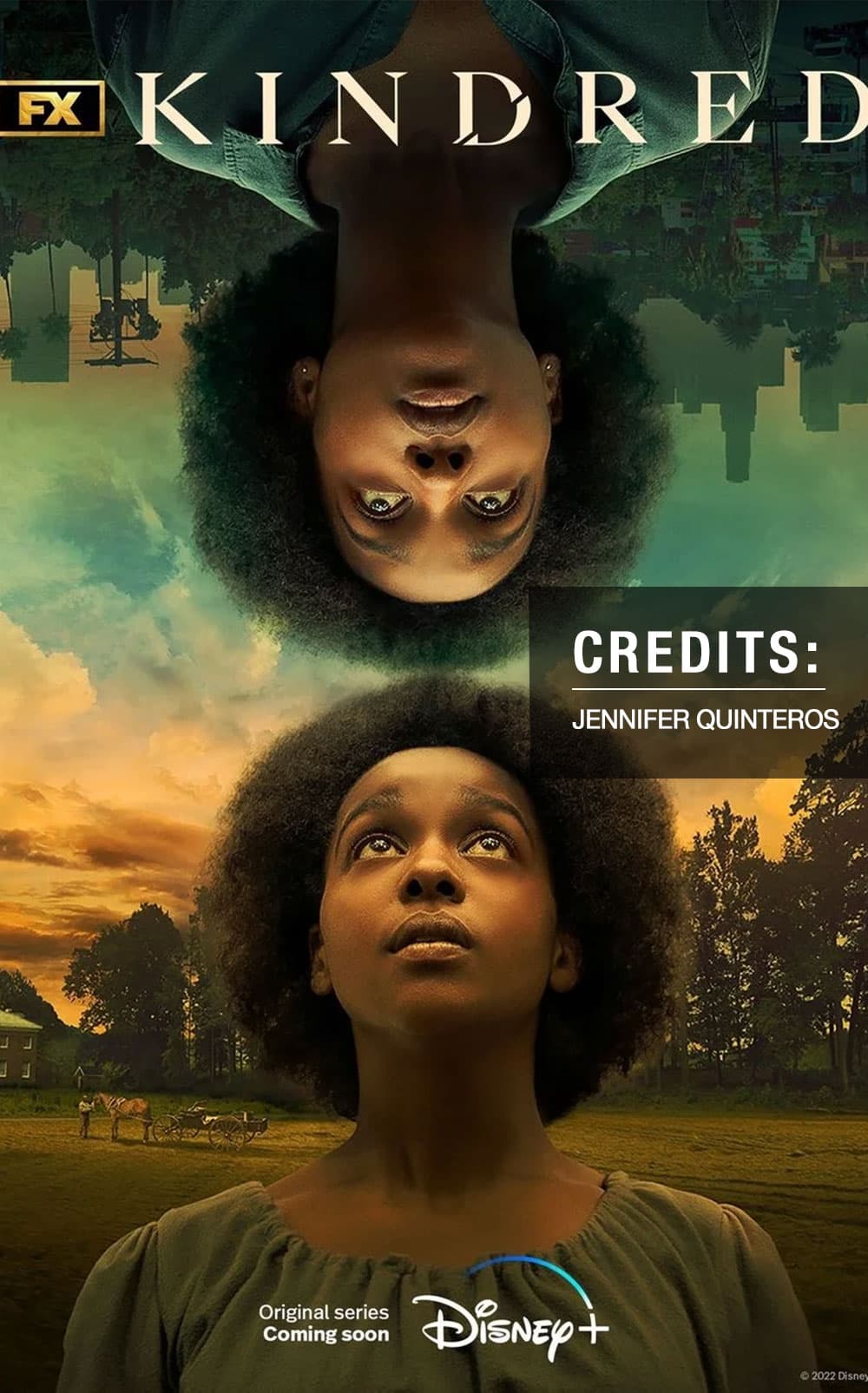
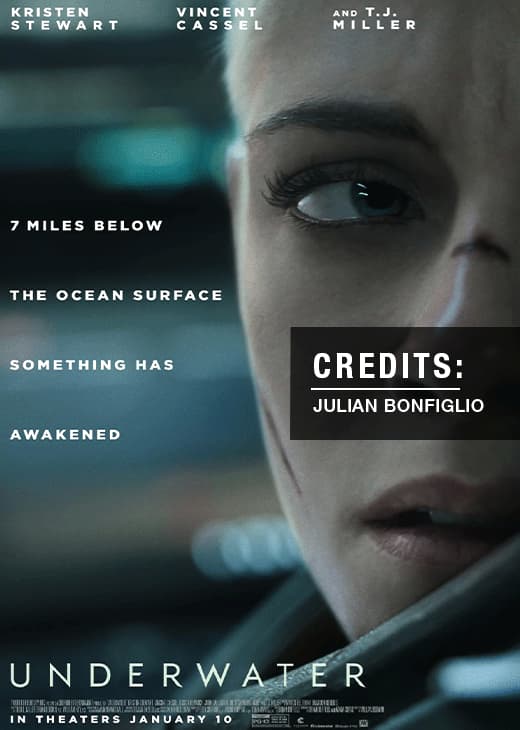
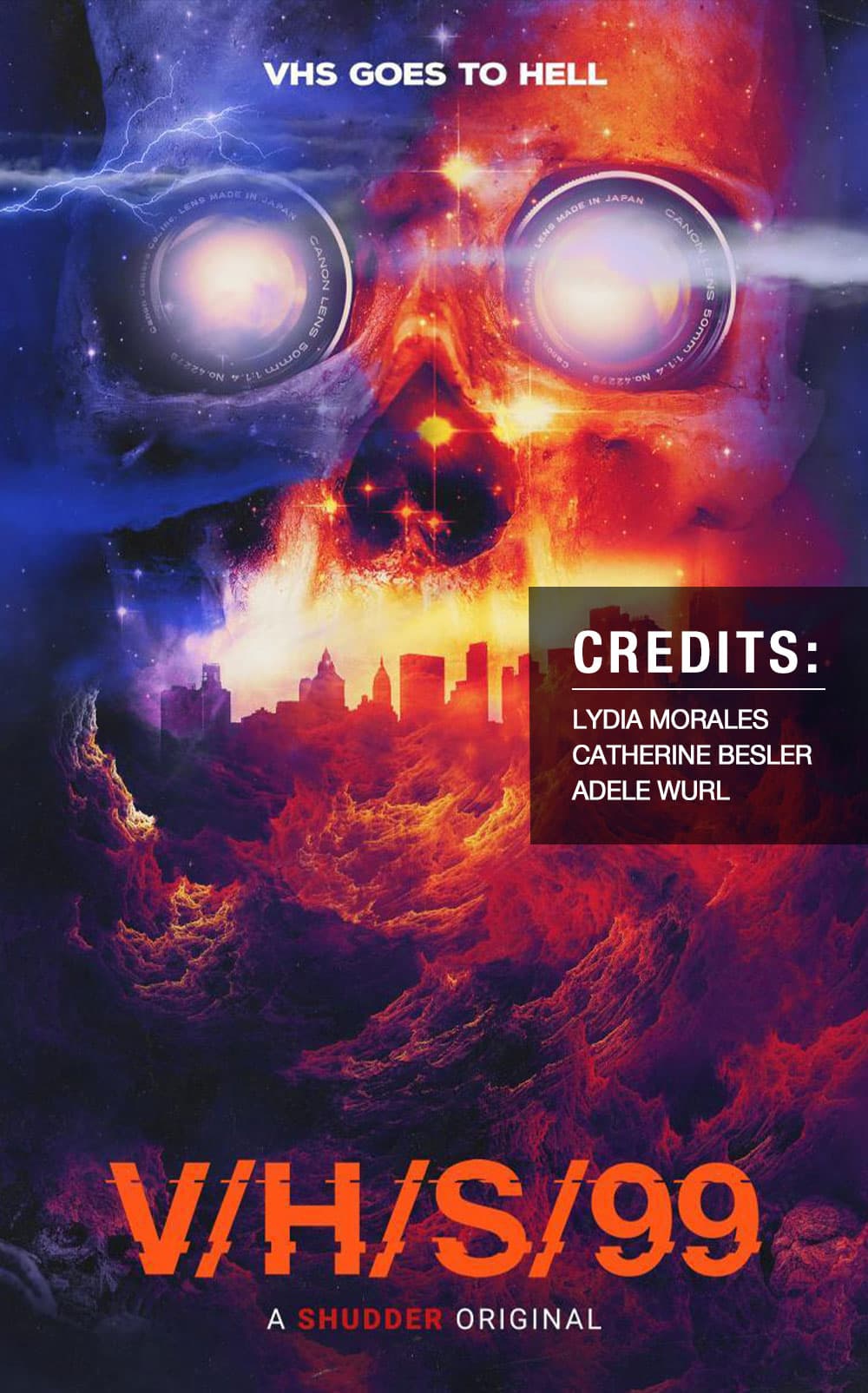
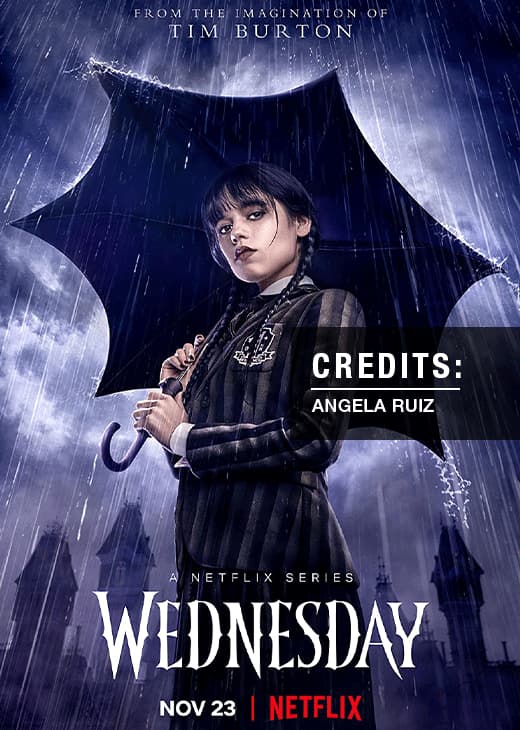
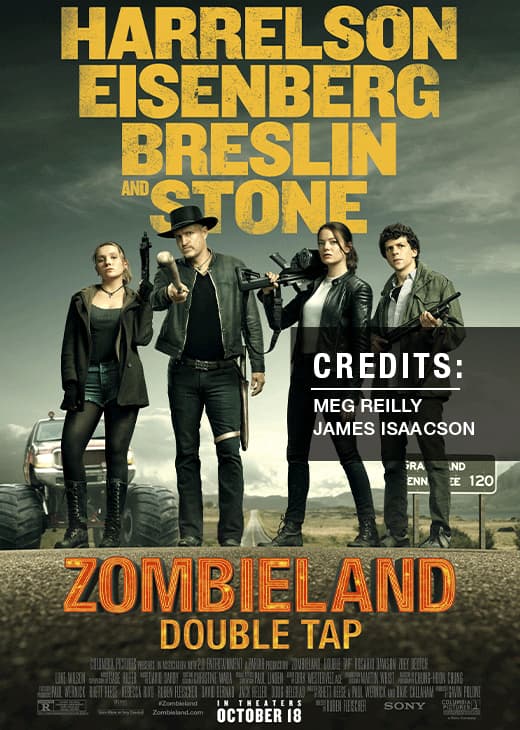
Note: Alumni of Cinema Makeup School have contributed to these productions, demonstrating the importance of hands-on professional training in preparing graduates for major productions.
4. Visit Haunted Attractions and Theme Parks to Observe Character Makeup in Action
Haunted attractions and theme parks are excellent places to find inspiration because they showcase character makeup outside of film and television.
As you explore these attractions, pay attention to how makeup artists combine prosthetics, face painting, costumes, wigs and accessories to create complete characters. Notice how they exaggerate facial features, use bold color palettes and design makeup that remains effective under different lighting conditions and from varying viewing distances.
5. Explore History, Mythology and Cultural Art for Original Character Ideas
| Source | What You Can Learn |
| Greek Mythology | Gods, monsters, Medusa-inspired creatures, satyrs, cyclopes and heroic character concepts. |
| Norse Mythology | Vikings, mythical beasts, runic symbols, rugged textures and warrior-inspired makeup. |
| Egyptian History | Animal-headed deities, ceremonial makeup, ancient costumes and symbolic color palettes. |
| Japanese Folklore | Yokai, demons, spirits, oni masks and supernatural creature designs. |
| Celtic & Medieval Legends | Dragons, knights, elves, witches and fantasy-inspired characters. |
| Indigenous Cultures | Traditional masks, ceremonial face painting, natural materials and symbolic storytelling. |
Rather than recreating historical or mythical characters exactly as they appear, study the visual elements behind them.
6. Read Human Anatomy Books to Create More Realistic Characters
Understanding human anatomy is essential for creating believable characters. Whether you’re sculpting prosthetics, designing creatures, or creating aging and injury effects, knowing how muscles, bones, skin and facial features work together helps your characters look more natural and convincing.
Human anatomy books allow you to study these features in more detail than photographs alone. Some anatomy books worth exploring include:
- Understanding the Human Figure
- Anatomy of Facial Expression
- Arm and Hand in Motion
- Form of the Head and Neck
As you study these references, don’t try to memorize every anatomical detail. Instead, focus on understanding how the human body is constructed and how it changes with movement and expression.
7. Follow SFX Makeup Competitions to Learn Under Pressure
Attending special effects makeup competitions allows you to observe not only the final result but also the creative process behind it.
Pay attention to how participants plan their designs, manage their time, solve unexpected challenges and make quick artistic decisions while working under strict deadlines. You’ll also see how they prioritize different stages of the SFX makeup process, from prosthetic application and painting to blending and final detailing.
Beyond learning new techniques, these competitions can inspire fresh ideas while encouraging you to challenge your own creativity.
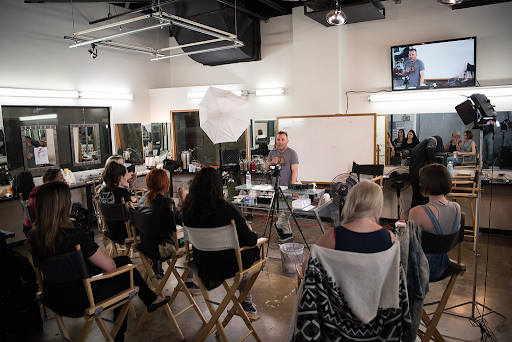
8. Attend SFX Makeup Seminars and Live Demonstrations
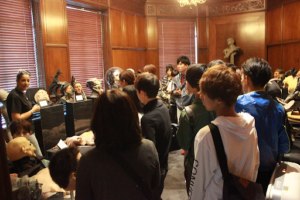
SFX makeup seminars and workshops allow you to learn directly from experienced artists who have worked on films, television, theater and other entertainment productions.
One of the biggest advantages of attending these events is the opportunity to ask questions and receive practical answers from industry professionals. Whether you’re curious about materials, workflows, portfolio building, or working on set, learning directly from experienced artists can provide insights that are difficult to find in books or online resources.
Related Articles:
How to Make a Face Cast That Fits Perfectly for Prosthetic Makeup
Character Makeup Skills You Need to Start a Career in SFX
Career Options for Special Effects Makeup Artists
How Can Professional SFX Makeup Training Strengthen Your Skills?
Finding inspiration is only the first step in becoming a successful SFX makeup artist. Turning creative ideas into realistic prosthetics, creatures and character makeup requires hands-on practice, technical knowledge and guidance from experienced professionals and that’s exactly what Cinema Makeup School is known for.
Here, students learn from experienced instructors who have worked on feature films, television productions, commercials and other entertainment projects. Through hands-on SFX makeup training and personalized feedback, students develop the technical abilities and creative confidence needed to transform inspiration into production-ready work.
Apply now to join our SFX makeup courses, or if you want to learn more about our special effects makeup school first, you can book a campus tour, either in person or virtually.