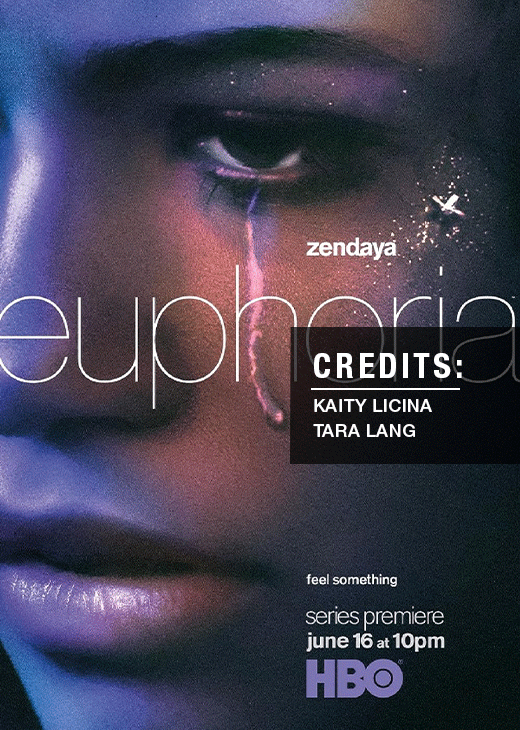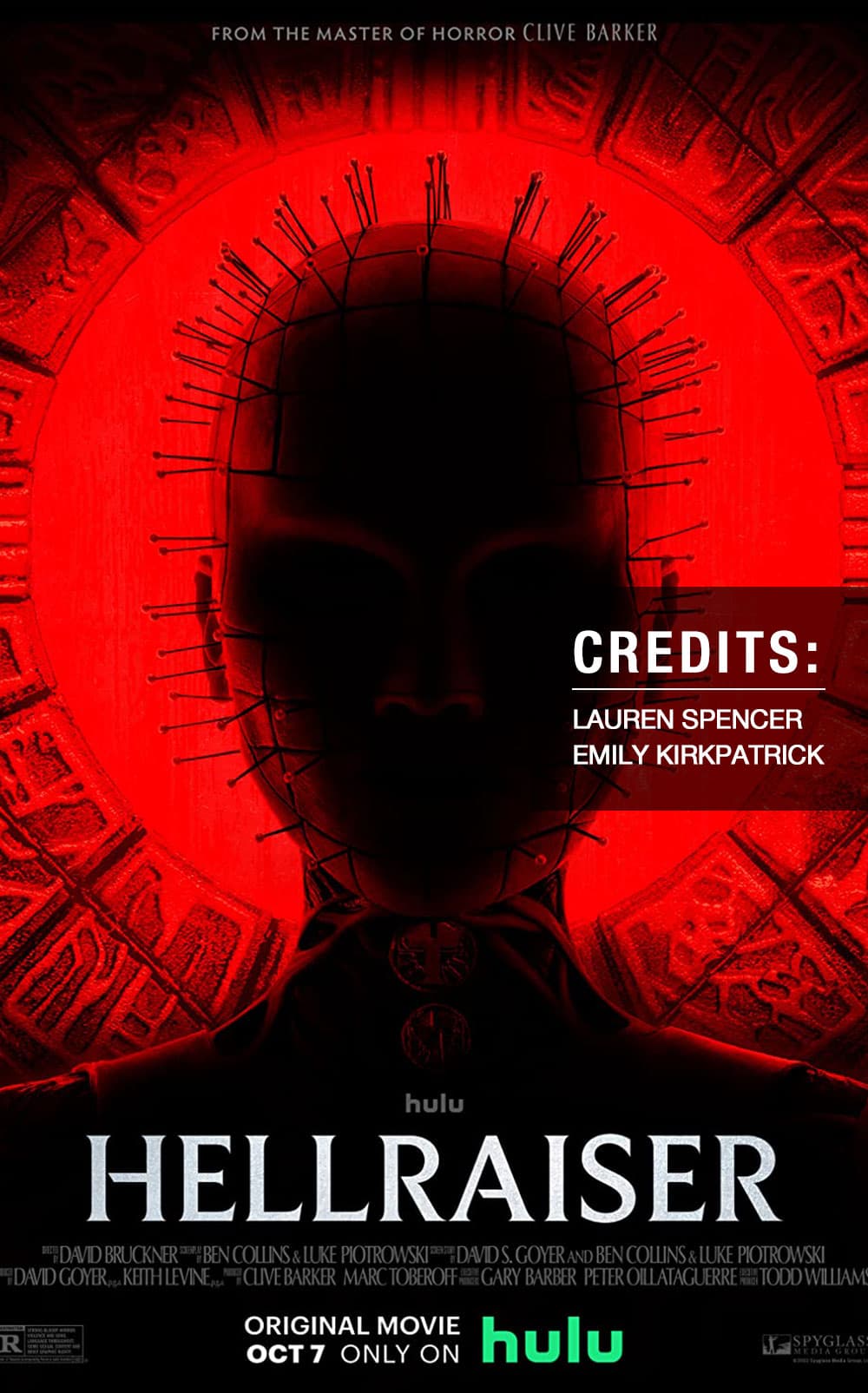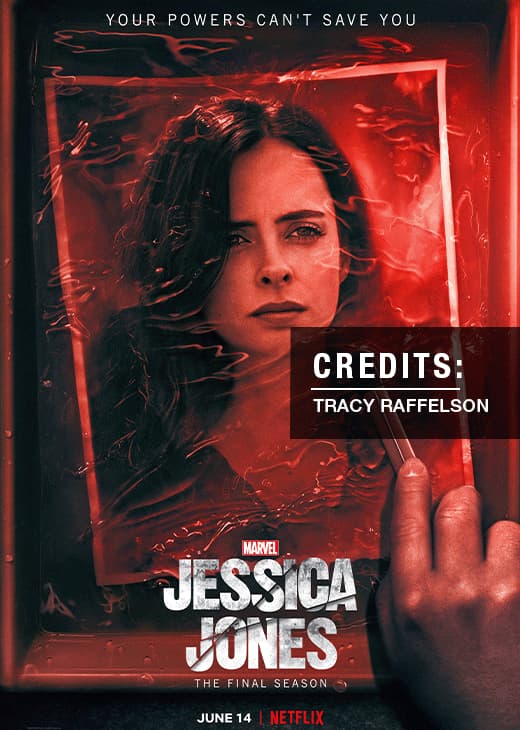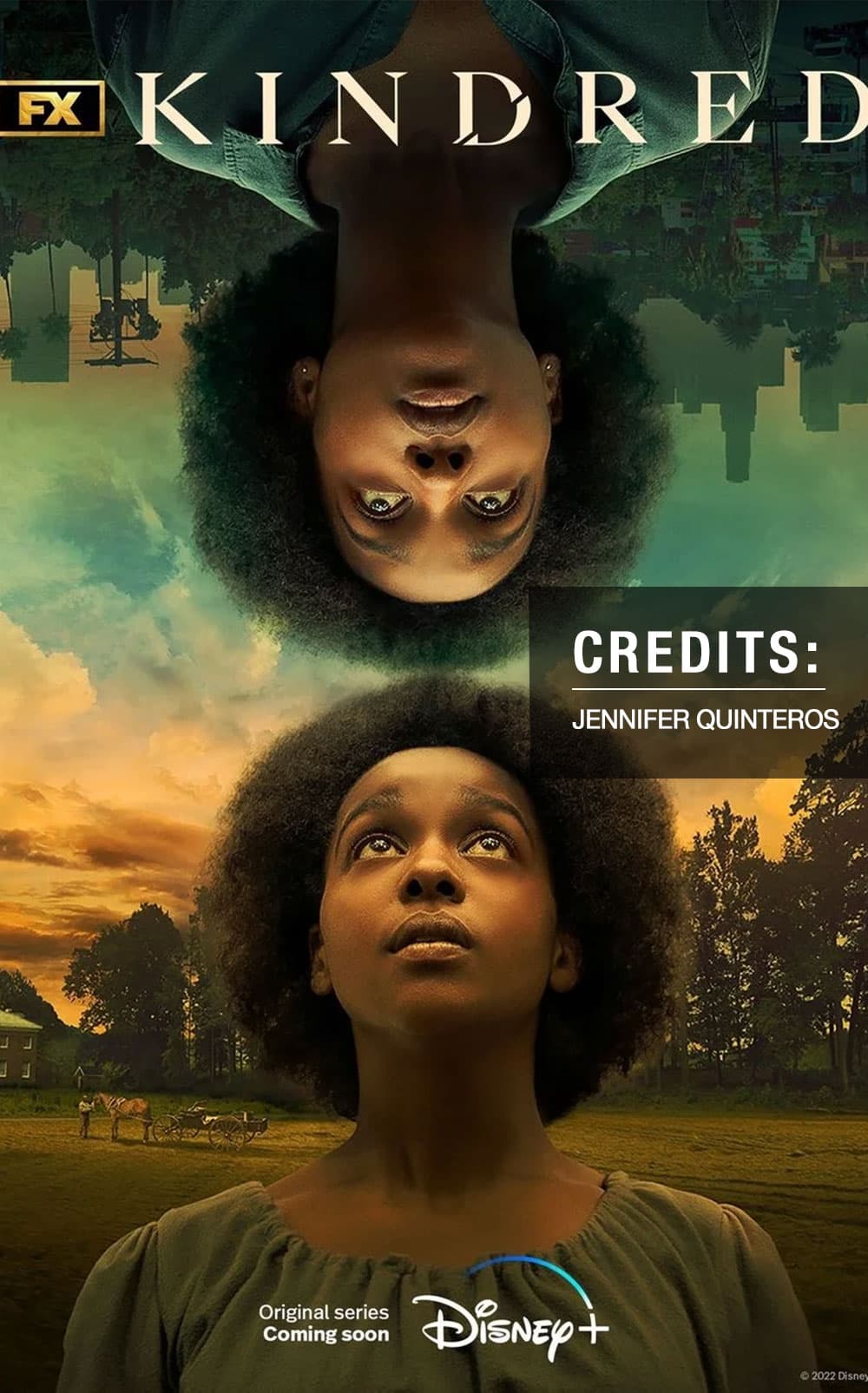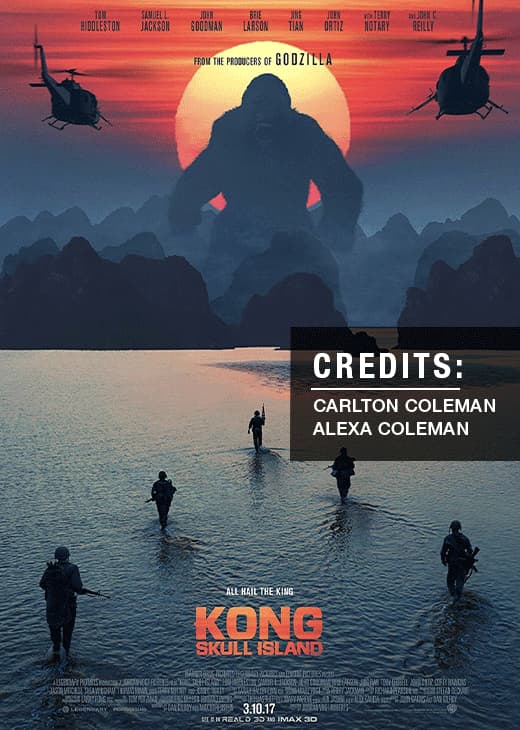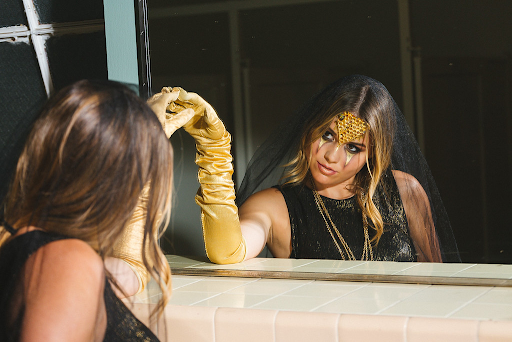
Avant-garde makeup allows artists to go beyond beauty and realism. It focuses on bold ideas, unusual shapes and dramatic textures that turn the face into a piece of art. These makeup looks are created using special effects makeup techniques.
Many artists find this style difficult because there are no fixed rules to follow. Knowing what products to use, how to build texture, or how far to push a design can feel confusing at first.
But with the right techniques, it becomes much easier. Let’s explore how you can create strong and creative avant-garde makeup looks.
What Is Avant-Garde Makeup?
Avant-garde makeup is a creative style of makeup that focuses on ideas rather than beauty standards. Instead of enhancing natural features, it uses bold shapes, unusual colors and strong textures to express a concept or mood.
These makeup looks are often seen in:
- Fashion editorials
- Runway shows
- Concept shoots
- Artistic projects
Unlike traditional makeup, avant-garde makeup does not follow fixed rules. Each look is created with intention, using SFX makeup as a form of visual art rather than everyday beauty.
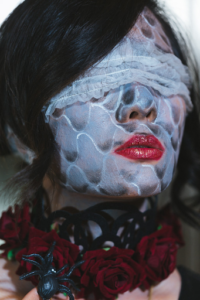
How to Create Avant-Garde Makeup Looks?
Creating avant-garde makeup looks is a combination of creativity, planning and technique. By focusing on a clear idea, planning your design, preparing the skin and carefully applying shapes, colors and textures, you can create bold and visually striking designs. The steps below will guide you through the process.
Step 1: Start With One Clear Idea
Avant-garde makeup always starts with one clear idea. This helps you plan the makeup properly and avoid changing the design halfway through. First, decide what the surface of the makeup should look like. Do you want it smooth, rough, layered, cracked, or raised? This choice affects the products and methods you will use.
Choose one main area of the face to focus on, such as the eyes, brows, cheeks, or forehead. Keeping one focus area helps the makeup look controlled and well planned.
Step 2: Plan the Design Before Applying Makeup
Planning saves time and improves results. Before touching the face, sketch the design on a face chart or paper. This helps you decide where shapes will be placed and how far the makeup will extend.
You do not need detailed drawings. Simple lines and blocks are enough to plan structure and balance. Focus on shape placement and overall flow across the face.
This step helps avoid mistakes and allows you to adjust the design before committing to it on the skin.
Step 3: Prepare the Skin Properly
Preparing the skin is an important step for avant-garde makeup. Clean, well-prepped skin helps makeup stick better and last longer.
Decide how the skin should look based on your design. You can leave it natural, cover it completely with foundation or paint, or add texture using creams or powders. Some looks work best on a smooth base, while others look more interesting when skin texture is visible.
Always choose a skin finish that supports your design.
Step 4: Build Strong Shapes on the Face
Shapes are one of the most important parts of avant-garde makeup because they define the overall look. You don’t have to follow the natural lines of the face; you can create new shapes wherever you like.
Start by planning your shapes with a light pencil or cream product. Focus on one or two areas first, such as the eyes, lips, or cheeks. This helps you keep control and avoid overloading the face.
Decide on the type of shape you want: sharp lines for a bold effect, soft curves for a smoother look, or abstract forms for creativity. You can extend eye makeup beyond the eye socket, reshape lips into unusual forms, or even add shapes along the forehead, temples, or jawline.
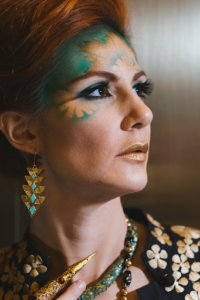
Step 5: Add Color With Purpose
Color should always support the concept, not distract from it. Avoid using too many colors at once. Choose a limited color palette and use it intentionally. High contrast colors create drama, while similar tones create a more artistic feel.
In avant-garde makeup looks, harsh edges and visible brush strokes are often part of the design, so blending is not always required.
Tip: For smooth color transitions or precise application, airbrushing is a valuable technique in avant-garde makeup. It helps create seamless gradients and professional finishes that are difficult to achieve with traditional brushes.
Step 6: Use Texture to Create Depth
Texture brings avant-garde makeup to life. Flat makeup can look unfinished, especially in creative or editorial work.
Texture can be built using thick creams, layered pigments, gloss, or other skin-safe materials. Raised areas, rough finishes, or layered effects add dimension and interest. Apply texture slowly and in thin layers to maintain control and comfort.
Step 7: Refine the Look and Clean Edges
Once the main design is complete, spend time refining the details. Clean edges, smooth transitions and controlled textures make the makeup look professional. Even messy or abstract looks need refinement. Clean up unwanted smudges and sharpen lines where needed.
Important Note: These steps can help you create avant-garde makeup looks effectively. However, mastering professional techniques is easier with expert guidance. At Cinema Makeup School, students learn special effects makeup from instructors who have worked on a range of real-world projects. This allows students to understand how professionals work while learning essential techniques.
Related Articles –
How Mannequins Help Beginners Create SFX Makeup Characters?
How to Make SFX Makeup Last Longer on Skin?
How to Work with Latex, Silicone and Prosthetics Safely?
Popular Avant-Garde Makeup Looks
- Graphic Eye Art – Bold, geometric, or extended eye designs.
- Extended Lip Art – Lips reshaped, stretched, or combined with surrounding face areas.
- Face Sculpting with Prosthetics – Using small prosthetics to change facial structure.
- Fantasy / Creature Features – Alien, faun, or hybrid character-inspired designs.
- Mixed Media Embellishments – Rhinestones, glitter, foil, or other decorative elements applied creatively.
- Textured & Layered Skin – Cracked, raised, or layered makeup effects.
- Color Blocking – Large blocks of contrasting or complementary colors.
- Metallic / Futuristic Finish – Chrome, gold, silver, or holographic effects.
If you want to learn these techniques at a well-known SFX makeup school, book a tour of our campus today and start your journey.