In special effects makeup, the quality of a prosthetic is not judged the moment it is applied. It is judged hours later under heat, sweat, studio lighting, repeated facial movement and high-definition cameras that expose every technical flaw.
A prosthetic may look flawless during application, but if the paint begins separating, the surface becomes patchy, or the edges start breaking down halfway through filming, the makeup has failed its real production test.
This is why sealing is one of the most important technical stages in prosthetic makeup. In this blog, we will break down the professional sealing techniques used to improve prosthetic durability, surface stability and long-wear performance in SFX makeup.
What Is Sealing in Prosthetic Makeup?
In SFX makeup, sealing is not simply about “locking makeup in place.” It is a controlled process that stabilizes the appliance surface, protects paint systems, regulates texture and helps the prosthetic survive demanding filming conditions. Proper sealing determines whether the makeup remains camera-ready after hours on set or starts deteriorating after the first few takes.
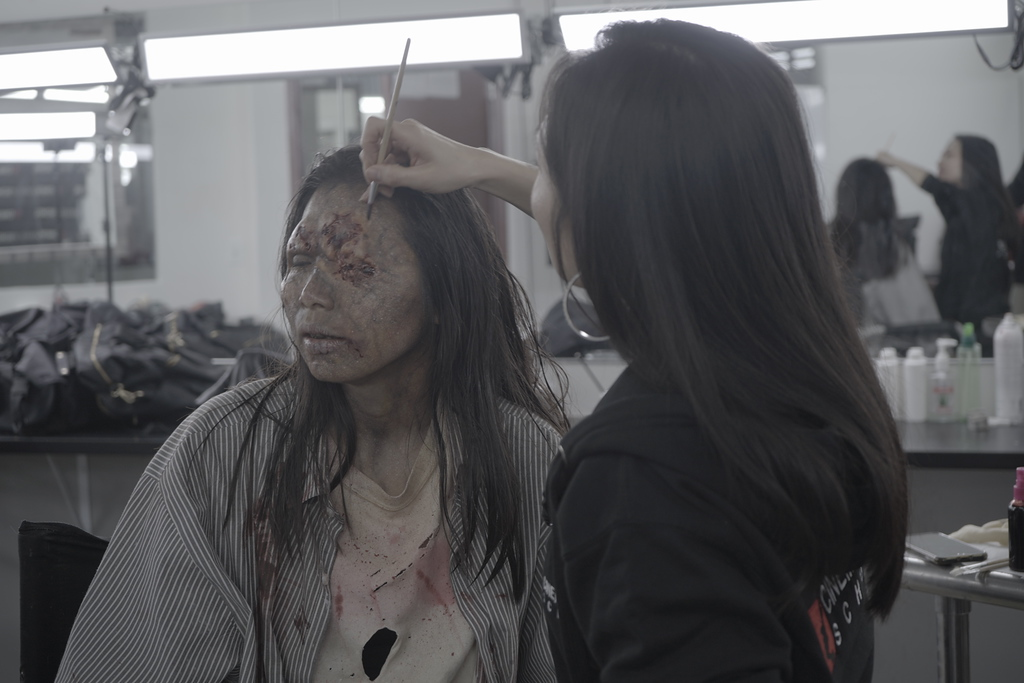
Prosthetic makeup is exposed to constant stress during filming. Actors sweat under studio lights, facial appliances move continuously during performance and prosthetic materials react differently under heat, humidity and long shooting hours.
Different materials used in SFX makeup also respond differently during wear. For instance, foam latex tends to absorb moisture more easily, while silicone surfaces may struggle to hold paint consistently without proper surface preparation. Over time, repeated facial movement and environmental exposure can weaken the overall makeup finish.
Sealing techniques are used to control these material reactions and help maintain the prosthetic’s texture, color consistency, flexibility and realistic appearance throughout production.
Sealing Products Guide for Different Prosthetic Materials
Different prosthetic materials respond differently to sealing products during application and filming. Factors such as surface texture, flexibility, moisture absorption, paint adhesion and material density all influence how a prosthetic should be sealed. Because of this, professional SFX artists use different sealing systems for foam latex, silicone, gelatin and encapsulated prosthetics to maintain durability, movement and a realistic on-camera appearance.
1. Foam Latex Prosthetics
Foam latex is one of the most porous materials used in prosthetic makeup, which means it absorbs paint and moisture very quickly. If the surface is not sealed properly, the makeup can appear uneven, dry, or patchy during filming.
To seal foam latex prosthetics, artists commonly use:
- Pros-Aide
- PAX paint systems
- Flexible acrylic sealers
- Barrier sprays
These products help create a controlled surface for painting while improving durability during long shooting hours. The sealer is usually applied in thin layers because excessive buildup can flatten the foam texture and make the appliance look artificial under HD cameras.
2. Silicone Prosthetics
Silicone prosthetics require specialized sealing products because silicone naturally resists many standard makeup materials. Traditional acrylic-based sealers often do not bond correctly to silicone surfaces.
Artists commonly use:
- Silicone-based paints
- Silicone sealers
- Matte silicone additives
- Silicone deadeners
These products help maintain paint adhesion while allowing the prosthetic to stretch naturally during facial movement. Proper sealing also helps reduce excessive shine, which is important for achieving a realistic skin appearance under studio lighting.
Also Read Foam Latex vs Silicone: Choosing the Right Material for SFX Prosthetics
3. Gelatin Prosthetics
Gelatin appliances are sensitive to heat, sweat and humidity, so sealing is necessary to improve their stability during wear. Because gelatin is softer than many prosthetic materials, artists usually avoid heavy sealing layers that could stiffen the appliance.
Common sealing products for gelatin prosthetics include:
- Alcohol-based sealers
- Lightweight barrier sprays
- Flexible finishing sprays
- Translucent setting powders
These materials help protect the prosthetic surface while maintaining flexibility and natural movement during performance.
4. Encapsulated Silicone Prosthetics
Encapsulated silicone prosthetics are designed with extremely thin edges for seamless skin transitions, so sealing techniques must remain very controlled. Heavy products can damage the encapsulation layer or create visible texture buildup on the camera.
Artists often use:
- Alcohol-activated paint systems
- Transparent matte sealers
- Silicone-compatible finishing products
- Airbrushed sealing layers
These sealing methods help preserve the realistic translucency and fine surface detail of the prosthetic while improving durability throughout filming.
Important Things to Keep in Mind While Sealing Prosthetics
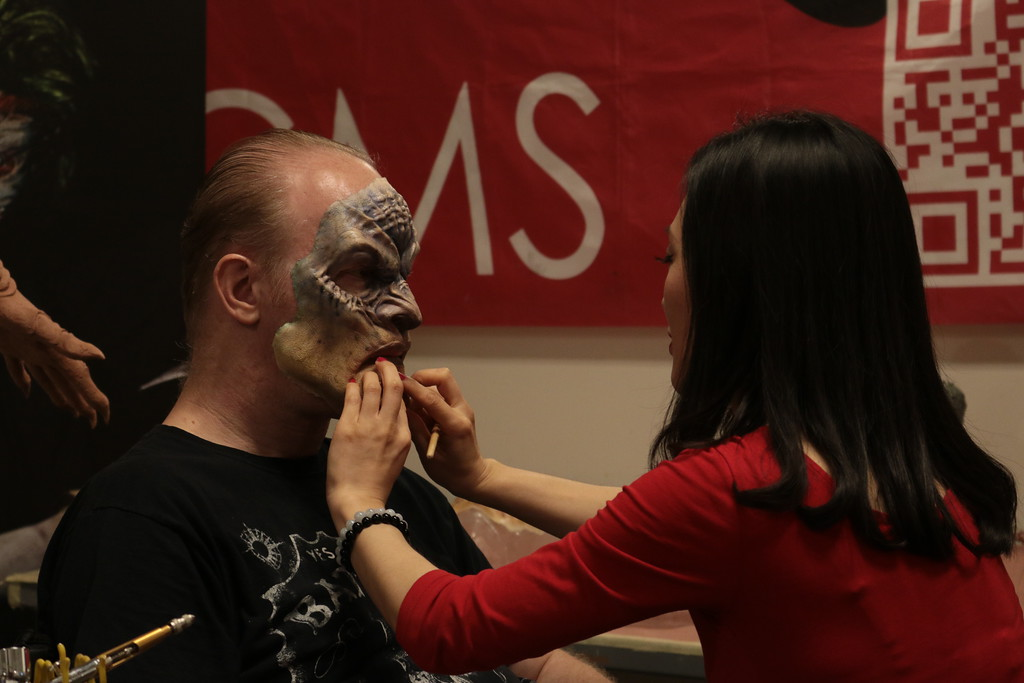
1) Avoid Over-Sealing the Appliance: Heavy sealing layers can flatten skin texture, reduce appliance flexibility and create an artificial surface appearance under studio lighting. In film and television makeup, maintaining natural translucency and surface detail is just as important as improving durability.
2) Always Match the Sealer to the Prosthetic Material: Different prosthetic materials react differently to sealing products. Foam latex, silicone, gelatin and encapsulated appliances all require compatible systems to maintain proper adhesion and flexibility. Using incompatible sealers can lead to paint separation, surface cracking, peeling, or texture distortion during filming.
3) Test the Surface Under Lighting Conditions: A prosthetic that appears realistic in normal room lighting may behave very differently under production lights. Some sealers increase unwanted shine, while others can make the surface appear too flat or dry on camera. Professional makeup artists often evaluate sealed prosthetics under strong lighting before filming begins.
4) Allow Proper Drying and Curing Time: Rushing the sealing process can weaken the overall makeup finish. If sealers or paint systems are layered before the previous layer has fully cured, the prosthetic may develop bubbling, peeling, or uneven texture during wear. Controlled drying time helps create a more stable and long-lasting surface.
5) Monitor Environmental Conditions During Filming: Heat, humidity, sweat, rain effects and long shooting hours all affect how prosthetics behave on set. Artists often adjust sealing methods depending on the filming environment to maintain paint stability and edge integrity throughout production.
Learn How to Maintain SFX Makeup in Different Weather Conditions
6) Consider Movement and Facial Performance: Prosthetic makeup must remain flexible during facial movement and repeated performance takes. Sealers that become too rigid may crack around high-movement areas such as the mouth, eyes, forehead and cheeks. Professional sealing workflows are designed to preserve both durability and natural movement.
Related Articles –
Which Adhesives Are Used in Professional SFX Makeup?
Why Your Sculpt Looks Great in Clay but Fails in Mold?
How to Choose Between Heavy and Lightweight Prosthetics in SFX Makeup?
How Professional Prosthetic Makeup Training Helps Prevent Sealing Mistakes
Proper prosthetic sealing requires far more than simply knowing which products to buy. In professional SFX makeup, artists must understand how different prosthetic materials behave during filming and how environmental conditions can affect the overall makeup performance. Without proper training, common issues such as paint separation, surface cracking, excessive shine, edge lifting and texture breakdown can quickly appear on camera.
At Cinema Makeup School, students gain hands-on experience with professional prosthetic makeup techniques used in film and television production. Through hands-on SFX makeup training, students learn how to properly apply, blend, seal, paint and maintain prosthetics for long-lasting on-camera performance.
Here, you will understand important factors such as surface chemistry, paint compatibility, appliance flexibility, sweat resistance, texture behavior and cinematography requirements involved in prosthetic makeup.
Schedule a campus tour to experience the creative environment, hands-on learning spaces and production-focused training at our special effects makeup school.
FAQs
Q 1: Why do prosthetic edges sometimes lift even after sealing?
Edge lifting can happen for several reasons, including poor skin preparation, incompatible adhesives, excessive facial movement, sweat buildup, or incorrect sealing methods. In many cases, the issue is not the sealer but how the entire prosthetic application was prepared and maintained during wear.
Q 2: Is sealing required for every type of prosthetic makeup?
Most prosthetic applications require sealing or surface finishing techniques to improve paint stability, durability and overall makeup performance during filming. However, the sealing process varies depending on the material being used.
Q 3: Why is prosthetic sealing important in high-definition filmmaking?
High-definition cameras capture extremely fine details, including texture inconsistencies, paint cracking, edge separation and uneven surface shine. Proper sealing helps maintain a more stable and realistic makeup finish, allowing prosthetics to appear natural under close-up filming and strong production lighting.