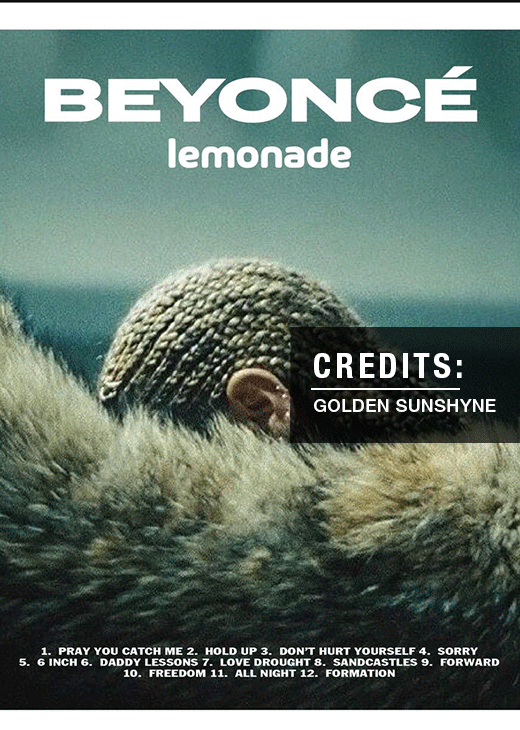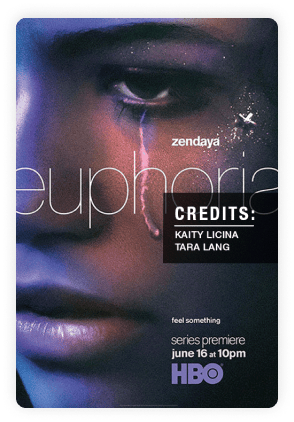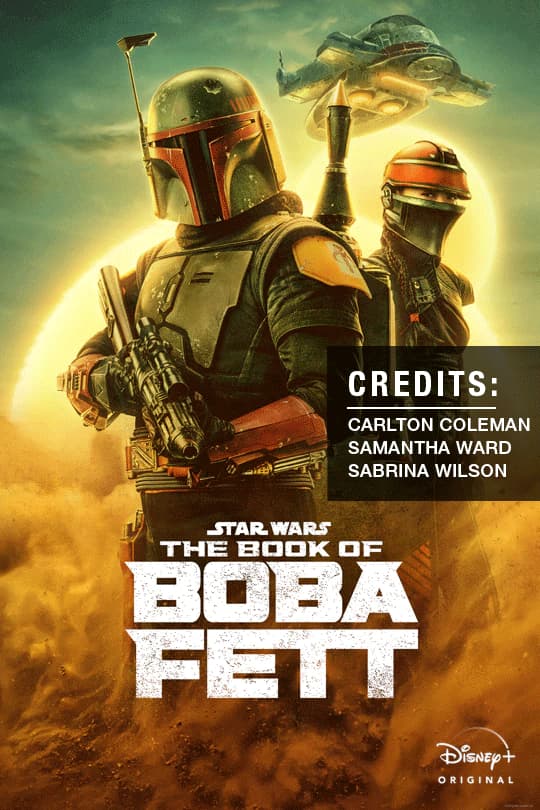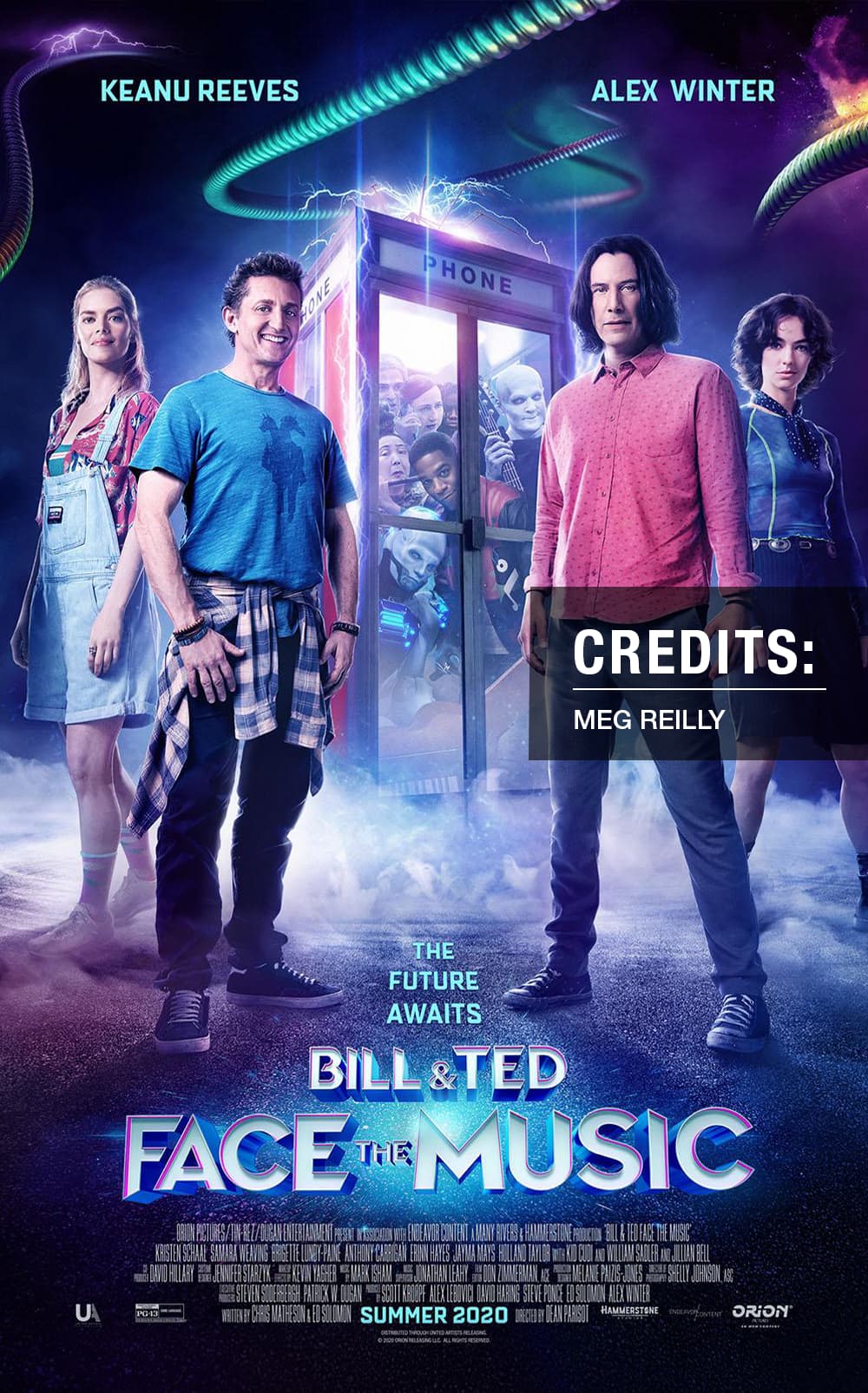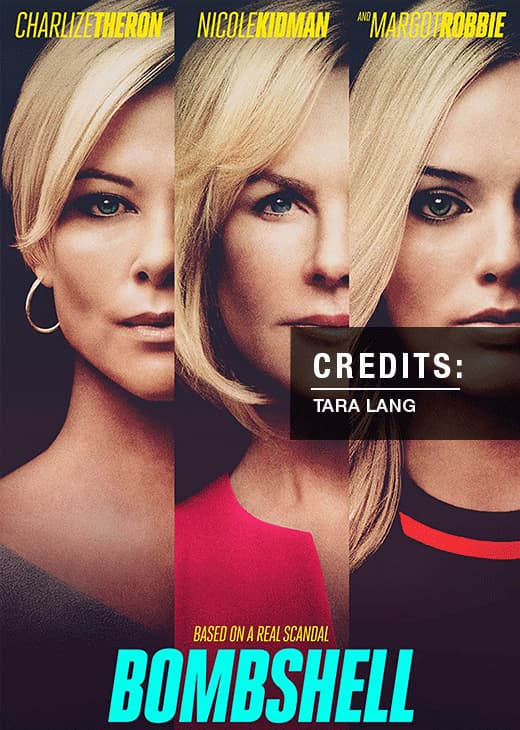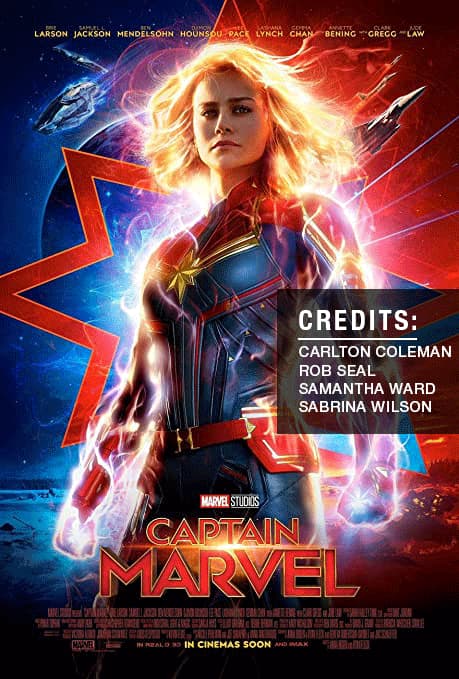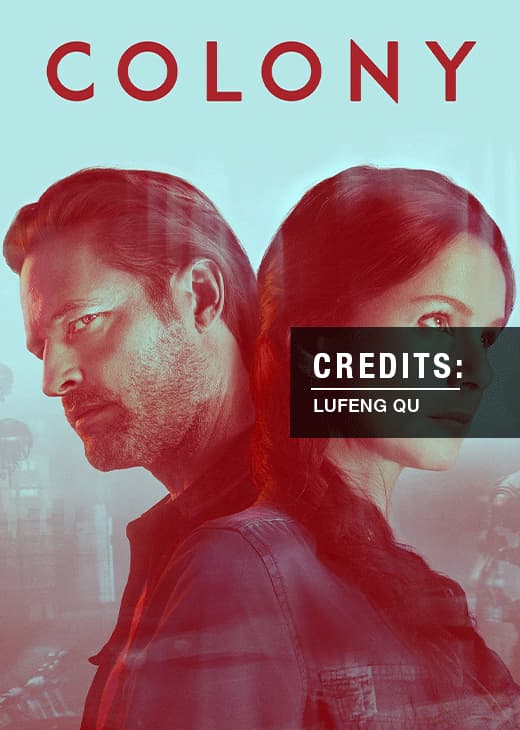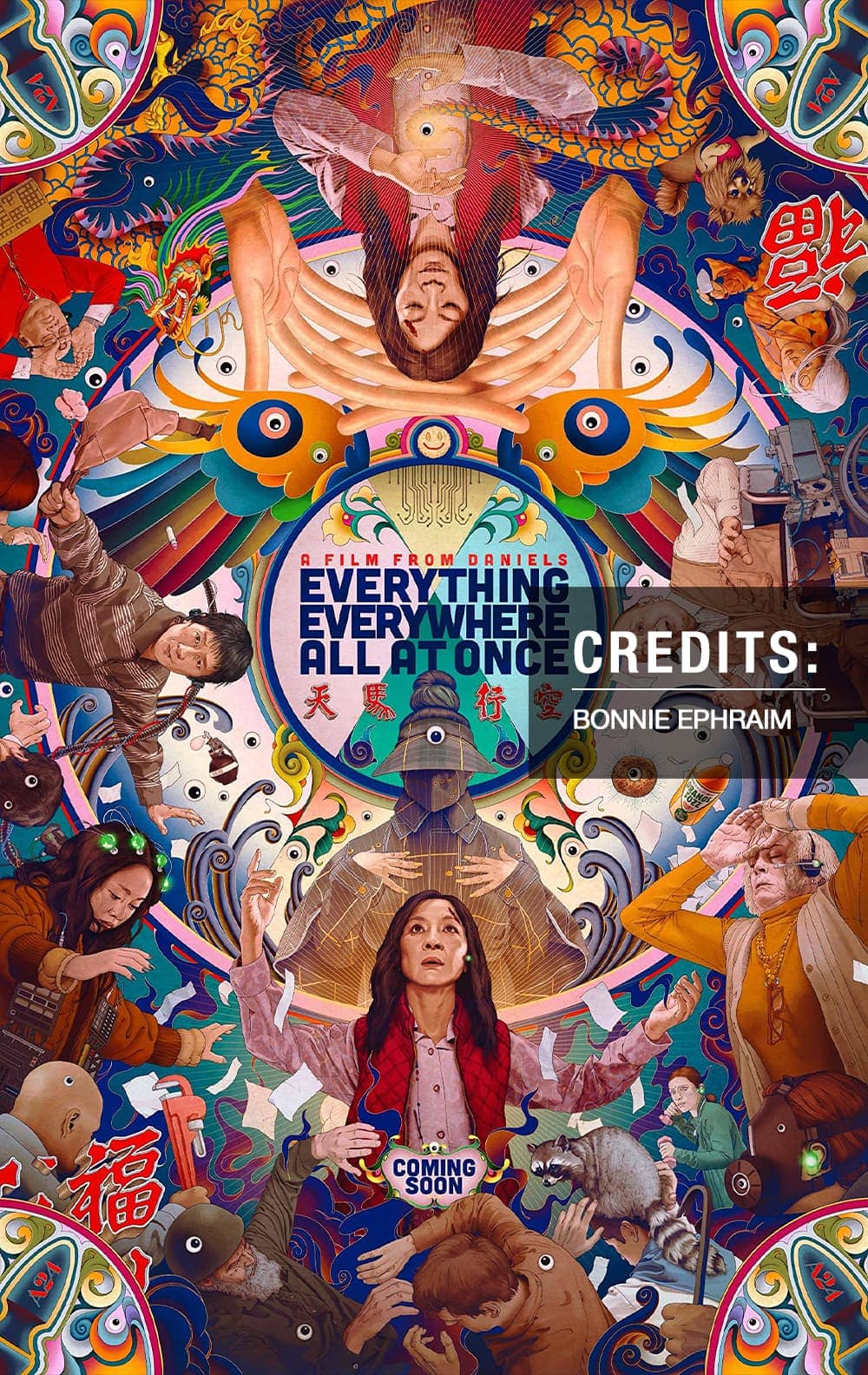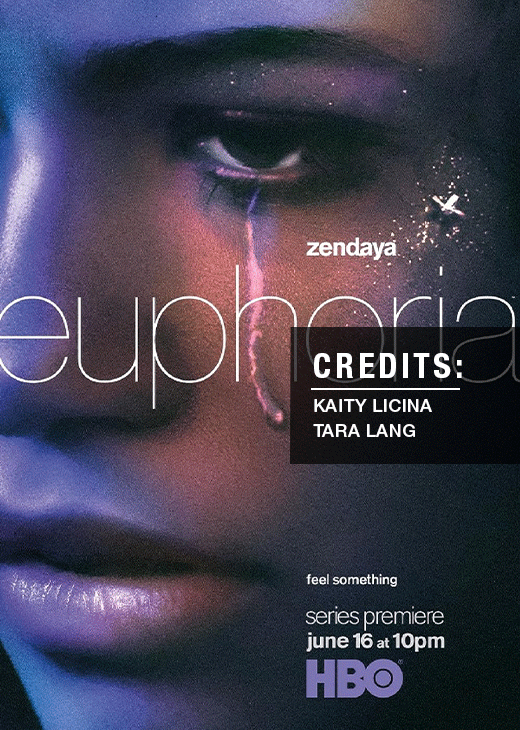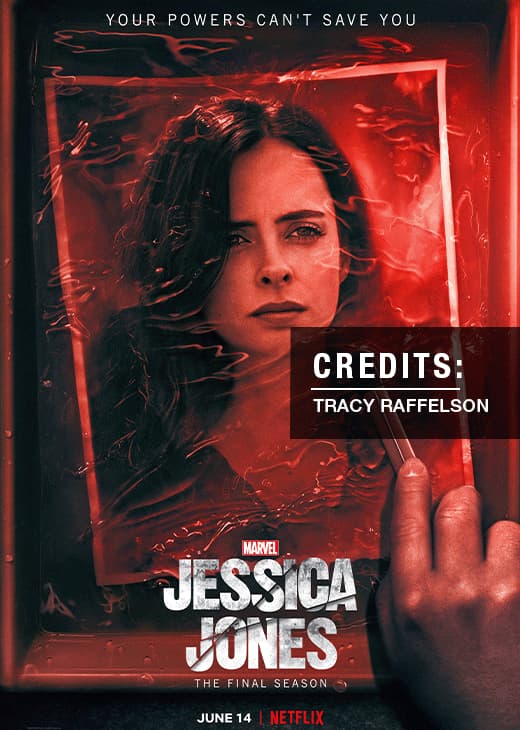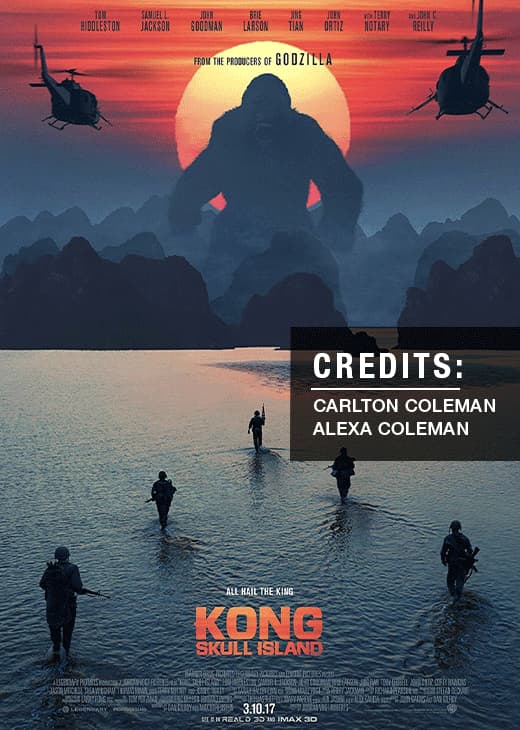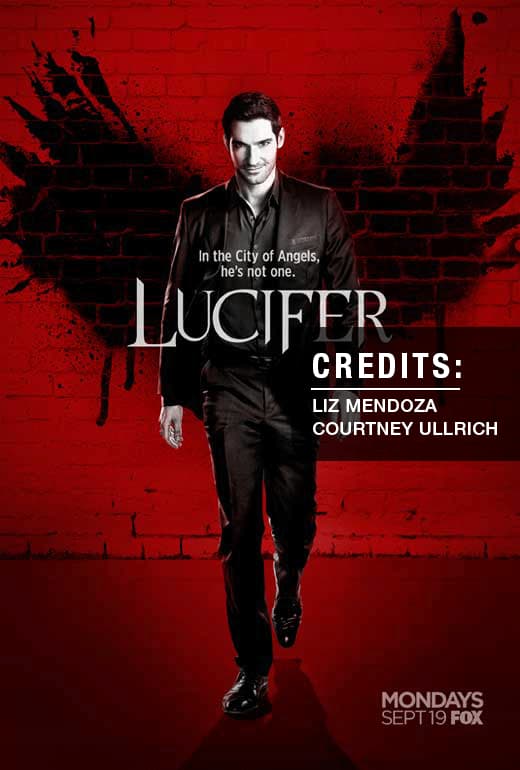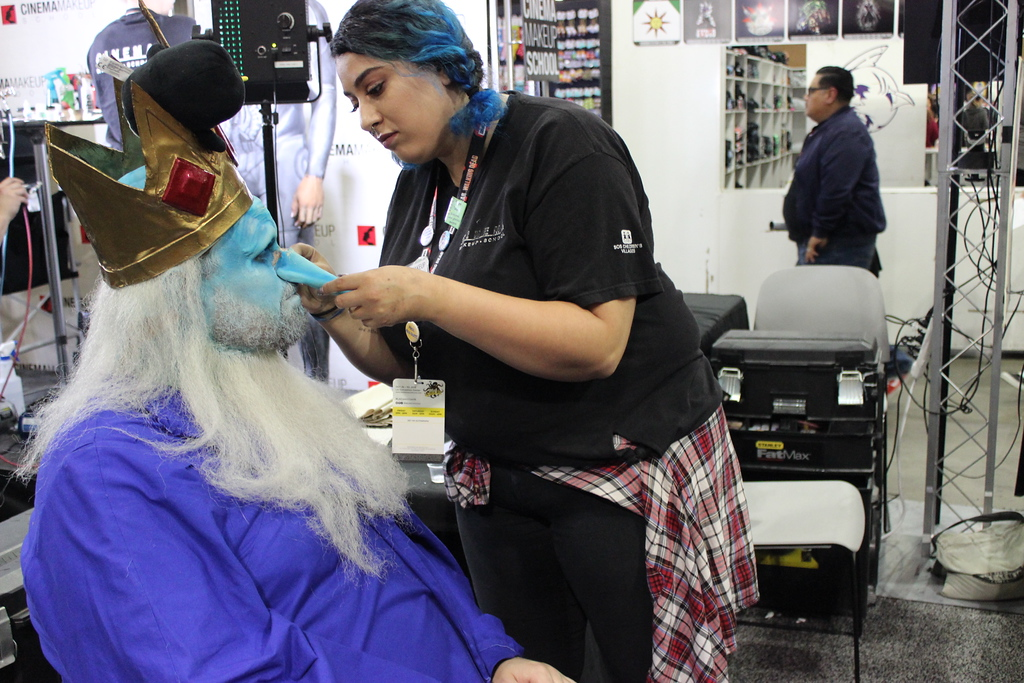
In film and television, makeup is not just about appearance; it’s about storytelling under a camera lens. Every detail must read correctly on screen, hold up under lighting and support the narrative. Character makeup and special effects makeup are the two main types that make transformations look real on screen.
They often get grouped, but in a professional production environment, they serve very different functions. If you’re serious about working on set, whether in film, streaming series, or horror production, you need to understand how these two makeup techniques differ.
Why Character Makeup and SFX Makeup Are Different
Character makeup shapes an actor’s look so they fit a specific role on screen, supporting the story through realistic appearance changes tied to personality, age, or setting. SFX makeup works on a different level, building physical alterations with prosthetics, textures and materials to create injuries, creatures, or transformations that do not exist in everyday reality.
Skills Required for Each One
Character Makeup Skills
Character makeup artists work directly with the camera and performance conditions. Their focus is precision under real-time production pressure.
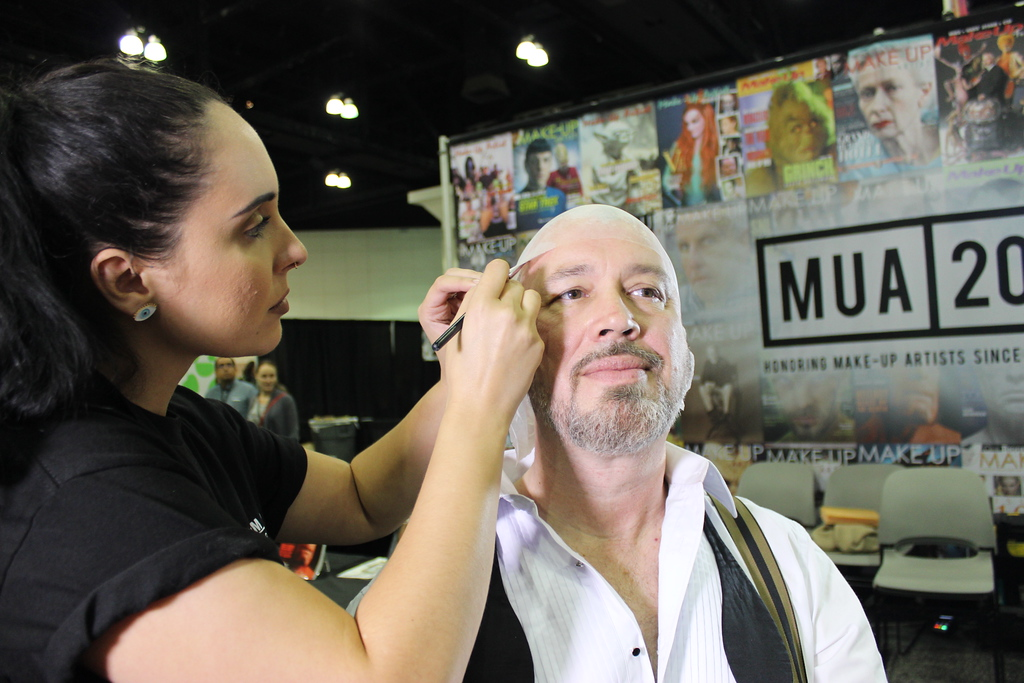
Key skills include:
- Color theory for film lighting conditions
- Airbrush control for skin realism
- Continuity tracking across shooting schedules
- Lace blending and bald cap techniques
- Script interpretation for makeup breakdowns
- Fast application and on-set adjustments
- Communication with directors and cinematographers
Also read: Essential Special Effects Techniques for Aging Makeup
Special Effects Makeup Skills
SFX artists work with life casting, sculpting, mold-making and prosthetic systems to design and apply physically built transformations that operate in real production environments.
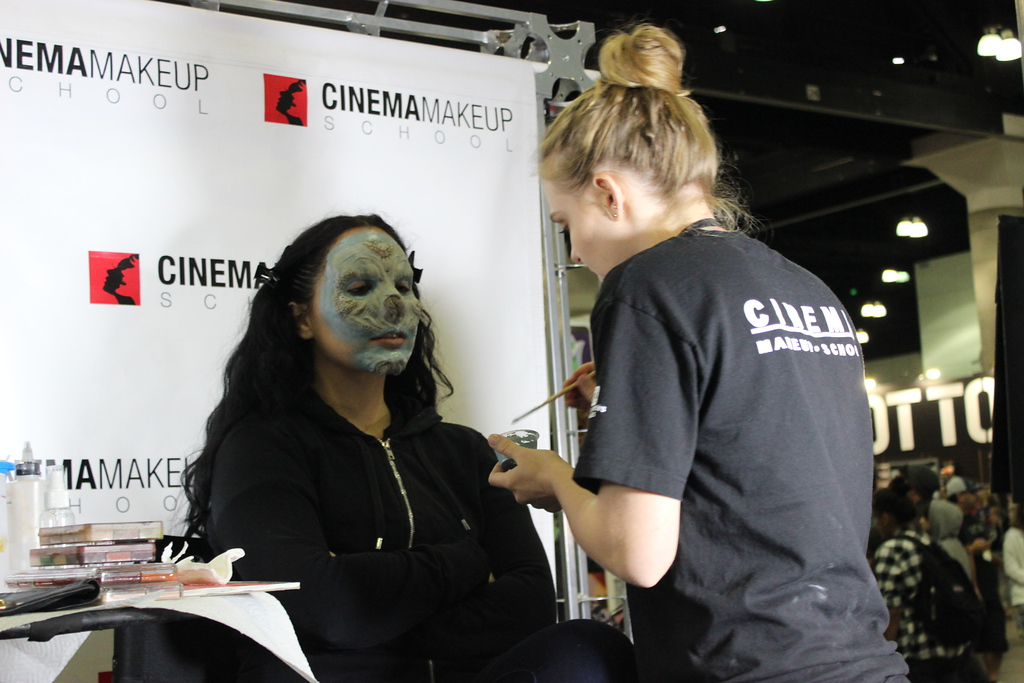
Key skills include:
- Anatomical sculpting for characters, creatures and effects-driven designs
- Life casting, mold construction and prosthetic development workflows
- Silicone and foam latex processing for on-set applications
- Seamless prosthetic application and edge integration on skin
- Material handling for texture, movement and durability under the camera
- Blood and trauma affect execution for practical realism
- Mechanical integration for movement-based prosthetic effects
Materials and Tools Used in Character and SFX Makeup
Character Makeup Materials and Tools
1) Skin prep products such as moisturizers, primers and barrier sprays
2) Foundation, concealer and color correction palettes for skin tone matching
3) Alcohol-activated and cream-based pigments for shading and detailing
4) Airbrush gun for controlled application of color and texture
5) Stipple latex for aging, pores and skin texture creation
6) Adhesives for lace wigs, facial hair and small prosthetic pieces
7) Lace wigs, hairpieces and facial hair for character identity changes
8) Brushes, sponges and blending tools for precise application
Special Effects Makeup Materials and Tools
1) Alginate and plaster bandages for life casting
2) Sculpting clay, such as oil-based clay, for designing prosthetic forms
Learn What Kind of Clay Is Best for SFX Sculpting?
3) Silicone, foam latex and gelatin for prosthetic appliance creation
4) Plaster and fiberglass for mold construction
5) Platinum silicone for flexible, skin-like prosthetic pieces
6) Intrinsic pigments for coloring prosthetics during casting
7) Prosthetic adhesive and medical-grade removers for application and removal
8) Alcohol-activated paints and PAX paint for prosthetic detailing
9) Edge blending materials for seamless integration with skin
10) Stage blood in different thicknesses to create realistic wounds and injury effects
Production Use of These Makeup Styles
Character makeup is used in television dramas, streaming series, period films, episodic multi-day productions and advertising shoots. It is applied in almost all standard on-camera work where actors need a consistent appearance across scenes, ensuring continuity throughout different shooting days and lighting conditions.
SFX makeup is demanded for:
- Horror and thriller films
- Sci-fi and fantasy productions
- Creature-focused streaming series
- Superhero and franchise films
- Theme parks
- Live horror shows
Comparing Character Makeup and Special Effects Makeup
| Category | Character Makeup | Special Effects (SFX) Makeup |
| Core Purpose | Used to build on-screen identity through realistic appearance changes | Used to create physical transformations using prosthetics and SFX materials |
| Method | Direct application to the skin using cosmetic techniques | Lab-based creation followed by on-set application |
| Tools & Materials | Foundations, corrective palettes, airbrush, wigs, texture products | Alginate, silicone, foam latex, sculpting clay, prosthetic paints |
| Work Process | On-set application with continuity adjustments | Pre-production fabrication followed by application and maintenance on set |
| Type of Transformation | Aging, period looks, character styling and corrective reshaping | Wounds, creatures, extreme aging and anatomical changes |
| Camera Dependency | Highly dependent on lighting and continuity accuracy | Must blend seamlessly for the camera |
| On-Set Speed | Fast application and frequent touch-ups | Longer setup and application time |
| Industry Expectations | Clean execution, continuity, accuracy, HD camera understanding, fast on-set workflow | Strong sculpting and prosthetic skills, mold-making knowledge, realistic texture work, production-ready portfolio |
Helpful Articles –
How to Create Creature Design Using Latex, Silicone & Prosthetics?
Foam Latex vs Silicone: Choosing the Right Material for SFX Prosthetics
Career Options for Special Effects Makeup Artists
Want to Master Both Techniques?
If you are serious about building a career in film and television makeup, structured training is essential. Cinema Makeup School provides hands-on experience in both character and SFX workflows, helping you develop real production-level skills.
You can explore individual character and special effects programs or choose integrated diploma and certificate courses with defined clock hours. Each path is designed to align with different learning goals, whether you want to specialize in one area or train in both to pursue industry opportunities.
Character Makeup is suited for you if you:
- Enjoy working directly with actors daily
- Prefer storytelling through subtle visual control
- Want consistent work across all production types
- Like fast-paced on-set environments
SFX Makeup is suited for you if you:
- Enjoy sculpting and building physical forms
- Are interested in horror, fantasy, or creature design
- Prefer fabrication and pre-production workflows
- Want to work on visually complex transformations
Apply for the program that best fits your career direction.
You can also schedule a campus tour (in-person or virtual) to understand how training prepares you for on-set workflows.