What makes a character instantly recognizable?
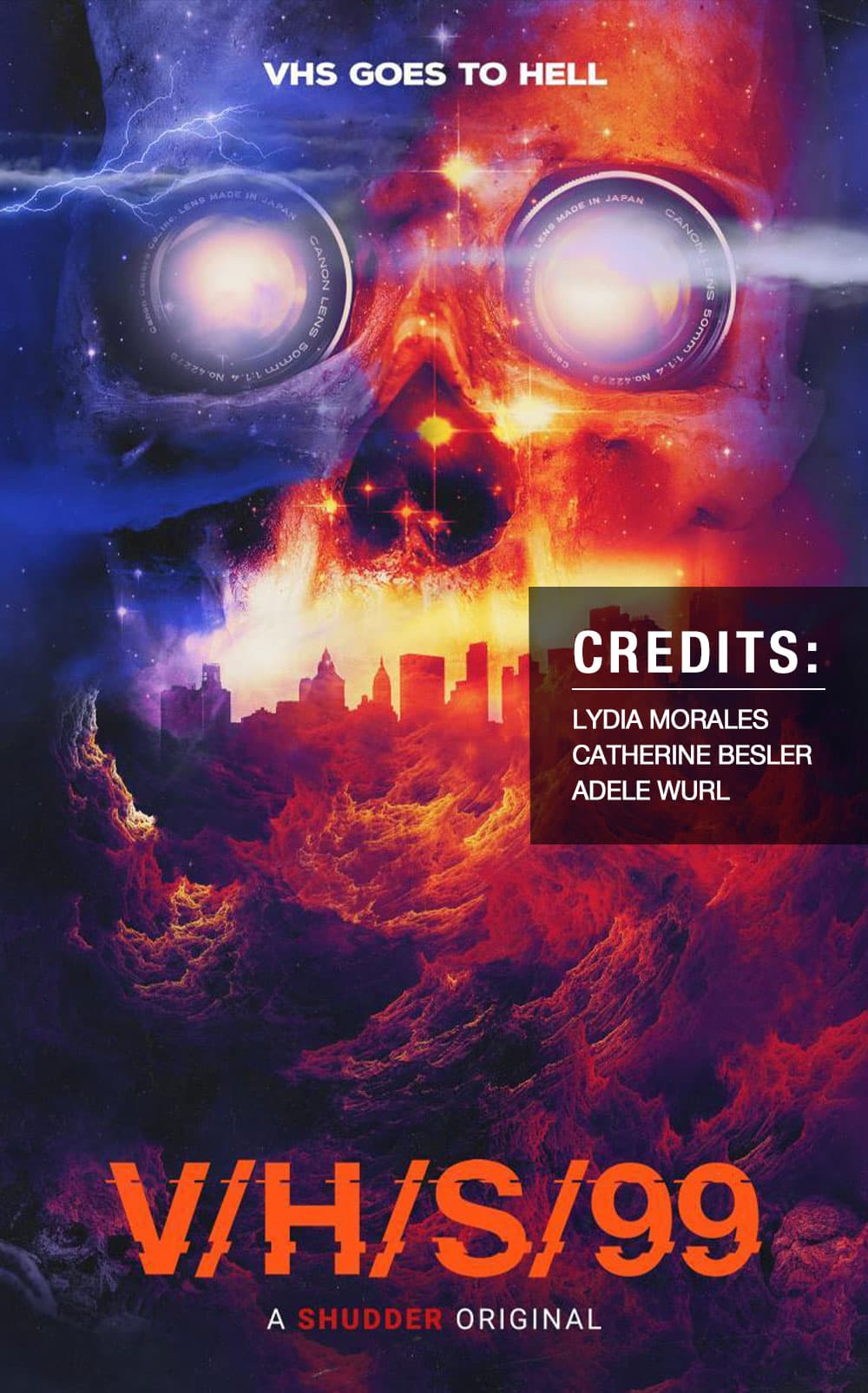
The sculpted features, exaggerated anatomy and physical details all contribute to the design, but color can determine how those features come together as a character. A pale, desaturated palette can make a character feel lifeless, while deep reds and dark tones may suggest danger or aggression. Unusual combinations of greens, blues and violets can give a creature an otherworldly identity.
For SFX makeup artists, understanding these visual relationships makes it easier to build a character with a clear and intentional identity.
This is where color theory becomes valuable. By understanding how hue, value, saturation, temperature and color combinations influence perception, artists can develop palettes that strengthen the character rather than simply adding color to the finished design.
Three Color Theory Concepts Used in SFX Character Design
Before choosing a color palette, it helps to understand three basic properties of color: hue, value and saturation.
1. Hue
Hue refers to the basic color itself, such as red, yellow, blue, green, or purple.
Changing the hue can dramatically alter how a character is perceived.
For example:
- Red can suggest blood, heat, aggression, irritation, or danger.
- Blue can suggest coldness, lifelessness, or an unnatural appearance.
- Green can suggest sickness, decay, mutation, or an otherworldly quality.
- Purple can help create bruising, discoloration, or a supernatural appearance.
- Yellow can suggest sickness, age, or unusual pigmentation.
Changing the hue changes the visual language of the character.
2. Value
Value describes how light or dark a color appears.
Value is especially important when creating a three-dimensional character.
A sculpted prosthetic can have excellent physical detail but still appear flat if the painting does not establish enough variation between highlights, midtones and shadows.
Artists can manipulate value to emphasize:
- Wrinkles
- Hollows
- Raised scars
- Bone structure
- Muscle definition
- Deep wounds
- Surface texture
A darker tone placed strategically in a hollow or indented area can make it appear deeper, while a lighter value on a raised surface can make that structure appear more prominent.
This makes value an important tool for creating visual depth without physically changing the sculpt.
3. Saturation
Saturation describes the intensity or purity of a color.
Highly saturated colors tend to attract attention, while muted colors can create a more subdued appearance.
For special effects makeup characters, controlling saturation can help distinguish between different parts of the design.
For example, a creature could have a largely muted gray-green complexion with small areas of saturated red around its eyes and mouth. Those red areas immediately become more noticeable.
Using high saturation everywhere, however, can make the character visually noisy. A controlled palette often creates a more convincing result.
Want to Master Color Theory?
Enroll in SFX makeup programs at Cinema Makeup School. We offer hands-on training in concept and color that students can take as a standalone course or add to our Complete Track, FX Track, or Master Makeup Program. These diploma programs allow you to earn a diploma while developing your color theory skills.
Training with us can lead to opportunities in the industry, as our graduates have worked on major productions such as Kong, Underwater, Paranormal and Zombieland, among others.
Visit our campus if you’re ready to take the next step forward.
How Color Theory Works in SFX Character Design
Color theory becomes most useful when it moves from individual color concepts into actual character decisions. Instead of choosing colors simply because they look interesting, artists can use color to establish a character’s identity, communicate their condition & background and reinforce the overall story behind the design.
Start by Understanding the Character
Before choosing colors, first understand what the character is supposed to represent. A zombie, demon, alien, vampire, or fantasy creature may each need a different color direction.
For example, a zombie may benefit from muted greens, yellows and purples to suggest decay, while a demon may use deep reds and dark tones to create a more threatening appearance.
Choose a Main Color
Start with a dominant color that establishes the character’s overall appearance. This might be green for a creature, pale blue-gray for an undead character, or another color that fits the character concept.
The main color gives you a starting point for building the rest of the palette.
Mix Colors to Create the Right Character Look
Color theory can also help artists create the specific shades needed for a character rather than relying on a single premixed color.
For example:
| Character Effect | Starting Colors | Color Adjustment |
| Sickly green skin | Yellow + blue | Add white to lighten or a small amount of red to mute |
| Bruised purple | Red + blue | Add white for a lighter bruise or a neutral tone to reduce intensity |
| Pale blue-gray skin | White + blue | Add a small amount of orange to soften the blue |
| Warm, irritated skin | Red + yellow | Add white for a lighter appearance |
| Earthy brown | Red + yellow | Add blue to neutralize the orange |
| Decayed green | Green + yellow | Add a small amount of red or brown to make it duller |
Tip: The exact result will vary depending on the pigments and makeup products being used, so these combinations are best treated as starting points rather than fixed formulas.
Use Light and Dark Values to Build the Character
Once the basic colors are established, use lighter and darker versions of those colors to give the character more dimension.
Darker tones can emphasize wrinkles, hollows, scars and other areas that should appear deeper. Lighter values can bring raised features forward and help important forms stand out.
Use Color Contrast to Highlight Important Features
Color contrast can direct attention toward specific parts of the character. A creature with mostly muted skin, for example, could have stronger red around the eyes or mouth.
This allows the artist to decide which features should immediately attract attention and which should remain more subtle.
Related Articles:
How Concept & Color Theory Boost Your Creature Design Skills
Choosing the Right Makeup for Different Stage Lighting Conditions
How to Prepare for a Career in Character and Creature Design
Color Theory Mistakes to Avoid When Designing SFX Characters
1) Mixing Too Many Colors at Once
Beginners often add several colors to a mixture when trying to correct a shade. This can quickly produce a muddy or neutralized color.
2) Overcorrecting a Color During Mixing
When adjusting a character’s color, adding a small amount of another color can shift the mixture toward the desired shade. However, adding too much of the correcting color can push the mixture too far, making the result dull, muddy, or noticeably different from the intended color.
3) Judging a Color Only While It Is Wet
Some makeup and paint products can change in appearance as they dry or cure. Judging the color before it reaches its final appearance can lead to unnecessary adjustments and an incorrect final shade.
4) Building the Entire Palette From a Premixed Color
A premixed color may provide a useful starting point, but relying on it without adjusting the surrounding tones can make the character look uniform. Character painting often requires modifying the base color to create the specific variations needed for different areas.
5) Not Recording Successful Color Mixtures
Beginners may overlook this because they are still getting used to the production process and may focus more on achieving the desired color than on documenting the mix. Without a record of the colors and approximate ratios used, recreating the same shade for another application, repair, or replacement piece can be more difficult.
Want to see how SFX makeup training comes together in practice?
Take an in-person or virtual tour of Cinema Makeup School to explore the classrooms, labs and learning environment where aspiring makeup artists develop their skills.