As the special effects makeup industry continues to grow across film, television, streaming, theme parks and live events, the way artists are hired has also evolved. You may be hired as a permanent employee, or you may work on a contract basis, depending on the project and employer.
For beginners, this can often be confusing, especially when trying to understand how each path works. Each hiring type comes with its own structure, expectations and long-term impact on your SFX makeup career.
Understanding these differences early can help you make better decisions about the kind of work you accept and how you plan your growth in the industry. In this blog, we will explain the key differences between these paths that every SFX makeup artist should understand.
Contract-Based Hiring in SFX Makeup: How It Works?
Contract-based special effects makeup jobs are temporary work agreements between you (the artist) and a production, studio, or client. You are brought on for a specific job, for a specific period of time, under a written agreement that defines the terms of your work. When that project ends, so does your contract. You are then free to find your next contract independently.
What does a Contract Typically Covers?
When you accept a contract position as an SFX makeup artist, the written agreement usually outlines the following:
- Scope of work: What exactly you will be doing. This could be applying prosthetics for specific characters, creating blood and injury effects, or running a makeup lab for creature builds.
- Duration: How long the job lasts. This might be a three-week film shoot, a six-month television season, or a single-day commercial.
- Pay rate: Whether you are paid daily (a “day rate”), weekly, or on a flat-fee basis for the whole project.
- Union or non-union terms: Many film and TV productions fall under union agreements, particularly IATSE (International Alliance of Theatrical Stage Employees) in the United States. If the production is union, your contract will reflect union-negotiated rates and working conditions.
- Confidentiality: Productions often require artists to sign NDAs (non-disclosure agreements) to protect unreleased project details.
Who Hires Special Effects Makeup Artists on Contract?
Contract work typically comes through:
Productions directly: A film studio, streaming platform, or production company hires you for a specific project through their department heads.
FX studios and labs: Companies that specialize in building and applying prosthetics and creature effects (like makeup effects houses) will hire artists on contract to meet the demands of a specific job.
How Direct Hiring Works in SFX Makeup?
Direct hiring, also called staff employment or in-house employment, means a company or studio brings you on as an ongoing employee, not just for one project. You have a regular work schedule, a set salary or hourly wage and your employment continues regardless of the specific projects assigned to you.
Where Direct Hiring Happens in SFX Makeup?
- Theme parks and live entertainment: Companies like Disney, Universal Studios and regional theme parks hire full-time special effects makeup artists to handle daily character work and special events. SFX artists may be needed for haunted attractions, live shows and seasonal events.
- Television networks with ongoing productions: Long-running TV series, soap operas and daily entertainment programs sometimes maintain a permanent makeup team, including SFX artists who handle recurring character effects.
- FX makeup studios and labs: Some prosthetics companies maintain a permanent staff of artists, sculptors, mold makers and painters who work in-house building creatures, prosthetics and effects pieces year-round for multiple clients.
- Theatrical productions: Broadway, touring productions, opera houses and theatrical companies sometimes employ makeup artists on long-term or seasonal contracts that function more like staff employment.
- Gaming and content production companies: As video game cutscenes, virtual production and digital content have grown, some companies maintain in-house makeup departments for ongoing shoots.
Note: Whether you plan to pursue contract-based work or direct employment, having the right foundational training is what makes you a competitive candidate in either setting. Cinema Makeup School prepares aspiring artists for the professional demands of the SFX makeup industry through hands-on training in prosthetics, creature design, on-set application and lab-based work.
The curriculum of our special effects makeup course is built around real industry standards, giving students practical experience with the techniques, materials and workflows that film productions, SFX studios, theme parks and television departments actually use. Artists also graduate with a professional portfolio, which is one of the most important tools when pursuing either contract or long-term employment positions.
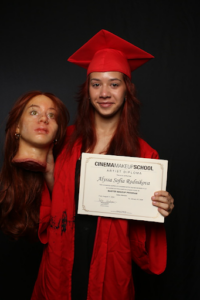
If you are considering a career in SFX makeup and want to understand how formal training fits into your career plan, you can book a campus tour of the Cinema Makeup School to see the facilities firsthand.
Comparison of Contract-Based and Direct Hiring SFX Makeup Jobs
| Factor | Contract-Based | Direct Hiring |
| Income Stability | Variable – depends on securing new contracts | Stable – regular paycheck |
| Pay Rate | Often higher per day or week (day rate) | Usually lower hourly or salaried pay |
| Benefits (Health, Retirement) | Self-managed; arranged independently | Often provided by the employer |
| Work Variety | High – different projects, genres and teams | Lower – consistent work within one organization |
| Creative Exposure | Exposure to varied creative styles and workflows | Style and direction defined by the employer |
| Portfolio Growth | Faster and more diverse | More specialized but narrower |
| Networking | Ongoing and essential for finding work | Less frequent after securing the role |
| Job Security | Low – ends when the project is completed | Higher – ongoing employment |
| Common Work Settings | Film, streaming, commercials, FX studios | Theme parks, TV productions, FX labs, theater |
| Tax Responsibility | Self-managed; you handle your own taxes | Employer-managed; taxes are withheld |
Related Articles –
Interview Preparation Tips for Aspiring SFX Makeup Artists
How Internships Help You Start a Career in SFX Makeup?
Questions Every Special Effects Makeup Artist Should Ask Clients
Which Option Should You Choose at Different SFX Makeup Career Stages?
If you are just starting in SFX makeup, contract-based work is usually the better choice. It allows you to build a strong portfolio quickly, work on different types of projects and understand how various production environments operate.
You also get the chance to identify your strengths, whether in prosthetics, creature design, or on-set application work. However, this path requires you to actively look for new opportunities and manage periods without work.
As you gain experience, you may choose to move into direct hiring roles for more stability and consistent income. Direct employment can provide a structured work environment, access to resources and long-term career growth within a single organization.
Many SFX makeup artists do not stick to just one path. A common approach is to start with contract-based work, build industry experience and connections and then either transition into a direct hiring role or continue freelancing at a higher level with better-paying projects. The right choice ultimately depends on your financial needs, career goals and preferred work style.
Start your journey to becoming an SFX makeup artist by applying to a well-known SFX makeup school in Los Angeles, CA.