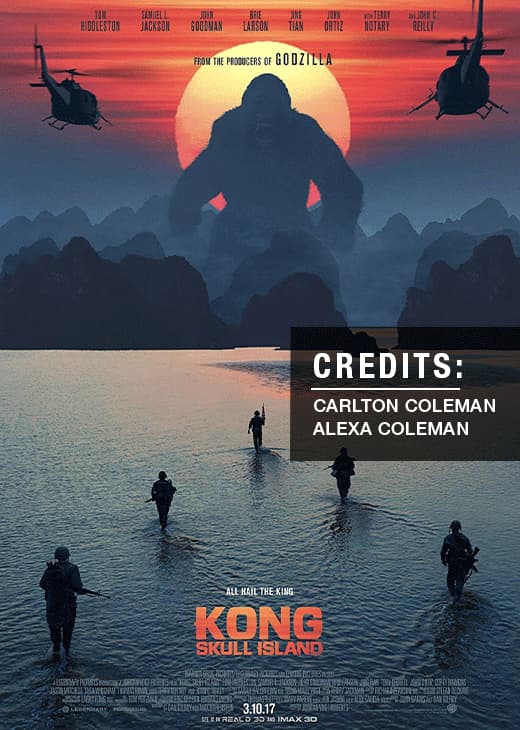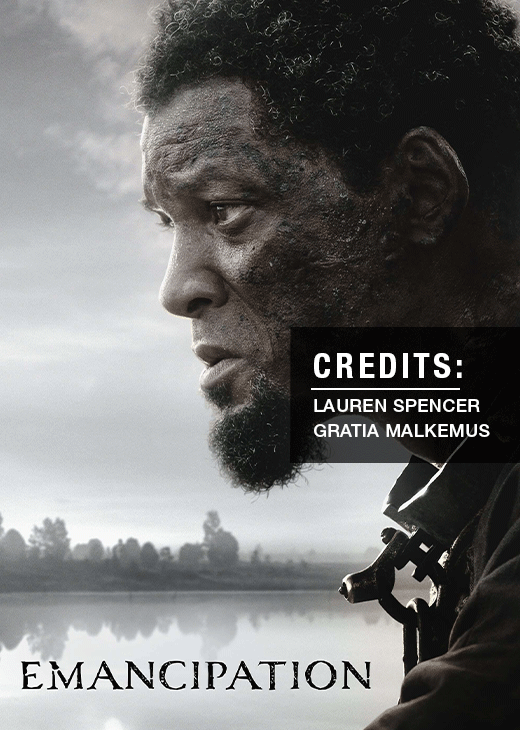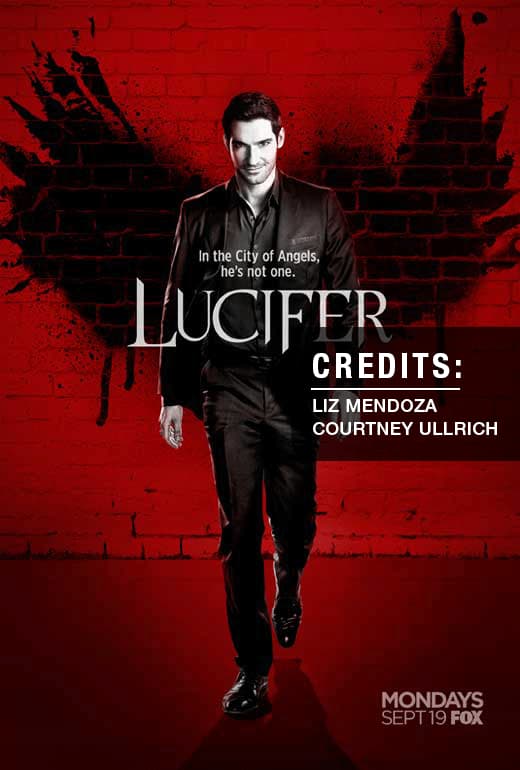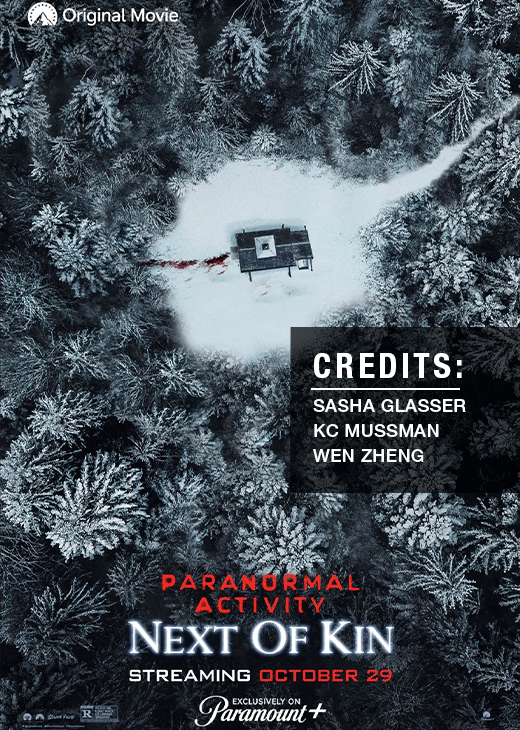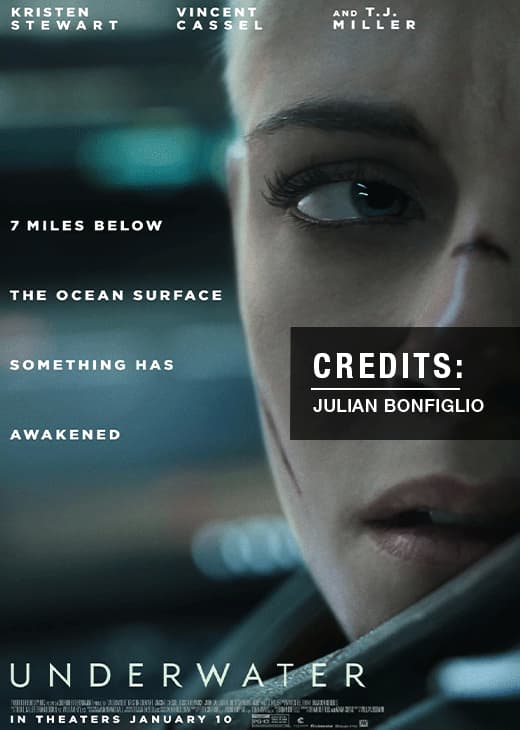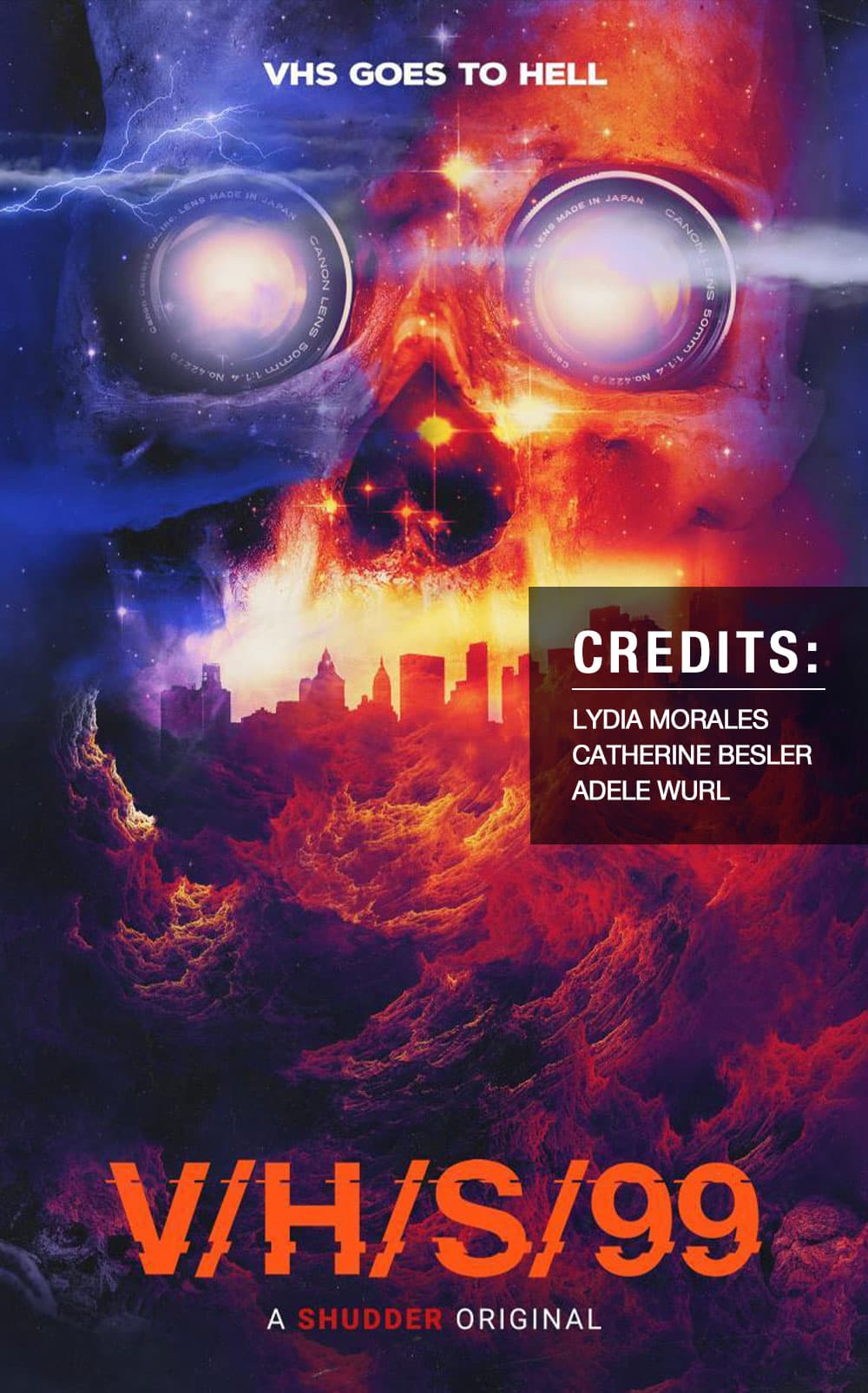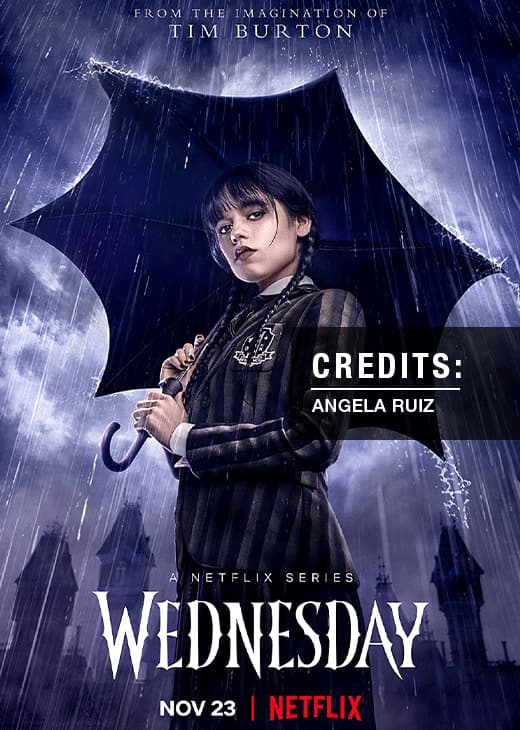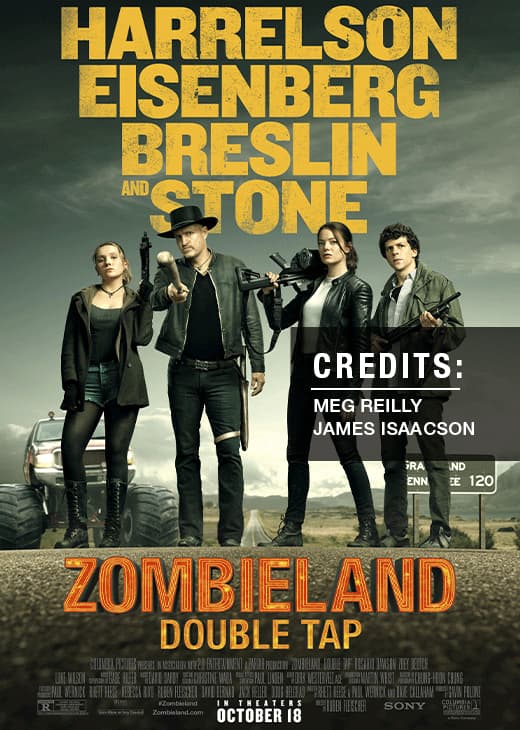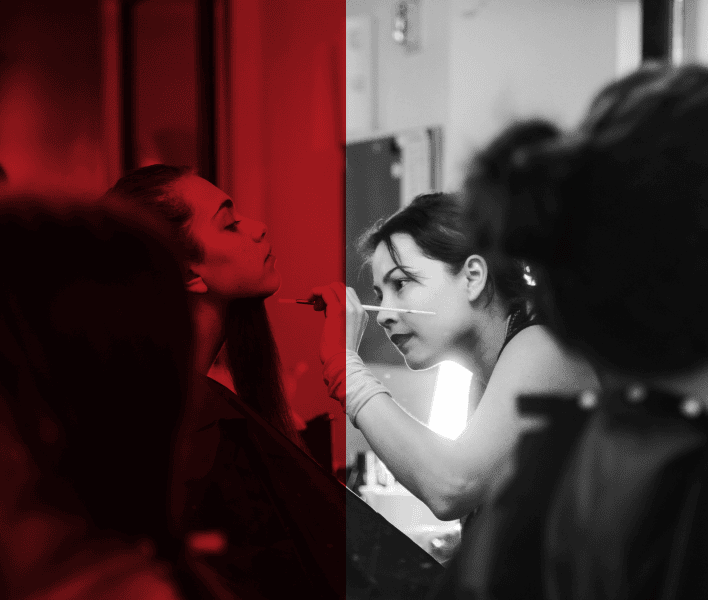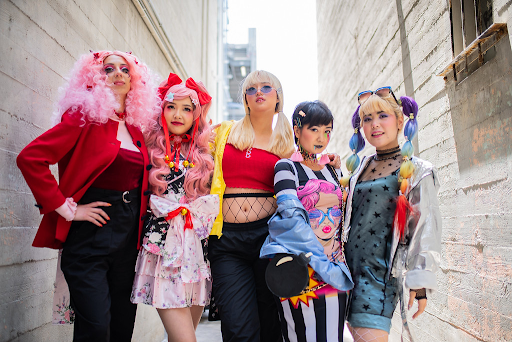
Makeup can look different once a camera captures it. Lighting, camera settings, movement and image quality can all change how makeup appears on screen or in a photograph. This is why makeup artists need to use different techniques for film and photoshoots.
In this blog, we’ll cover the key differences between film makeup and photoshoot makeup, including how lighting, camera resolution, continuity, texture, prosthetic integration and creative styling affect makeup application.
What Is Film Makeup?
Film makeup is created to support a character and remain consistent throughout a production. An actor may need to wear the same makeup through several takes, camera angles and shooting days.
This means the makeup artist has to think beyond how the makeup looks at the beginning of the application. The look needs to work when the actor moves, speaks, changes position and appears under different lighting conditions.
For example, imagine a character has a cut on their cheek. The injury may appear in a close-up, a wider shot and another scene filmed several days later. The size, color and placement of the injury need to remain consistent so the shots can be edited together.
Techniques and Skills to Develop For Film Makeup
Film makeup requires artists to think about the character, the story and what will happen on set. Along with basic makeup application, artists may need to develop skills in several areas:
- Character makeup: Aging, facial hair, bald caps, period makeup, injuries and other character-specific applications help create a believable appearance for the role.
- Special effects makeup: Film productions may require wounds, bruises, burns, scars, prosthetics and creature effects. Understanding materials such as silicone and foam latex can help artists create effects that hold up on camera.
- Prosthetic application: Artists need to understand how to position, adhere, blend and paint prosthetics so they integrate naturally with the actor’s skin.
- Continuity: Makeup may need to be recreated exactly across multiple takes, scenes and shooting days. Reference photographs and makeup notes help artists maintain the same look.
- On-set maintenance: Makeup artists may need to monitor the actor throughout the shoot and make touch-ups after sweating, movement, costume changes or repeated takes.
- Camera testing: Checking makeup through the camera or monitor can help artists identify texture, color or blending issues that may not be obvious in person.
- Long-wear application: Products and techniques need to be selected with the length and conditions of the shoot in mind, particularly when actors are working for many hours.
The goal is not simply to create the makeup once. Film makeup artists need to know how to apply, monitor, maintain and recreate the look throughout production.
What Is Photoshoot Makeup?
Photoshoot makeup is created specifically for still photography. Unlike film, the final result may be a single image or a small collection of selected photographs. The makeup artist can therefore concentrate on how the face looks within a particular lighting setup, camera angle, lens and styling concept.
Photoshoot makeup can range from beauty and editorial looks to fashion, conceptual and fantasy makeup. The makeup level can also change depending on the intended image.
Techniques and Skills to Develop For Photoshoot Makeup
Artists can develop a range of makeup techniques depending on the type of photography:
- Beauty makeup: Clean, polished skin, balanced complexion, controlled shine and carefully defined features are often important for beauty and commercial photography.
- Editorial makeup: Fashion and editorial work can allow stronger colors, graphic shapes, unusual textures and more experimental applications.
- Creative and conceptual makeup: The makeup can become a central part of the image, allowing artists to explore color, texture, shape and visual effects.
- Camera-focused skin preparation: Skin needs to look polished while still appearing natural through the camera. Product placement, blending and texture control become particularly important in close-up photography.
- Airbrush techniques: Airbrushing can help create controlled coverage, smooth transitions and different finishes depending on the look and photography setup.
- Photographic hairstyling: Hair plays an important role in completing a beauty or fashion image. Learning photographic hairstyling can help artists understand how hair shape, volume and texture work alongside makeup and styling.
The focus is therefore less on maintaining a character across a production and more on creating a polished or creative look that works specifically for the camera, lighting and visual concept.
Want to Develop Camera-Ready Makeup Skills?
Learning how makeup behaves in front of a camera requires more than practicing in a mirror. It also requires expertise in handling different materials, managing applications and maintaining makeup throughout a production; skills you can develop at a special effects makeup school.
At Cinema Makeup School, we offer beauty and SFX makeup training programs that welcome aspiring artists to learn from experienced instructors. Our training goes beyond teaching techniques, helping artists develop practical skills that can prepare them for professional production environments.
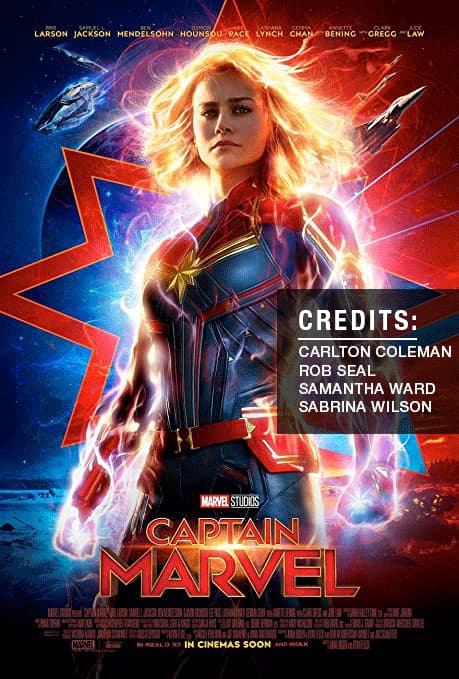
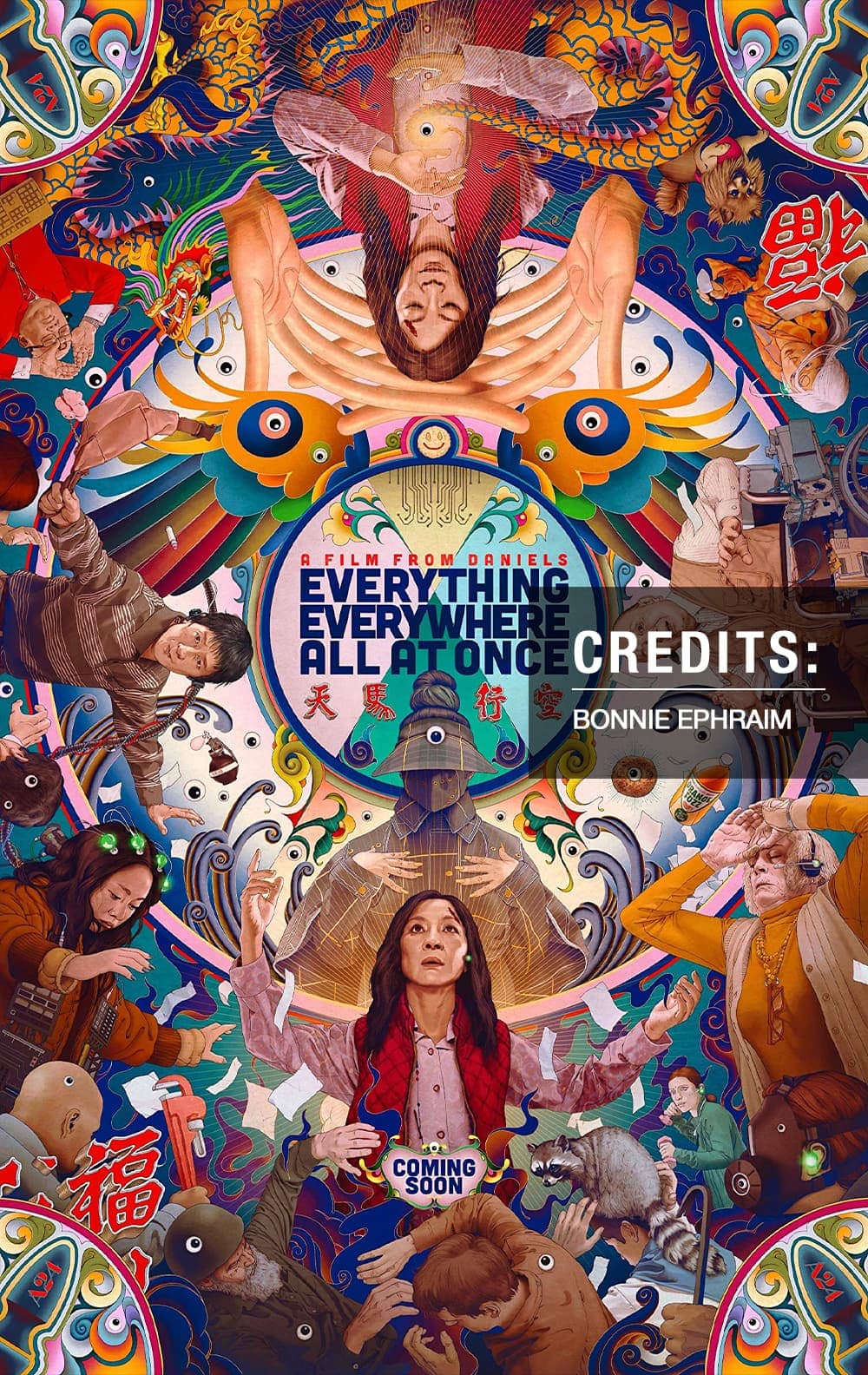
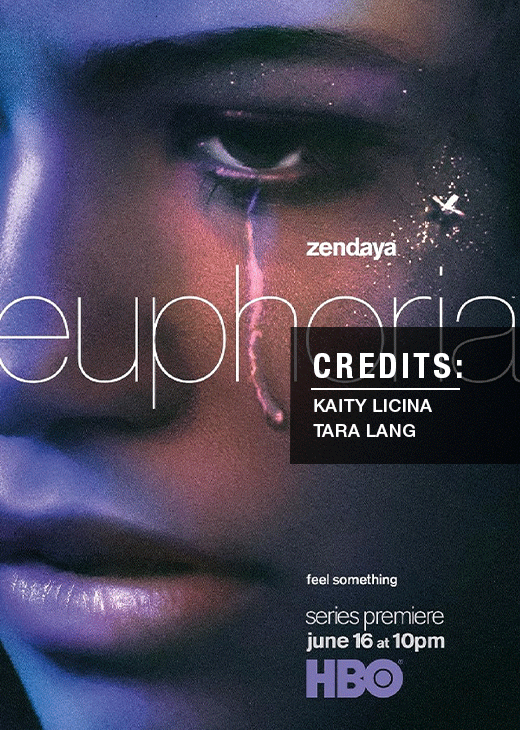
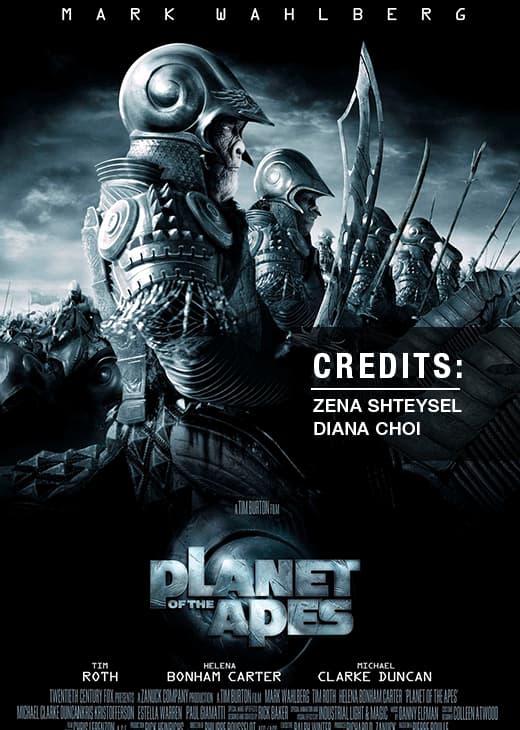
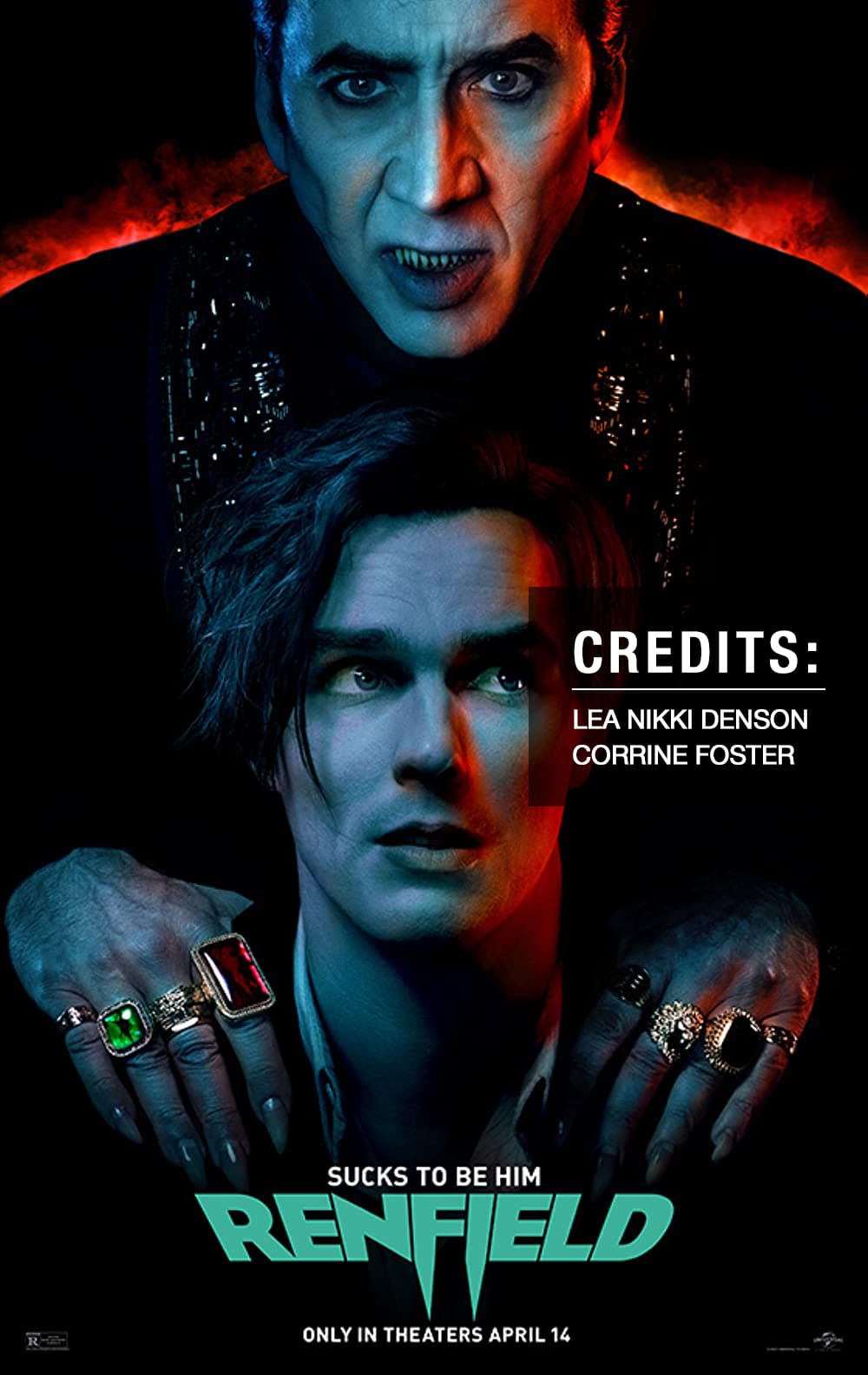
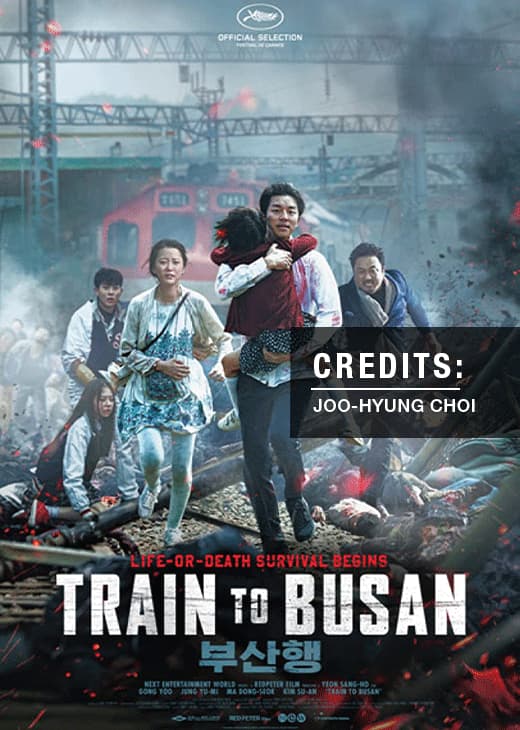
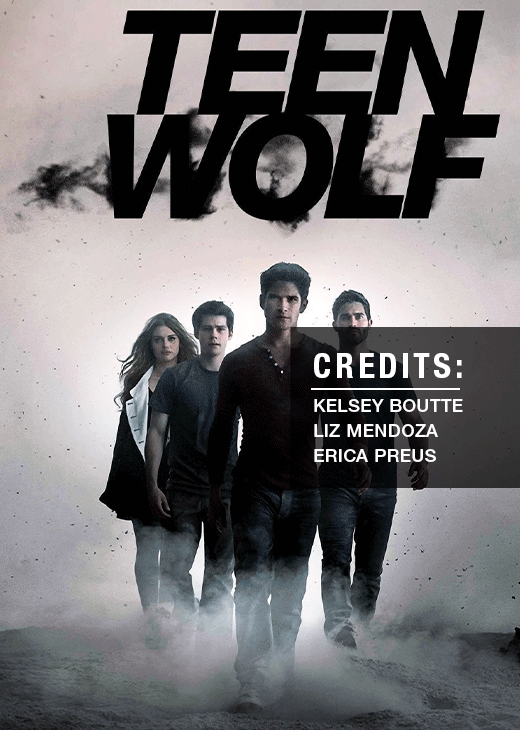
Cinema Makeup School alumni have worked on productions including Avatar, Captain Marvel, Avengers: Infinity War, Euphoria and Stranger Things, along with other film and television projects.
Enroll now or book a tour to know more about the learning environment of our campus in Los Angeles.
Related Articles:
SFX Makeup Artist vs. Regular Makeup Artist: What’s the Difference?
How to Create a Photo-Realistic Silicone Severed Head for Film & TV?
How To Become a Makeup Artist for Films?
Film vs. Photoshoot Makeup: How the Techniques Differ
| Makeup Skill | Film & Television | Photoshoot & Editorial |
| Skin Texture | Texture needs to remain believable in close-ups while fitting the character and scene. Artists may need to recreate natural skin, aging, scars or other character details. | Skin is often refined for the final image, with careful control of coverage, texture and finish based on the photography style. |
| Color Application | Color may need to match a character reference and remain consistent across scenes, takes and shooting days. | Color can be adjusted more freely to complement lighting, wardrobe, photography and the creative concept. |
| Airbrushing | Can be used for character color, body makeup, realistic skin variation, bruising, dirt and other effects that need to hold up during filming. | Can be used to create even complexion, controlled coverage, soft transitions and polished beauty or editorial finishes. |
| Prosthetics & SFX | Artists may need to apply, blend, paint and maintain prosthetics or SFX effects while the actor moves and performs. | Prosthetics or special effects can be designed and applied specifically for the planned image and camera angle. |
| Touch-Ups | Requires ongoing on-set maintenance after movement, sweating, costume changes and repeated takes. | Touch-ups can be made between photographs to refine details, shine, color or texture before the next image. |
| Working With Actors | Artists may need to consider how makeup behaves when an actor talks, sweats, moves or performs. | The artist can often make adjustments based on poses, expressions and how the model looks in the selected frame. |
Curious about where you can develop your makeup skills? Explore Cinema Makeup School in person or virtually and get a closer look at the learning environment.