If you’re passionate about special effects makeup and aim to build a thriving career in this field, one major decision awaits you early on: should you become a freelancer or work within a studio?
Both career paths in SFX makeup come with their own rewards, challenges and lifestyles. Freelance makeup artists enjoy flexibility and creative freedom, while studio professionals often benefit from job stability and collaborative environments.
But which one is right for you?
In this guide, we’ll explore everything you need to know about choosing the right Special effects makeup artist career path – freelance or studio – including job roles, income potential, key skills and growth opportunities, so you can make a confident decision about your future in the industry.
What Does Working as an SFX Makeup Artist in Studios Involve?
Working as an SFX makeup artist in a studio environment means being part of a larger production team responsible for bringing characters, creatures and visual effects to life on screen or stage. Studio roles are highly structured and collaborative, with clear expectations, defined workflows and creative goals that align with the overall vision of the project.
Here’s what this path typically involves:
1. Collaborative Creative Process: In studios, SFX makeup artists work closely with directors, producers, costume designers and other departments to ensure that every makeup design supports the story and aligns with the production’s aesthetic.
This collaboration often starts during the pre-production phase, where artists help develop character concepts and test different looks before filming begins.
2. Prosthetic Design and Application: A major part of studio work involves designing, sculpting and applying prosthetics – from subtle aging effects to elaborate creature transformations. You may work with a team of sculptors, mold makers and painters to produce realistic results that hold up under high-definition cameras and demanding shooting conditions.
3. Consistency and Continuity: Maintaining makeup consistency across multiple shooting days is crucial in studio work. Makeup artists carefully document each look with notes and photos to ensure continuity, especially for characters with complex prosthetics or injuries that evolve in the story.
4. Working to Tight Schedules: Film and television productions run on strict timelines. As working in a studio, artists must complete complex applications within limited time windows, often starting work hours before filming begins. Efficiency and precision are essential skills in this environment.
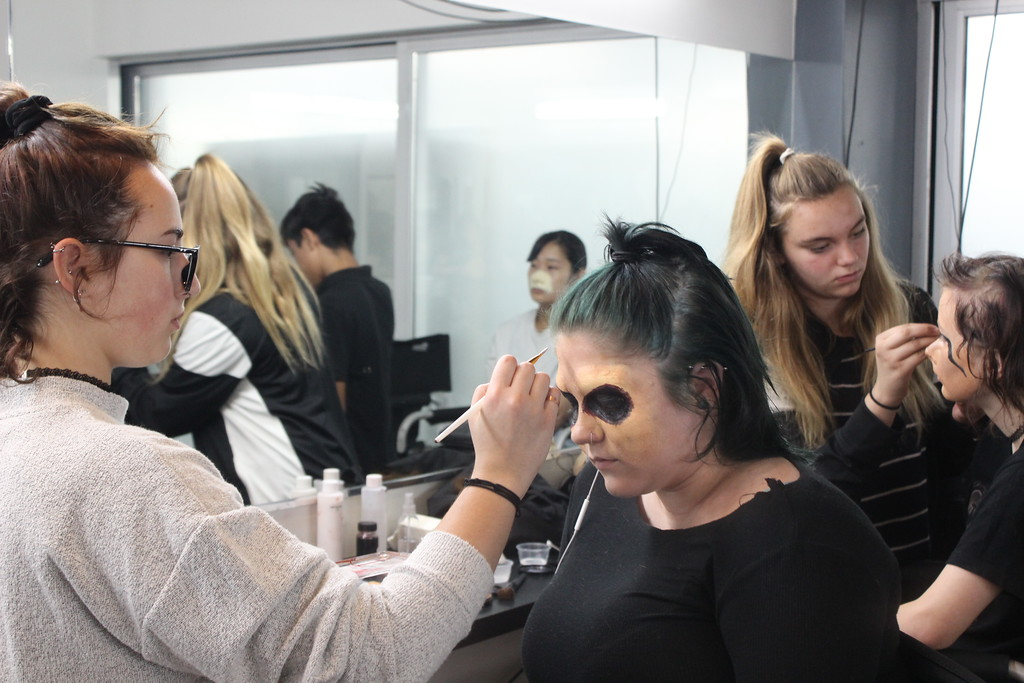
5. Use of Specialized Tools and Materials: Studios provide access to advanced materials, equipment and lab facilities that freelancers might not have.
See how our students use professional tools and materials to create characters –
6. Following Health and Safety Standards: On large sets, hygiene and safety protocols are strictly enforced. Artists are responsible for maintaining a clean workspace, sanitizing tools and ensuring that prosthetics and materials are safe and comfortable for performers.
7. Career Growth and Specialization: Working in a studio often means starting as an assistant or junior makeup artist and advancing into roles like lead SFX artist, department head, or designer over time. It’s also an excellent environment to specialize in niche skills – such as creature effects, gore makeup, or hybrid practical-digital FX work.
What Does Working as a Freelance SFX Makeup Artist Involve?
Working as a freelance special effects makeup artist means operating independently and offering your skills to a variety of clients and projects on a contract or project basis. Instead of being tied to a single studio or employer, freelancers build their own career paths by seeking opportunities across film, television, theater, events, cosplay, photoshoots and more.
This path allows artists to shape their careers around their interests and strengths while building a strong personal brand.
Here’s what the role typically involves:
- Working on a Wide Range of Projects: Freelance SFX makeup artists often collaborate with independent filmmakers, theater groups, event organizers, photographers and private clients. The types of projects can vary widely – from designing creature prosthetics for a short film to creating realistic wounds for a photoshoot or character makeup for a cosplay commission.
- Managing Your Own Schedule and Workload: As a freelancer, you are responsible for planning your own calendar. This includes scheduling projects, setting deadlines and balancing multiple assignments. Flexibility is one of the biggest advantages of freelancing, but it also requires strong time-management skills to keep projects on track.
- Running a Business: Freelancers are essentially small business owners. Beyond makeup artistry, they handle tasks like pricing services, drafting contracts, issuing invoices, filing taxes and keeping track of expenses. Understanding the business side of the profession is essential for long-term success.
- Marketing and Building a Personal Brand: Attracting clients is a key part of freelance work. Freelance makeup artists need to actively promote their skills through online portfolios, social media, networking events and industry connections. Building a strong reputation and showcasing high-quality work helps secure repeat clients and referrals.
- Client Communication and Negotiation: Freelancers interact directly with clients to discuss project requirements, budgets, timelines and creative expectations. Strong communication skills are essential for understanding a client’s vision and delivering results that meet or exceed expectations.
- Continuous Learning and Adapting: Because freelancers work on diverse projects, staying up to date with new materials, techniques and trends is vital. This adaptability keeps their work fresh and competitive in a fast-evolving industry.
Freelance vs. Studio Work: Choosing the Right Special Effects Makeup Artist Career Path
| Feature | Freelance SFX Makeup Artist | Studio SFX Makeup Artist |
| Creative Control | High – choose your projects and style | Moderate – follow team or director’s vision |
| Income Stability | Variable – depends on projects | Stable – regular paycheck |
| Benefits | Rare – must manage your own | Often provided by the employer |
| Work Schedule | Flexible – set your own hours | Fixed – follows studio schedule |
| Networking | Essential – build your client base | Built-in – studio environment |
| Learning Opportunities | Broad – self-driven | Structured – mentorship and team collaboration |
| Career Growth | Based on reputation and portfolio | Structured promotions and roles |
| Project Variety | High – work across many niches | Moderate – depends on studio projects |
What About Hybrid Careers?
It’s worth noting that many successful SFX makeup artists blend both paths. They might work full-time in a studio while taking on freelance projects during breaks, or they might freelance early in their careers and later transition to a studio role.
This combined approach offers the best of both: the stability of studio work and the creative freedom of freelance projects. It’s also a smart way to expand your network and diversify your portfolio.
More Helpful Blogs –
Character Makeup Skills You Need to Start a Career in SFX
SFX Makeup School Costs: What to Expect and How to Afford It
Advanced SFX Makeup Techniques Every Artist Should Master
Tips to Become a Successful Special Effects Makeup Artist in Both Career Paths
Becoming a successful SFX makeup artist requires a combination of creative skill, professional training and industry knowledge. Build a strong portfolio, invest in hands-on training and network with industry professionals. Stay current with trends and technologies and understand the business side of your career. These steps are essential for thriving in both freelance and studio paths.
1. Build a Strong Portfolio
Your portfolio is your calling card. Include high-quality images of your best work – from prosthetics to character transformations. Keep it updated and tailored to the jobs you want.
2. Invest in Professional Training
Building a strong foundation through formal training can give you a major advantage in the competitive SFX makeup industry. Learning advanced techniques like prosthetics, mold-making, digital FX and on-set workflows helps you stand out to employers and clients alike.
At Cinema Makeup School, students receive hands-on, industry-level training designed to prepare them for real-world projects and successful careers.

See what our students say about us!
3. Master Networking
Join industry events, connect with professionals on social media and collaborate with filmmakers and photographers. Strong relationships often lead to repeat clients or job offers.
4. Stay Updated With Industry Trends
New materials, techniques and technologies are constantly evolving. Continuous learning keeps you competitive.
5. Understand the Business Side
Success in SFX makeup requires more than just skill; understanding pricing, contracts, marketing and client communication is essential for building a sustainable career.
Take a tour of our campus in Los Angeles and explore our professional special effects makeup courses.