In special effects makeup, the smallest choices often make the biggest difference. From shaping and molding to applying and blending, every step affects how the final look appears on screen. One important factor in this process is the type of prosthetic used. The weight of a prosthetic can influence comfort, realism and how well the makeup holds up during long shooting hours.
When artists understand how different prosthetic weights behave on the skin, they are able to create makeup that looks natural, moves well and lasts throughout the day.
In this blog, we will cover everything artists need to know about choosing between heavy and lightweight prosthetics and how to use them effectively in SFX makeup.
What Are Prosthetics in SFX Makeup?
Prosthetics are artificial pieces applied to the skin to change facial or body features. These can include scars, burns, creature features, aging effects, fantasy characters and horror wounds.
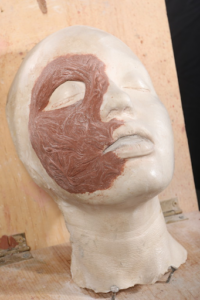
Prosthetics are usually made from materials like:
- Foam latex
- Silicone
- Gelatin
- Latex
- Encapsulated silicone
The weight and thickness of the prosthetic determine whether it is considered heavy or lightweight.
Check out: Foam Latex vs Silicone: Choosing the Right Material for SFX Prosthetics
When to Use Lightweight Prosthetics?
Lightweight prosthetics are best suited for makeup looks that need to appear natural, comfortable and flexible during wear.
1. Close-up and high-definition camera work
Lightweight prosthetics have thin edges that blend smoothly into the skin. This makes them ideal for high-definition filming where even small details are visible.
2. For long shooting hours
Actors can wear lightweight prosthetics for many hours with less discomfort. They reduce pressure on the skin and help prevent fatigue during extended shoots.
3. Scenes that require strong facial expression and dialogue
Lightweight prosthetics move easily with facial expressions, allowing clear dialogue delivery and natural emotional performance.
4. Aging makeup and subtle character changes
Fine wrinkles, soft skin folds and gentle facial changes appear more realistic when created using thin and flexible materials.
5. Fast application and easy blending needs
Lightweight prosthetics take less time to apply and blend, making them useful for fast-paced shoots or learning environments.
When to Use Heavyweight Prosthetics?
Heavyweight prosthetics are used when a makeup look requires strong shape, durability and dramatic transformation.
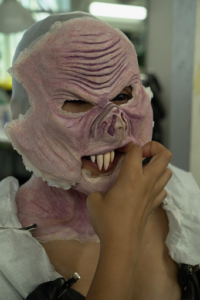
1. Creature and fantasy character designs
Large facial structures, bold character features and non-human looks require thicker prosthetics that can support complex shapes, maintain stability and hold their structure throughout the performance.
2. Action-heavy and stunt-based scenes
Heavy prosthetics stay more secure during intense movement, making them suitable for fight scenes, stunts and physically demanding performances.
3. Stage and theatrical makeup
Stage performances demand makeup that remains clearly visible from a distance. Heavyweight prosthetics help create stronger facial shapes and defined features, allowing the character’s look to stay clear under bright stage lighting and across large viewing spaces.
4. Detailed textures and strong surface depth
Severe scars, damaged skin, bone structures and thick wound effects need heavier materials to achieve proper depth and realism.
How Professional SFX Makeup Training Helps You Make the Right Choice?
Choosing between heavy and lightweight prosthetics can be challenging, especially for beginners. Making the wrong choice can affect the realism, comfort and durability of a makeup look. This is where professional SFX makeup training can make a significant difference.
At Cinema Makeup School, students gain hands-on experience with different prosthetic materials, application techniques and design strategies. Through structured courses and practical labs, aspiring artists learn to handle both heavy and lightweight prosthetics with confidence.
By the end of the training, students are able to professionally evaluate each project, select the right materials and create SFX makeup that looks realistic, moves naturally and meets the needs of any production.
Quick Comparison: Lightweight vs. Heavyweight Prosthetics
| Feature/Factor | Lightweight Prosthetics | Heavyweight Prosthetics |
|---|---|---|
| Material & Thickness | Thin, flexible and soft; blends easily into the skin | Thick, dense and rigid; holds strong shapes and structure |
| Comfort & Wear Time | Comfortable for long shoots; reduces skin strain and fatigue | Heavier on the skin; best for short-duration use |
| Facial Movement | Moves naturally with expressions; ideal for dialogue-heavy or emotional scenes | May restrict facial movement; suited for less expressive roles or brief appearances |
| Camera & Detail | Best for close-up and high-definition shots; thin edges create seamless blends | Works well for wide shots; edges may be visible in close-ups, but the structure is clear from a distance |
| Best For | Aging makeup, subtle character changes, natural looks, fast application | Creature designs, fantasy characters, stage/theatrical performances, detailed textures like scars and wounds |
| Durability | Moderate; suitable for controlled environments | High; withstands stunts, physical action and challenging shooting conditions |
| Application Time & Skill Level | Quick to apply and blend; beginner-friendly | Requires longer application, advanced blending and higher skill |
| Cost / Budget | Usually more affordable; good for low-budget or fast-paced projects | Higher cost due to materials and labor; suited for large-scale productions |
| Actor Comfort & Safety | High; reduces fatigue and skin stress | Can cause strain; requires careful application to protect sensitive skin |
| Visual Impact | Subtle, natural and realistic | Bold, dramatic and highly structured |
Related Articles –
How to Make SFX Makeup Last Longer on Skin?
How to Work with Latex, Silicone and Prosthetics Safely?
How Movie Makeup Changes Audience Perception of a Character?
Key Factors to Consider When Choosing Prosthetics
Choosing the right prosthetic is not only about how the final makeup looks. Several factors affect how well the prosthetic performs during application, filming and wear. Understanding these factors helps artists avoid common problems and achieve professional results.
1. Purpose of the makeup look
The first thing to consider is what the makeup is meant to achieve. A subtle aging effect, a realistic wound, or a full creature transformation will each require different prosthetic weight and structure. Matching the prosthetic type to the character design ensures the makeup supports the story.
2. Duration of wear
How long a prosthetic needs to stay on the actor’s skin is an important consideration. Heavy prosthetics work well for short scenes, but for long shoots, lighter options are preferable as they keep the actor comfortable and reduce skin strain.
3. Level of facial movement needed
Some roles require strong expressions, emotional reactions, or continuous dialogue. Prosthetics should allow natural movement without cracking, lifting, or restricting the face.
4. Shooting environment and conditions
Indoor studio shoots, outdoor locations, heat, humidity and physical activity can all affect prosthetic performance. Heavier prosthetics tend to hold up better under demanding conditions, while lighter ones perform well in controlled environments.
5. Camera distance and detail level
The distance between the camera and the actor matters. Close-up shots reveal edges, texture and blending quality, making thin prosthetics more suitable. Wider shots allow for thicker builds without showing fine details.
6. Actor comfort and skin safety
Comfort should never be ignored. Heavy prosthetics can cause strain, especially on sensitive areas like the jaw or eyes. Considering skin type, sensitivity and overall comfort helps protect the actor and ensures smoother shoots.
7. Application time and skill level
Some prosthetics require advanced blending techniques and longer application time. Artists should choose prosthetics that match their experience level and the time available on set.
8. Budget and production scale
Materials, labor and preparation time all affect cost. Smaller productions often benefit from simpler, lightweight prosthetics, while larger productions can support complex heavyweight designs.
Book a tour of our special effects makeup school in Los Angeles and begin your journey in SFX artistry, learning hands-on techniques from industry professionals.