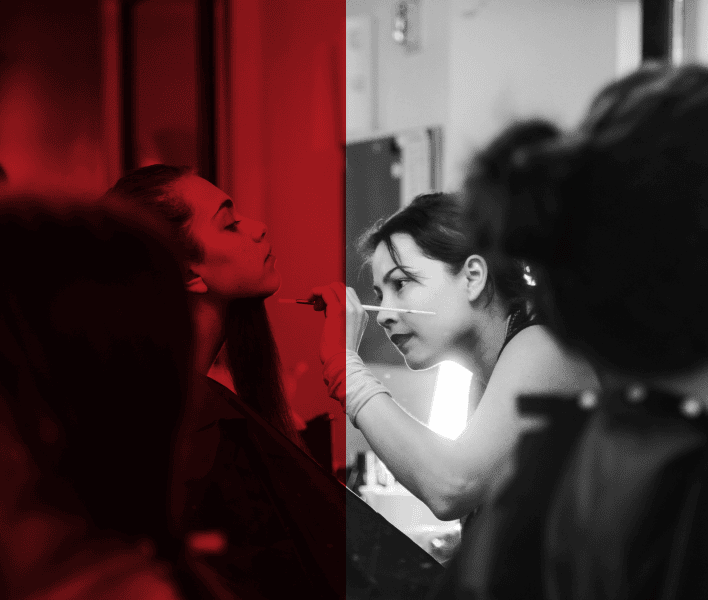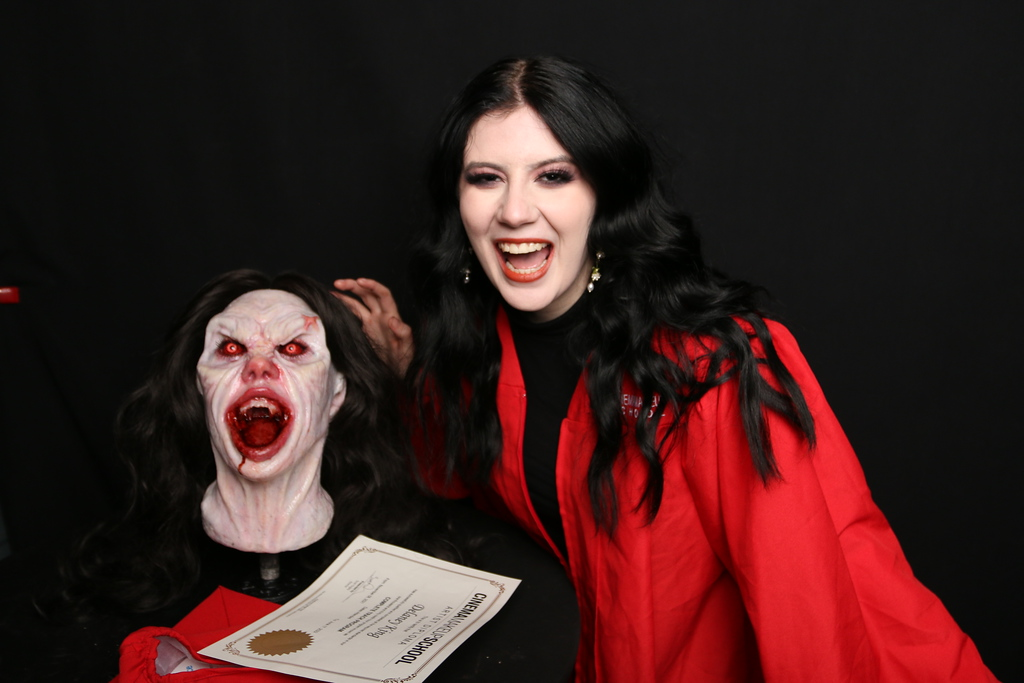
In the beauty and entertainment industry, the boundaries between traditional makeup and special effects makeup are becoming increasingly blurred. Today’s commercial makeup artists are expected to handle a wide range of creative demands – from simple beauty looks for advertisements to conceptual character transformations for marketing campaigns. This is where Special Effects Makeup Training becomes a valuable asset.
For professionals aiming to stand out in commercial makeup, SFX knowledge offers a unique advantage. But how? Let’s go through how commercial makeup artists can grow their careers through SFX training and why this combination is becoming a new industry standard.

Responsibilities of Commercial Makeup Artists
A commercial makeup artist plays a vital role in shaping how brands communicate their identity through visual media. Their primary responsibility is to design looks that support the creative concept of advertisements, photo shoots and promotional videos. The goal is not just to make a model look attractive but to express the mood, message, or lifestyle that the brand wants to convey.
Commercial makeup artists work across various settings such as television commercials, fashion editorials, e-commerce shoots, corporate branding campaigns and social media promotions. They must tailor each look to suit the lighting, camera angles and production style of the project.
Key responsibilities typically include:
- Preparing skin and applying makeup that photographs or films well under different lighting setups.
- Collaborating closely with photographers, art directors, stylists and creative teams to achieve cohesive results.
- Adjusting looks on set to maintain continuity during long shooting hours.
- Understanding how color theory, facial structure and product textures translate through high-definition cameras.
- Following health, safety and sanitation protocols at all times.
Why SFX Training Matters for Commercial Makeup Artists?
The commercial makeup industry is evolving quickly. Modern brands are pushing boundaries with visually striking and emotionally driven campaigns. Instead of relying solely on traditional beauty looks, many now incorporate cinematic or transformative elements to tell a story. SFX makeup training gives commercial makeup artists the creative and technical tools to meet these growing expectations.
Here are some of the key ways commercial makeup artists benefit from SFX training:
1. Greater Creative Range
SFX training broadens an artist’s creative vocabulary. It allows a commercial makeup artist to go beyond standard beauty looks and design high-impact visuals for branding campaigns.
For instance, a cosmetic brand promoting a “rejuvenation” product might want a visual transformation showing age reversal. An artist trained in SFX can use subtle aging makeup, prosthetic blending and texture work to create that effect convincingly.

Similarly, a fashion brand with a fantasy-themed shoot might need metallic or creature-inspired designs. SFX techniques like airbrushing, body paint and prosthetic detailing help bring these concepts to life.
This creative flexibility makes the artist more valuable to clients and opens opportunities in multiple creative industries.
2. Increased Job Opportunities
Versatility is one of the most important qualities that determines success in a commercial makeup career. Special effects makeup training allows artists to expand their creative range and qualify for a wider variety of projects.
Commercial makeup artists with SFX knowledge can contribute to:
- Conceptual or avant-garde advertising shoots
- Music videos and pop culture campaigns
- High-end fashion editorials
- Promotional content for the film and gaming industries
- Halloween or seasonal product promotions
3. Better Understanding of Lighting and Camera Work
Both commercial and SFX makeup rely heavily on how looks appear under different lighting setups and camera types. In SFX training, artists learn to account for high-definition cameras, close-up shots and post-production color grading.
These technical insights are invaluable in commercial work. Whether shooting a skincare ad or a digital campaign, makeup must appear flawless on camera. Artists trained in SFX understand how texture, shading and color contrast behave under studio lights, ensuring professional results.
This awareness helps commercial makeup artists create camera-ready looks that require minimal post-production correction, saving both time and production costs.
4. Technical Mastery and Material Knowledge
Commercial makeup often involves close-up shots where every detail counts. SFX training teaches artists how to handle specialized materials like silicone, latex and prosthetic adhesives with precision.
This knowledge improves product control, hygiene and durability on long shoot days. It also allows artists to experiment with textures, metallic finishes, or skin effects that will improve standard commercial looks into something visually distinctive and on-brand.
5. Ability to Execute Conceptual and Narrative Looks
Today’s commercial campaigns are increasingly narrative-driven – brands tell stories rather than just showcase products. SFX-trained commercial makeup artists can design looks that support storytelling, such as aging progression, fantasy elements, or futuristic designs.
For example, a tech company might request a “cybernetic” theme, or a fitness brand might visualize transformation through makeup effects. SFX knowledge helps bring these creative briefs to life in a believable and visually compelling way.
Where to Get SFX Makeup Training for Becoming a Commercial Makeup Artist?
Choosing the right school for SFX makeup training can shape your entire career as a commercial makeup artist. At Cinema Makeup School, we take pride in being a global leader in professional special effects makeup education, offering specialized programs that merge creativity with real-world production skills.
Our training goes beyond surface beauty – students gain hands-on experience in prosthetics, airbrushing, creature design and digital FX, all while mastering the precision and adaptability needed for commercial projects. Every class is taught by working industry professionals who share insights from film, television, advertising and fashion sets.
We believe in learning by doing. That’s why our studio is designed to replicate actual production environments, helping students develop speed, accuracy and confidence under realistic timelines. By graduation, each artist builds a professional portfolio that highlights both technical mastery and creative vision – key assets for success in commercial makeup work.
Note: Visit our YouTube channel to explore real student projects, SFX transformations and commercial looks created during training at Cinema Makeup School.
Explore more blogs –
How Special Effects Makeup Transformed Horror Movies?
How Much Do Special Effects Makeup Artists Make? A 2025 Insight
Career Options for Special Effects Makeup Artists
How to Become a Commercial Makeup Artist with SFX Skills
Breaking into commercial makeup artistry takes more than creativity – it requires technical precision, adaptability and a strong understanding of how makeup works on camera. Adding SFX skills to your toolkit gives you the edge to create impactful, story-driven looks that stand out in today’s visual industry. Here’s a simple roadmap to help you get started on your journey.
Step 1: Build a Foundation in Special Effects Makeup Techniques
Start with the basics – skin preparation, color theory, product knowledge and on-camera beauty application. Understanding facial anatomy and lighting principles provides a strong base for both commercial and SFX work.
Step 2: Practice and Build Your Portfolio
Experiment with both beauty and effects makeup. Create looks suitable for brand advertisements, fantasy shoots, or concept art. Document your work through professional photography, as visuals are crucial for attracting commercial clients.
Step 3: Network and Collaborate
Connect with photographers, stylists and creative directors through social media and local events. Collaborations can help you gain exposure and access to new opportunities in commercial advertising.
Step 4: Keep Learning and Updating Skills
Makeup technology evolves constantly. Keep up with new materials, digital sculpting tools and cosmetic trends. Continuous learning ensures you remain relevant and competitive.
If you’re ready to take the next step toward our professional special effects makeup course, schedule a tour of our school.