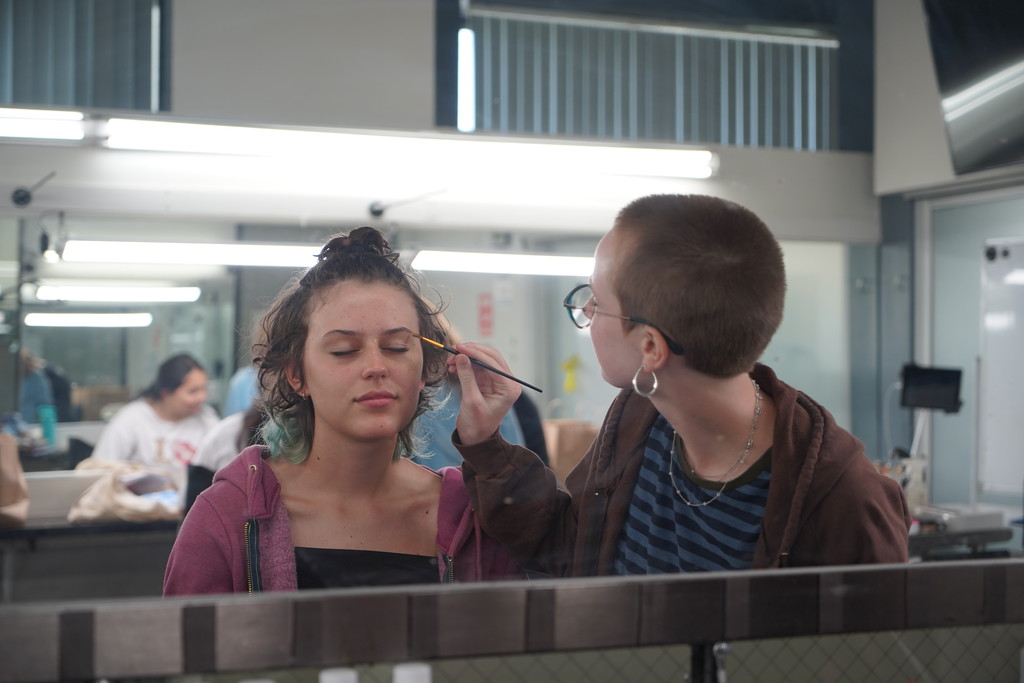
You’ve been practicing SFX makeup for a while now. You understand the materials, you have watched countless tutorials online and your work keeps improving with every attempt. But when it comes to applying for real jobs in the industry, you keep hitting the same problem: everyone wants experience and you do not have any yet.
This is exactly where SFX makeup internships become incredibly valuable. They are not just something to add to a resume; they are opportunities to step into the professional environment of film, television, or live productions.
Let’s explore how these internships can become one of the most valuable opportunities for artists who want to build a long-term career in the SFX industry.
Are Internships More Important Than a Certificate in SFX Makeup?
Honestly, yes, in most cases. A special effects makeup certificate shows that you completed a course. An internship shows that you can actually do the work in a real environment. When someone is hiring for a production, they are not looking at your grades. They want to know if you have been on a set before, if you can handle pressure and if you can deliver clean work fast.
That does not mean a certificate is useless. It can teach you the fundamentals, give you structured practice time and help you build a basic portfolio before you apply for sfx makeup internships. Think of it this way: a certificate gets you ready, but an internship gets you hired.
A Guide on Diploma vs Certificate in SFX Makeup Course: Which Path Should You Choose?
Here is a straight comparison so you can see the difference clearly:
| Factor | Certificate/Course | SFX Makeup Internship |
| What you learn | Techniques, theory and controlled practice | Real application under actual production conditions |
| Who teaches you | Instructors following a curriculum | Working professionals on live projects |
| Portfolio outcome | Practice work done in class | Work from real productions that you can show employers |
| Industry connections | Limited to classmates and teachers | Direct access to directors, lead artists and crew |
| Set experience | None | You are on an actual set from day one |
| How employers see it | Shows you have basic knowledge | Shows you can handle a real job |
| Cost | You pay for it | Often paid or free, sometimes academic credit |
Note:
Cinema Makeup School goes beyond teaching the techniques. Our special effects makeup courses are designed to help students understand how professional production environments actually work.
Through hands-on projects and guidance from instructors with real industry experience, students learn the workflows, expectations and standards used in film and television makeup departments. This kind of preparation helps artists feel more confident and ready when they step into real industry opportunities.
How Special Effects Makeup Internships Open the Door to Career Opportunities?
Internships help you gain production credits, strengthen your portfolio with real work, understand different career paths and build connections with professionals. You will develop confidence and learn the industry standards expected on film and television production sets.
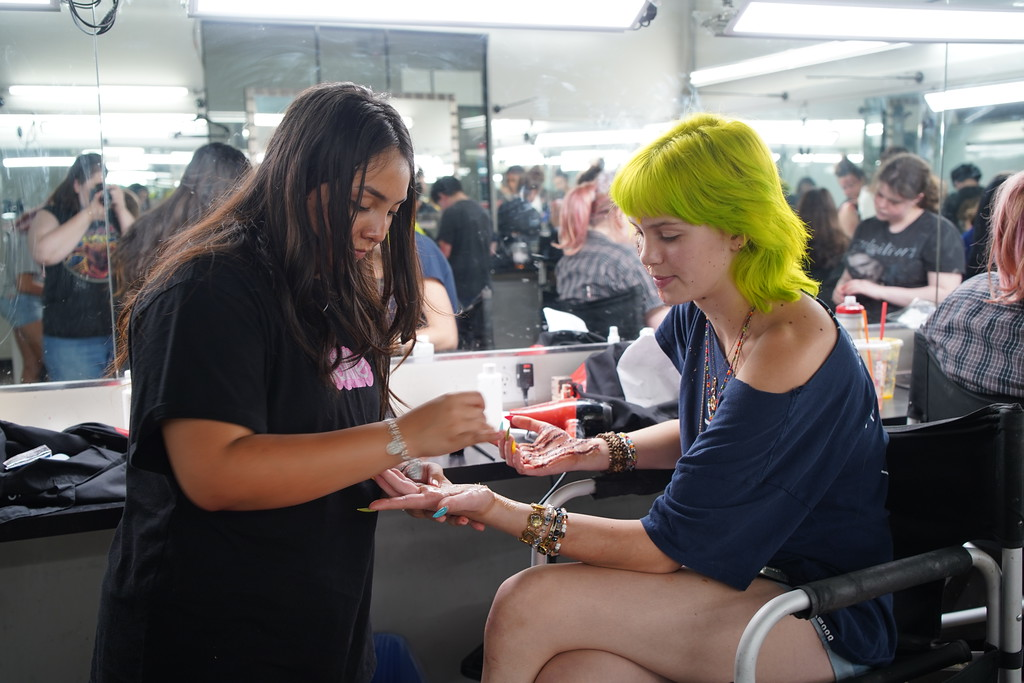
1. You Get Your First Real Credit
The moment you complete a special effects makeup internship, you have a legitimate credit. You worked on a real project. You can name the production, the team and the role you played. That one line on your profile changes how people perceive you. It tells them you have been in a real environment and you handled it.
2. Your Portfolio Actually Means Something
Most aspiring SFX artists have a portfolio before they ever step into an internship; practice shots are taken at home. There is nothing wrong with that and it is a good way to get started. But industry professionals can immediately tell the difference between a practice shot and work done on a real production.
The lighting is different. The finish is tighter. The context is clear. When your portfolio includes work from internships, even if you were assisting and not leading, it signals that you know how to perform under professional conditions.
Learn How to Build a Portfolio That Gets You Hired as an SFX Makeup Artist?
3. You Discover Your Career Direction in SFX Makeup
Special effects makeup includes many different specialties and beginners often don’t realize how varied the field is until they see professionals at work. Some artists focus on prosthetics and sculpting, while others specialize in on-set character makeup, creature design, or technical effects.
By observing these roles in real working environments, aspiring special effects makeup artists begin to understand which type of work interests them the most. This clarity helps them focus their learning, build a stronger portfolio in the right area and gradually shape a career path that matches their strengths and creative interests.
4. Lead to Your First Industry Referrals
In the film and television industry, many opportunities come through recommendations rather than job postings. When professionals see your work ethic and skills during training or early project experience, they are more likely to suggest your name for future productions.
A referral from an experienced SFX makeup artist carries strong credibility because it comes from someone who has already observed how you work in a professional environment. For many beginners, these recommendations become the first step toward getting real opportunities and building a career in the industry.
5. You Gain Confidence for Future Projects
Confidence in the SFX industry often comes from real experience rather than practice alone. Once you have worked in a professional environment, you begin to understand how sets operate, how to communicate with directors and actors and how to manage your workspace during busy production days.
That early exposure creates a strong foundation. Instead of worrying about the basics, artists can focus more on the creative side of the job. This shift in confidence is noticeable on set and experienced professionals tend to recognize it quickly.
6. You Learn Real Industry Standards
Working in a professional production environment introduces you to the standards that experienced artists follow every day. Makeup departments operate with clear systems for organization, hygiene, preparation and time management. Observing these practices helps beginners understand how professionals maintain efficiency and consistency during busy production schedules.
Artists quickly learn the importance of arriving prepared, keeping their workstations organized, handling materials responsibly and staying focused during long filming days. These habits prepare them to operate at the same level of professionalism that the industry demands.
Get to know: Importance of Hygiene and Safety in SFX Makeup Careers
How to Find SFX Makeup Internships?
Finding SFX makeup internships requires a combination of research, outreach and preparation. Here is a practical approach to getting your foot in the door:
- Build a strong beginner portfolio before applying. Even if it is just practice work done at home, having photos of clean character transformations is helpful.
- Reach out directly to local film production companies, theater groups, haunted attractions and SFX studios. Many special effects makeup internships are never advertised publicly; they are filled through direct inquiries from motivated candidates.
- Attend industry trade shows, workshops and conventions such as IMATS (International Makeup Artist Trade Show), where you can connect with SFX professionals and learn about available internship programs.
- Leverage social media platforms, particularly Instagram and TikTok, to showcase your SFX makeup work and connect with working artists.
Take a tour of our SFX makeup school in Los Angeles, CA and get prepared to pursue a career in special effects makeup.