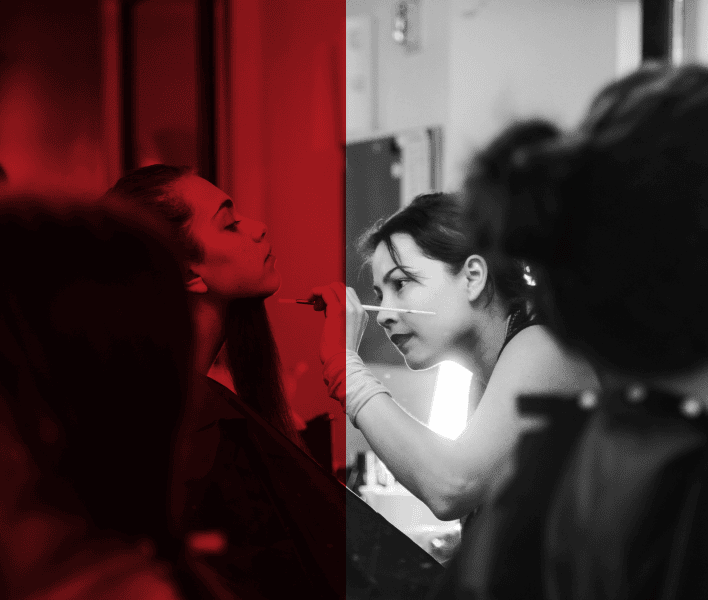
For every aspiring special effects makeup artist, the early days are filled with excitement – mixed with a little fear. You’ve seen creatures on screen, prosthetics that move with an actor’s face and monsters that look like they crawled straight out of a nightmare. But when it comes to practicing? Most beginners freeze at the thought of applying their skills directly to a human face or body.
That’s where mannequins step in. In the SFX makeup, they’re training partners – patient, consistent and endlessly reusable.
In this blog, we will explore exactly how the mannequins help SFX makeup learners, why they’re essential and ways you can use them effectively to grow your creative and technical abilities.
Why Mannequins Are a Must-Have for New SFX Makeup Artists?
Mannequins are more than just practice heads – they’re essential tools that help beginners gain confidence, experiment freely and build foundational skills in special effects makeup. From learning basic applications to mastering prosthetics, bald caps and airbrushing, mannequins provide a safe, consistent and reusable surface for practice.
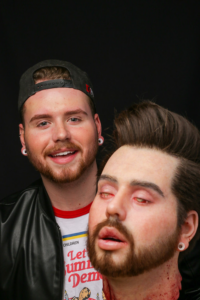
Let’s explore in detail:
1. Perfect for Learning Basic Application Techniques
Every SFX makeup artist starts by mastering the fundamentals: color application, contouring, adhesive control, blending, painting and even entry-level sculpting. Practicing these skills on a mannequin makes the process far less intimidating than working on a live actor.
Because mannequins have no sweat, oils, or pores, they offer a consistent and predictable surface that lets beginners focus entirely on improving their technique without worrying about skin irritation or discomfort. If something goes wrong, you can simply wipe it away, clean the surface and try again, turning every mistake into an instant do-over that speeds up learning.
2. Great for Practicing Prosthetic Application & Removal
Applying prosthetics is one of the most important skills in special effects makeup and mannequins make it much easier for beginners to learn proper placement, adhesive control, edge-blending and safe removal. Their stable head shape provides a firm base for attaching foam latex, silicone, or gelatin appliances without worry of movement.
You can experiment with different adhesives like Pros-Aide, Spirit Gum, or silicone adhesives and practice blending edges cleanly.
Common Prosthetic Applications You Can Learn on Mannequins:
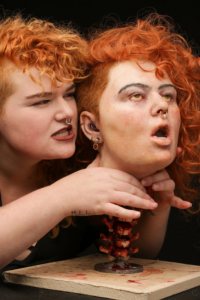
- Nose extensions – practice nose shaping, positioning and blending for creature or character looks.
- Brow and forehead appliances – perfect for enhancing expressions or creating alien ridges.
- Cheek and jaw enhancements – learn to build structure for zombies, mutants, or aged characters.
- Chin pieces – great for strengthening face shapes or creating stylized silhouettes.
- Eye bag and under-eye prosthetics – ideal for subtle aging, fatigue, or creature details.
- Wound prosthetics – cuts, gashes, bullet holes, burns and trauma effects.
- Ear appliances – elf ears, faun ears, or damaged ear effects.
- Neck and throat appliances – practicing slashes, creature textures and structural builds.
- Cyborg/robotic pieces – mechanical plates, exposed machinery, or metallic enhancements.
- Silicone or gelatin pieces – great for learning heat sensitivity, softness and natural movement.
3. Helps Artists Learn Bald Cap Application Without Stress
Bald caps are a core part of almost every SFX makeup curriculum, but applying one on a real person for the first time can feel overwhelming. Practicing on a mannequin removes that pressure and gives beginners a safe space to learn the entire process at their own pace. With a mannequin, you can practice stretching and positioning the cap without worrying about someone’s comfort.
It also allows you to test heat tools like hair dryers for smoothing and shrinking the cap without the risk of burning a real scalp. Since mannequins can be reused endlessly, you can repeat the entire application as many times as needed to build confidence. Bald caps demand patience and mannequins make mastering this technique far easier for any beginner.
Learn How to Apply Latex & Vinyl Bald Caps in Character Makeup?
4. Perfect for Practicing Airbrush Makeup
Airbrushing is a major SFX skill used for gradients, skin tones, creature textures and full-body designs. Mannequins give beginners the perfect surface to master this technique. You can experiment freely with alcohol- or silicone-based paints and refine your hand movements until they feel natural.
You can:
- Learn proper air pressure and trigger control
- Practice distance and movement for smooth gradients
- Test shading, stencils and detail patterns
- Layer colors evenly without worrying about human sensitivity
- Clean and repaint repeatedly to perfect your technique
5. Helps Build Portfolio Pieces Early On
One of the biggest challenges for beginner SFX makeup artists is creating strong portfolio material before working with real models or actors. Mannequins make this process incredibly accessible. Their stable, unmoving surface allows you to take your time and craft clean, detailed character looks.
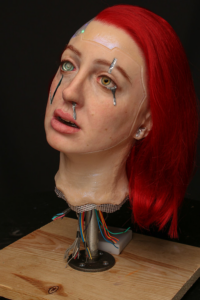
As mannequins don’t move or sweat, your work stays intact long enough for professional-style photos, giving you high-quality images that can impress special effects makeup schools, clients and future employers. Many beginners use mannequins to develop their first signature looks and these early portfolio pieces often become the foundation of their creative identity.
6. Allows Beginners to Work at Their Own Pace
Every artist learns differently and mannequins give beginners the freedom to practice without deadlines, pressure, or time limits. You can pause, step back, evaluate your work and return hours later without worrying about someone waiting or getting uncomfortable. This slower, self-paced approach helps artists refine blending, painting, sculpting and prosthetic techniques with patience and precision.
Want to Turn Mannequin Practice into a Career?
Practicing on mannequins is a crucial first step, but the next step is learning from experienced professionals. Cinema Makeup School offers hands-on SFX makeup courses designed to transform beginner skills into a real career.
Here, students go beyond mannequin practice to work with prosthetics, bald caps, airbrushing and full character creations under expert guidance. The courses combine practical training with industry insights, helping you gain confidence, master techniques and understand the tools used by professionals on set.
Students also build portfolio-ready work, which you can see on our YouTube channel, receive one-on-one feedback and learn professional workflows – preparing them for opportunities in film, TV and creative media.
Related Articles –
SFX Makeup Kit Checklist for Beginners
Character Makeup Skills You Need to Start a Career in SFX
Online vs In-Person SFX Makeup Course
How to Set Up a Proper Practice Space With a Mannequin?
Set Bright, Clear Lighting: Good lighting is essential for seeing details, textures and colors correctly. It helps you spot mistakes and improves blending, painting and prosthetic placement.
Stable Surface for Mannequin: Place your mannequin on a sturdy table or stand to prevent movement. Stability ensures accurate work and lets you focus on technique rather than balance.
Tools Within Easy Reach: Keep brushes, sponges, adhesives, paints and sculpting tools nearby. This saves time, maintains workflow and keeps practice sessions efficient.
Clean and Organized Workspace: Use silicone mats, paper towels, or cups to keep the area tidy. A clean workspace protects your tools, mannequin and prosthetics while promoting professional habits.
Proper Ventilation: Ensure good airflow when using adhesives, paints, or alcohol-based products. It keeps the environment safe and comfortable for longer practice sessions.