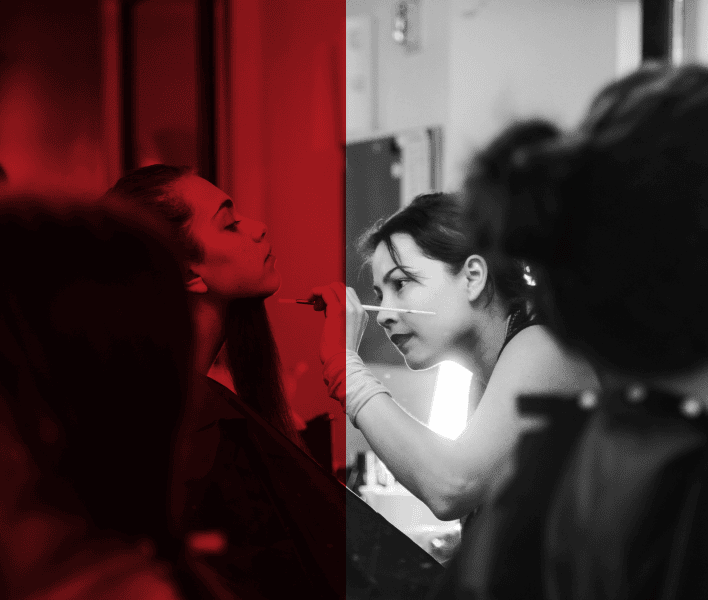
If you think special effects makeup is all about prosthetics, latex and fake blood – you’re only half right. The modern SFX makeup career has evolved into a fascinating mix of art and technology. From 3D printing to digital sculpting, the creative process now blends special effects makeup school artistry with futuristic tools that push imagination to new limits.
Whether you’re just starting your career or looking to upgrade your skills, understanding how technology has changed the industry will help you stay ahead of the curve and make your work stand out in film, TV, or gaming.
How Modern Tools Are Shaping Special Effects Makeup Career
Technology has completely reshaped how special effects makeup artists work, learn and create characters. From sculpting lifelike creatures to testing designs digitally before applying them to actors, every step has become faster, smarter and more collaborative. Here’s how it’s making a difference:
1. Digital Sculpting Brings Precision and Freedom
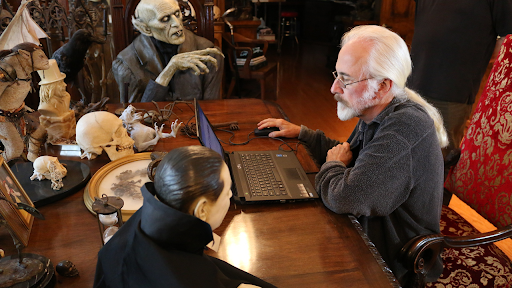
Tools like ZBrush have revolutionized sculpting for SFX makeup artists. Instead of working with clay, artists can digitally model faces, creatures and prosthetics with microscopic detail. It’s easier to undo, experiment and refine – no wasted material, no long reset times.
Why it matters: Artists can perfect their designs before moving to physical molds, saving time and improving accuracy.#
2. 3D Printing Turns Imagination into Reality
Once a design is finalized digitally, 3D printing brings it to life with incredible precision. Artists can create exact prosthetic pieces, props, or maquettes that perfectly match their concepts. This technology ensures consistency, accuracy and increased production efficiency. It’s a true game-changer that helps artists transform bold ideas into tangible, screen-ready creations.
3. Digital FX and Post-Production Collaboration
SFX makeup artists often collaborate closely with digital FX teams to merge practical makeup with digital effects. This teamwork ensures that prosthetics, textures and makeup details match perfectly with CGI, lighting and camera angles. By coordinating from the design stage to the final edit, artists can create looks that appear completely real on screen.
4. Augmented Reality (AR) for Makeup Previews
Augmented Reality (AR) is giving SFX makeup artists a whole new way to plan their designs. With AR tools, artists can try out different makeup styles and effects virtually, seeing how colors, textures and prosthetics will look on a face before anything is applied.
This technology allows clients, directors and designers to visualize the final result in real time, making it easier to adjust details, experiment with bold ideas and ensure the creative vision is aligned from the very start.
5. Virtual Training and Online Learning Platforms
Online education has transformed how aspiring special effects makeup artists learn and grow. Virtual classrooms, live workshops and video tutorials allow artists to study professional techniques from anywhere in the world, at their own pace. This accessibility makes it easier than ever to start or advance your SFX makeup career, connecting students with industry-level training no matter where they are.
6. Digital Portfolios and Virtual Showcasing
SFX makeup artists no longer have to rely solely on in-person networks to get noticed. With digital portfolios, social media and VR demos, their work can reach audiences around the world instantly. Platforms like Instagram and YouTube and ArtStation act as professional galleries, showcasing skills, creativity and finished projects.
This visibility helps artists attract clients and open doors to collaborations – giving their career a global stage.
7. On-Set Technology for Real-Time Adjustments
On modern film and TV sets, makeup artists have access to high-definition monitors and real-time feedback tools. These technologies allow artists to see exactly how their makeup appears under different lighting, camera angles and filming conditions. By checking their work instantly, they can make precise adjustments on the spot, ensuring every detail looks perfect on screen.
This level of control helps maintain the quality and realism of the makeup throughout the shoot, no matter how challenging the production environment.
How to Stay Ahead in This Tech-Driven Industry
SFX makeup is changing fast and staying ahead means combining creativity with technology. Here’s how artists can keep their skills sharp and relevant:
- Learn Both Hands-On and Digital Techniques: Master sculpting, painting and prosthetic application, while also exploring digital sculpting tools like ZBrush or Blender. Combining traditional skills with digital tools makes you a versatile, in-demand artist. Note: At Cinema Makeup School, we offer specialized tracks to help you gain these digital skills. Our ZBrush course teaches essential digital sculpting techniques, including creating character busts, intricate textures, hair and accessories. Meanwhile, our Digital FX course focuses on Photoshop, helping students master creature concept art, retouching and digital manipulation.
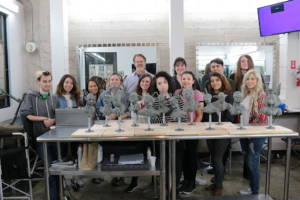
Both courses are designed for hands-on learning and require no prior experience – perfect for SFX artists looking to expand their skill set and stay ahead in this tech-driven field.
- Experiment With New Tools: From 3D printing prosthetics to using augmented reality for previews, testing new techniques allows you to create previously difficult effects. Small projects at home can help you build confidence.
- Build Your Network: Share your work through social media, digital portfolios and online communities. Connections with fellow artists, producers and studios often lead to opportunities where hybrid skills are highly valued.
- Keep Learning and Adapting: Technology keeps evolving, but creativity remains key. Stay curious, attend workshops, follow industry trends and adapt your techniques. Artists who combine artistry with tech skills will always have an edge.
Don’t Miss These Articles –
How Special Effects Makeup Transformed Horror Movies?
SFX Makeup School Costs: What to Expect and How to Afford It
Why SFX Makeup Artists Should Study Human Anatomy for Sculpting Realistic Prosthetics?
Schedule a tour of our special effects makeup school to experience hands-on training and learn from professional SFX artists.