Let’s be honest – putting a price on your creativity can feel tricky. You’ve spent hours perfecting fake wounds, sculpting prosthetics and transforming faces into creatures straight out of a movie, but when it’s time to charge, you get confused.
What if your rates are too high or too low?
Every special effects makeup artist faces this stage. Setting makeup artist prices isn’t just about choosing a random number; it’s about understanding your worth, the effort behind each transformation and what the market is willing to pay.
In this blog, we break down the key factors that influence SFX makeup artist prices, compare hourly and complete project rates, share strategies to justify your rates to clients and provide guidance on when and how to increase your pricing to grow your career confidently.
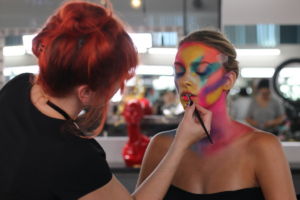
Understanding the Value of SFX Makeup Work
Special effects makeup isn’t your average beauty makeup gig – it involves advanced techniques, hours of prep work, prosthetic applications, sculpting and specialized materials that come with higher costs and greater expertise.
That’s why your makeup artist rates must account for:
- The complexity of the look (prosthetics, molds, or simple paintwork)
- The materials used (latex, silicone, foam, adhesives)
- The time required (design, prep, application and cleanup)
- Your experience and reputation
- The type of client (film studio, theater production, photoshoot, or private commission)
Clients aren’t just paying for a few hours of work; they’re paying for your creativity, technical knowledge and the ability to bring characters to life.
Factors That Influence SFX Makeup Artist Prices
Before you put a number on your work, it’s important to understand what shapes your value as an SFX makeup artist. Your pricing isn’t just about the time spent applying prosthetics – it reflects your creativity, training and professional standards. Here are the key factors to consider:
A. Experience and Skill Level
The more experience and technical mastery you have, the more your special effects makeup services are worth. SFX MUA, who’ve trained in advanced techniques such as prosthetics, digital FX, creature design, or airbrushing, naturally command higher rates. Clients are paying not only for your time but also for your expertise – the precision, safety and artistry that come from years of practice and education.
B. Location
Special effects makeup artist rates can vary by city and region.
- Los Angeles or New York City: SFX makeup artist rates tend to be higher due to the strong entertainment industry presence and higher cost of living.
- Smaller Cities or Regional Areas: Rates may be lower, but you might face less competition, which can help you build a loyal client base faster.
Understanding your local market helps you set realistic rates that align with industry expectations while remaining competitive.
C. Project Type
Not all makeup artist jobs are created equal. A quick zombie look for a Halloween photoshoot will be priced very differently from a full-body creature transformation for a film or music video. The complexity, duration and artistic demand of each project should directly impact makeup artist prices. Always clarify the project’s requirements before quoting – including prep time, on-set work and potential touch-ups.
D. Material Costs
Special effects makeup relies heavily on high-quality materials and they’re rarely cheap. Silicone, latex, prosthetic adhesives, pigments, fake blood and sealants all add up fast. Some artists charge a separate materials fee, while others include it in their total rate. Either way, transparency with your clients ensures they understand what they’re paying for and builds trust in your professionalism.
E. Time Investment
Every transformation requires time beyond just the application. Design sketches, color tests, setup and cleanup all take effort and that effort should be compensated. For example, if a prosthetic makeup requires six hours of work and two more for cleanup and design, your rate should reflect that total investment. Charging fairly for your time ensures your work remains sustainable and respected.
Hourly vs. Complete SFX Makeup Artist Prices
| Model | When to Use | Pros | Cons |
| Hourly Rate | Smaller jobs, short-term gigs, or projects with uncertain scope | Transparent for clients; ensures you get paid for every hour | Hard to predict final cost; not ideal for complex or unpredictable looks |
| Complete Project Price | Well-defined, larger creative projects or repeatable services | Gives flexibility in process; predictable pricing for clients | Must accurately estimate time, effort and materials to avoid undercharging |
| Hybrid Approach | Mix of both hourly and flat, depending on project complexity | Combines benefits of hourly and flat rates; adaptable to different project types | Requires experience in estimating time and project scope accurately |
How to Justify Your Prices to Clients?
Setting your rates as a special effects makeup artist is only half the battle. The other half is justifying your prices to clients in a way that communicates your value while maintaining professionalism. Many aspiring SFX artists struggle to explain why their prices might be higher than expected, but with the right approach, you can confidently secure fair compensation.
- Highlight Your Expertise and Training: Clients pay for skill, not just time. If you’ve trained in advanced SFX techniques, prosthetic applications, or digital FX, make sure to emphasize this. Explaining your credentials, such as completing courses at a professional institution, shows clients that your work reflects professional standards, justifying higher makeup artist prices.
Note: Students who have graduated from our special effects makeup school, i.e., Cinema Makeup School, are proud to showcase the expertise they gained from our professional instructors. You can become the next SFX artist to confidently command top-tier makeup artist rates, impress clients with your skills and create industry-standard special effects that stand out in film, TV and events.

Visit our YouTube channel to see how our graduates showcase their creativity and the professional skills they developed at Cinema Makeup School.
- Compare With Industry Standards: Referencing average makeup artist rates in your area helps clients contextualize your pricing. For example, if your local rates for a standard SFX session range from $200–$400 and your rate is $350, you’re within the industry standard. This positions your prices as fair and reasonable.
- Emphasize Quality and Reliability: Clients want consistent results without surprises. Highlight your attention to detail, ability to meet deadlines and adherence to hygiene standards. Showing clients the quality and professionalism of your work, instead of offering a cheap alternative, helps explain why your rates are fair.
- Communicate Confidence and Professionalism: The way you present your pricing matters as much as the number itself. Confidently stating the rates, supported by a detailed explanation of SFX makeup services, materials and outcomes, reassures clients that they are investing in quality results.
Related Blogs:
How Much Do Special Effects Makeup Artists Make? A 2025 Insight
SFX Makeup School Costs: What to Expect and How to Afford It’
Career Options for Special Effects Makeup Artists
When and How to Raise Your Rates?
As your skills and experience grow, every makeup artist should increase their prices. Positive client feedback, repeat bookings and the ability to consistently deliver high-quality results are strong indicators that your expertise warrants higher compensation.
Rate increases work best when done gradually rather than in large jumps. Small, incremental adjustments allow clients to adapt comfortably while maintaining trust. Communicating clearly and professionally about the change is key.
Explaining the reasons – such as advanced training, investment in premium tools, or improved materials- helps clients see the value behind your rates.
By highlighting the enhanced quality of your service, clients understand that the rate reflects not just your time but also your skill, effort and professionalism.
If you’re ready to get certified and boost your earning potential as a special effects makeup artist, visit our campus in Los Angeles.