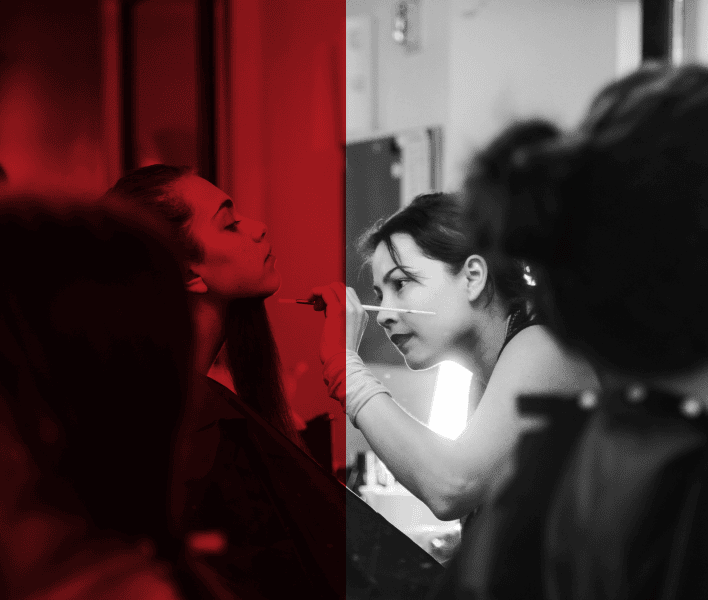
In the field of special effects makeup, creativity has no limits, allowing artists to bring everything from realistic wounds and burns to fantastical creatures and horror monsters to life. While skill and imagination drive these transformations, one essential aspect often receives insufficient attention: ensuring the safety of both the artist and the client through proper hygiene.
Maintaining proper hygiene keeps your clients safe from infections and skin reactions, while also protecting your own health and ensuring a lasting, professional career as an SFX makeup artist.
In this blog, we’ll explore why hygiene matters in special effects makeup, practical tips for maintaining cleanliness, tools to use and how professional practices set you apart as an artist.
Why Is Hygiene Important in SFX Makeup?
SFX makeup often involves applying products directly to skin, sometimes on sensitive or damaged areas. Think prosthetics glued over skin, fake blood, latex appliances, or silicone scars. If hygiene is neglected, it can lead to:
- Bacterial infections: Dirty brushes and palettes can harbor bacteria that transfer to the skin, causing rashes, acne, or more severe infections.
- Cross-contamination: Sharing tools between clients without sanitizing them increases the risk of spreading germs.
- Allergic reactions: Unsanitized products can react with oils or dirt, potentially causing allergies.
- Professional setbacks: In film and theater, a reputation for poor hygiene can result in lost job opportunities.
Hygiene in the cosmetics and SFX industry is not just about cleanliness; it is a legal and ethical obligation. Maintaining a clean workspace demonstrates responsibility and professionalism.
Special Effects Makeup Artist Hygiene Tips
Good hygiene is the foundation of safe and professional SFX makeup. It covers keeping your tools clean, wearing protective gear, maintaining personal cleanliness, handling chemical-based products safely and keeping your workspace organized. Following these practices protects clients, prevents contamination and helps you build a trusted reputation as a skilled SFX makeup artist.
1. Sanitize Your Makeup Tools Regularly
Proper sanitation of your makeup tools is the backbone of good hygiene in SFX makeup. Brushes, sponges, palettes and applicators should be cleaned consistently to prevent the spread of bacteria.
Brushes should be washed after each use with a reliable makeup brush cleanser, using warm water and mild soap or alcohol-based solutions; avoid soaking them too long, as this can damage the bristles.
Sponges and applicators should be cleaned after every client and left to air-dry in a clean area, with regular replacement to minimize bacterial buildup.
Likewise, palettes and containers must be sanitized using alcohol wipes or disinfectant sprays, as even powders and pigments can harbor germs if exposed to moisture or oils. Regularly following these steps ensures that your tools remain safe for both you and your clients.
2. Wear Protective Gear
- Makeup artist apron: When working on your SFX makeup project, an apron is essential to protect your clothing from stains, chemicals and accidental spills. It also acts as a barrier between your body and messy prosthetic adhesives or paints, keeping you clean and professional throughout your work.
- Gloves and masks: Especially when applying latex, silicone, or products containing alcohol or other chemicals, gloves reduce skin contact, while masks protect from inhaling fine powders or sprays.
- Hair and clothing management: Keep hair tied back and avoid wearing jewelry that can accidentally contaminate products. Remember, what not to wear as a makeup artist includes dangling accessories or clothing that easily collects dust.

3. Maintain Personal Hygiene
Personal hygiene for makeup artists is essential in SFX work, as it directly impacts both client safety and your professional reputation. Simple practices such as washing your hands before and after each client interaction, keeping nails short and clean and using hand sanitizer when soap and water aren’t available go a long way in preventing the spread of bacteria.
Wearing clean uniforms or aprons for every session also helps maintain a professional appearance. Clients notice when an artist maintains proper hygiene and this builds trust, confidence and a positive reputation for your skills.
4. Safe Handling of SFX Makeup Products
Special effects makeup often involves chemicals and adhesives that require careful handling to ensure safety. Always read product labels and follow the manufacturer’s instructions before use. Store your products in cool, dry places to prevent degradation and avoid mixing chemicals unless explicitly specified by the manufacturer.
Properly disposing of expired or contaminated products is also essential to maintain a safe working environment. Following these practices not only prevents accidents but also ensures that the quality and consistency of your makeup work remain at a professional level.
5. Sanitizing Your Work Environment
Hygiene extends beyond tools and personal habits. Your workspace should be clean and organized.
- Wipe down surfaces with disinfectants regularly
- Use clean towels and disposable sheets when working with clients
- Keep trash bins covered and dispose of waste daily
- Minimize clutter to reduce dust and contamination risks
A clean, organized station improves workflow efficiency and minimizes potential health hazards.
Why You Should Take a Professional SFX Makeup Course?
Special effects makeup is a complex craft that requires more than just creativity; it demands technical skills, proper hygiene and a deep understanding of materials and safety procedures. Attempting to learn on your own or through informal methods can lead to costly mistakes, safety hazards, or poor results that could damage your reputation and credibility.
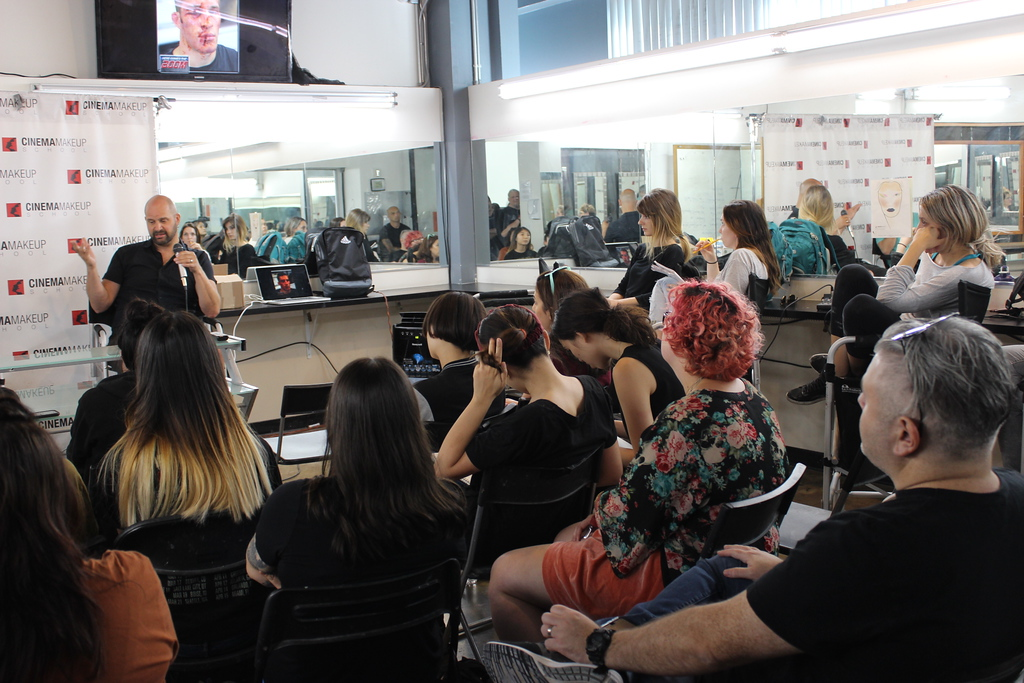
Taking a professional course is one of the best ways to build a safe, successful and long-lasting career. At Cinema Makeup School, you receive hands-on training from experienced instructors who guide you through every step – from prosthetic application and working with chemical-based products to proper sanitation and client safety.
How Hygiene Impacts Career Growth in SFX Makeup?
In special effects makeup, hygiene is crucial because the work involves chemical-based products, adhesives and prosthetics applied directly to the skin. Neglecting hygiene can cause infections, allergic reactions, or skin irritation for clients and may lead to lost job opportunities.
Following proper sanitation practices builds client trust, ensures compliance with hygiene standards on film and theater sets and protects the artist’s own health. Maintaining cleanliness demonstrates professionalism and discipline, positioning you for long-term success and recognition in the SFX makeup industry.
If you are ready to learn professional tactics for doing perfect makeup with proper hygiene and safety, take a tour of our special effects makeup school and choose a track that fits your requirements.
Watch tutorials, behind-the-scenes tips and expert SFX makeup techniques on our YouTube channel!
Related Articles –
How Much Do Special Effects Makeup Artists Make? A 2025 Insight
Cosmetology School vs. SFX Makeup School: Which Path Is Right for Your Makeup Career?
Career Options for Special Effects Makeup Artists
Frequently Asked Questions (FAQs)
Q 1. How do makeup artists clean brushes between clients?
Makeup artists clean brushes between clients by using an alcohol-based solution. They gently swirl the brush in the cleanser, wipe off excess on a clean towel and allow it to dry. This prevents the spread of bacteria and ensures that each client receives a safe, hygienic makeup application.
Q 2. What should be included in a makeup artist’s hygiene kit?
A makeup artist’s hygiene kit typically includes hand sanitizer, alcohol wipes, disposable applicators, brush cleanser, clean towels, gloves and a mask. Having these essentials on hand helps artists maintain proper hygiene, sanitize tools quickly and work safely across multiple clients.