So you have decided you want to learn special effects makeup. Maybe you have been watching tutorials or behind-the-scenes footage on your favourite SFX artist’s channel, obsessing over how characters and creatures are built from scratch. Or maybe you have been doing basic makeup for a while and now you want to go deeper into prosthetics, sculpting and character design.
The training you receive from an SFX makeup school directly shapes your skills, the quality of your work and your career. So taking the time to properly evaluate your options before enrolling is not just smart, it is necessary.
In this blog, we are going to walk through every major factor you should be looking at when choosing an SFX makeup course.
What to Look for Before You Enroll in a Special Effects Makeup School?
It is important to evaluate what the course actually offers. Factors such as the curriculum, instructor experience, hands-on training, portfolio support, facilities and industry preparation all play a key role in how effective the training will be. Reviewing these aspects can help you choose a program that supports your skill development and career goals.
1. Special Effects Makeup Course Curriculum
Before enrolling anywhere, read the full curriculum carefully. What specific techniques are covered? Does the course include sculpting, mold-making, foam latex, silicone prosthetics, life casting, wound and injury simulation, creature design, aging makeup and hair work? Or does it only cover a couple of these areas?
This matters because SFX makeup is not about one single skill. It is a collection of many interconnected disciplines. Production sets and clients expect SFX artists to bring a full set of skills, not just one or two tricks.
2. Instructor Experience
The instructors are the ones who will answer your questions, correct your technique and give you feedback on your work. So it makes sense to actually find out who they are before you enroll.
Look into the professional background of the instructors.
- Have they actually worked in the industry?
- Do they have film or television credits?
- Have they worked on productions that required the kind of SFX makeup you want to learn?
If a special effects makeup school does not mention instructors’ backgrounds, ask them directly.
3. Reputation and Reviews of the School
Take time to look at what past students are saying about their experience. Testimonials and reviews give you an honest picture that marketing material simply cannot.
Look for reviews that go beyond general praise. Specific detail in a review is usually a sign that it is genuine. Also, look at where graduates are now. Are former students working in film, television, editorial, haunted attractions, or other professional SFX contexts?
Look across multiple platforms such as Google reviews, social media comments and industry forums, rather than relying only on testimonials published on the school’s own website.
4. Real Project Experience During Training
If a course only ever gives you classroom practice with no real-world application, you are going to be underprepared the first time you step onto an actual set or deliver work for a paying client.
Check if the students get to work on real productions, films, live events, or any external projects during their training. Even short, low-budget productions are enormously valuable because they replicate the conditions of real work, time pressure, director input, continuity requirements and working as part of a larger creative team.
This kind of experience also gives you actual production credits to include in your portfolio. It tells hiring departments that you already understand set etiquette, continuity, the pace of a working production and that you can deliver under real conditions, not just controlled ones.
5. Portfolio Building Support
Your portfolio is the most important tool you have when you are starting out in the SFX makeup industry. It is what gets you hired. A good SFX makeup artist course should not just teach you techniques; it should actively help you build a set of work that you can use professionally.
Choose the program where students are guided on which pieces to include and how to present them.
Good photography of your SFX work is essential. Some courses include photography sessions or guidance on shooting your work as part of the program. If they do, that is a genuine value-add.
6. Industry Standards Taught in the Course
Technical skill is the foundation of SFX makeup, but it is not the only thing that makes an artist hireable and professional. Industry knowledge and professional conduct are what separate artists who get hired easily.
Before enrolling, confirm:
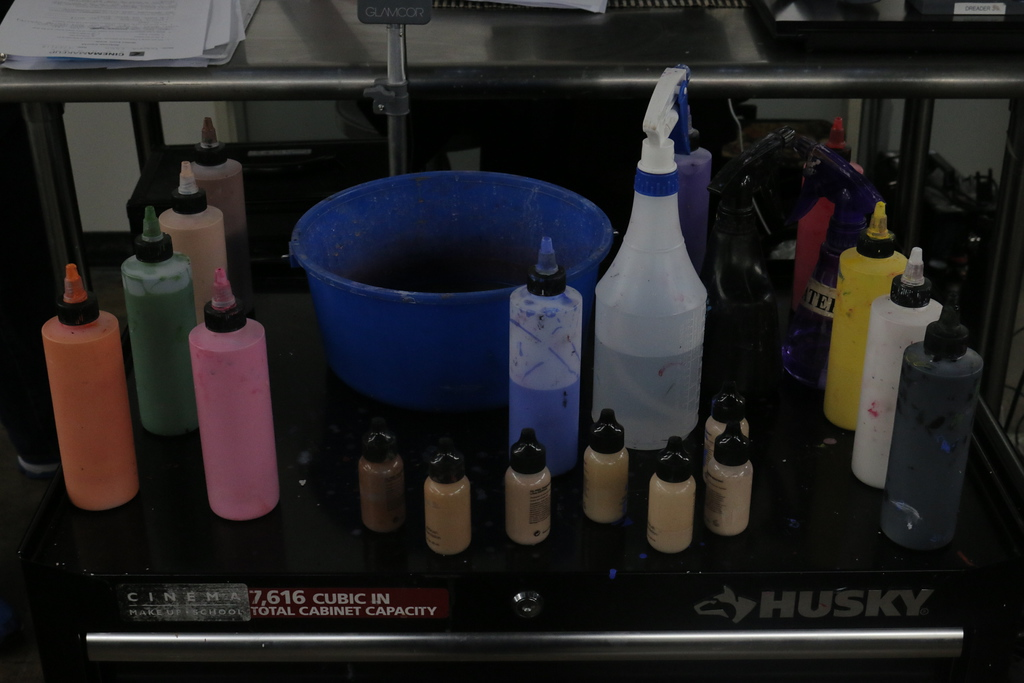
- Does the course teach hygiene and sanitation standards for working on skin?
- Does it cover material safety, which chemicals require ventilation, which adhesives can cause reactions, how to handle and store hazardous materials properly?
- Does it address on-set etiquette, how to communicate with a director, how to work within a makeup department and how to behave professionally under pressure?
These things matter enormously in real professional contexts.
Learn the Importance of Hygiene and Safety in SFX Makeup Careers
7. Hands-On Training vs. Theory-Based Learning
When you are learning SFX makeup, actually doing the work matters more than watching it being done.
Find out how much of the course is hands-on practice versus lectures and demonstrations. Are students working with real materials like silicone, foam latex and sculpting clay throughout the program? Or is most of the time spent observing the instructor?
The more time you spend working with your own hands during training, the more prepared you will be when you step into a real job.
8. Individual Attention During Training
SFX makeup is a skill that develops differently for every student. Some students pick up sculpting quickly but struggle with blending. Others find prosthetic application easy but need more time with mold-making. The point is, every student has a different learning curve.
A good course should have enough instructor presence to recognise where each student is struggling and give them specific guidance on it.
9. Materials and Facilities Available to Students
During your SFX makeup course, you should be working with the same materials used in the industry. If the course is using low-quality substitutes or has very limited supplies, you are not getting an accurate professional experience.
Also, make sure the workspace itself is properly equipped. SFX work requires adequate space, ventilation and the right equipment to carry out the full range of techniques you are being taught.
10. Length and Depth of the Program
SFX makeup is not something you master in a weekend. It takes consistent work over time to develop real fluency across all the techniques that professional work demands.
That said, not everyone needs to cover everything at once; the right program length depends on what you are trying to achieve.
Diploma vs Certificate in SFX Makeup Course: Which Path Should You Choose?
11. Community Around the Course
Look at the kind of community a special effects makeup school has built.
- Are there active alumni networks?
- Do graduates stay connected to the school and to each other?
- Is there a culture of collaboration and mutual support in the learning environment, or does it feel purely transactional?
In the SFX industry, projects often come through a strong network, such as a former classmate on a production who can refer you for a job.
12. Cost – What You Are Actually Paying For?
Before you start comparing courses, have a general idea of what SFX makeup training typically costs in your area. Prices can vary a lot depending on the country, city and type of program.
If you have a rough understanding of the average, you will be in a much better position to judge whether a course is reasonably priced, overpriced, or suspiciously cheap.
SFX Makeup School Costs: What to Expect and How to Afford It
What Makes Cinema Makeup School a Strong Choice for SFX Makeup Education?
Cinema Makeup School offers diploma programs, certificate courses, bootcamps and workshops, so whether you are looking for a comprehensive long-term program or a shorter focused course, there is an option that fits your requirements.
Our instructors are working industry professionals who will give you the knowledge that goes beyond technique, including the real experience of working on major productions.
Special effects makeup training here is hands-on from day one. Students work with professional-grade materials throughout the program and build a portfolio of actual work by the time they graduate. Our SFX makeup course also considers training about industry standards, hygiene, material safety and on-set conduct.
For students who need flexibility with payments, financing options are available. Today, more than 10,000 alumni from Cinema Makeup School are working across film, television and entertainment.
Thinking about joining a professional SFX makeup program? Schedule a tour of our campus to explore the classrooms, studios and creative spaces where artists learn.