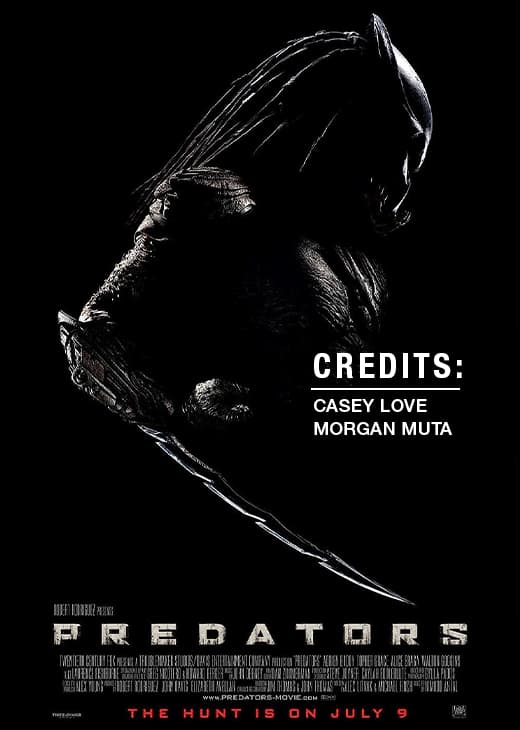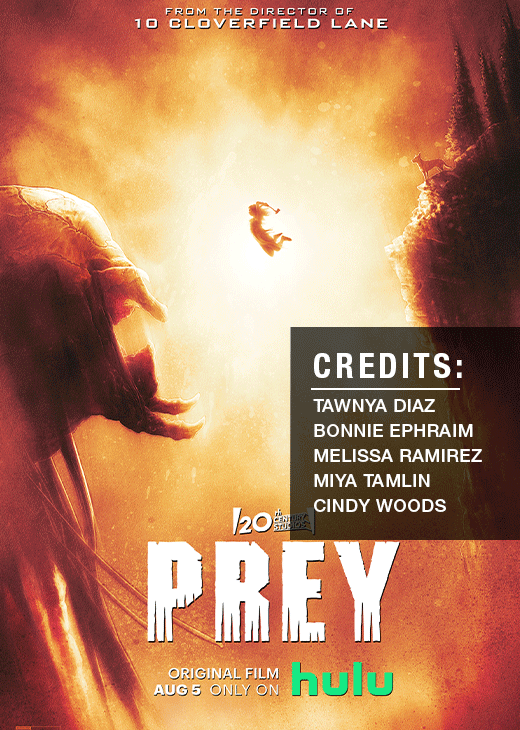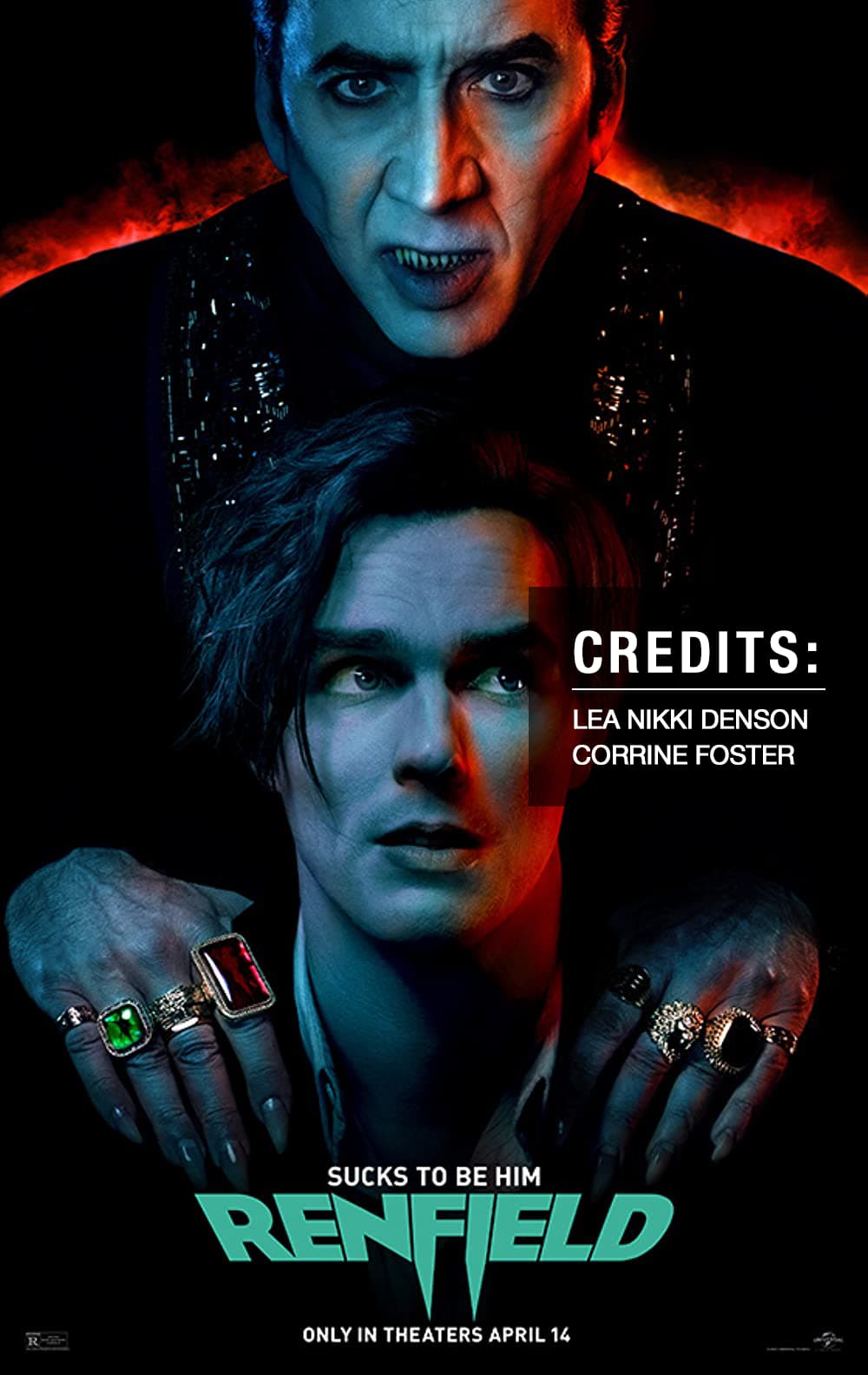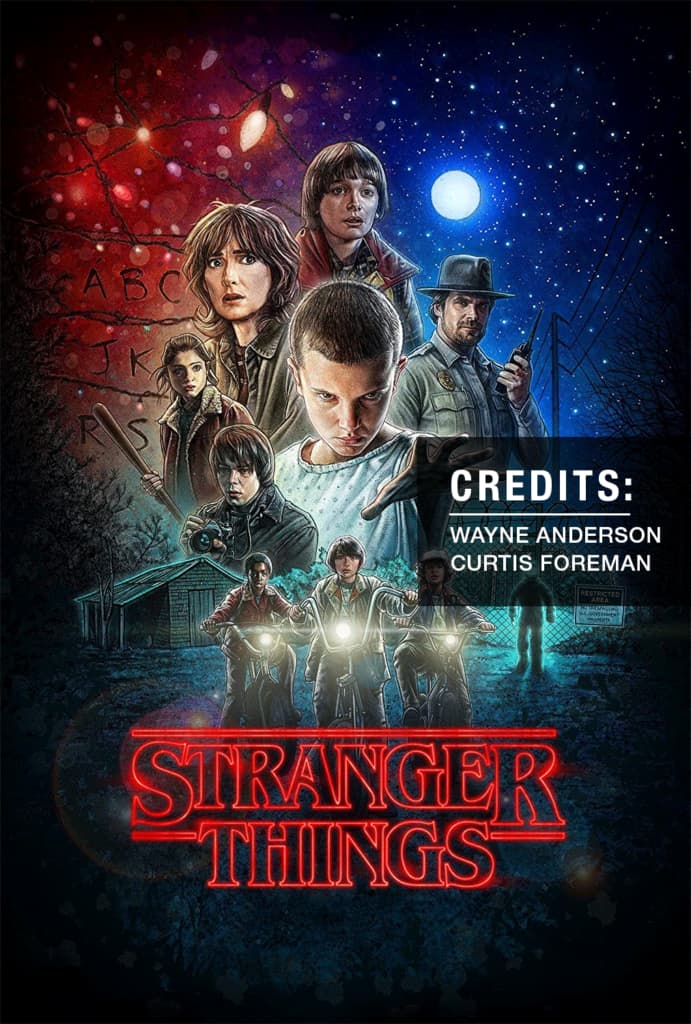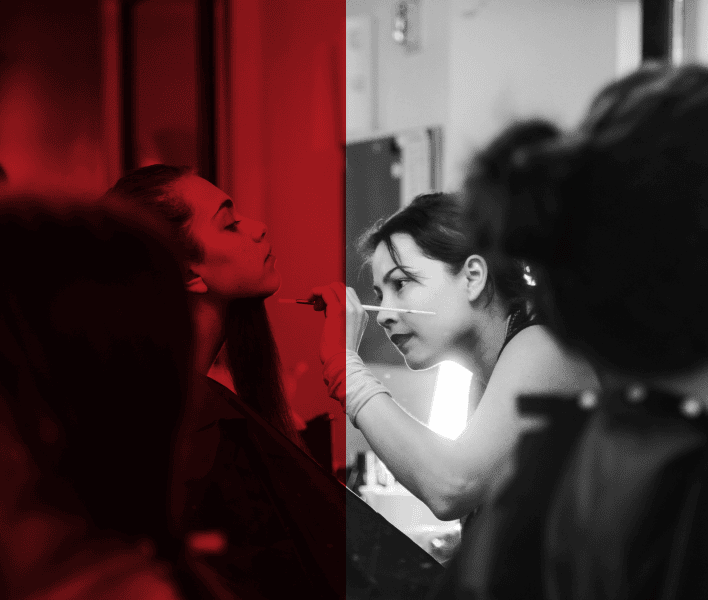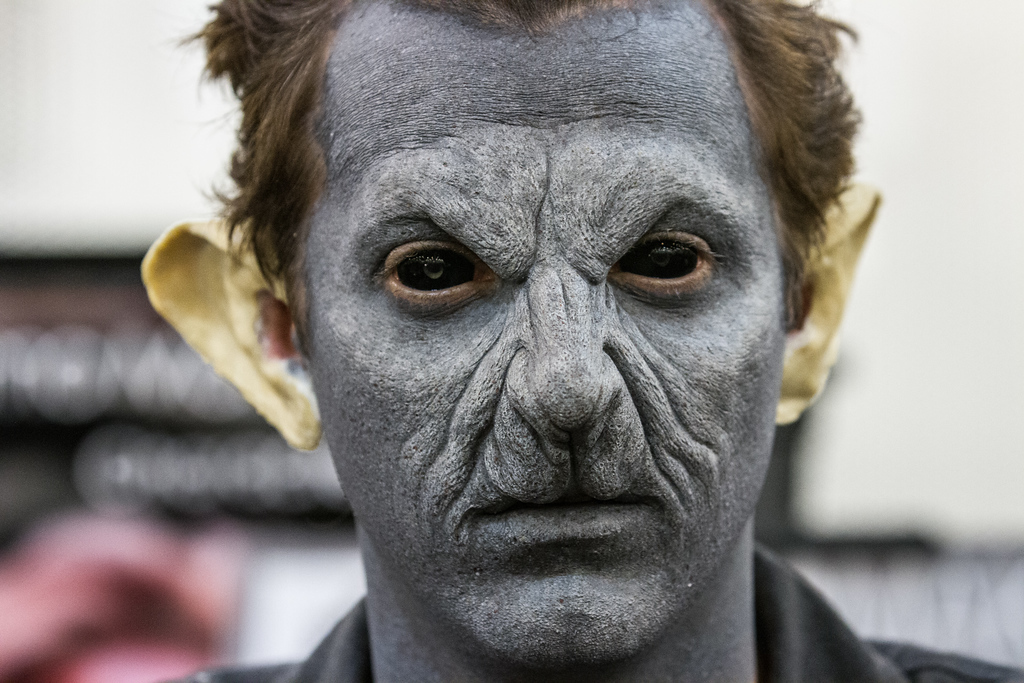
Every summer, attention across the horror industry shifts to Long Beach, not for sunshine, but for something far more intense. The Midsummer Scream Halloween and Horror Convention brings together haunted attraction creators, horror fans and SFX makeup artists in one space built around fear, creativity and transformation.
So how does a human face transform so completely into something terrifying and believable? In this blog, we’ll break down the techniques, materials and artistry behind those nightmare-inducing looks and how SFX makeup makes it all possible.
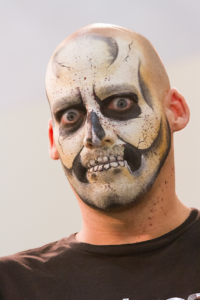
What Is Midsummer Scream?
Midsummer Scream is an annual Halloween and horror convention held at the Long Beach Convention Center in California. It brings together haunted attraction designers, horror fans, costume makers, SFX artists and vendors from all over the country. The whole event is built around one shared obsession: the art of fear.
This is deeply rooted in the haunted house and horror industry. That means a huge part of what you see on the floor, i.e., the monsters, the creatures, the ghoulish faces, is the work of special effects makeup artists. Some are seasoned professionals, others are just starting out and many are students looking to learn from the best.
The upcoming edition of the Midsummer Scream Horror Convention is scheduled for August 7–9, 2026, at the same venue, making it the perfect opportunity for anyone who wants to experience how horror concepts are built, as well as for those simply looking to enjoy the atmosphere of a full-scale Halloween event.
Why SFX Makeup Stands Out at Midsummer Scream
The Midsummer Scream Halloween and Horror Convention is widely recognized for its horror night-style experiences, where live scare environments bring characters into close interaction with visitors. Bringing these characters to life relies heavily on SFX makeup.
SFX makeup artists are responsible for building the visual identity of each creature or character through:
- Prosthetics – Custom pieces that reshape facial features or add new forms
- Skin textures – Creating realistic surfaces like decay, burns, or aging effects
- Detailed paintwork – Adding depth, color variation and lifelike finishing touches
The work is designed for real-time viewing. It must hold up under different lighting conditions, continuous movement and direct audience interaction. This requires not only creativity but also strong technical control over materials and application.
In these environments, SFX makeup moves beyond appearance; it becomes a functional part of the experience, shaping how each character is seen and perceived by the audience.
How SFX Makeup Artists Create Horror Looks for Midsummer Scream Horror Convention
Creating horror looks for the horror nights at Midsummer Scream follows a structured process. From building the base with prosthetics to adding fine details through paint and hair work, each step plays a specific role in bringing a character to life in a live setting.
1. Prosthetic Makeup (Building the Base Structure)
Prosthetics are custom-made pieces, usually created from foam latex or silicone, that are applied directly to the skin. They can reshape facial features, add scars, create aging effects, or completely transform a person into a creature or horror character.
When applied correctly, prosthetics blend so well into the skin that it becomes difficult to tell where the real face ends and the design begins.
2. Foam Latex vs Silicone (Choosing the Right Material)
These are the two main materials used in prosthetic makeup:
- Foam latex is lightweight and flexible, making it ideal for larger designs like creature heads or body suits.
- Silicone is heavier but more realistic. It moves like real skin and reflects light naturally, which makes it perfect for close-up work.
Most high-end film and haunted attraction designs rely on silicone for a more lifelike finish.
3. Life Casting (Preparing the Foundation)
Before making a prosthetic, SFX artists often create a life cast of the actor’s face or body. This is a mold taken directly from the person.
It allows the artist to sculpt the design on an exact copy of the performer’s features, ensuring the final prosthetic fits perfectly during application.
Learn More About How to Make a Face Cast That Fits Perfectly for Prosthetic Makeup?
4. SFX Makeup Painting and Skin Detailing (Adding Realistic Detail)
Creating the prosthetic is only part of the process; painting is what truly brings the character to life. SFX artists use techniques like airbrushing, hand painting and layering to build realistic skin tones and depth. Through careful detailing, they add shadows, veins and subtle texture variations that make the design look natural and believable, whether the goal is healthy skin or something far more unsettling.
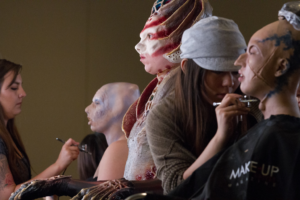
5. Bald Caps, Wigs and Hair Effects (Final Character Finish)
Hair plays a big role in finishing a character.
Artists use:
- Bald caps to cover natural hair
- Wigs for full transformations
- Hand-punched hair for realistic detail
Hand-punching involves inserting individual strands of hair into prosthetics, which creates a more natural and believable result.
Get to know the detailed hair work process used in special effects makeup.
How Attending Midsummer Scream Horror Nights Helps Aspiring SFX Artists Build Their Career
If you’re planning to work in special effects makeup, whether in film, television, haunted attractions, or themed entertainment, attending the Midsummer Scream Halloween and Horror Convention offers something that online tutorials or textbooks can’t fully provide: real-world exposure.
Being in a live environment allows you to see how professional SFX work holds up at close range, how materials behave under different conditions and how complete character designs come together outside of a controlled studio setting.
Here’s what aspiring artists can take away from the experience:
- A clearer understanding of professional SFX standards: You get to observe what high-quality work actually looks like in person, including detailing, blending and overall finish.
- Industry connections and networking opportunities: You can interact with working artists, vendors and professionals from the haunt and entertainment industry.
- Creative inspiration for your own work: Exposure to a wide range of styles and techniques can influence how you approach your own designs.
- Practical learning from live demos and panels: Watching artists explain and demonstrate their process adds real value beyond theory.
- Insight into the industry environment: You begin to understand where your skills fit and what areas you may want to specialize in.
Tip: If you’re just starting out and want to build real skills in special effects makeup, getting proper training can make a big difference. At Cinema Makeup School, students are trained in the same techniques used across film, television and live horror events like the Midsummer Scream Halloween and Horror Convention.
The focus is not just on learning individual techniques, but on understanding how to apply them in real-world environments. Here, students also get opportunities to work on projects connected to films, TV and events, helping them build practical experience early in their SFX makeup careers.
You can explore student work and behind-the-scenes projects on our YouTube channel to see how these skills translate into actual productions.
Related Articles –
5 Skills Every SFX Makeup Artist Should Master for Monsterpalooza
How Internships Help You Start a Career in SFX Makeup?
How to Maintain SFX Makeup in Different Weather Conditions?
FAQs
Q 1: What is the right way for an artist to get involved & display SFX makeup work at Midsummer Scream?
The most straightforward path is to apply through the official vendor and exhibitor registration, which opens ahead of each year’s event. Independent SFX artists, small makeup studios and horror-focused creators are all welcome to apply for a booth space on the show floor. It is worth preparing a strong portfolio and having a clear idea of what you want to showcase.
Q 2: Do SFX artists at Midsummer Scream use the same techniques they use in film & TV?
Many of them do. Prosthetic application, silicone and foam latex work, life casting and detailed hand painting are all standard across these industries. Where things differ is in the pace and scale; a film set might dedicate an entire day to one actor’s makeup, while a convention or haunt environment demands faster turnaround across multiple performers.
Q 3: What kind of characters & creature types are most popular at the Midsummer Scream horror convention?
At the event, you’ll see a strong presence of familiar horror looks like zombies, demons, decayed faces and slasher-style characters. However, many artists go beyond these basics by creating original creatures, haunted-style characters with simple stories and unique designs that don’t follow a set pattern.
If you’re ready to take the next step, you can apply for the SFX makeup course and choose the learning format that fits your goals, whether you prefer in-person training or a virtual option that follows real-world production workflows.