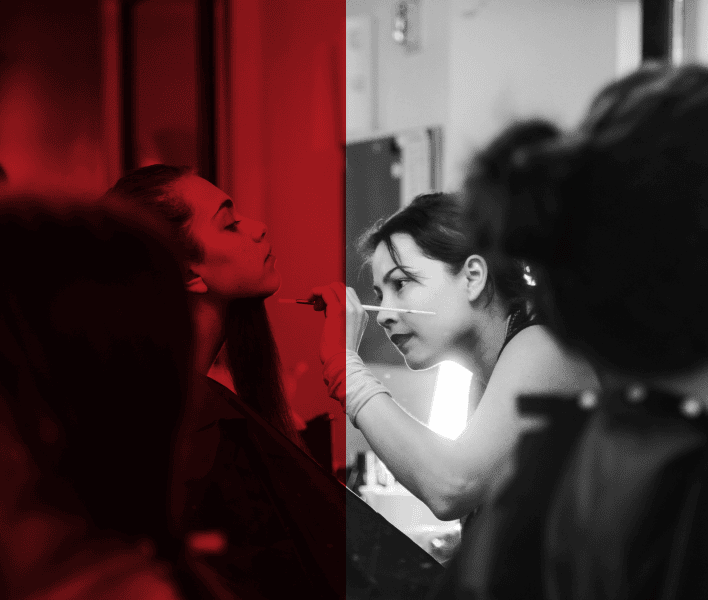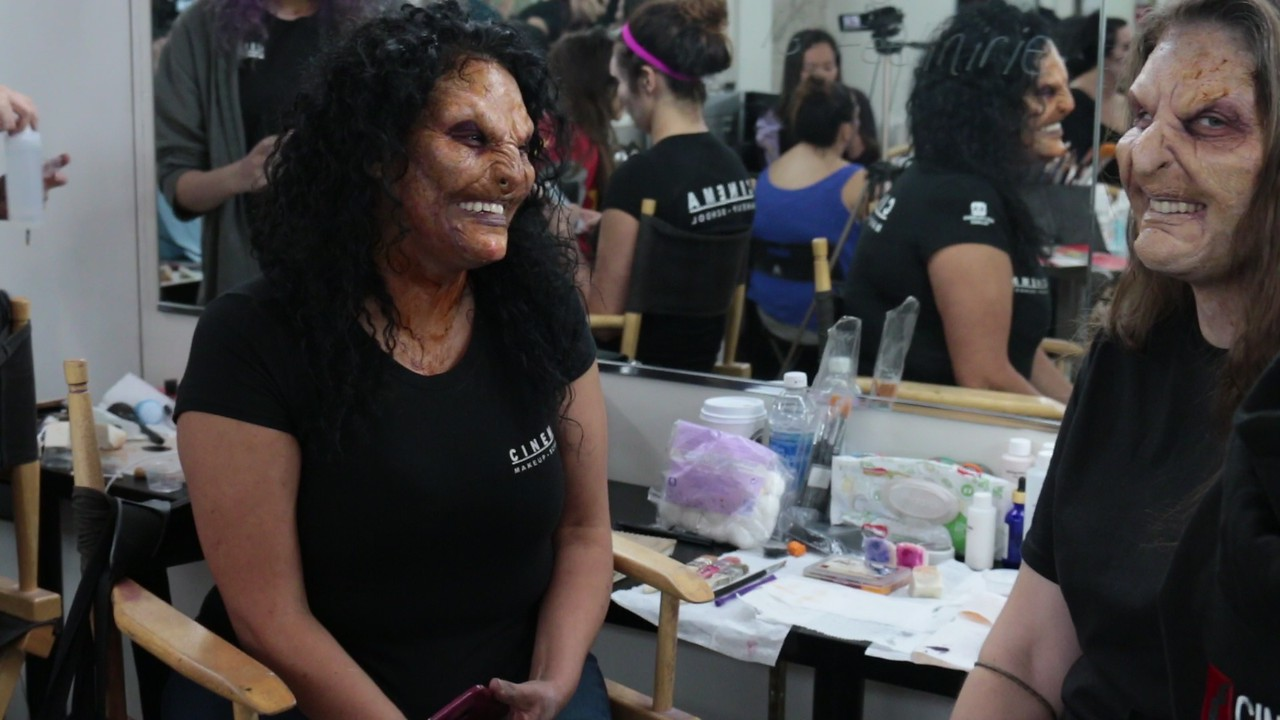
When it comes to creating believable monsters, aliens, or cinematic transformations, your imagination is only as powerful as the tools in your kit. Every artist, whether a beginner or a seasoned professional, knows that having the right special effects makeup tools can make all the difference in achieving a flawless look.
In this guide, we’ll explore the essential tools every SFX artist should keep in their kit for professional-quality results.
What Tools Do You Need for Special Effects Makeup?
It’s important to understand the essential tools that form the foundation of every SFX artist’s work. Each tool serves a specific purpose – from sculpting and casting to painting and prosthetic application and together they help create believable, high-quality effects seen on screen. Below is an overview of the key special effects makeup tools every artist should know and use effectively.
1. Sculpting Tools
Before any makeup is applied to the skin, most special effects designs start with sculpting. This stage helps shape the base forms for prosthetics, facial structures and other detailed effects. Sculpting tools help artists refine shapes, textures and features before moving on to molding or casting.
Common sculpting tools include:
- Metal spatulas and loop tools: Used for cutting, shaping and smoothing clay surfaces.
- Wooden modeling tools: Help refine contours and adjust details in softer materials.
- Rubber-tipped tools: Useful for blending edges, softening lines and creating skin-like transitions.
2. Mixing Palettes
Artists often use a palette to mix makeup products, paints, or prosthetic materials while keeping their work area hygienic and controlled. It allows them to test color combinations, adjust product consistency and avoid contaminating original containers.
Stainless-steel palettes are a common choice because they are durable, easy to clean and long-lasting. Having one on hand ensures accuracy and efficiency throughout the process.
3. Brushes and Sponges
Brushes and sponges are among the most frequently used tools in special effects makeup. They allow artists to apply, blend and texture products with control and precision. Different types of brushes serve specific purposes – larger ones help cover wide areas, while finer brushes are used for detailed work such as painting veins or small prosthetic edges.
Sponges, on the other hand, are ideal for stippling, layering colors and creating realistic textures like bruises, dirt, or skin imperfections. Keeping brushes and sponges clean and well-maintained is essential for consistent results and to prevent product buildup or contamination during special effects makeup applications.
4. Adhesives and Removers
Adhesives are essential for attaching prosthetics, appliances, or facial pieces securely to the skin. Choosing the right bonding product depends on the type of material being used, the duration of wear and the actor’s skin sensitivity. Removers are equally important to ensure safe and gentle removal without causing irritation.
Additionally, adhesive control bottles, small brushes and cotton swabs help ensure precise application and a clean finish.
5. Sculpting Clays and Casting Materials
Creating realistic prosthetics and molds requires suitable sculpting and casting materials. These materials help artists to form detailed shapes, capture fine textures and build a solid base for prosthetic design.
Common materials and tools include:
- Oil-based clays (Monster Clay, Chavant NSP): Used for sculpting prosthetic forms and creating detailed surface textures.
- Plaster bandages and alginate: Essential for life casting to make accurate facial or body molds.
- Silicone molding compounds: Provide flexible and durable molds suitable for repeated casting.
- Mixing cups and measuring tools: Help maintain correct ratios when preparing casting materials.
Also read, What Kind of Clay Is Best for SFX Sculpting?
6. Airbrushing Equipment
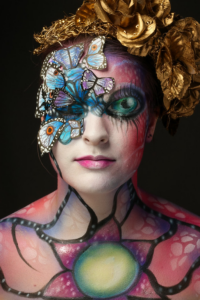
An airbrush gun is one of the most precise tools in special effects makeup. It helps artists apply paint evenly for realistic skin tones, creature detailing and smooth prosthetic blending. The gun connects to a compressor that regulates airflow, allowing fine control over coverage and texture.
This setup makes it easy to layer colors, create gradients and achieve professional-quality results on both prosthetics and full-body applications.
Check out: Water-Based vs. Alcohol-Based Airbrush Makeup
7. Blood, Gore and Wound Simulation Tools
Creating realistic injury effects requires specific tools and materials designed for controlled application and detail. These tools help artists produce convincing blood flow, surface textures and skin discolorations for film, television, or stage work.
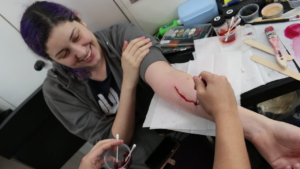
Common tools used for wound and gore effects include:
- Blood tubing and pumps: Used to simulate flowing or dripping blood in a controlled manner.
- Sponges: Applied for stippling, layering, or splattering blood products on the skin or prosthetics.
- Texturing tools: Used for shaping and defining wounds, cuts and scars in latex or silicone materials.
- Pigment brushes: Used for applying and blending colors to create bruises, burns and other injury effects.
Regular cleaning after each use is essential, as dried blood products or gelatin can damage these tools and affect their precision over time.
Related Article – How to Create Realistic Wounds and Scars with Prosthetics?
8. Safety and Hygiene Tools
Every professional SFX artist knows that maintaining proper hygiene and safety is just as important as creativity. A well-prepared kit should include gloves to shield the skin from chemicals, along with face masks and goggles when working with airbrushes or powders.
Disinfectants and brush cleaners help keep tools sanitary, while barrier sprays and creams protect the actor’s skin during applications. Clean and well-maintained tools not only ensure comfort and professionalism but also prevent cross-contamination and allergic reactions on set.
9. Digital Tools for Design and Previsualization
In today’s special effects makeup industry, digital design has become an essential part of the creative process. Software like ZBrush and Photoshop allows artists to plan their looks in detail, test color combinations and visualize how prosthetics will appear before any physical application begins.
These digital tools also support 3D modeling and prosthetic printing, saving valuable time during preproduction.
Training and Skill Development for SFX Makeup Artists
Owning a full set of tools is only valuable when paired with proper training. Learning how to use each tool safely and effectively is essential for achieving professional-quality results. At Cinema Makeup School, students gain hands-on experience with a wide range of special effects makeup tools and materials used in the industry.
Our courses focus on both the artistic and technical aspects of SFX makeup, helping aspiring artists develop the confidence and skills needed to work in film, television and entertainment.
Take a tour of our school to start your journey in special effects makeup.
How to Build and Organize Your SFX Makeup Kit?
Having the right tools is only one part of being prepared, the other is knowing how to organize them for efficiency. A well-arranged kit helps artists work faster, stay clean and remain professional on set. It’s a good idea to separate tools by their use: sculpting and molding materials in one section, painting and airbrushing tools in another and hygiene items in a dedicated compartment.
Keep liquids and adhesives in sealed containers to prevent spills and restock consumables such as wipes, gloves and cotton swabs regularly. Cleaning and disinfecting your tools after every project also extend their lifespan and ensure they’re safe for reuse. A structured, well-maintained kit not only improves workflow but also reflects your professionalism in front of clients or production teams.