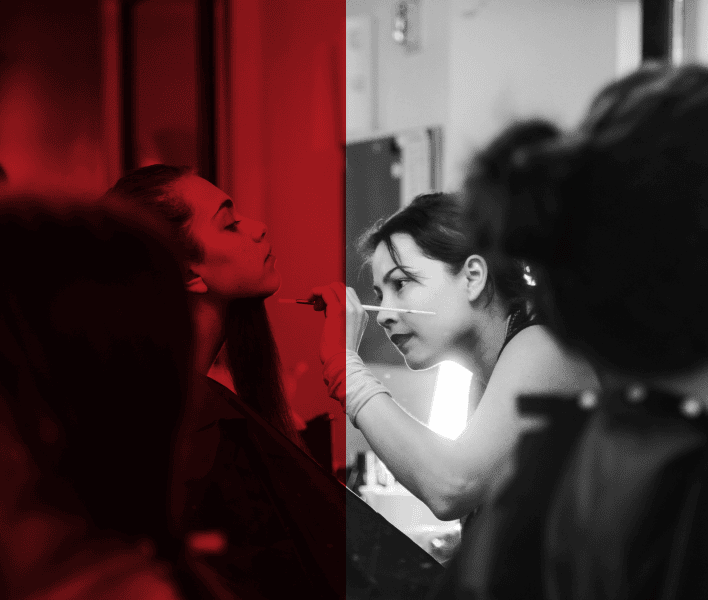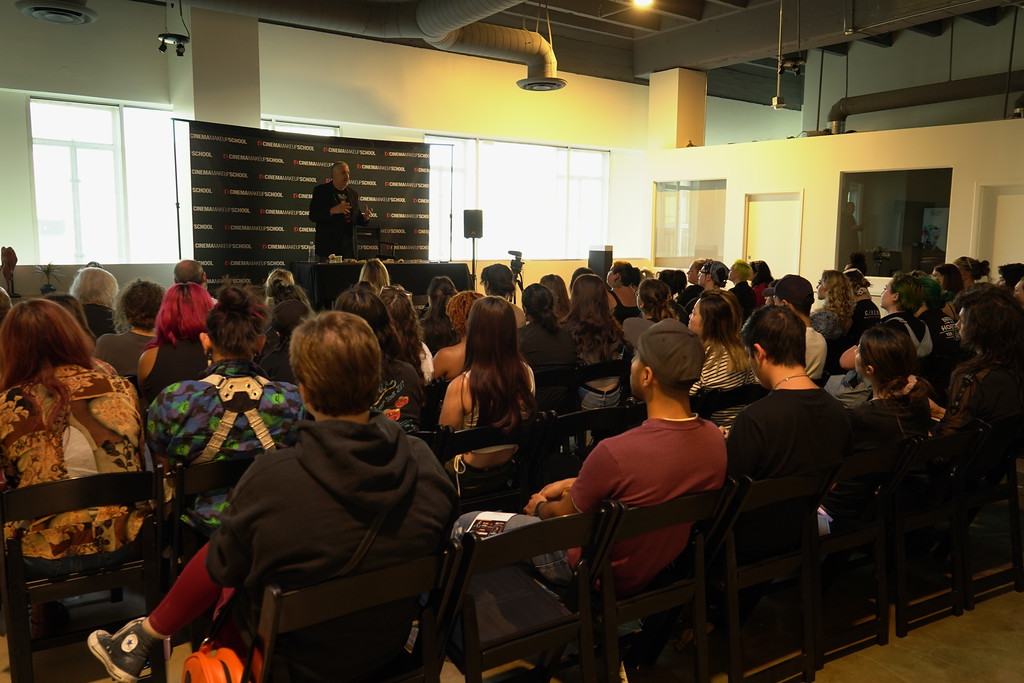
Cinema has always been about illusion. From early black-and-white films to today’s visually rich blockbusters, filmmakers have constantly searched for ways to make stories feel more believable, emotional and immersive.
As technology has evolved, makeup artists and filmmakers now rely on both special effects makeup and digital effects to bring characters to life on screen. Although both techniques aim to transform reality, they achieve this in very different ways. One is grounded in physical craftsmanship and hands-on artistry, while the other is shaped by technology, software and post-production processes.
Let’s explore these two approaches in depth, examining their differences and creative roles to help aspiring artists understand where each technique fits.
What’s Involved in Special Effects Makeup?
Special effects makeup combines art and technique to bring characters to life on screen. It includes understanding the character, sculpting and designing prosthetics, creating molds and casts, applying and blending pieces on the actor and maintaining the look during filming to ensure realism and consistency.
1. Concept and character understanding
The process begins with a detailed understanding of the character and the story. Special effects makeup artists study the anatomy of both the character and the performer to understand bone structure, muscle movement, skin behavior and proportions.
Reference images, sketches and real-world observations are used to plan how the makeup will sit on the face or body and how it will behave during movement and expressions. This stage helps artists decide the scale, placement and level of detail required so the final makeup looks natural and functional on camera.
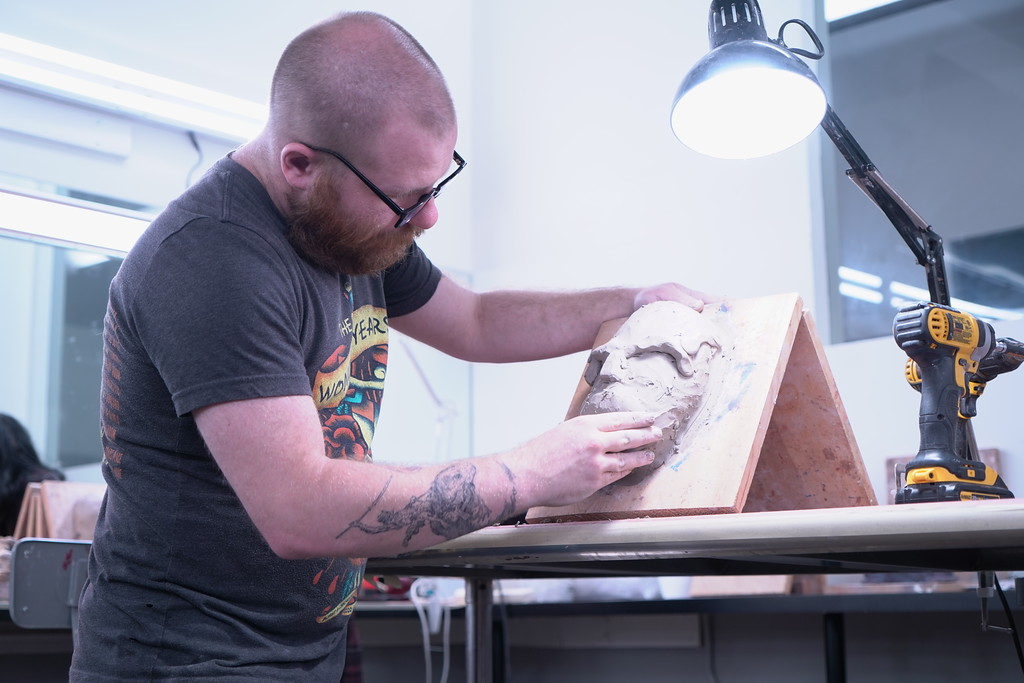
2. Design and sculpting
Based on the approved concept, sculpting is done directly on a life cast or reference of the actor. Artists focus on anatomical accuracy, symmetry and scale. Even small errors in proportion can restrict facial movement or look unnatural on camera. Sculpting also defines surface details such as wrinkles, pores, scars, or wounds, which are critical for close-up shots and high-definition filming.
3. Molding and casting
Once the sculpture is finalized, molds are created to copy the design exactly as it was sculpted. This determines how accurately the details from the sculpt, such as skin texture, wrinkles, scars, or wounds, will appear in the final prosthetic. A precise mold also allows the same design to be reproduced consistently for multiple shooting days.
Casting involves selecting appropriate materials that are flexible, skin-safe and suitable for the demands of filming. The selected material must move naturally with the actor’s expressions, remain lightweight for long wear and withstand heat, sweat and extended shooting hours.
Learn How to Make SFX Makeup Last Longer on Skin?
4. Application and blending
When the prosthetic pieces are ready, they are carefully positioned to match the actor’s facial or body features. The edges are blended into the natural skin so they are not visible on camera. Color matching and texturing are built in layers to ensure the makeup responds realistically under different lighting conditions and camera lenses.
5. Continuity and on-set maintenance
During filming, special effects makeup can change due to long hours, bright lights, actor movement, or contact with costumes and props. SFX artist regularly checks the makeup between takes to make sure nothing has shifted, faded, or peeled. If needed, small fixes and touch-ups are done on set so the makeup continues to look natural and consistent on camera.
Role of Digital Effects in Character Design and Filmmaking
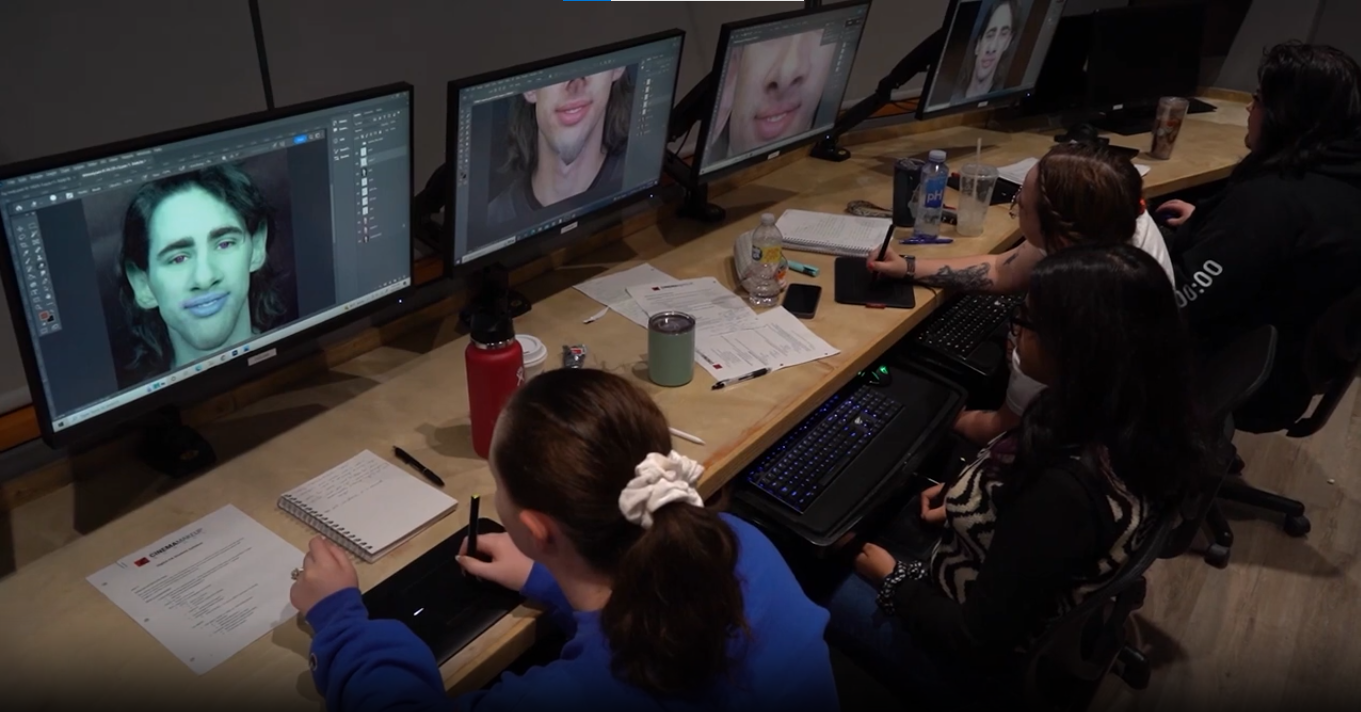
Digital effects help artists plan and improve characters before they appear on screen. This includes improving character designs with textures and color, creating detailed creature concepts, retouching images for portfolios and providing visual references to support special effects makeup.
1. Enhancing Character Design
Digital FX allows artists to refine and enhance character designs by adding textures, color depth and visual details that support the overall look. This helps artists visualize how a character will appear on screen before makeup or prosthetics are applied.
2. Creating Creature Concept Art
Digital tools help artists create creature and character designs faster. By working in layers, artists can try different shapes, features and ideas and make changes without having to redo the entire design. This makes the process easier and is especially useful for concept artists and SFX makeup labs.
3. Professional Image Retouching
Image retouching is used to clean up and polish character designs for portfolios and presentations. Artists learn how to correct skin tones, refine edges, balance lighting and enhance important details while keeping the character looking natural and believable.
4. Supporting Special Effects Makeup
While characters are designed with special effects makeup for movies and television, digital tools help artists plan prosthetics, textures and color choices in advance. These designs serve as visual references during sculpting and makeup application, making it easier to create accurate and consistent character looks.
Difference Between Special Effects Makeup & Digital Effects
| Aspect | Special Effects Makeup | Digital Effects |
| Primary Purpose | Physically transforms an actor’s appearance using makeup and prosthetics | Develops, refines and enhances character designs using digital tools |
| Stage of Production | Used mainly during filming and on set | Used before filming for planning and after filming for refinement |
| Materials & Tools | Latex, silicone, foam, molds, paints, adhesives | Photoshop, drawing tablets, layered digital files |
| Actor Interaction | Applied directly to the actor’s face or body | Used as visual references or polished final images |
| Flexibility for Changes | Changes require reworking or reapplying makeup | Changes can be made quickly without starting over |
| Best For | Injuries, aging, creatures, prosthetics and realistic transformations | Concept art, portfolio images, design planning and visual refinement |
| Role in Character Creation | Brings the character to life physically on set | Helps plan, enhance and present the character visually |
Related Articles:
How SFX Artists Design Fake Nose Prosthetics?~
Different Types of Scar Wax and Their Uses in SFX Makeup
How to Work with Latex, Silicone and Prosthetics Safely?
Learn SFX Makeup and Digital FX at Cinema Makeup School
Whether you’re just starting or looking to take your makeup skills to the next level, Cinema Makeup School is the perfect place to grow. We offer hands-on Special Effects Makeup and Digital FX courses to equip artists with the skills to design, create and bring characters to life for film, television and stage.
In our Special Effects Makeup course, you will learn how to turn your character ideas into realistic, camera-ready looks. The course covers everything from correcting a life cast of your model, sculpting faces & creatures, creating custom teeth and dental appliances, to mold making, foam latex casting and applying and painting prosthetics.
Our Digital FX course is a one-week crash course designed to teach you how to plan, design and refine characters digitally using Adobe Photoshop and a Wacom drawing tablet, creating detailed concept art, retouching images for portfolios, overlaying textures, recoloring and producing polished visual references to support SFX makeup work.
Visit our campus to explore how our courses can help you build your skills and start a successful career in Special Effects Makeup.