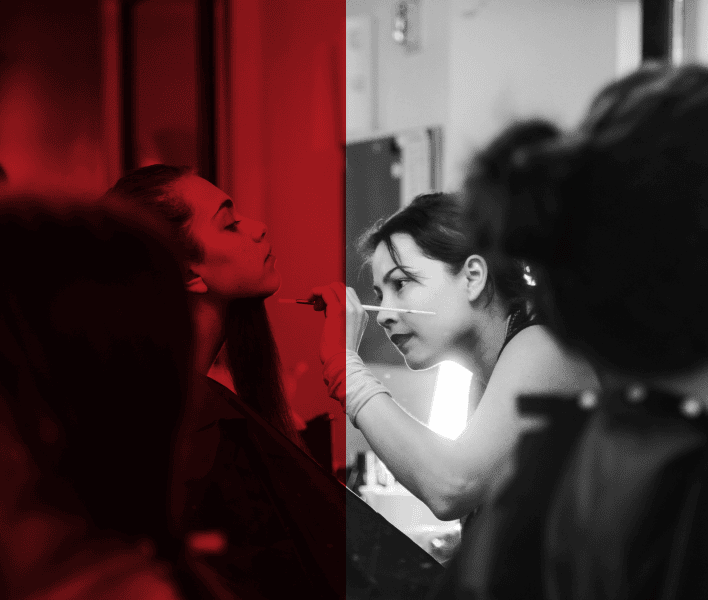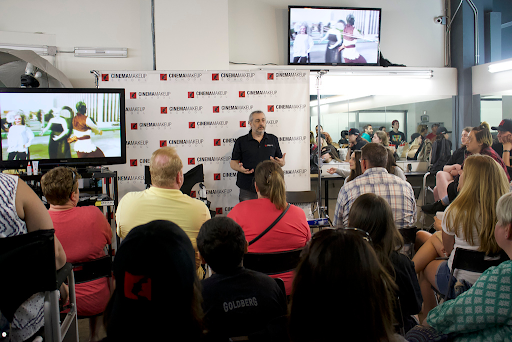
Most people who pursue a career in special effects makeup picture themselves transforming actors into unforgettable characters. Client work is often the first career path that comes to mind. However, as artists gain experience, many discover another rewarding opportunity – SFX makeup educator.
Both career paths allow you to use your technical skills and creativity, but the day-to-day work, responsibilities, work environment and long-term goals are very different. While one focuses on delivering professional makeup services for productions and clients, the other centers on sharing knowledge, mentoring students and helping future artists build successful careers.
So, which path is the right fit for you?
The answer depends on your interests, strengths and the type of career you want to build. In this guide, we’ll compare both professions to help you understand the advantages of each and decide which SFX makeup career best matches your goals.
Responsibilities of an SFX Makeup Instructor
An SFX makeup instructor plays an important role in preparing aspiring artists for the entertainment industry. Beyond teaching makeup techniques, they mentor students, share industry knowledge and help them develop the practical and professional skills needed for a successful career.
1. Teaching Core SFX Techniques
Instructors guide students through the essential skills used in professional productions. Depending on the course they enroll in, students may learn life casting, prosthetic sculpting, mold making, silicone and foam latex work, prosthetic application, painting, aging makeup, creature design and other advanced special effects techniques.
2. Demonstrating Professional Workflows
Students benefit from learning the same workflow followed by experienced SFX artists in film and television. Instructors explain how to plan a project, organize materials, manage production timelines, troubleshoot common issues and maintain quality from concept to final application.
3. Providing Individual Feedback
Every student learns at a different pace. An instructor evaluates each student’s work, identifies areas for improvement and provides feedback to help them refine their techniques. Personalized guidance allows students to build confidence while continuously improving their craftsmanship.
4. Encouraging Creativity and Problem-Solving
Special effects makeup often requires artists to adapt when materials, budgets, or production requirements change. Instructors encourage students to think creatively, experiment with different approaches and develop practical solutions without compromising the final result.
5. Teaching Safety and Professional Standards
Working with molding materials, adhesives, silicones and other products requires proper safety practices. Instructors teach students how to handle materials responsibly, maintain hygiene, follow workshop safety procedures and create a professional work environment that meets industry expectations.
6. Preparing Students for Their Careers
Teaching goes beyond demonstrating technical skills. SFX makeup instructors help students understand what employers and clients expect of professional artists, including building a strong portfolio, developing teamwork and communication skills, meeting deadlines and presenting themselves professionally during interviews and on set.
What Does Client Work Involve for an SFX Makeup Artist?

Whether you’re hired for a film, television production, theater performance, haunted attraction, or private commission, your role is to transform a creative vision into a realistic, camera-ready character. Success requires not only artistic talent but also professionalism, technical precision and the ability to work efficiently under deadlines.
Here are some of the primary responsibilities of an SFX makeup artist working with clients:
1. Understanding the Client’s Vision
Every project begins with understanding what the client or production team wants to achieve. Artists discuss the script, character design, concept art, budget, timeline and overall creative goals before planning the makeup effects. Asking the right questions early helps ensure the final look meets expectations.
2. Applying Makeup Efficiently
Application is more than simply attaching prosthetics. Artists prepare the skin, apply adhesives correctly, blend edges seamlessly, paint realistic details and ensure the makeup remains comfortable and durable throughout filming or performances. Working efficiently while maintaining high-quality results is an essential part of the SFX makeup job.
3. Handling On-Set Challenges
Once filming begins, an SFX makeup artist’s job doesn’t end. They often remain on set to monitor the makeup throughout the shoot, perform touch-ups between takes, maintain continuity across multiple scenes and make adjustments as lighting, weather, or filming conditions change.
Learn how SFX makeup artists solve on-set challenges.
Whether repairing a lifting prosthetic, refreshing blood effects, or ensuring a character looks identical from one scene to the next, artists must work quickly without disrupting the production schedule.
4. Collaborating with the Production Team
SFX makeup artists rarely work alone. They regularly communicate with directors, producers, costume designers, hairstylists, actors, photographers and other crew members to ensure the makeup complements every aspect of the production. Good collaboration helps create a consistent and believable final character.
5. Managing Tight Deadlines and Production Schedules
Client work often involves strict production schedules where every minute counts. SFX makeup artists are expected to complete their work within allocated timeframes so filming or performances can begin as planned. Delays in the makeup department can affect the entire production, making time management an essential skill.
Artists must stay organized, prioritize tasks and maintain high-quality results even when working under pressure.
Choosing the Right Career: SFX Makeup Educator vs. SFX Makeup Artist
Choose an SFX Makeup Educator Career If:
You enjoy teaching others while continuing to work in the industry. Becoming an SFX makeup educator doesn’t mean giving up client work. Many educators continue delivering professional SFX makeup services while teaching, allowing them to stay connected to current industry practices.
Tip: Many graduates of Cinema Makeup School are happy they chose to enroll in our SFX makeup courses. Our instructors guide students through hands-on training on real-world projects that reflect professional production environments, helping them build practical skills for the industry.
Choose Client Work If:
Your main goal is to spend your career creating special effects makeup for productions and clients. This path allows you to focus on delivering professional services for films, television and other creative projects. If you’re passionate about working on new characters, meeting different clients and building your reputation through hands-on production work, client work may be the right career path for you.
| Career Aspect | SFX Makeup Educator | SFX Makeup Artist |
| Primary Goal | Develop future SFX artists | Deliver makeup services for productions and clients |
| Career Focus | Teaching while staying active in the industry | Working primarily on productions and client projects |
| Success Is Measured By | Student growth and successful graduates | Strong portfolio, satisfied clients and repeat projects |
| Daily Priority | Teaching, mentoring, demonstrations, plus industry work | Character creation, prosthetic application, client collaboration |
| Industry Connection | Maintains industry experience to improve teaching | Builds industry reputation through continuous client work |
| Best For | Artists who enjoy both teaching and practical work | Artists who want to dedicate most of their career to production work |
Related Articles:
How an SFX Makeup Course Saves Years of Trial and Error?
How Internships Help You Start a Career in SFX Makeup?
Freelance vs. Studio Work: Which SFX Career Path Should You Choose?
Whether you choose teaching or client work, take time to evaluate the career opportunities, earning potential and lifestyle each path offers. Understanding these differences will help you make a confident decision about your future in special effects makeup.
Ready to start your career in SFX makeup?
Schedule a Campus Tour to explore our facilities, meet our instructors and see how the hands-on programs at Cinema Makeup School prepare students for careers in the entertainment industry.