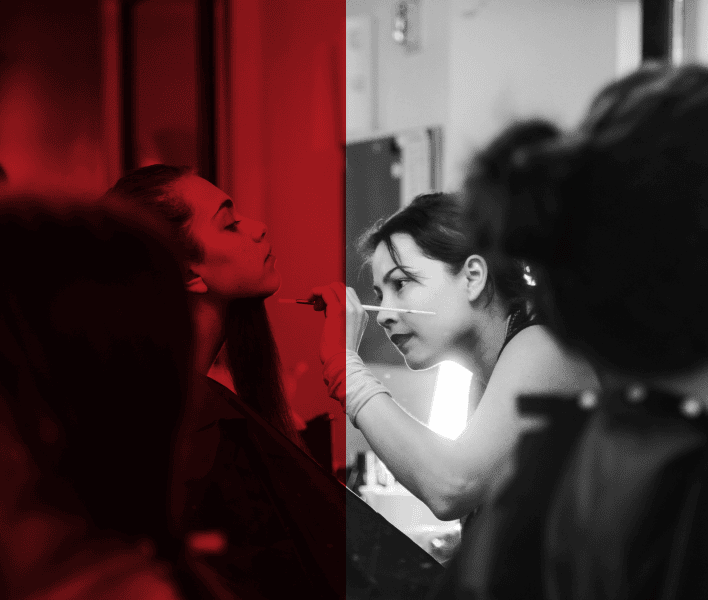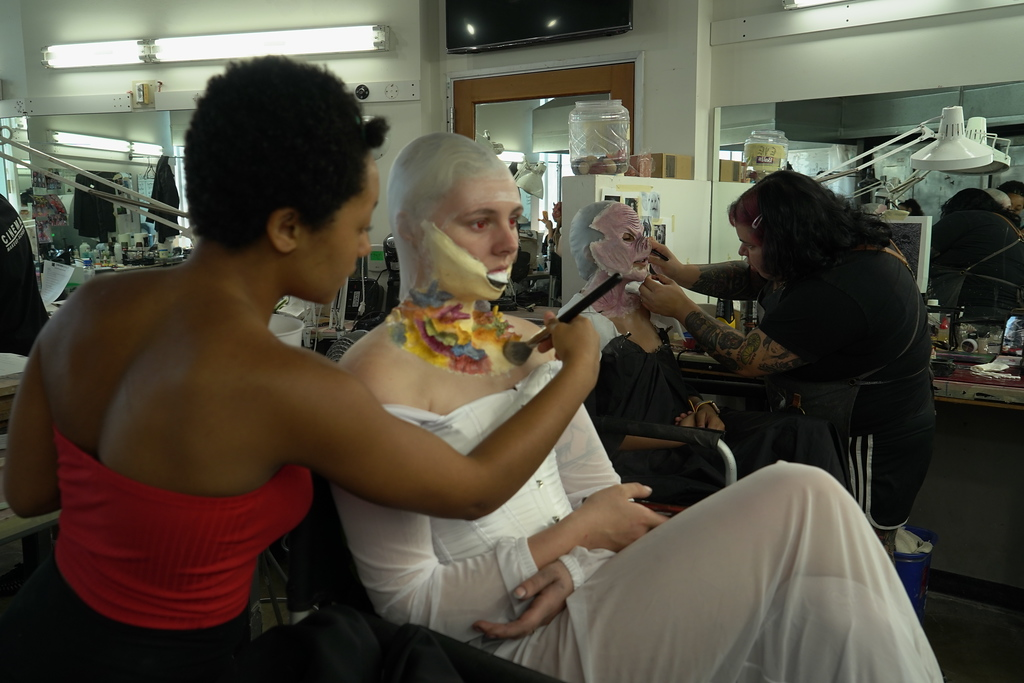
In special effects makeup, adhesives are essential for creating believable transformations and characters. They are used to secure prosthetics, build wounds and ensure makeup applications remain intact during long shooting hours, hot lighting conditions and physical movement.
For beginners, choosing the right adhesive can be confusing. There are many options available and each one behaves differently on skin, foam latex, silicone and other materials. Professional makeup artists select adhesives based on skin type, appliance material, shooting conditions and how long the makeup needs to last.
In this guide, we will explore the most commonly used adhesives in SFX makeup, how they work and when each one should be used.
Factors to Consider When Using Adhesives in SFX Makeup
Choosing the right adhesive is just as important as selecting the prosthetic itself. Different factors affect how well an adhesive performs on skin, especially during long shoots or live performances. Understanding these key considerations helps ensure the makeup stays secure, looks natural and remains safe for the performer.
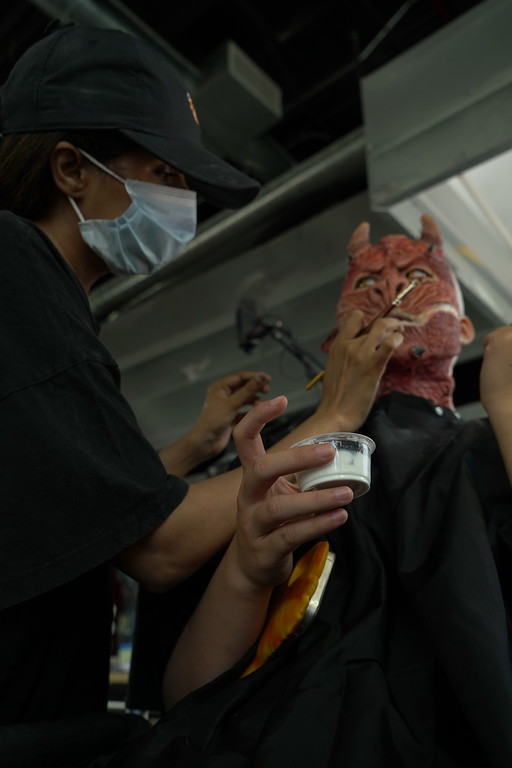
- Skin Safety: When using adhesives, remember to choose ones that are safe for direct contact with skin. They should not cause allergic reactions, irritation, or long-term damage when applied and removed correctly.
- Strong and Reliable Hold: If SFX makeup needs to stay in place for long hours, the adhesive must keep prosthetics and appliances securely attached without lifting or shifting.
- Flexibility with Skin Movement: When performing, an actor’s skin constantly moves due to facial expressions and body motion. Choose adhesives that remain flexible, so they move naturally with the skin instead of cracking or separating.
- Durability Under Harsh Conditions: On movie sets or stage, makeup is often exposed to hot lights, long hours, sweat and repeated movement. Choose adhesives that can hold up under these conditions without breaking down, losing grip, or causing the prosthetic to lift.
- Safe and Controlled Removal: A suitable adhesive should allow safe removal using proper removers without damaging the skin. Clean removal is essential to protect the performer’s skin, especially when adhesives are used repeatedly over multiple days.
Learn How to Make SFX Makeup Last Longer on Skin?
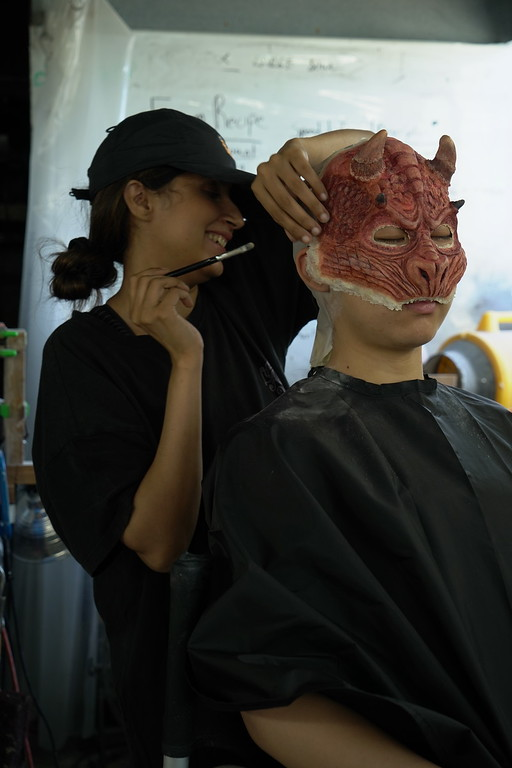
Common Adhesives Used in Special Effects Makeup
Special effects makeup uses a range of adhesives such as Spirit Gum, Pros-Aide, Telesis silicone adhesives, gelatin, liquid latex and FX tape, each suited for different materials and wear times. Knowing when to use each one helps achieve secure, safe and realistic SFX applications.
1. Spirit Gum
Spirit gum is used for small applications such as fake mustaches, beards, eyebrows, lightweight prosthetic pieces and small facial appliances. It is also used in theatrical makeup where long-term durability is not as critical as in movies.
However, it is not recommended for heavy prosthetics or long-duration film shoots, as it may lose strength with sweat and facial movement.
2. Pros-Aide Adhesive
Pros-Aide is widely used for attaching foam latex appliances in SFX makeup. It is a water-based acrylic adhesive known for its strong bond and flexibility, allowing prosthetics to move naturally with the skin.
This adhesive is frequently used in film, television, theatrical productions and themed entertainment, where long-lasting wear and durability are required.
3. Telesis Silicone Adhesive
This adhesive is an industry standard for film and television productions, especially when seamless blending and invisibility on camera are critical. Unlike traditional adhesives, it cures chemically rather than through evaporation, forming a strong and flexible bond.
It is used for silicone prosthetics, encapsulated appliances and other applications that require long wear, heat resistance and moisture durability. Telesis silicone adhesive also provides excellent edge blending for a natural, professional finish.
Note: Proper training is recommended for safe use and removal should be done with silicone-based removers to avoid skin irritation.
4. Gelatin Adhesive
Gelatin adhesive works well for lightweight prosthetics, small wounds, scars and other skin appliances, making it a popular choice in theater or low-budget film productions. It is skin-safe, easy to prepare and can also double as a material for building texture directly on the skin.
Gelatin adhesive provides temporary adhesion and works well for short-term effects. It is not suitable for heavy or long-duration applications.
5. Liquid Latex
Liquid latex serves as both an adhesive and a sculpting material, perfect for attaching prosthetic pieces, creating wounds, scars, or textured SFX details. It is flexible, dries quickly and can be layered for realistic results. While generally safe for most skin types, liquid latex may irritate sensitive skin and is not strong enough for heavy prosthetics or extended wear.
Proper removal is important to prevent skin damage.
6. FX Tape
FX tape provides a quick and temporary solution for securing prosthetics, wigs, or costume pieces, often used in stage performances or for on-the-spot fixes. Its easy application and removal make it convenient for short-term use.
However, FX tape is not suitable for long-duration wear or close-up film work and adhesion can be affected by sweat or movement.
Pro tip: At Cinema Makeup School, we offer hands-on special effects makeup courses where our instructors teach everything from material handling and adhesive selection to prosthetic application and designing camera-ready makeup looks. While guides and online resources are helpful, real-world training and professional guidance make a major difference.
Related Articles –
Different Types of Scar Wax and Their Uses in SFX Makeup
How Mannequins Help Beginners Create SFX Makeup Characters?
Must-Have Special Effects Makeup Tools Every Artist Should Own
Comparing Adhesive Types
| Adhesive Type | Best For | Hold Strength | Skin Sensitivity | Removal Difficulty |
| Spirit Gum | Fake mustaches, beards, eyebrows, lightweight prosthetics, small facial appliances; theatrical makeup | Light | Moderate | Easy |
| Pros-Aide Adhesive | Foam latex appliances, lightweight prosthetic pieces; film, TV, theater | Strong | Moderate | Moderate (requires water) |
| Telesis Silicone Adhesive | Silicone prosthetics, encapsulated appliances; long-wear, HD/film applications | Very Strong | Low-Moderate | Hard (requires silicone remover) |
| Gelatin Adhesive | Lightweight prosthetics, small wounds, scars; theater or low-budget productions | Light | High | Easy |
| Liquid Latex | Attaching prosthetic pieces, creating wounds, scars and textures | Moderate | Moderate-Low | Moderate |
| FX Tape | Securing prosthetics, wigs, costume pieces temporarily; stage or quick fixes | Light-Moderate | High | Easy |
If you’re interested in learning special effects makeup in a real studio environment, we invite you to take a tour of our campus and explore our SFX makeup training programs.