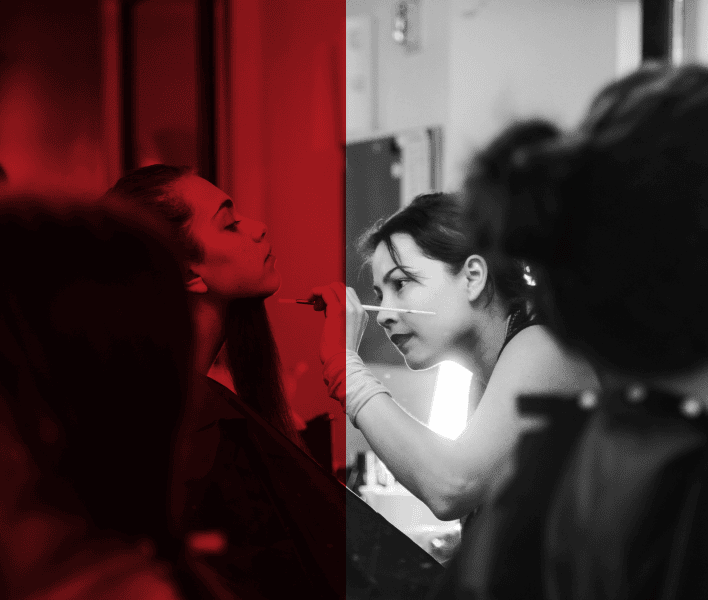
When you think of special effects makeup, your mind probably jumps straight to prosthetics, monsters, creatures and dramatic transformations. But here’s something many beginners overlook: hair and wig work.
Whether it’s crafting a rugged pirate beard, creating a futuristic cyborg hairline, building a creature’s mane, or designing era-specific hairstyles, SFX hair work brings life, personality and realism to your character. Without it, even the most stunning prosthetics can look unfinished.
If you’re an aspiring special effects makeup artist dreaming of film sets, TV productions, or creature design studios, mastering hair and wig techniques is just as important as sculpting or airbrushing. Let’s dive into how special effects hair design works, why it’s so important and how you can start building real industry-ready skills.
Tools Commonly Used in Special Effects Hair Design
- Wigs
- Wig caps
- Spirit Gum
- Pros-Aide
- Silicone adhesives
- Hair punching tools
- Crepe wool
- Ventilating needles
- Wig blocks
- Curling irons & Straighteners
- Steamers
- Heat gun
- Hair shears
- Thinning scissors
- Razors
- Strong-hold gels
- Setting sprays
- Texturizing products
- Hair dyes
- Airbrush paints
- Hair color sprays
- Mechanical grips
- Wig clips & pins
- Combs
- Teasing brushes
Hair Application Techniques Used in SFX
Hair work is one of the most transformative techniques in special effects makeup. It can instantly shift a character’s age, personality, species, or realism level. Whether you’re crafting a rugged warrior, a mythological creature, or a futuristic hybrid, mastering basic hair application methods helps bring your designs to life.
1. Hand-Laid Hair
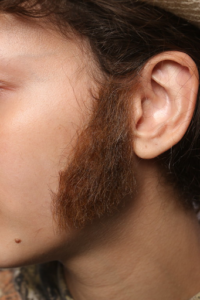
This involves applying individual strands or small clusters directly onto the skin or prosthetics using adhesives such as Pros-Aide or Telesis. Ideal for beards, sideburns, eyebrows, or patchy creature hair, this technique gives beginners full control over texture, direction and density.

Enroll now or book a tour to start your journey on becoming a special effects makeup expert with Cinema Makeup School in Los Angeles, CA!
2. Hair Punching Into Prosthetics
Using a needle tool, hair strands are inserted one by one into silicone or foam latex prosthetic pieces. This method creates the most realistic “growing from the skin” effect and is commonly used for creatures, hyper-real wounds, or aged skin.
3. Pre-Made Hair Pieces
Lace beards, fur sections and ready-made hair appliances help cover larger areas quickly. These pieces allow beginners to focus on blending and styling rather than building everything from scratch.
4. Crepe Wool Application
Crepe wool is one of the most versatile materials used for special effects hair design. It can be straightened, curled, dyed, trimmed and manipulated to mimic almost any hair texture or style. SFX makeup artists typically apply it in layered rows, building volume and shape gradually before blending and styling it like real hair. It is affordable, easy to control and highly customizable – the go-to choice for creating beards, sideburns, creature fur and character transformations.
5. Synthetic & Specialty Fibers
Sci-fi and fantasy characters often call for metallic strands, glowing fibers, or stylized synthetic materials. These can be applied to prosthetics or integrated into wigs to create visually striking looks.
How to Do Wig Work in Special Effects Makeup?
Wig work is a core skill for any SFX makeup artist, especially when creating characters for film, television and theater. A well-applied wig blends seamlessly with the makeup, stays secure under lights and movement and helps define the character instantly.
1. Choose the Right Wig for the Character
Start by selecting a wig that fits your design:
- a) Lace-front wigs for realistic hairlines
- b) Hard-front wigs for stylized or creature characters
- c) Custom-built wigs for period looks or fantasy roles
- d) Synthetic wigs for affordable practice and bold colors
- e) Human-hair wigs for film-level realism
A good match in color, length and texture will save you hours of extra styling and blending.
2. Prep the Actor or Dummy Head
Before applying any wig, start by prepping the actor or the mannequin head, so the foundation is smooth and secure. Begin by braiding or flattening the natural hair to remove bulk, then place a wig cap to create an even surface. Clean the hairline with a small amount of alcohol to remove oils and ensure the adhesive bonds properly.
Finally, trim the lace edges carefully, avoiding over-cutting so the wig maintains its structure. Proper preparation is essential because it allows the wig to sit naturally, stay secure during long hours on set and remain comfortable for the performer.
3. Apply the Wig Using Professional Adhesives
Special effects makeup artists typically use adhesives such as Pros-Aide, Telesis, or Spirit Gum, depending on the production environment. Lightly glue along the hairline, press the lace into place and blend the edges with makeup. Beginners should start with Pros-Aide because it gives more control and is easier to clean.
4. Blend the Hairline
Blending the hairline is the step that transforms a wig from noticeable to completely believable. Start by using fine scissors to carefully trim the lace so it disappears into the skin. Apply a bit of transparent powder to cut down any unwanted shine, then lightly tint the lace with alcohol paints to match the performer’s skin tone.
To make the hairline look even more natural, gently place a few individual hair strands along the forehead using adhesive. These tiny hairs soften the edge of the wig and make it look like the hair is growing out of the skin.
5. Style the Wig to Match the Character
The final styling step is where the wig truly transforms into the character’s identity. Tailor the look based on the genre you’re working in:
- Period characters: Use rollers, setting sprays and controlled heat styling to recreate historically accurate shapes.
- Fantasy Makeup Looks: Incorporate braids, beads, horn attachments, or fur textures to bring magical elements to life.
- Sci-fi looks: Build sleek, structured silhouettes using gels, metallic sprays, or futuristic detailing.
- Creature effects: Enhance the wig with crepe wool, hand-laid sections, or weathering techniques to create texture, age, or wildness.
6. Secure Wigs for On-Set Use
Once the wig is styled, it must be reinforced so it can withstand movement, sweat and long shooting hours. Use wig pins to anchor the wig securely and apply extra adhesive on high-tension areas like the temples and nape.
Then, sew small mechanical grips inside the wig to give it additional stability during movement. Finish with flexible gels to keep flyaways under control without creating stiffness. The goal is to ensure the wig looks seamless on camera and remains secure and comfortable throughout filming.
Want to Learn Hair & Wig Work for Films & TV?
If you want to work in films or television, learning hair and wig work is extremely important. Wigs, hairlines and textures play a big role in making any character look believable – whether it’s a realistic period look, a fantasy creature, or a sci-fi design.
Getting proper special effects makeup training helps you understand how to prep, apply, style and secure wigs the right way. It also teaches you how to work safely, handle different materials and fix problems quickly on set.
At Cinema Makeup School, students get hands-on practice with real industry techniques. Here, you’ll learn step-by-step how professionals apply and style wigs for film and TV and gain the confidence to work on characters with different looks. Our instructors guide you through the same methods used on actual productions, so you’re prepared for real SFX makeup jobs in the entertainment industry.
If you want to take your SFX makeup skills to the next level, enroll now or book a tour – we’re here to help you build your skills.
Related Articles –
How to Apply Latex & Vinyl Bald Caps in Character Makeup?
Photographic Hairstyling Courses Prepare You for Editorial & Fashion Shoots
SFX Makeup Kit Checklist for Beginners
Safety & Hygiene Tips for Hair and Wig Application
- Always do a patch test to check for adhesive allergies.
- Clean and sanitize all combs, brushes and tools before use.
- Wipe the hairline to remove oils and help adhesives stick better.
- Use heat tools carefully to avoid burns and wig damage.
- Store wigs on stands to keep them clean and in shape.
- Handle lace gently to prevent tearing or irritation.
- Sanitize your hands before touching the wig or hairline.