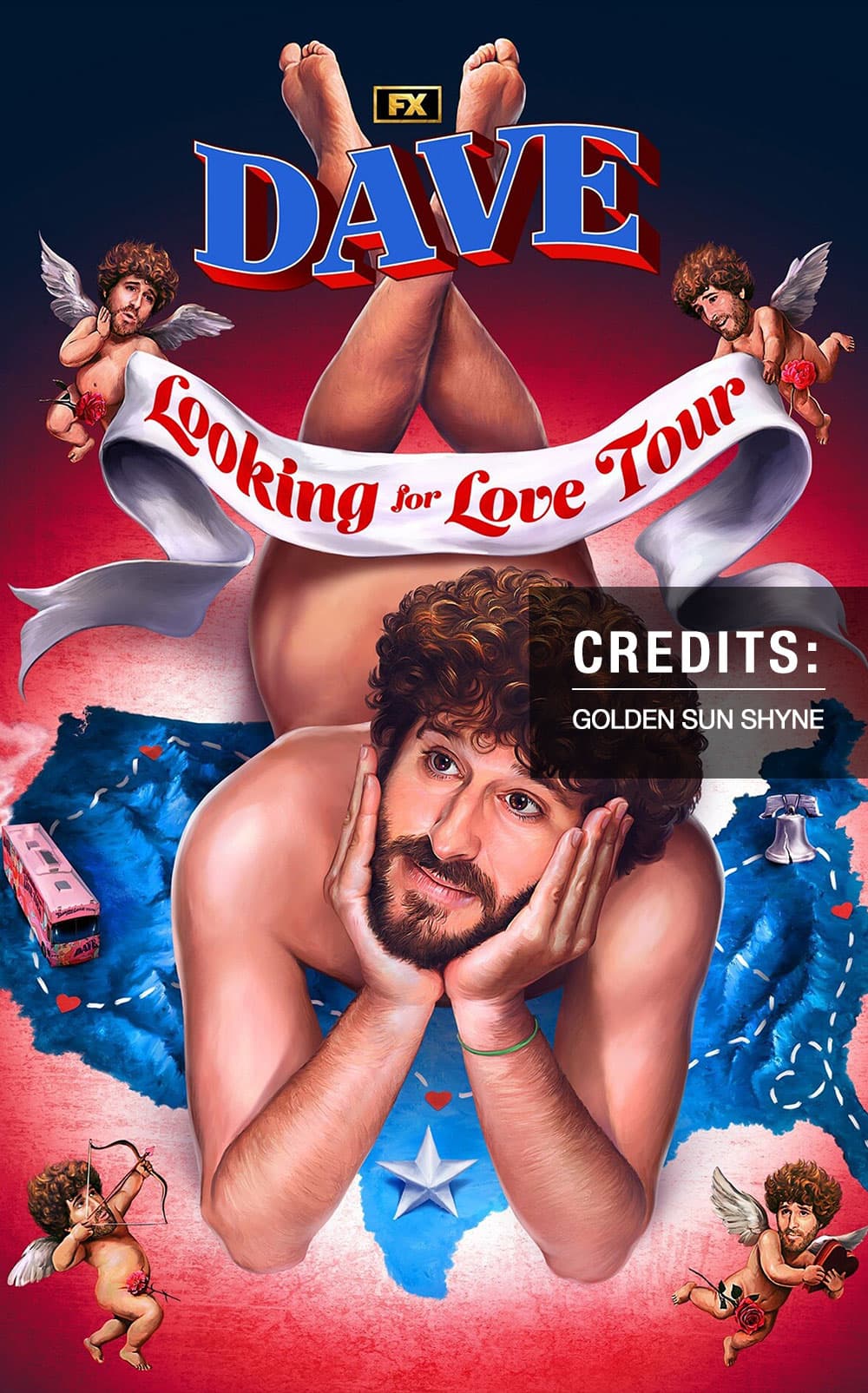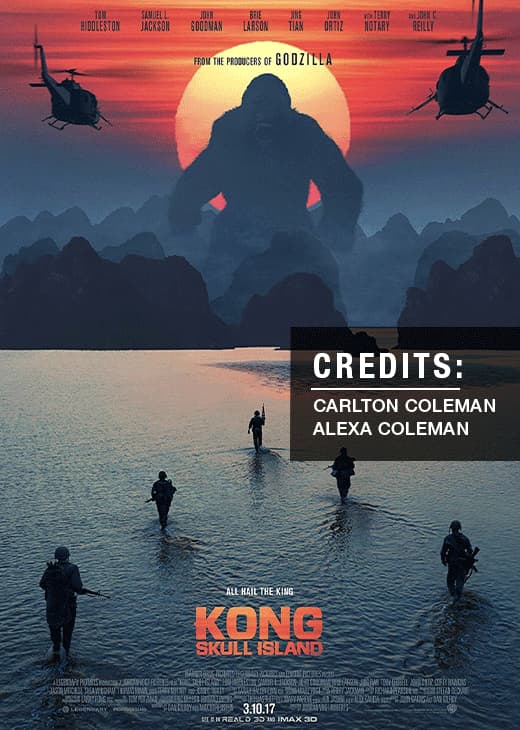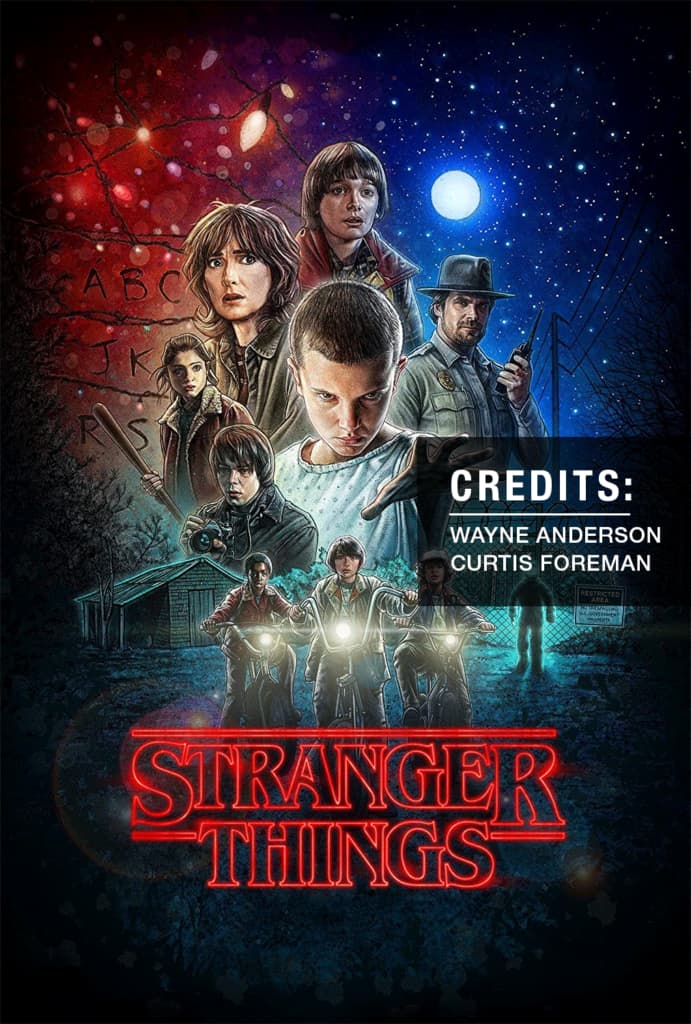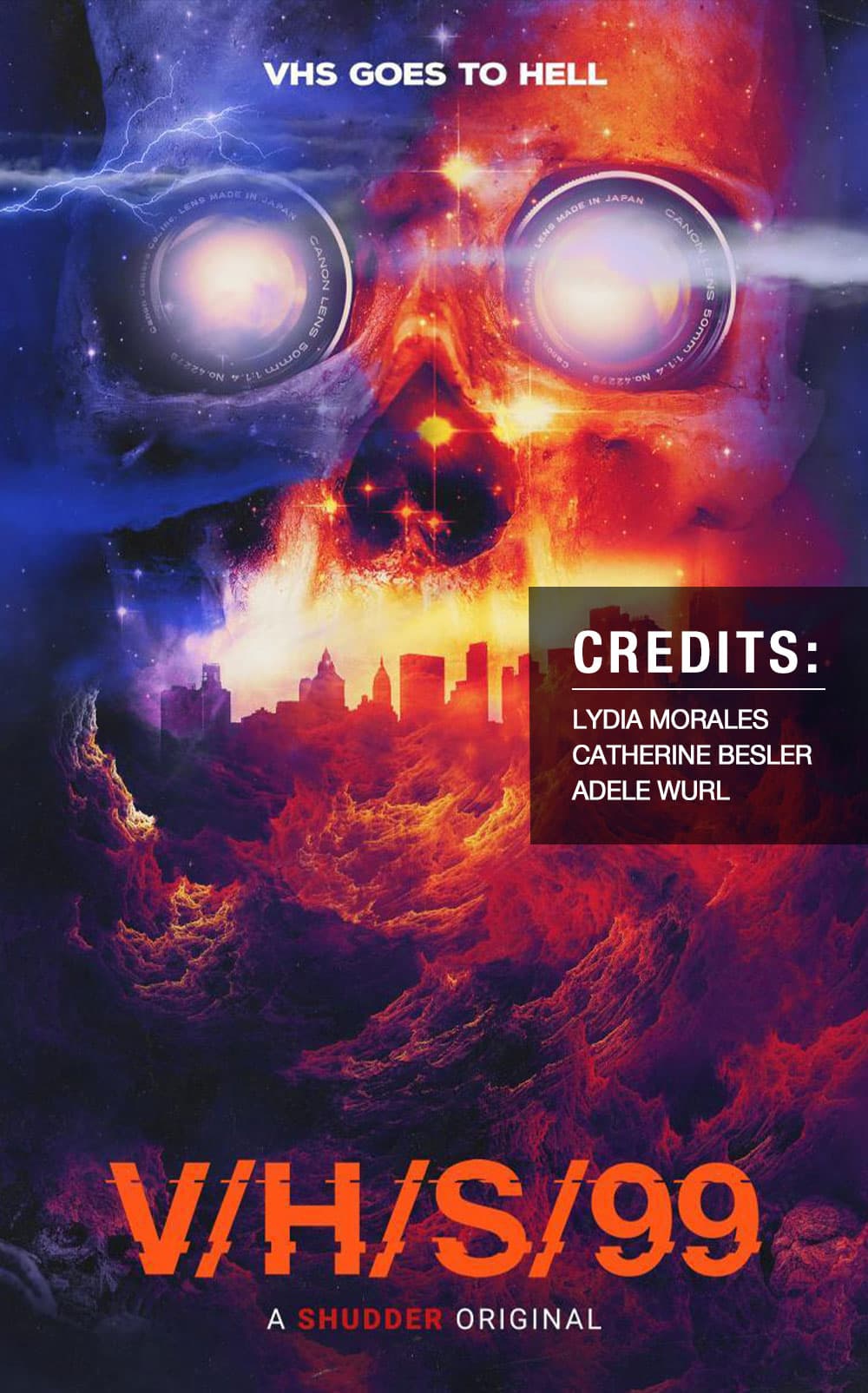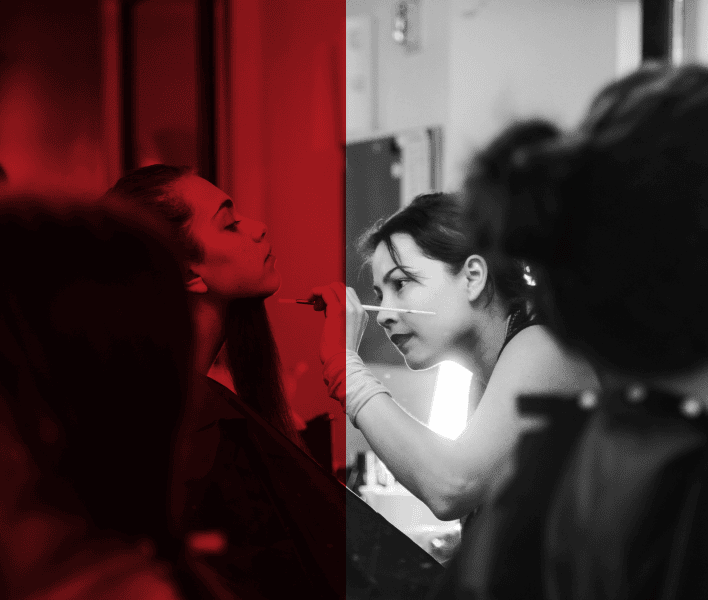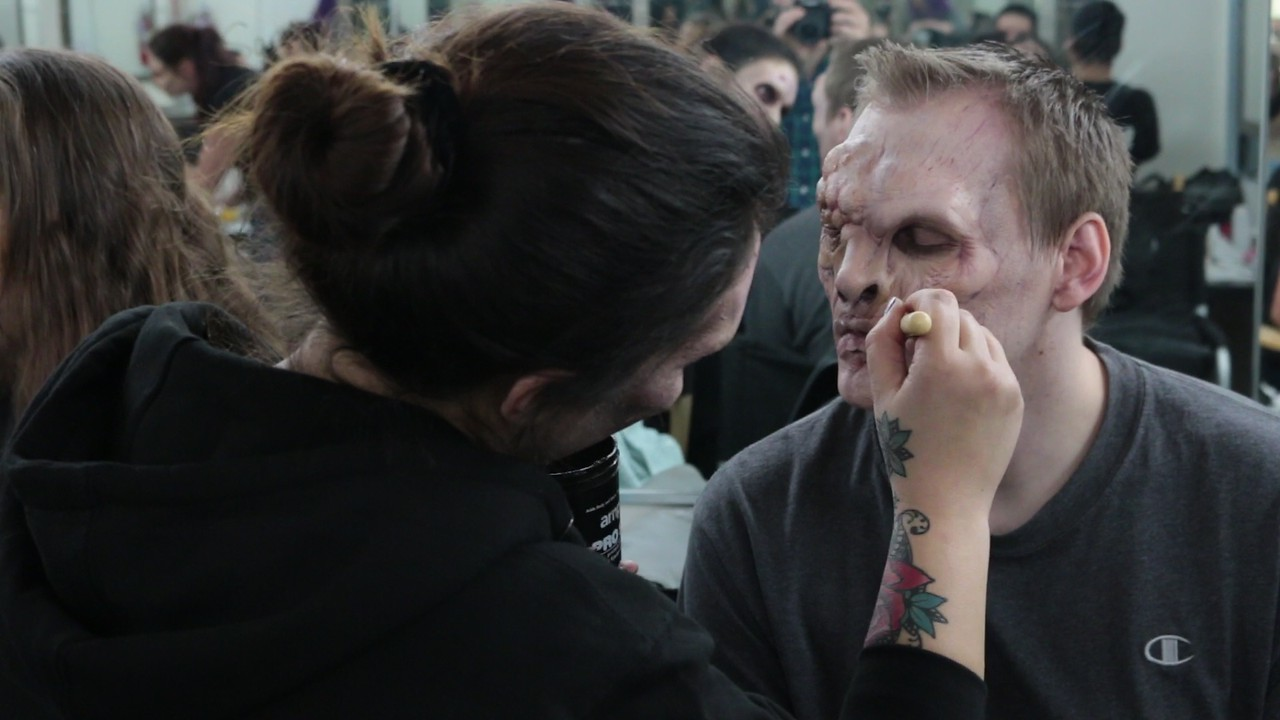
Special effects makeup is now a standard requirement in film, streaming and high-production television, especially in projects involving prosthetics and character-based transformations. Its use has increased alongside the growth of content production across global platforms.
In 2026, the special effects makeup industry is showing measurable growth, supported by consistent investment in film, streaming and high-budget series production. This is reflected in rising project volumes and continued demand for specialized skills such as prosthetic application and on-set effects work.
Let’s explore the current demand for SFX makeup, key growth patterns and what these trends indicate for individuals planning a career in this field.
Global SFX Makeup Market Size (2023–2031)
According to Verified Market Research, the SFX Makeup Market was valued at USD 3.1 billion in 2023 and is projected to reach USD 5.6 billion by 2031, growing at a CAGR of 6.5% during the forecast period 2024 – 2031.
This indicates a steady expansion in market size over the forecast period.
Key Factors Driving Demand in the Global SFX Makeup Industry
Increasing content production, genre-specific requirements, digital platforms and growing participation in cosplay and fan events drive the demand for SFX makeup. Industry exposure through events, advancements in materials, expansion of professional training and broader applications beyond film further contribute to the steady need for skilled SFX artists.
1. Expansion of Film, Streaming and Episodic Content
The increase in film production, streaming platforms and long-form series has significantly raised the demand for SFX makeup. Projects that involve prosthetics, creature design, or physical transformations require dedicated artists, making SFX makeup a consistent requirement in many productions.
2. Genre-Specific Production Growth
Horror, fantasy and science fiction remain primary areas where SFX makeup is consistently required, due to their reliance on prosthetics, practical effects and character transformations.
3. Influence of Digital Content and Social Platforms
Social media platforms and visual content channels have expanded opportunities for SFX artists beyond traditional film and television. Artists now showcase work, build audiences and secure freelance projects through digital platforms, increasing visibility and demand for the craft.
4. Growth of Cosplay and Fan-Driven Communities
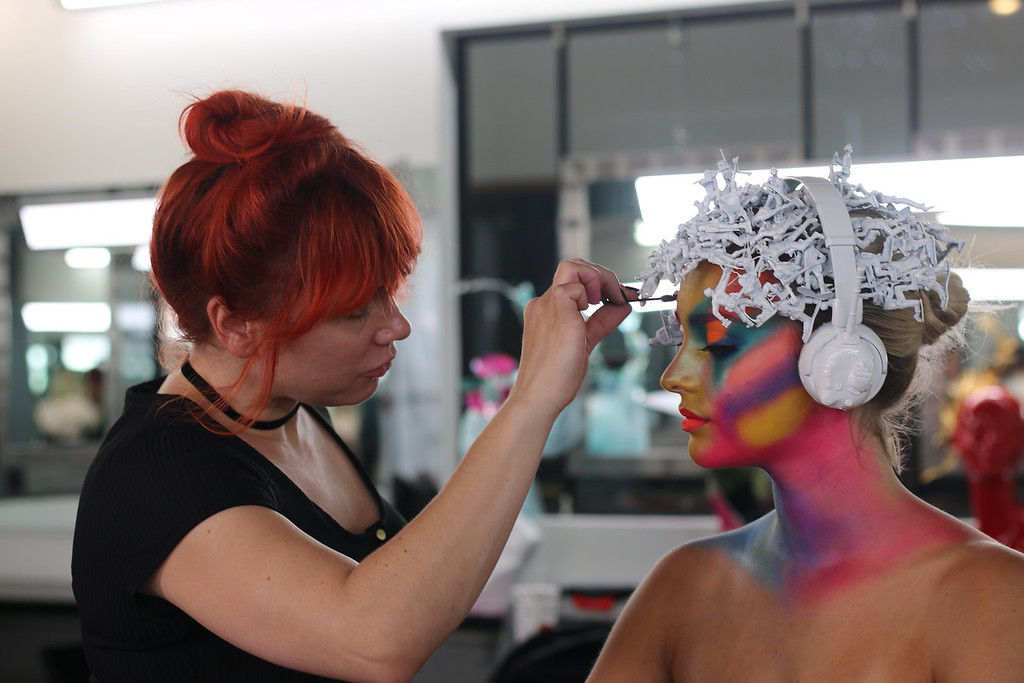
As more individuals participate in conventions, online forums and fan events, there is a growing focus on accurate character representation. This has led to greater use of prosthetics, body painting and detailed makeup, creating consistent demand for SFX skills outside traditional film and television environments.
5. Industry Events and Professional Exposure
Trade shows and events such as Monsterpalooza contribute to industry growth by connecting artists, studios and educators. These platforms help showcase new techniques, materials and career opportunities within the SFX space.
6. Advancements in Materials and Techniques
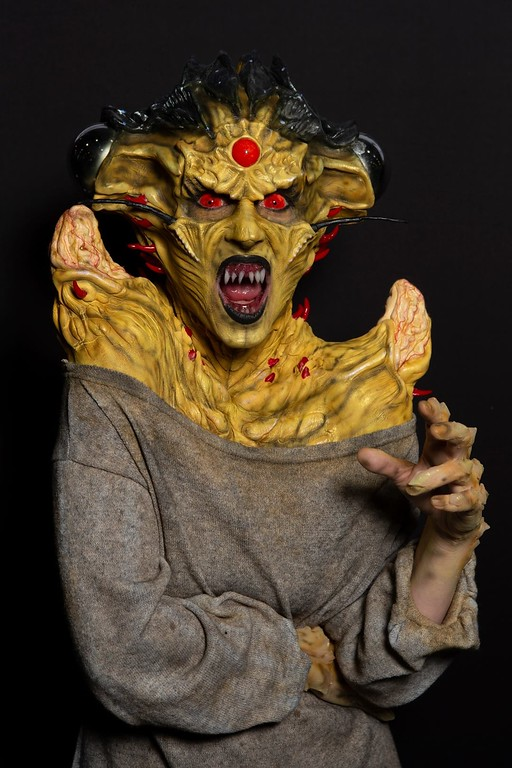
Continuous improvements in materials like silicone, foam latex and application tools have expanded what artists can achieve. These advancements make SFX makeup more efficient and realistic, increasing its use in modern productions.
7. Expansion of Training and Skill Development
As demand grows, more structured SFX makeup training programs are becoming available, allowing artists to develop specialized skills in prosthetics, sculpting and on-set work. This has led to a more skilled workforce entering the industry.
How Professional Training Impacts SFX Makeup Careers
Formal training provides access to industry-standard materials, guided practice and portfolio development, all of which are important for entering professional production environments.
Cinema Makeup School offers specialized special effects makeup programs designed to prepare students for careers in film, television and entertainment. With over 10,000 alumni working across productions like Avengers, Game of Thrones, Stranger Things & Avatar, we have a proven track record of placing graduates into working roles.
Here are the programs available to get you started:
- Complete Track – full diploma covering both beauty and special effects makeup.
- Creature Concept Design Program – for those focused on creature and character design.
- Prosthetic Makeup Certificate – specialized prosthetics training.
- Special Effects Makeup Certificate – hands – on SFX fundamentals.
Both US and international students are welcome.
8. Broader Applications Beyond Film
SFX makeup is no longer limited to film and television. It is also used in theme parks, live performances, advertising and digital content creation, contributing to a wider range of employment opportunities.
How the SFX Makeup Market Is Structured
The global SFX makeup market is categorized based on product usage, application areas, supply channels and regional demand. The table below provides a simplified breakdown:
| Product Type | Includes materials and products used in SFX makeup such as prosthetics (silicone, foam latex), adhesives and effects-based makeup products designed for character transformations and physical alterations. |
| End Users | Covers industries and professionals using SFX makeup, primarily film and television productions, along with theater, theme parks and digital content creators. |
| Distribution Channels | Refers to how products are supplied to artists, including professional makeup suppliers, specialty stores and online platforms that provide access to industry-grade materials. |
| Geography | Indicates how the SFX makeup market is distributed across different regions, with demand influenced by levels of content production, industry infrastructure and access to skilled professionals. |
More Helpful Blogs –
How Internships Help You Start a Career in SFX Makeup?
SFX Career Myths You Should Stop Believing
Top Career Mistakes New SFX Makeup Artists Make (and How to Avoid Them)
Frequently Asked Questions
Q1. What is the job outlook for SFX makeup artists?
Employment data for special effects makeup artists and related roles indicates a projected growth of around 2% from 2024 to 2034, according to the U.S. Bureau of Labor Statistics. While this is slower than average, it reflects the specialized and project-based nature of the industry rather than a lack of demand.
Q2. How much can an SFX makeup artist earn in the USA?
Earnings as an SFX makeup artist in the USA depend largely on your skill set, specialization and years of experience in the industry. There is no single fixed number – the more technically advanced your work and the stronger your portfolio, the higher your earning potential. For a detailed salary breakdown by experience level and role, read the full guide here.
Q3. What skills are required to work in SFX makeup?
Working in SFX makeup requires a combination of technical and practical skills. Prosthetic application, sculpting and mold-making form the core of the craft, along with a solid understanding of materials like silicone and latex.
Beyond the hands-on techniques, on-set workflow and time management are equally important, as productions run on tight schedules. These skills are best developed through structured technical training combined with consistent hands-on practice.
If you are serious about building a career in the special effects makeup industry, apply now or book a campus tour to explore the training environment and facilities.