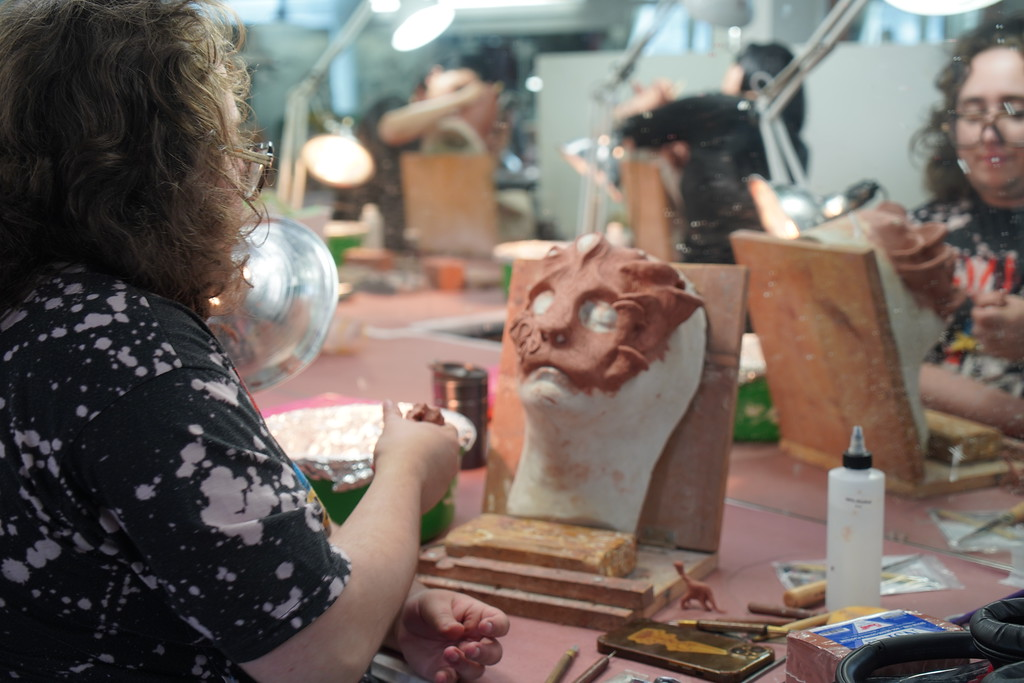
When aspiring artists research SFX makeup training programs, they often ask:
“Will this investment be worth it?”
Beyond the cost of tuition, they want to know whether the training can help them develop industry-relevant skills, build a strong portfolio and create opportunities that support a successful career.
The answer depends on several factors, including the type of training, career path, location, experience level and commitment to professional growth. However, when viewed from a long-term career perspective, specialized training can provide value that extends well beyond the classroom.
In this guide, we’ll compare the tuition costs of several SFX makeup courses at Cinema Makeup School with the potential earnings associated with related career paths in the United States.
SFX Makeup Course Cost vs. Average Salary
Located in Los Angeles, Cinema Makeup School helps aspiring artists build their careers through guidance from industry experts, exposure to industry standards and portfolio development opportunities.
To help you understand how enrolling in SFX makeup courses can support your professional growth and potentially lead to career opportunities within the entertainment industry, below is a breakdown comparing course costs with average salaries from related career paths in the United States.
1. Special Effects Makeup Training
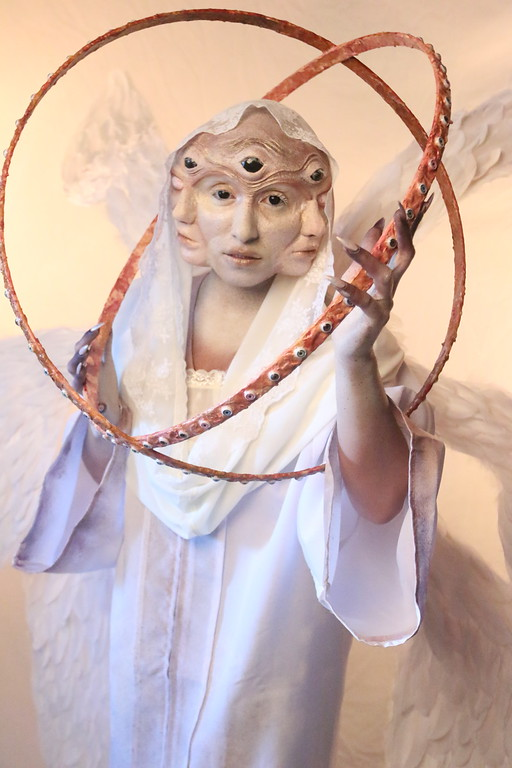
In the SFX Makeup Course, you’ll learn:
- Life cast correction and preparation
- Sculpting creature designs on a life cast
- Creature face and neck sculpting
- Mold-making techniques
- Foam latex casting
- Custom creature teeth creation
- Dental casting methods
- Foam latex appliance application
- Painting and finishing creature makeup
- Industry-standard creature design workflows
SFX Makeup Course Fee:
$5,410* (Tuition, Lab Fee and Materials) for 4 Weeks.
How Much Do SFX Makeup Artists Make in the USA?
The average salary of Special Effects Makeup Artists in the United States is approximately $55,195 per year (1).
ROI:
The total course cost represents less than 10% of the average annual salary reported for Special Effects Makeup Artists in the United States, highlighting the potential long-term value of professional training.
2. Prosthetic Makeup Training
In the Prosthetic Makeup Course, students learn the art of creating realistic prosthetics that blend naturally with the skin. Training covers sculpting realistic facial features, advanced mold-making techniques, creating prosthetic transfers and producing gelatin injury effects. These techniques are commonly used to create character transformations for film & television.
Prosthetic Makeup Course Fee:
$5,510* (Tuition, Lab Fee and Materials) for 4 Weeks.
What Is the Average Salary of Prosthetic Makeup Artists in the USA?
The average annual salary for a Prosthetic Makeup Artist in the United States is approximately $52,605 (2).
ROI: With a course investment of $5,510 and an average annual salary of $52,605, the training cost represents approximately 10.5% of the reported yearly earnings for a Prosthetic Makeup Artist.
3. Airbrush Training
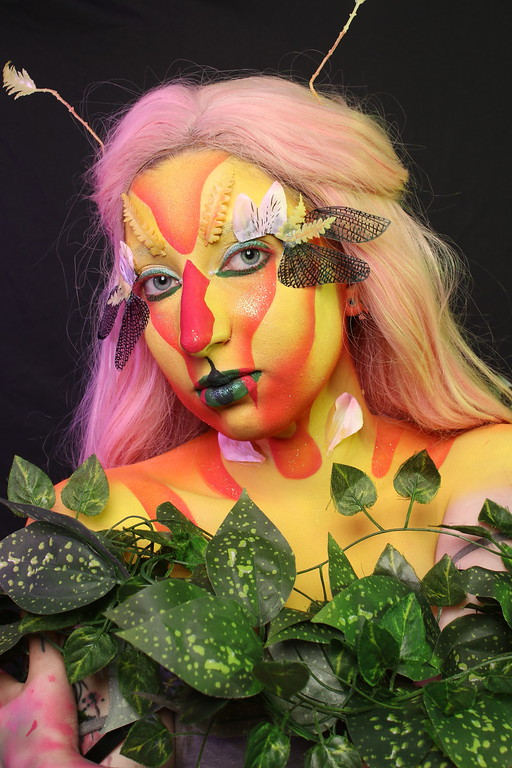
The Airbrush Course is designed to teach students the fundamentals of single-action airbrushing while exploring both beauty and fantasy makeup applications. Training covers creating flawless complexions, contouring and reshaping features through highlights/shading. Students also learn how to use stencils to create detailed designs, animal patterns and fantasy-inspired character effects.
Airbrush Makeup Course Fee:
$1,130* (Tuition, Lab Fee and Materials) for 1 Week.
What Is the Average Salary of Airbrush Makeup Artists in the USA?
In the United States, the average salary for an Airbrush Artist is approximately $30,000 per year (3).
ROI: With a course investment of $1,130 and an average annual salary of $30,000, the training cost represents less than 4% of the reported yearly earnings for an Airbrush Artist.
4. ZBrush Training
The special effects industry increasingly blends traditional makeup techniques with digital workflows. Cinema Makeup School’s ZBrush Training Course helps students develop digital sculpting skills using ZBrush, the industry’s leading 3D modeling software.
Students gain experience working with:
- Digital sculpting tools
- Meshes and geometry
- Polypainting techniques
- Surface finishing methods
- Maquette creation workflows
- 3D printing preparation workflows
ZBrush Makeup Course Fee:
$1,000* (Tuition, Lab Fee and Materials) for 1 Week.
How Much Do Professional ZBrush Artists Earn?
The average annual salary of a ZBrush Artist in the United States is approximately $120,531 (4).
ROI: Compared to the average annual salary of $120,531, the $1,000 course fee represents a relatively small investment, approximately 0.83% of the reported annual salary, for developing digital sculpting skills used in the entertainment industry.
5. Creature Concept Design
The Creature Concept Design Program introduces students to character development workflows commonly used in film and television production. Training incorporates Digital FX Makeup, Creature Maquette and ZBrush Digital Design, helping students understand both traditional and digital approaches to creature creation.
Creature Concept Design Course Fee:
$3,085* (Tuition, Lab Fee and Materials) for 3 Weeks.
What Is the Annual Salary of Creature Designers in the USA?
The average annual salary of a Creature Designer in the United States is approximately $83,148 (5).
ROI: With a course investment of $3,085 and an average annual salary of $83,148, the cost of training represents approximately 3.7% of the reported yearly earnings for a Creature Designer in the United States.
(Course prices marked with * are subject to change.)
Apply here to join the special effects makeup courses and take the next step toward getting hired in the industry.
Related Articles:
How Big Is the Global Special Effects Makeup Industry in 2026?
Contract-Based vs Direct Hiring SFX Makeup Jobs
How to Get Clients as an SFX Makeup Artist in 2026?
How SFX Makeup Courses Deliver Value Beyond Financial Returns
Training at Cinema Makeup School isn’t limited to financial outcomes such as income potential or salary growth. The value of SFX makeup education also comes from the practical, professional and creative advantages students gain during their training.
Portfolio Development
Students graduate with hands-on work that can be showcased in a professional portfolio to highlight their skills and attract opportunities in the industry.
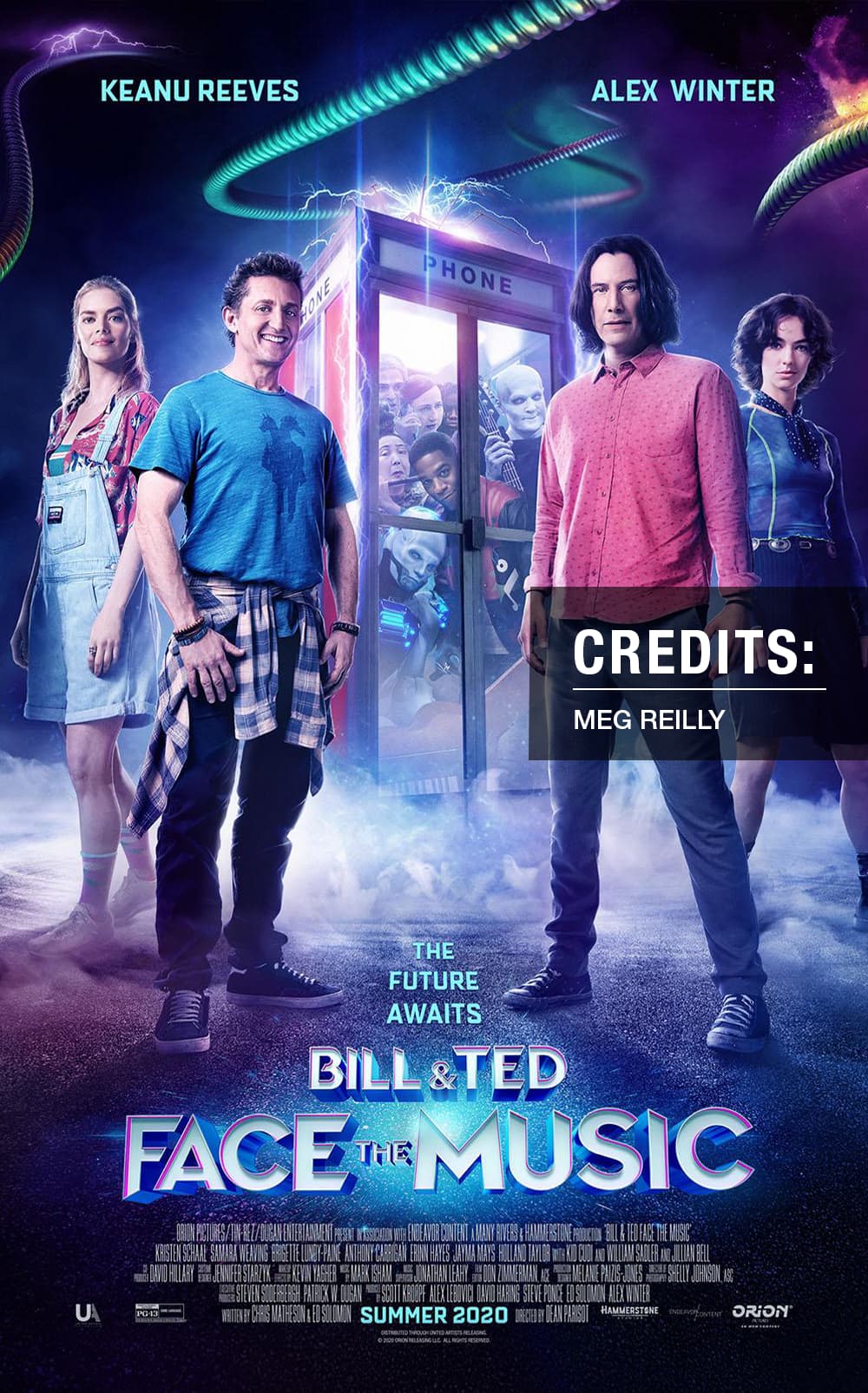
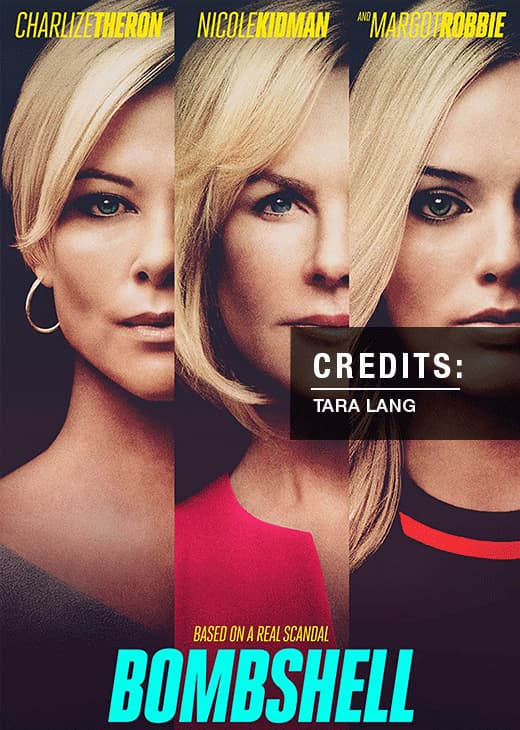
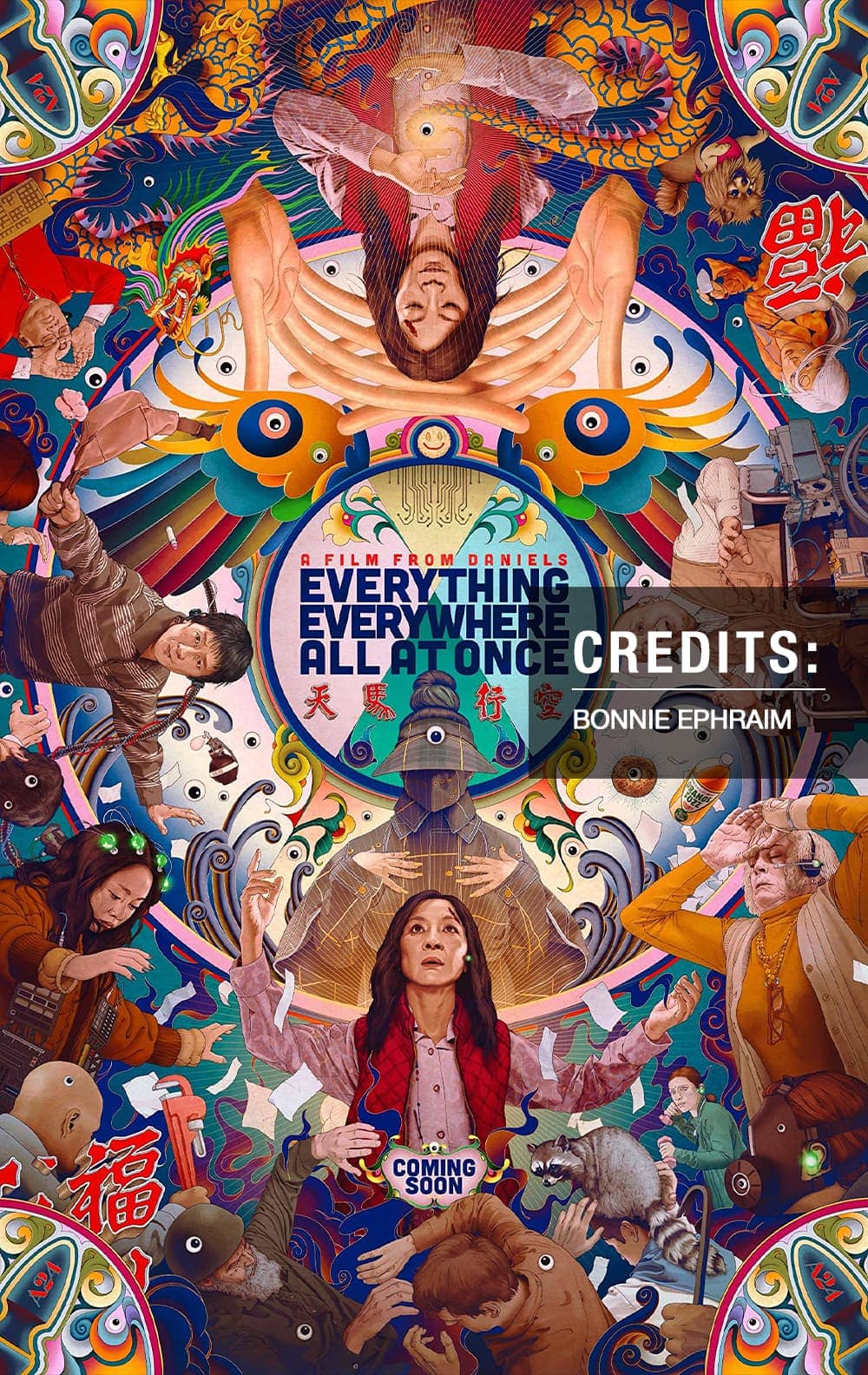
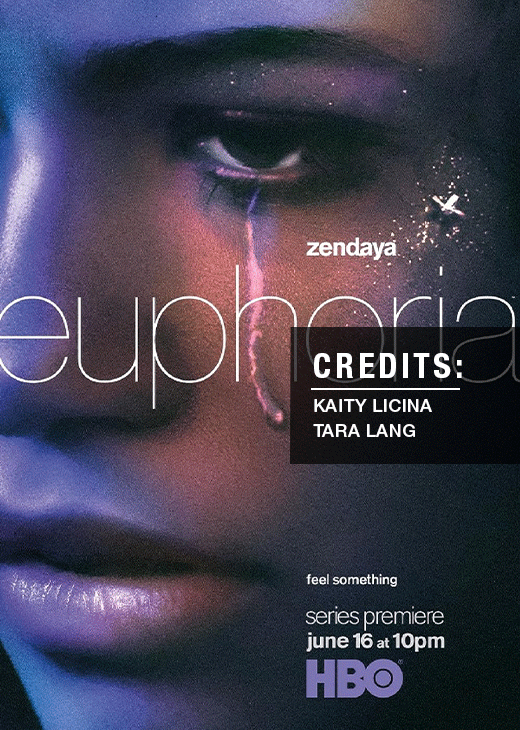
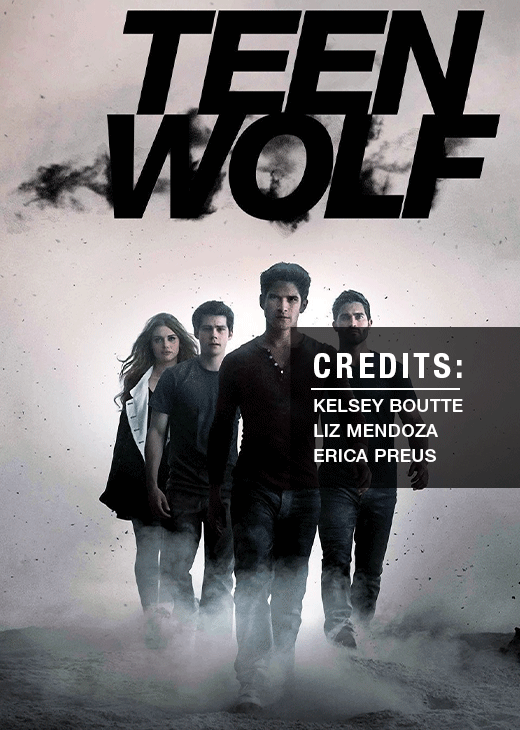
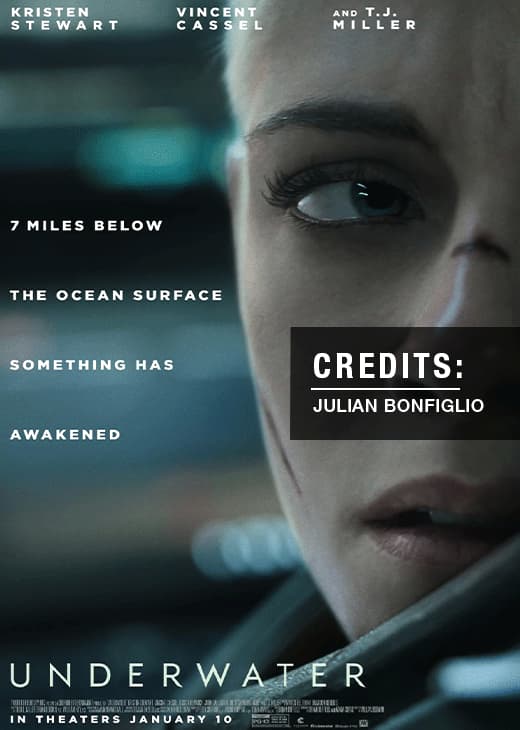
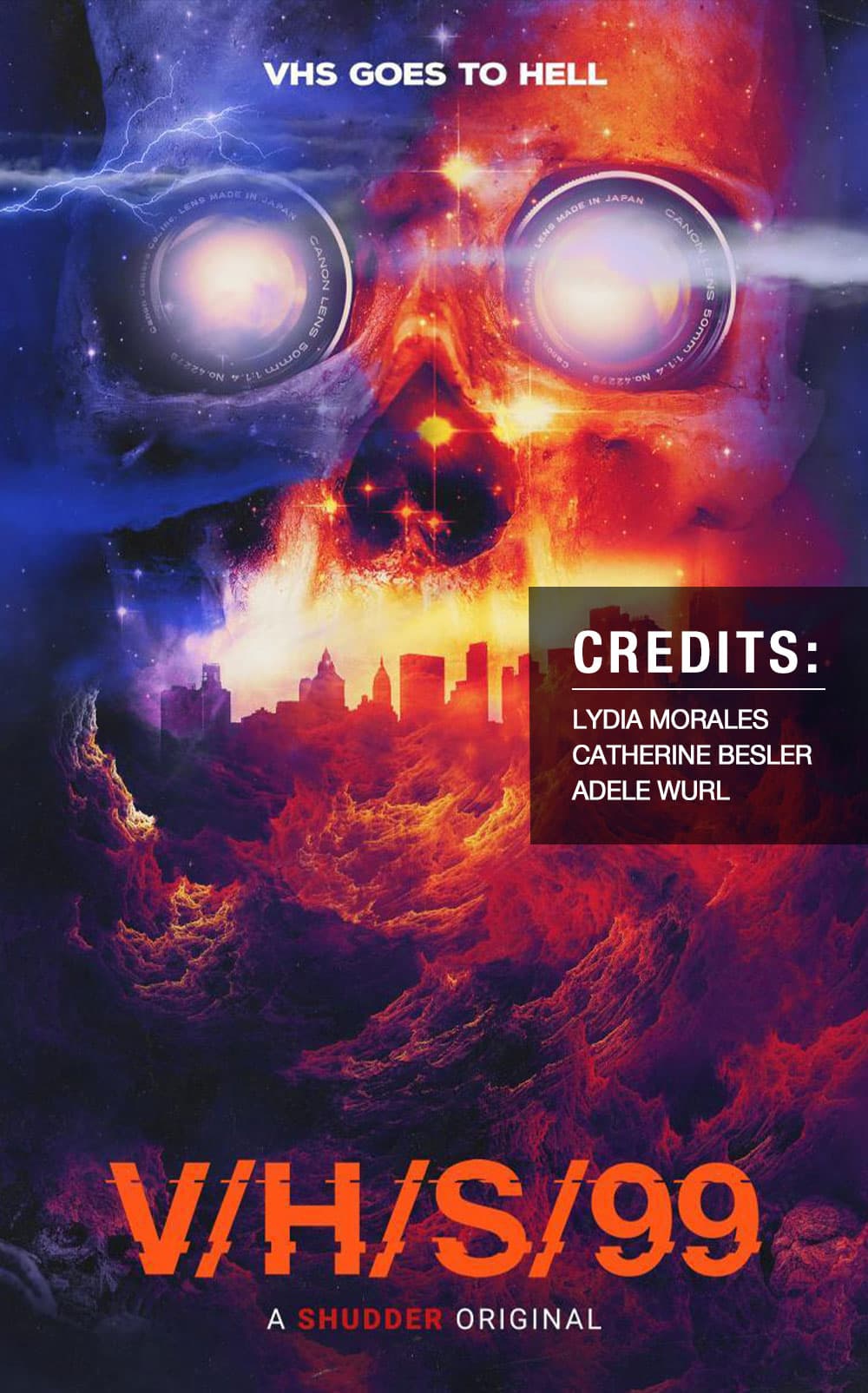
Opportunities to Earn Project Credits
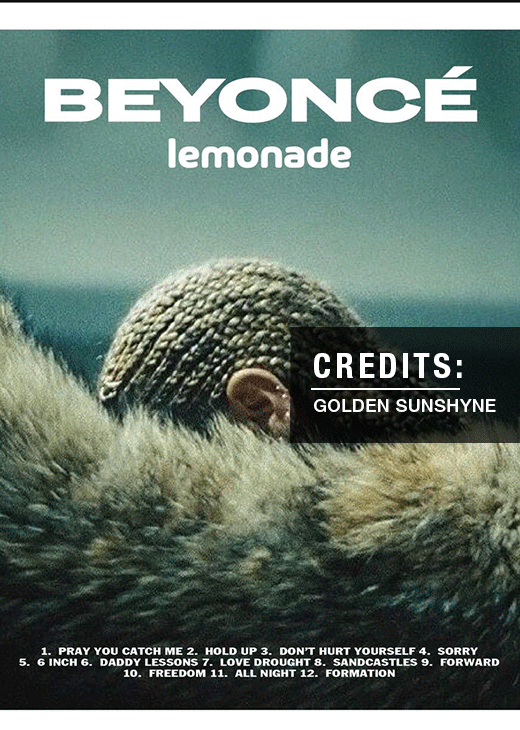
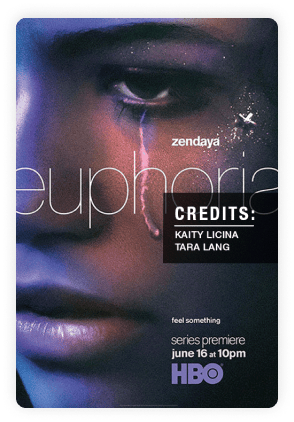
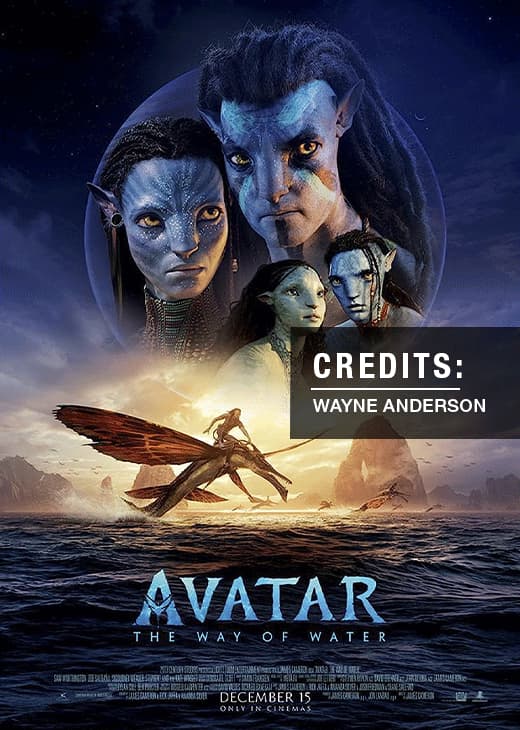
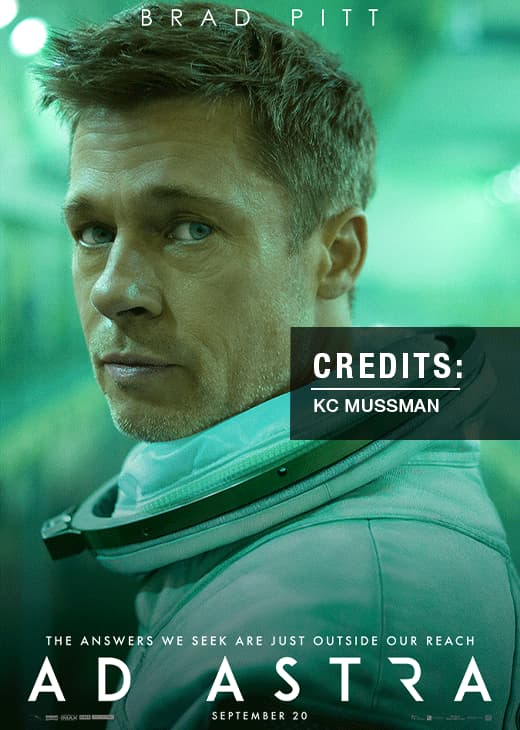
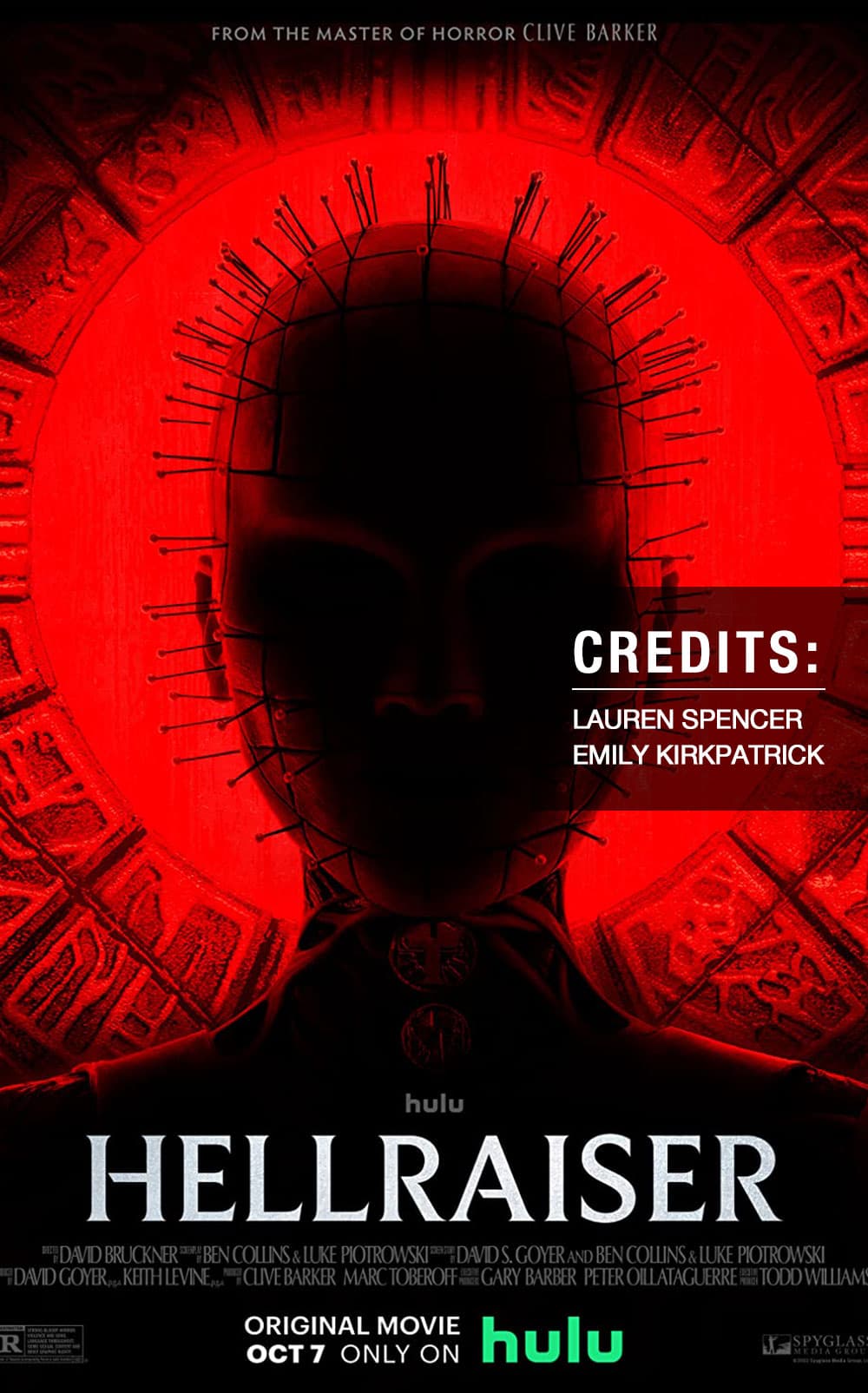
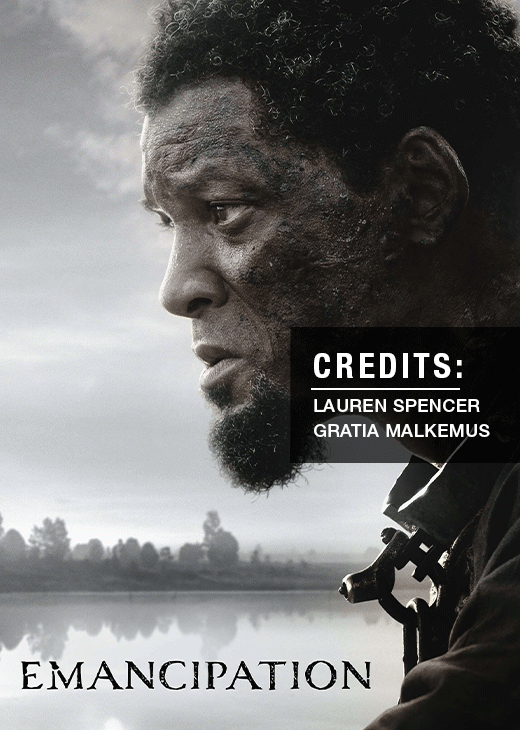
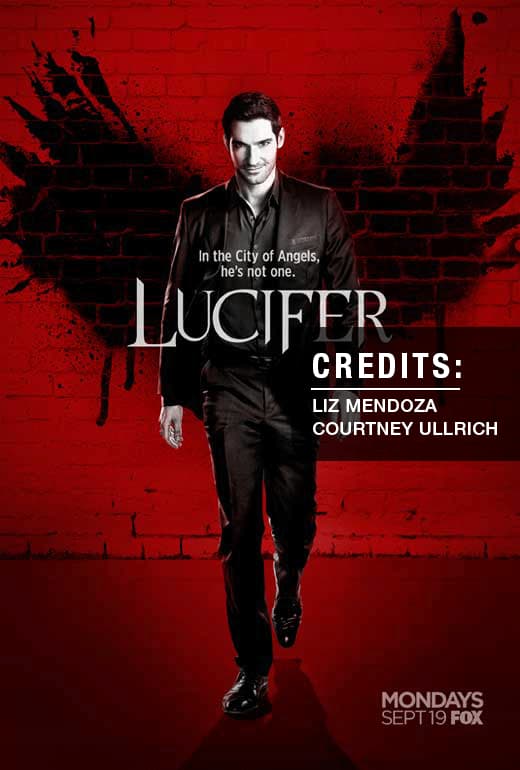
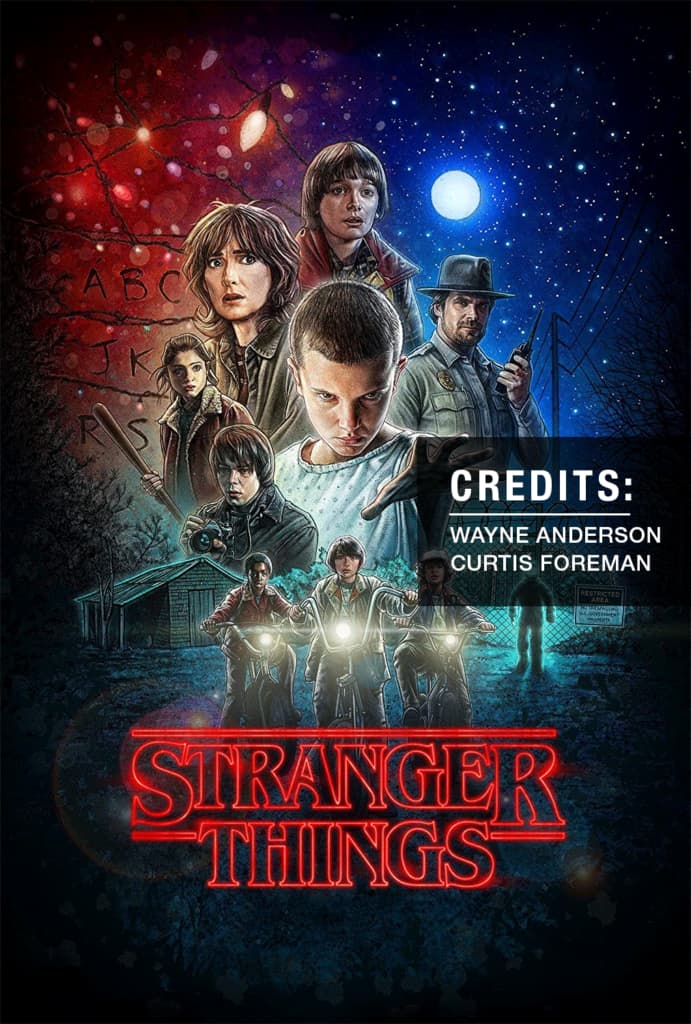
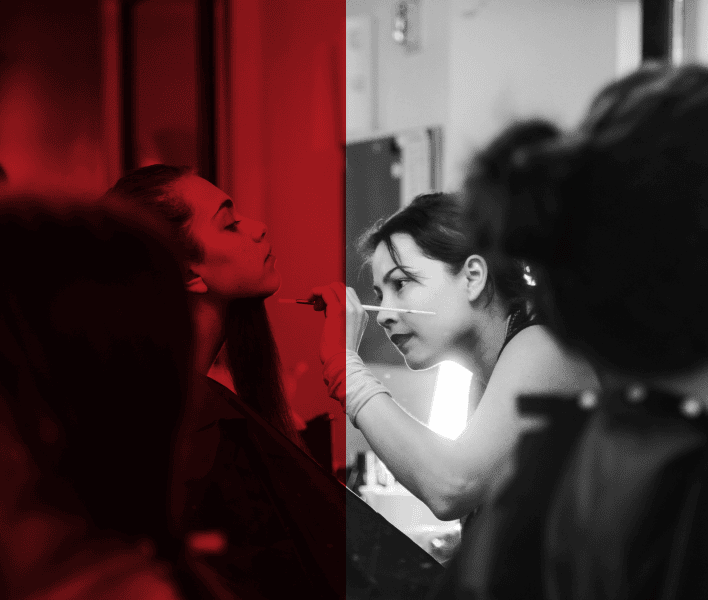
Students work on real-world projects in a professional training environment, helping them understand on-set workflows, collaboration and industry standards while gaining practical, portfolio-ready experience.
Certificates and Diplomas That Demonstrate Training
Students receive formal recognition of completed training, reflecting focused education in specialized areas of SFX makeup artistry.
Industry Connections
Training provides exposure to instructors and peers within the industry, helping students understand professional expectations and build meaningful connections.
Take a tour of the Cinema Makeup School campus and see how students train for SFX careers.
References:
- https://www.comparably.com/salaries/salaries-for-special-effects-makeup-artist
- https://www.ziprecruiter.com/Salaries/Prosthetic-Makeup-Artist-Salary
- https://www.ziprecruiter.com/Salaries/Airbrush-Artist-Salary
- https://www.ziprecruiter.com/Salaries/Zbrush-Artist-Salary
- https://www.ziprecruiter.com/Salaries/Creature-Designer-Salary