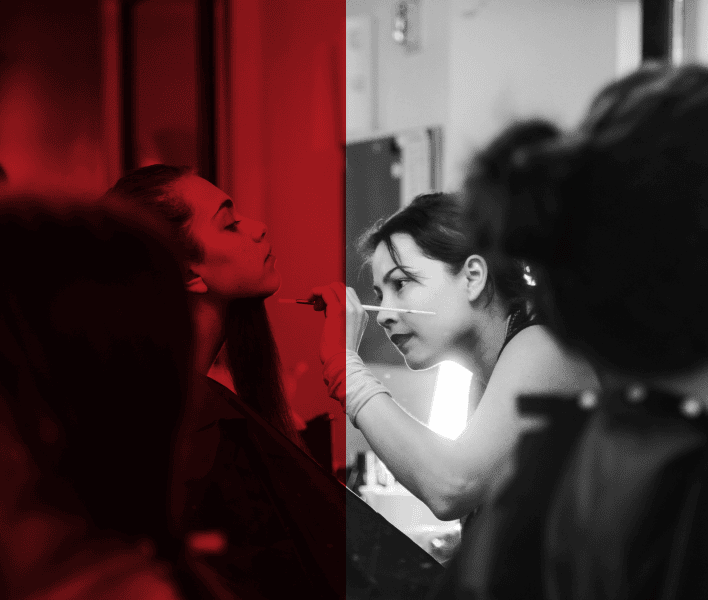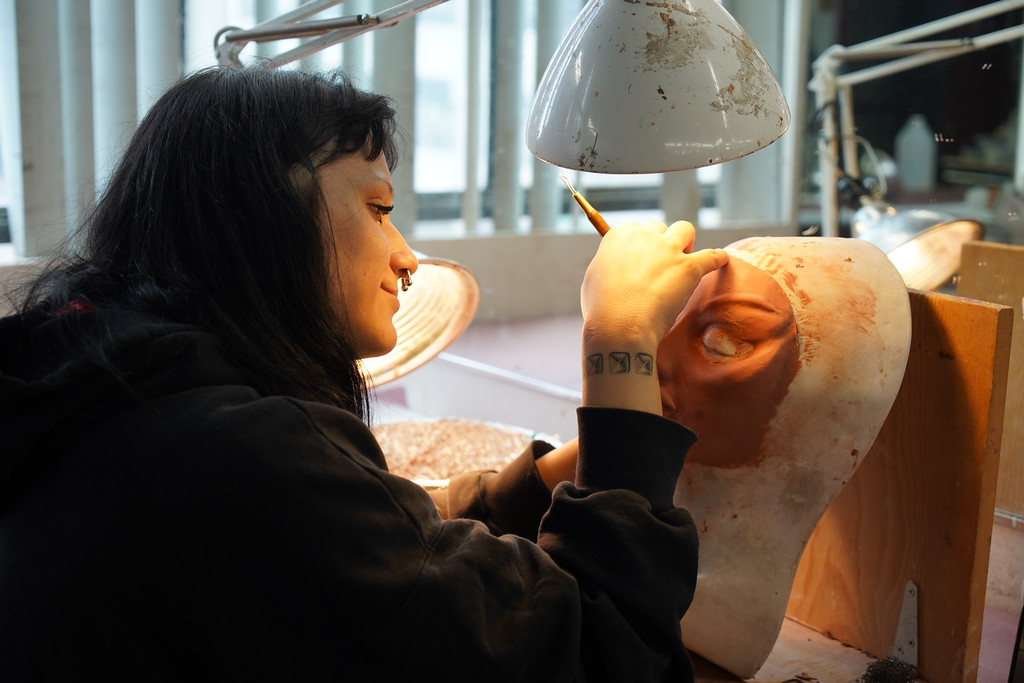
Many aspiring special effects makeup artists believe that mastering prosthetic design, sculpting, mold-making, airbrushing and character makeup will automatically lead to job opportunities.
Every year, talented artists create impressive creatures, realistic wounds, aging effects and fantasy characters. Yet some struggle to secure consistent work, while others with similar technical abilities find opportunities on film sets, television productions, commercials, haunted attractions and independent projects.
The difference often comes down to employability rather than artistic skill alone.
Employers and production teams evaluate more than technical talent. They look for artists who can work efficiently, collaborate with others, adapt to production demands and contribute professionally on set. Let’s look at some signs that could be affecting your employability.
Why You’re Not Getting Hired Despite Having SFX Makeup Skills
Even highly skilled artists can struggle to find opportunities if they overlook certain professional expectations. From portfolio development and time management to teamwork, industry involvement and business knowledge, several factors can affect employability.
1. Your Portfolio Shows Finished Results but Not the Process
Hiring managers often want to see more than a polished photograph. They want evidence of your workflow, decision-making process and technical understanding. A portfolio filled only with finished images may leave questions about whether you sculpted the prosthetic yourself, applied it personally, or collaborated on only part of the project.
Showing concept sketches, sculpting stages, mold-making processes, appliance fabrication, application photos and final results can demonstrate a deeper level of expertise.
The ability to explain your process often tells employers more about your capabilities than the final image alone.
Check Out: How to Build a Portfolio That Gets You Hired as an SFX Makeup Artist?
2. Prioritizing Perfection Over Efficiency
Artists spend countless hours refining every detail of a special effects makeup application. While attention to detail is important, professional productions rarely provide unlimited time.
A prosthetic application that takes eight hours to complete may look incredible, but if a production schedule allows only three hours in the makeup chair, efficiency becomes just as important as artistry.
Directors and producers need artists who can consistently deliver high-quality work within production deadlines. An artist who understands how to balance quality and speed often becomes a more valuable asset than someone who requires excessive time to achieve similar results.
Learning how to streamline workflows, prepare materials efficiently and manage application time can significantly improve employability.
Tip: Looking to advance your skills? Join Special Effects Makeup Courses at Cinema Makeup School and begin your professional training journey.
3. Limited Experience Working With Other Creatives
On most productions, SFX makeup artists regularly work with:
- Directors
- Producers
- Costume designers
- Hairstylists
- Cinematographers
- Actors
- Other makeup professionals
Each department contributes to the final visual result, which means makeup decisions often need to align with broader production goals.
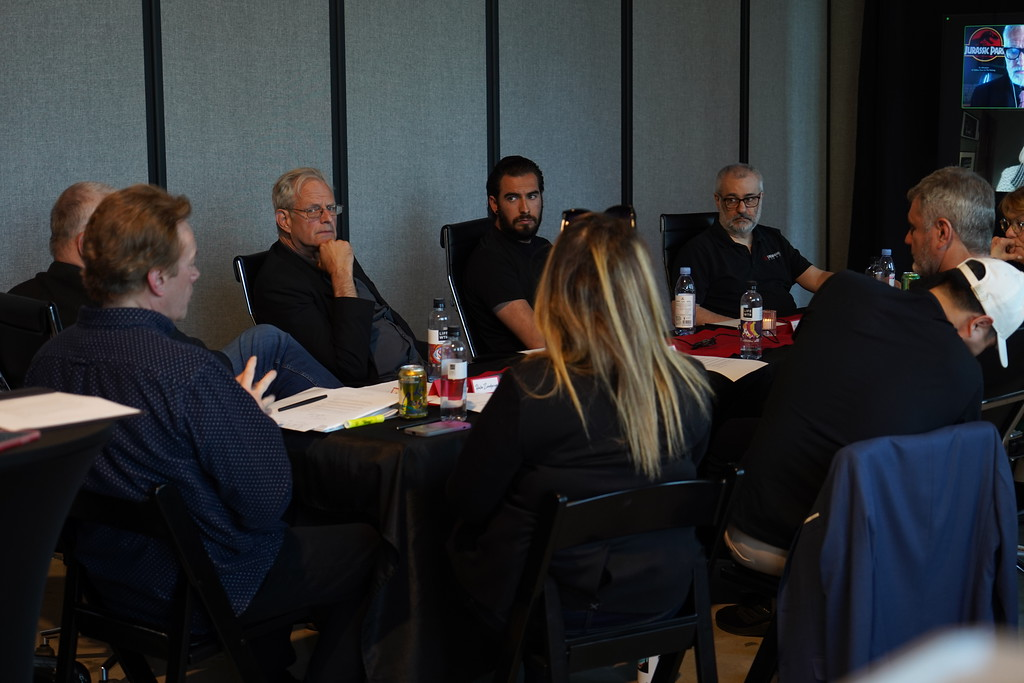
Some artists become highly skilled through independent practice but struggle when asked to collaborate. Opportunities often go to artists who communicate effectively and contribute positively to a team environment. Technical ability may get you noticed, but collaboration skills often determine whether you continue receiving work.
4. Your Work Hasn’t Been Tested in Real-World Conditions
Social media has made it easier than ever to showcase impressive makeup effects. However, much of the work showcased in portfolios is created under controlled conditions that don’t reflect actual production environments.
A makeup design may look flawless for a photoshoot but encounter problems during filming. Prosthetics may lift during movement. Paint jobs may break down under heat. Materials may react differently under studio lighting or long shooting days.
Employers look for artists who understand durability, continuity, actor comfort and camera performance. Testing your work under realistic conditions helps demonstrate that your skills extend beyond creating visually appealing photographs.
5. You’re Waiting for Opportunities Instead of Creating Them
Some artists believe that once their skills reach a certain level, employers will automatically discover them. In reality, career growth often requires proactive effort.
Building visibility within the industry often involves:
- Building relationships with industry professionals
- Participating in collaborative projects
- Attending industry events
- Connecting with filmmakers and content creators
- Consistently sharing quality work
6. You Don’t Understand the Business Side of the Industry
Freelance makeup artists frequently manage client communication, scheduling, contracts, invoices, budgeting and marketing. Even artists working within larger productions benefit from understanding how projects are organized and managed.
Without these skills, it can become difficult to maintain professional relationships or secure repeat work.
Understanding how productions operate allows artists to function more effectively within the industry and positions them as professionals rather than hobbyists.
Best Practices for Building a Successful SFX Makeup Career
- Treat every project as if it were a professional production.
- Focus on solving creative challenges, not just showcasing techniques.
- Learn how makeup supports storytelling and character development.
- Develop the confidence to work outside your comfort zone.
- Build a reputation that makes people want to hire you again.
Related Articles:
Importance of Hygiene and Safety in SFX Makeup Careers
How to Market Yourself as an SFX Makeup Artist During Halloween?
Why Consistency Matters in Special Effects Makeup?
Why Structured Training Becomes a Turning Point
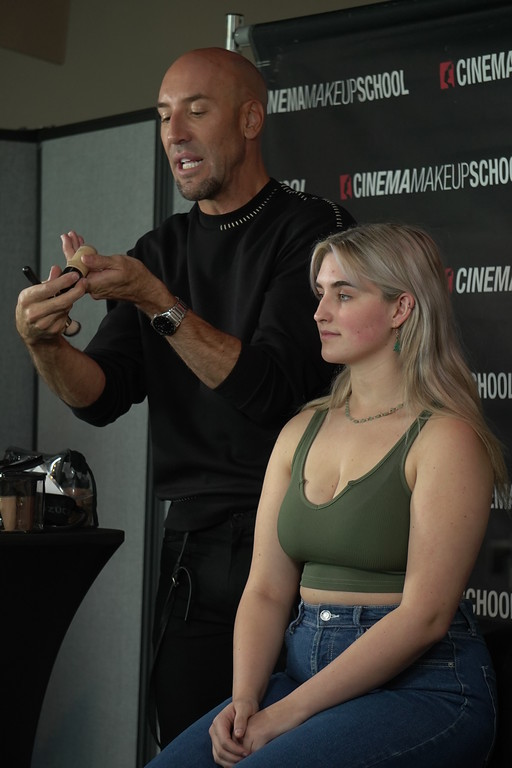
Structured training programs frequently teach not only makeup techniques but also the professional standards expected throughout the industry. Founded in 1993, Cinema Makeup School provides hands-on SFX makeup training designed to help students build both artistic and career-focused skills.
Students who enroll can benefit from:
- Practical training that combines creative artistry with real-world industry expectations.
- Personalized instruction through smaller class environments and hands-on learning experiences.
- Exposure to both established makeup principles and evolving industry techniques.
- A foundation designed to support long-term career growth across multiple areas of makeup artistry.
Curious about student life at Cinema Makeup School? Schedule a campus tour today.