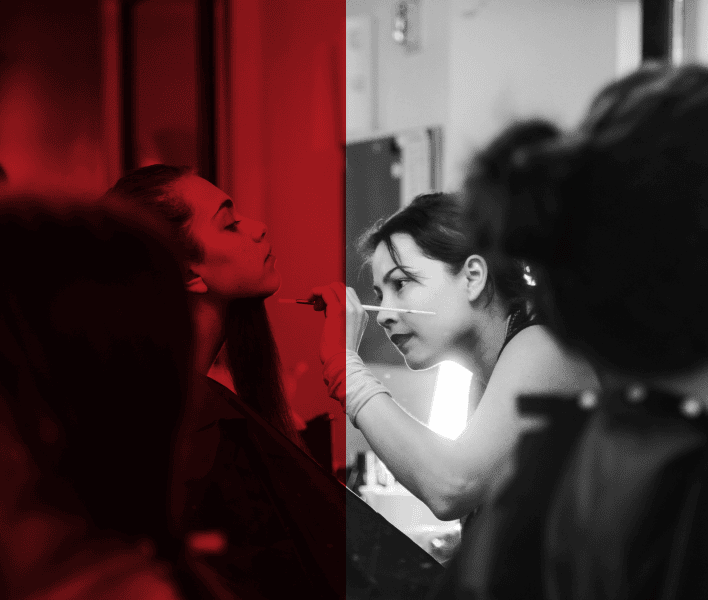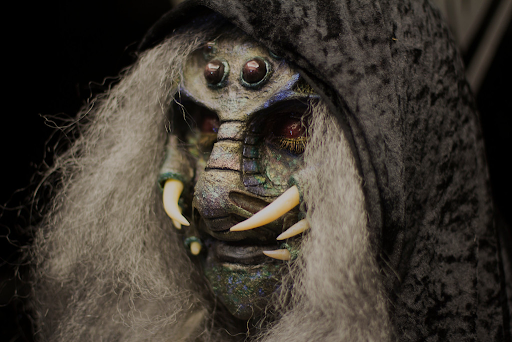
The eyes are often called the most expressive part of the face, making them one of the most important areas to transform in special effects makeup. A fake eye prosthetic adds three-dimensional form and texture that cannot be achieved with paint.
From subtle aging effects to dramatic creature transformations, the right eye prosthetic can completely change a character’s appearance.
Let’s explore the different types of fake eye prosthetics SFX makeup artists create, along with the materials, techniques and skills involved. Whether you’re planning to enroll in an SFX makeup program or already have experience in the field, this guide will help you better understand the craft.
Common Materials Used for Fake Eye Prosthetics
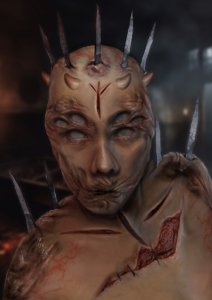
The material used for a fake eye prosthetic depends on the desired appearance, flexibility, durability and production requirements. Professional SFX makeup artists choose different materials based on how the prosthetic needs to perform during filming or live performances. Each material offers unique advantages for creating realistic eye transformations.
- Silicone: One of the most widely used materials for high-end eye prosthetics because it closely mimics the look and movement of human skin. It is flexible, durable and blends naturally with facial expressions, making it a preferred choice for film and television productions where close-up realism is important.
- Foam Latex: Lightweight and comfortable, making it suitable for larger eye and facial prosthetics that actors may need to wear for extended periods. It provides natural movement while reducing the overall weight of the appliance.
Foam Latex vs Silicone: Choosing the Right Material for SFX Prosthetics
- Gelatin: Commonly used for temporary prosthetic applications. It is relatively easy to mold and can produce realistic textures, making it a popular choice.
- Latex: Often used to create simple textures and minor prosthetic effects around the eye area. While it is a cost-effective option for certain applications, it is generally less flexible and less durable than silicone.
- Resin or Acrylic (Artificial Eyeballs): These rigid materials are carefully painted and finished to replicate the appearance of a human or creature eye and are commonly incorporated into advanced character, creature and horror makeup.
Skills Required to Create Fake Eye Prosthetics
Sculpting
Artists sculpt the appliance to match the actor’s facial anatomy while achieving the desired character design.
Lifecasting
Accurate facial casts help ensure prosthetics fit comfortably and blend naturally with the performer’s face.
Mold Making
The sculpt is molded to produce reusable appliances for production.
Prosthetic Creation
Artists cast the appliance using materials such as silicone, foam latex, or gelatin.
Application
Proper adhesive selection, edge blending and placement are essential for a seamless appearance.
Painting
Realistic skin tones, veins, bruising and texture are added after application to complete the illusion.
Note: Creating fake eye prosthetics requires hands-on training and guidance from experienced instructors. At Cinema Makeup School, students learn the complete process – from sculpting and lifecasting to mold making, prosthetic creation, application and painting.
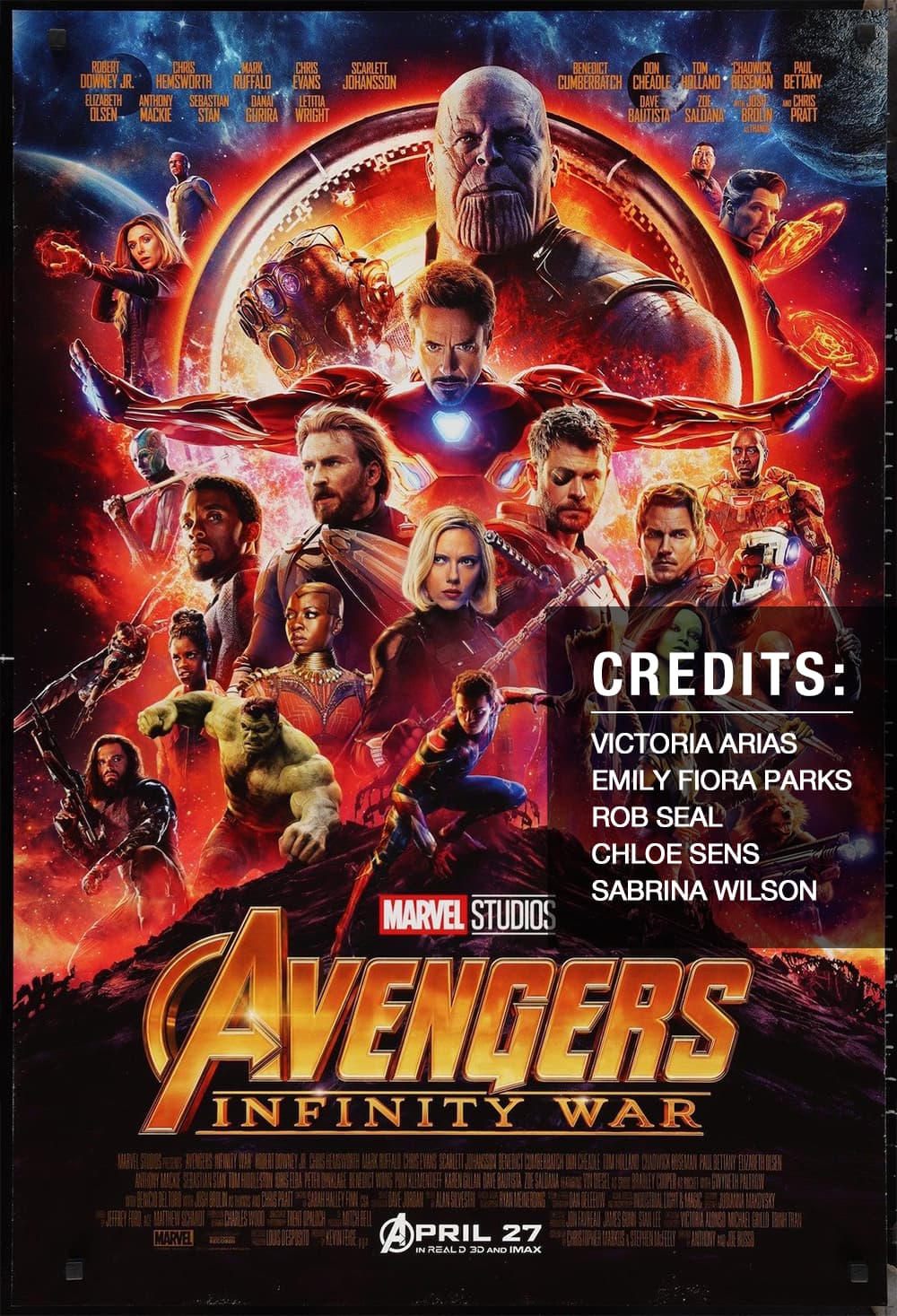
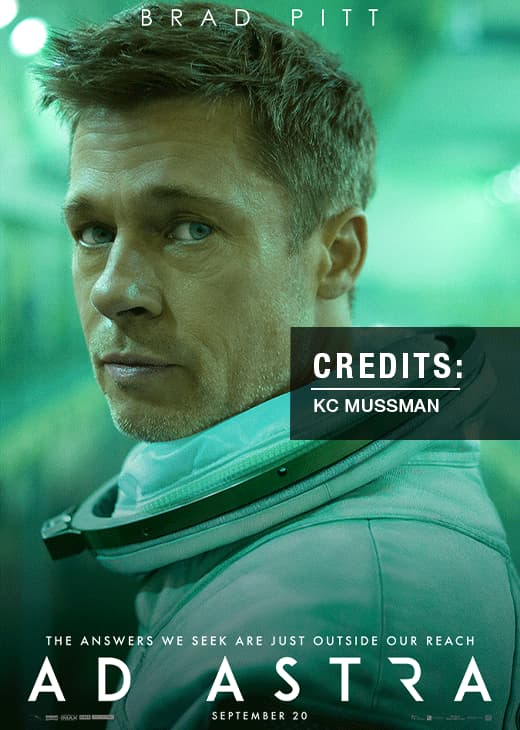
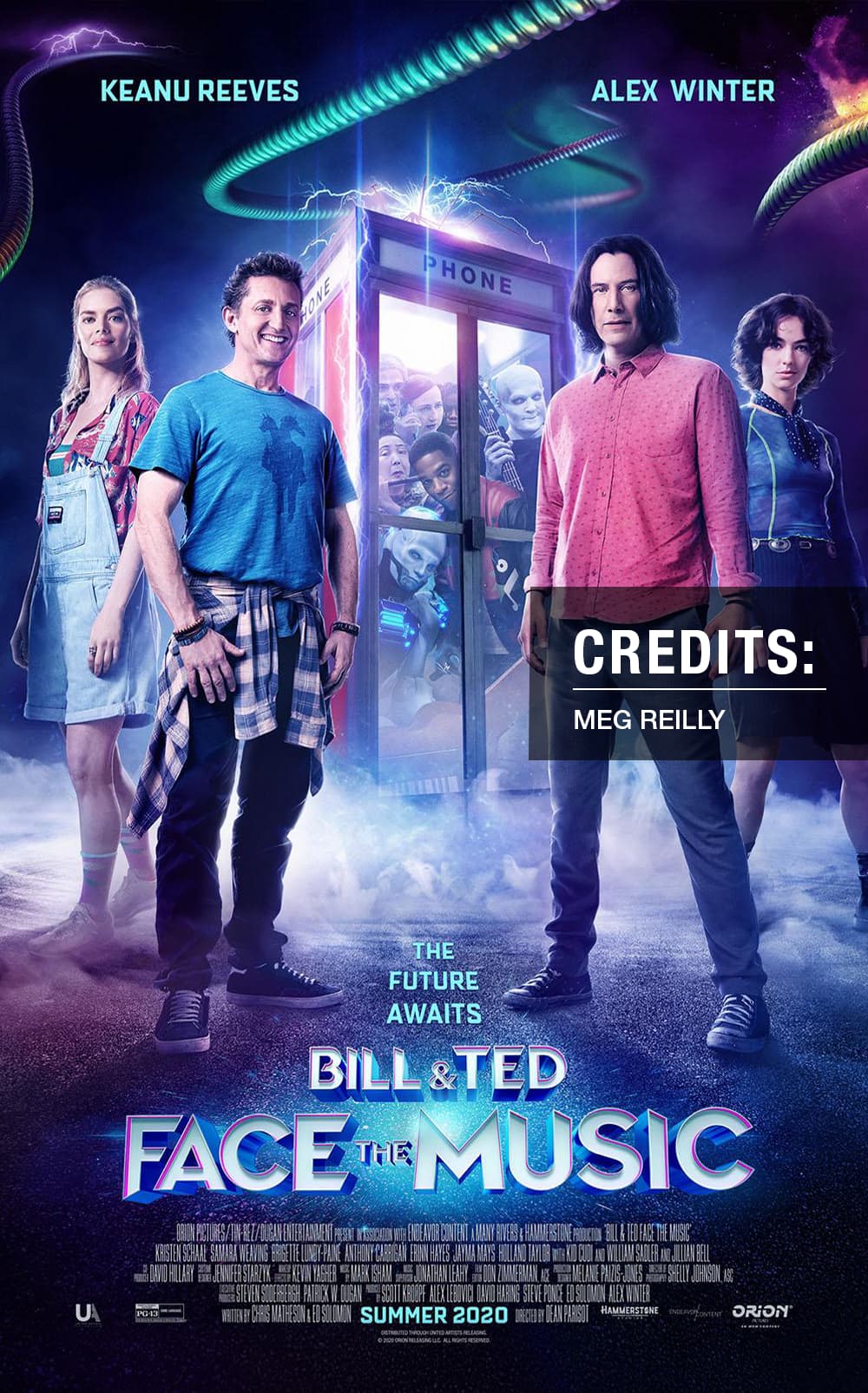
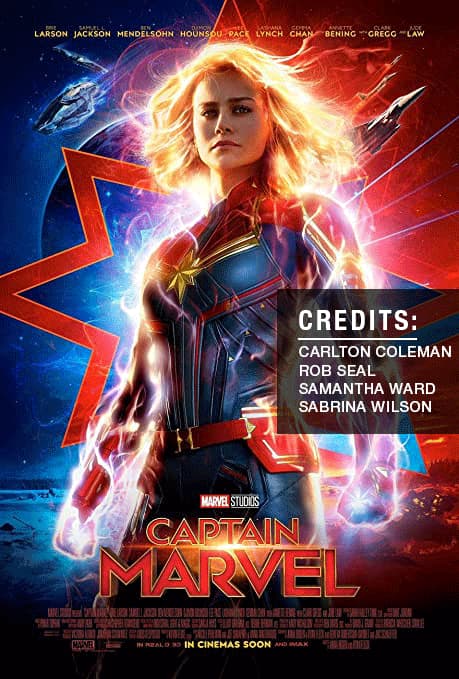
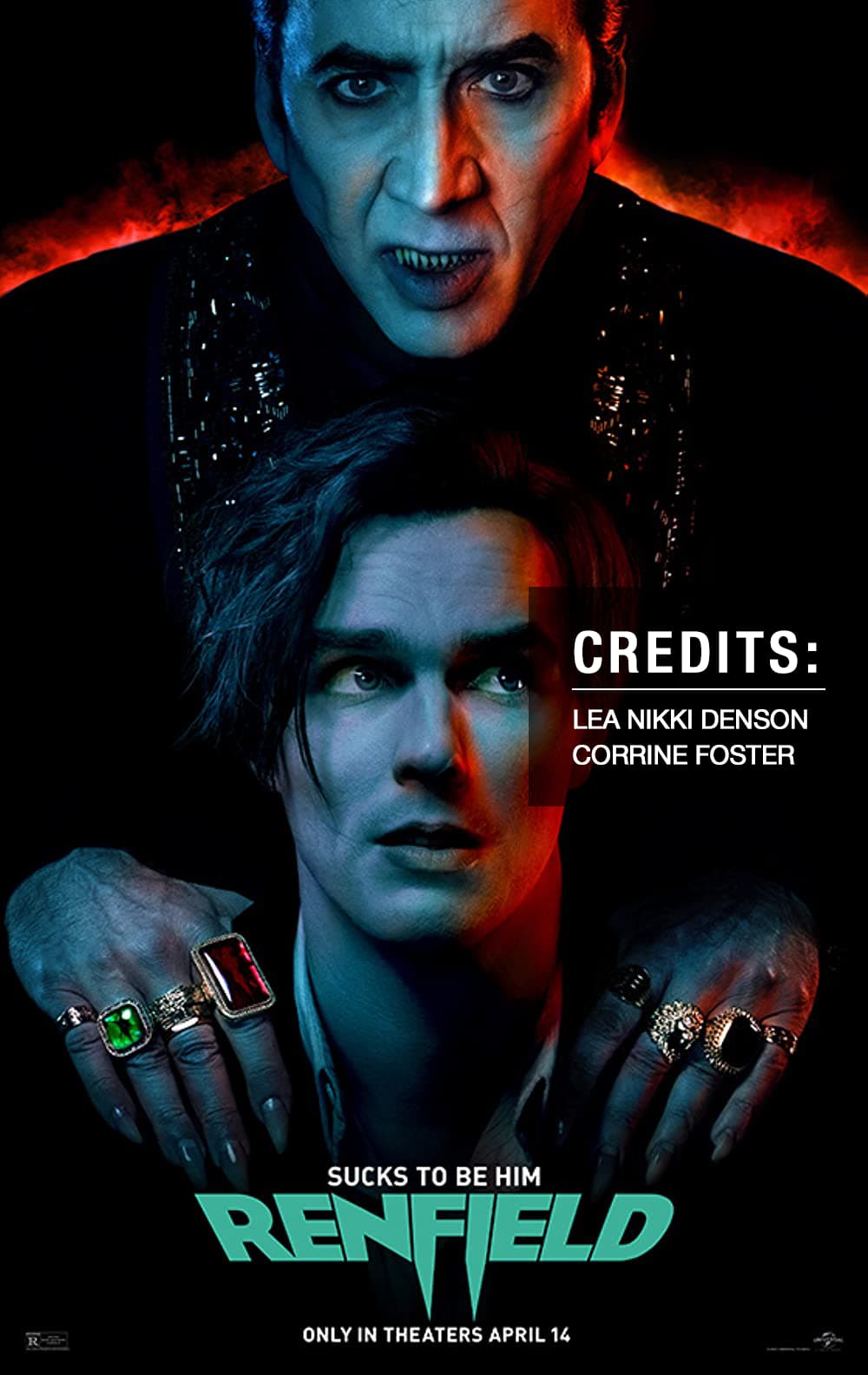
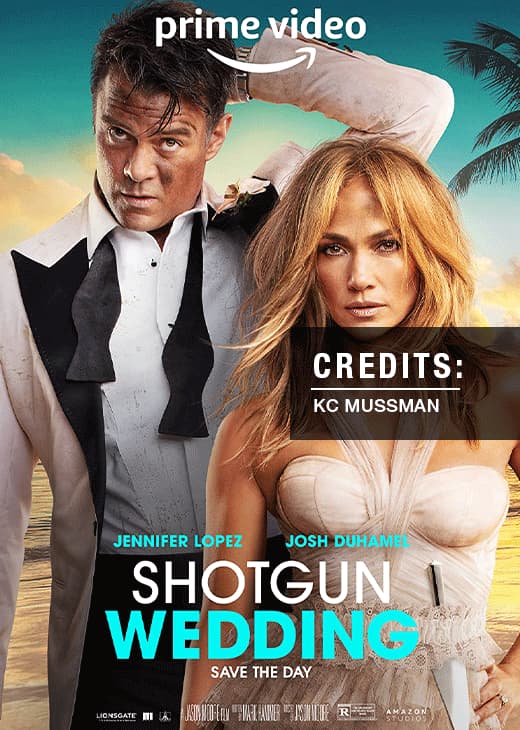
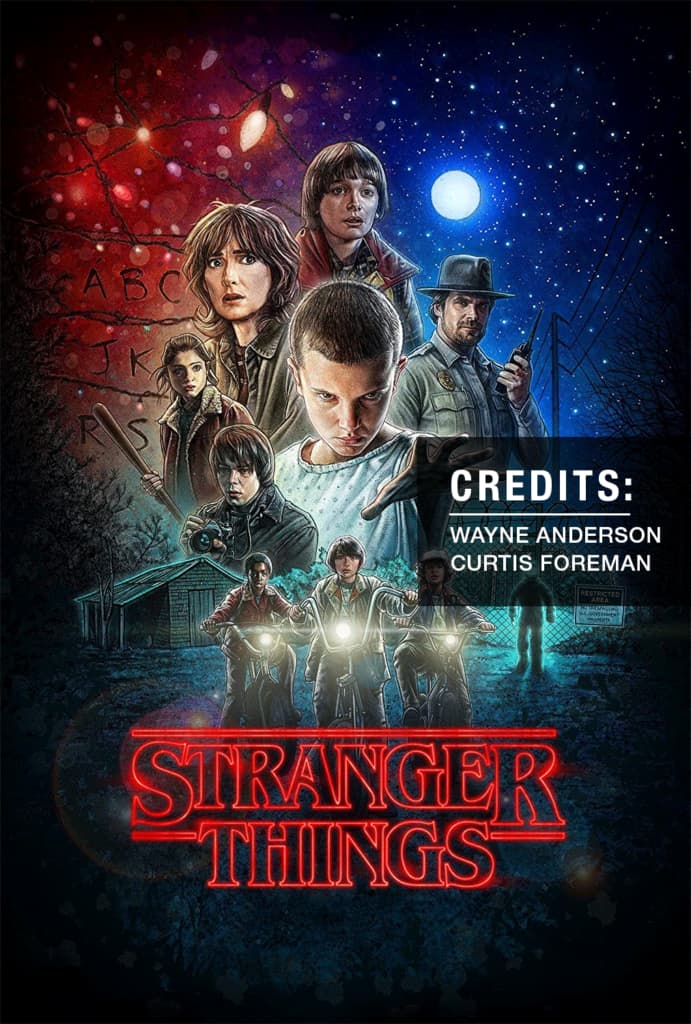
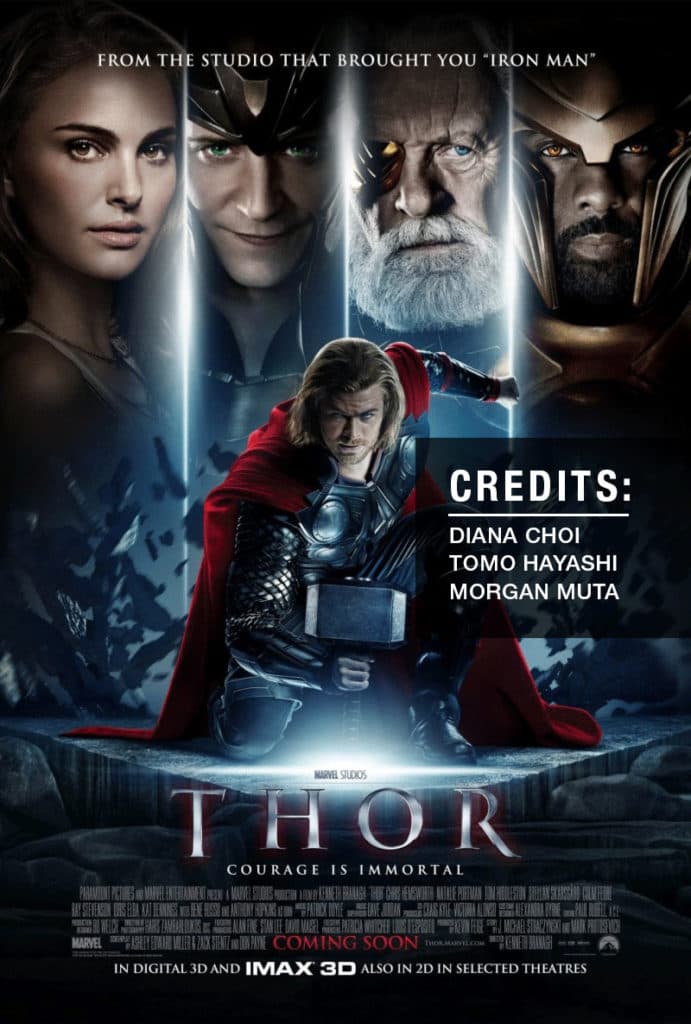
Through hands-on training, students develop the practical skills needed to work on professional productions. Many alumni have gone on to contribute to major film projects, including Bombshell, Bill & Ted Face the Music, Ad Astra, Avatar and Avengers: Infinity War, among many others.
If you see yourself creating realistic character transformations for the entertainment industry and want to stand out as an SFX artist, consider joining our SFX makeup courses and start building the skills used in real productions.
Different Types of Fake Eye Prosthetics Used in Special Effects Makeup
Eye prosthetics are designed to achieve different character transformations, from realistic injuries and aging effects to fantasy creatures and aliens. The type of prosthetic used depends on the character’s appearance, the story being told and the level of realism required.
1. Swollen Eye Prosthetics
Swollen eye prosthetics simulate bruising, inflammation, or blunt-force trauma.
These appliances are commonly used for:
- Fight scenes
- Crime dramas
- War films
- Medical simulations
- Accident recreations
After application, artists add alcohol-activated or grease paints to recreate bruising, redness and subtle skin discoloration for maximum realism.
2. Scar Eye Prosthetics
These fake eye prosthetics are designed to recreate realistic injuries, healed wounds and facial trauma around the eye area. These appliances help SFX makeup artists create characters with visible damage.
Artists often sculpt these appliances with details such as uneven skin, stretched tissue and irregular scar patterns to match the character’s backstory.
Scar eye prosthetics are commonly used for characters such as battle-worn soldiers, horror victims, villains, post-apocalyptic survivors and characters with accident-related injuries.
3. Missing Eye Prosthetics
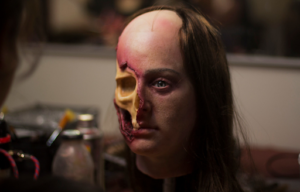
Missing eye prosthetics are designed to create the illusion that a character has lost an eye. These appliances alter the appearance of the eye area by creating a hollow, damaged, or closed eye socket while maintaining realistic facial structure.
Through careful painting techniques, artists add shadows, discoloration, veins and texture variations to make the missing eye effect appear more convincing on camera.
Missing eye prosthetics are commonly used for characters in horror films and other projects that require dramatic facial transformations.
4. Aging Eye Prosthetics
Since the eye area is one of the first places where signs of aging become visible, even small prosthetic additions can significantly change a character’s appearance.
Instead of creating wrinkles and aging effects only through makeup and painting, SFX artists use prosthetic appliances to add realistic texture and depth, including:
- Loose or sagging eyelid skin
- Under-eye bags
- Deep wrinkles and crow’s feet
- Changes in facial volume around the eyes
- Drooping skin and aged facial contours
These prosthetics are commonly used for elderly characters where close-up realism is essential. Proper sculpting and blending allow the appliance to move naturally with the actor’s expressions.
5. Fantasy Eye Prosthetics
Fantasy eye prosthetics allow SFX artists to move beyond human anatomy and create characters with unique, imaginative features. These appliances are designed to transform the eye area into something otherworldly while still maintaining a believable appearance.
Artists may reshape the area around the eyes with features such as:
- Extended eyelids or eye shapes
- Enlarged or exaggerated brow structures
- Altered eye sockets
- Mythical facial anatomy
- Non-human character details
Fantasy eye prosthetics are often combined with colored contact lenses, airbrushing techniques and detailed makeup applications to enhance the eye area.
6. Creature Eye Prosthetics
Creature eye prosthetics focus on creating animal-inspired anatomy that goes beyond human facial features. These prosthetics can be used to develop features such as deep-set monster eyes, heavy brow ridges, animal-like facial structures, alien or reptilian anatomy and enlarged or unusual eye shapes.
The goal is to make the creature feel like a complete living being with its own anatomy and personality.
7. Zombie Eye Prosthetics
Zombie eye prosthetics are used to create the appearance of characters affected by decay, deterioration, or supernatural transformation.
To achieve this effect, SFX artists create hollow or sunken eye areas, torn or deteriorated skin, exposed tissue details and decaying facial structures that give the character a lifeless and unsettling appearance.
Artists may also use special effects contact lenses, such as cloudy, discolored, or unnatural-looking lenses, to enhance the appearance of undead or possessed characters.
Check Out: How SFX Artists Create Demon Possessed Eyes for Horror Makeup Looks
8. Alien Eye Prosthetics
Alien eye prosthetics are designed to transform the eye area into a non-human appearance while maintaining believable movement and realism on screen.
Depending on the character design, SFX artists may create enlarged or unusually shaped eyes, extended orbital areas, altered brow structures, elongated eye sockets, or other unique anatomical details around the eyes. These prosthetics are often paired with special effects contact lenses and detailed painting techniques.
Related Articles:
How to Blend Prosthetics Into Skin?
How SFX Artists Design Fake Nose Prosthetics
How to Choose Between Heavy and Lightweight Prosthetics in SFX Makeup
If you’re looking to build a career in special effects makeup, learning these techniques in a structured environment can help you create production-ready character effects with confidence.
Ready to see where these skills are taught? Take a tour of our campus to explore the classrooms, studios and learning environment where aspiring SFX makeup artists develop their craft.