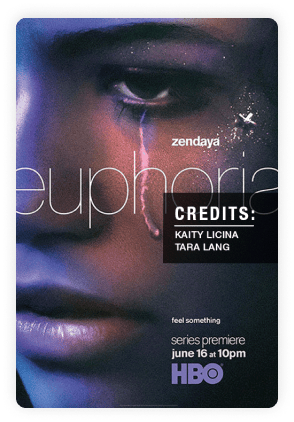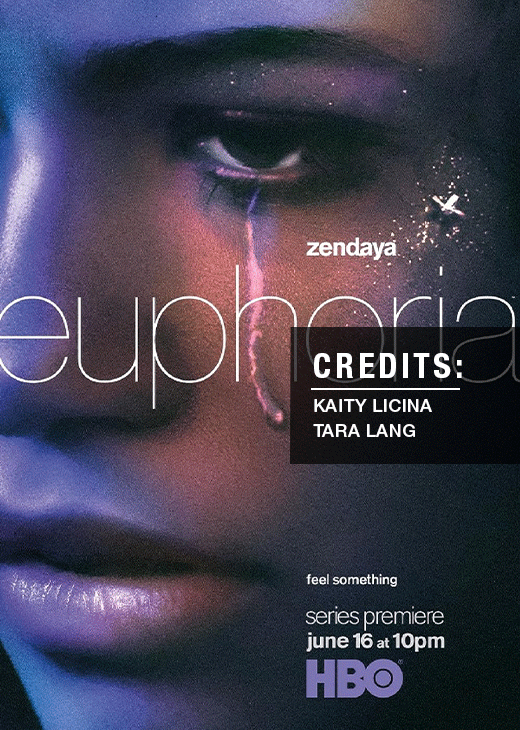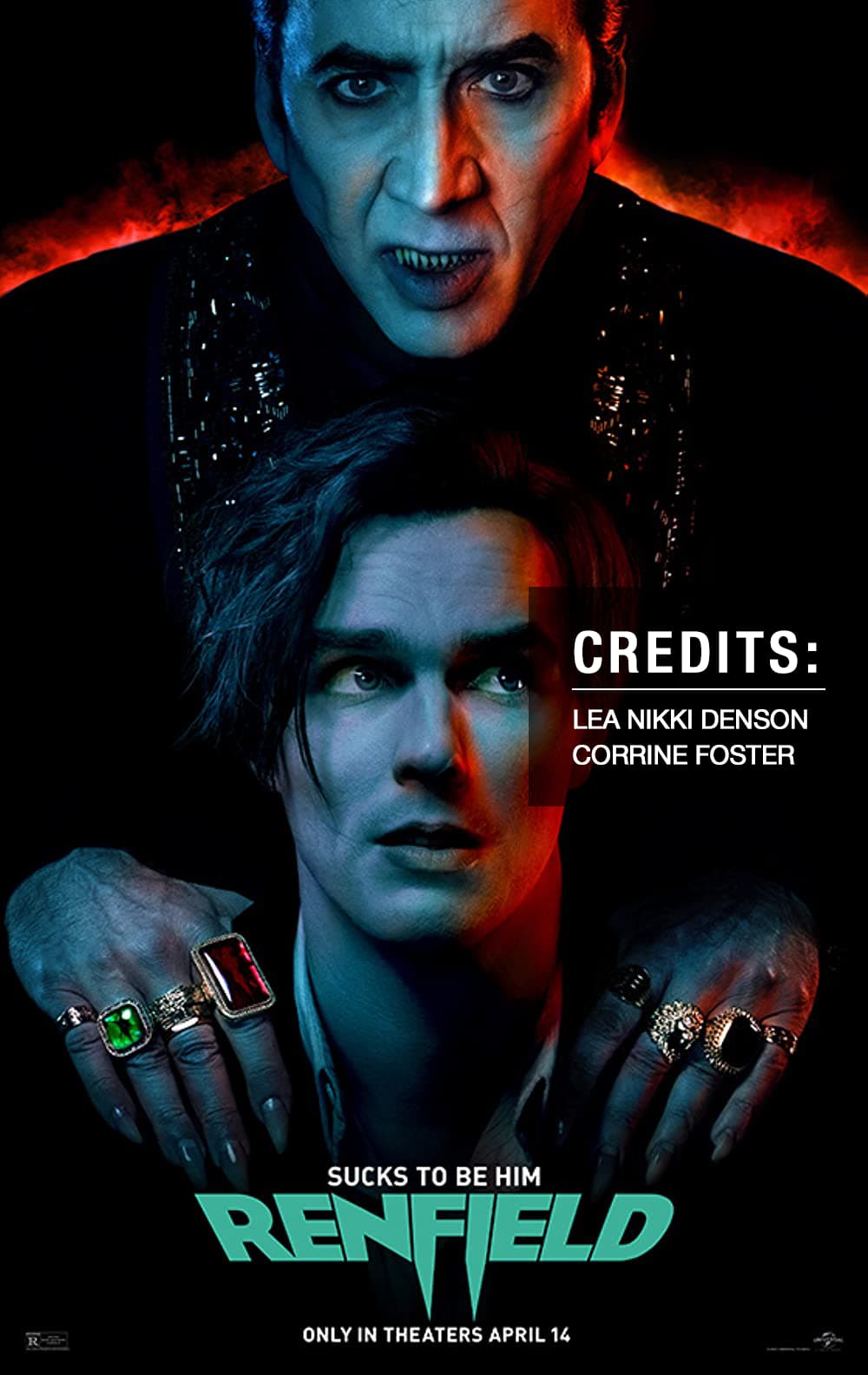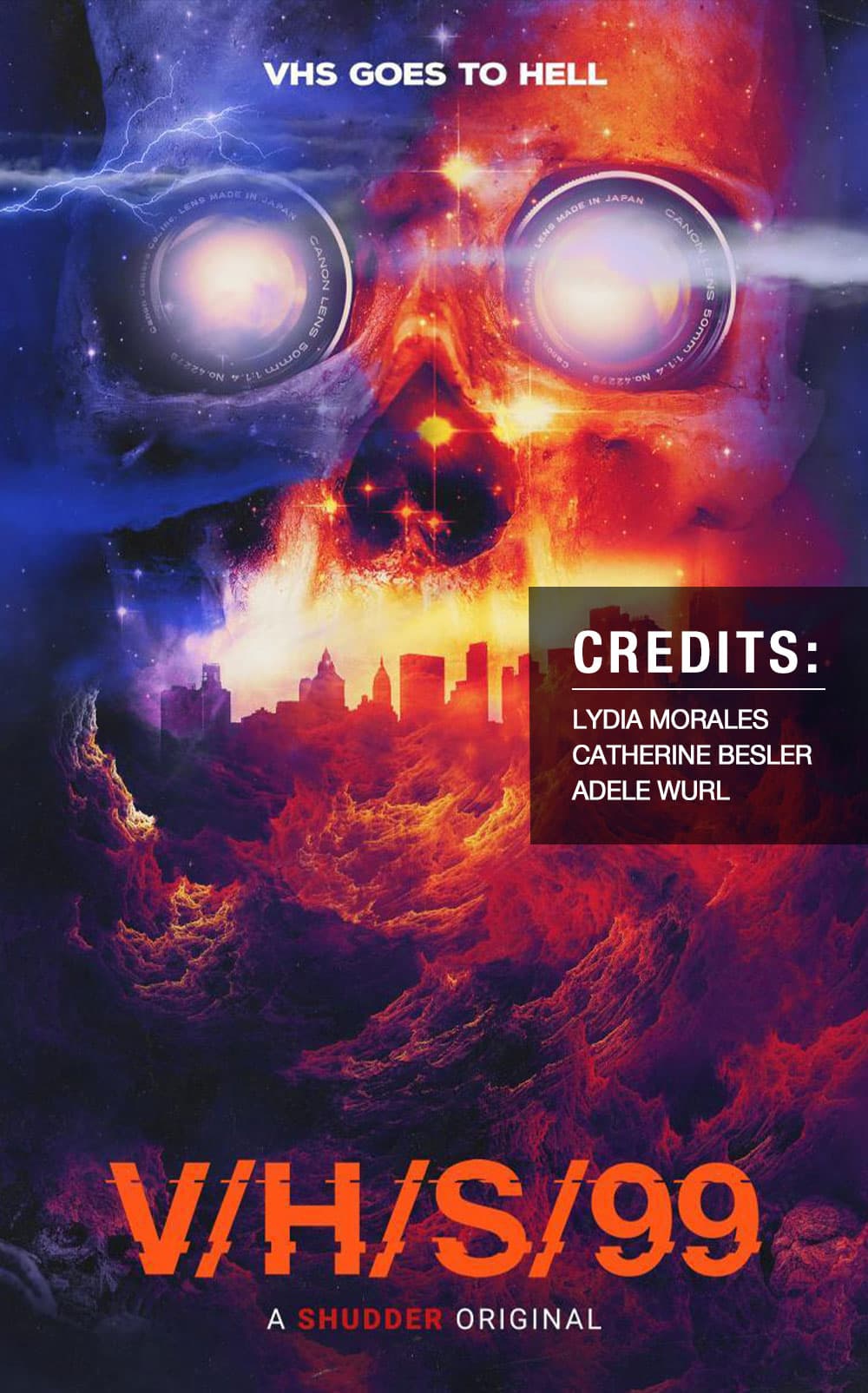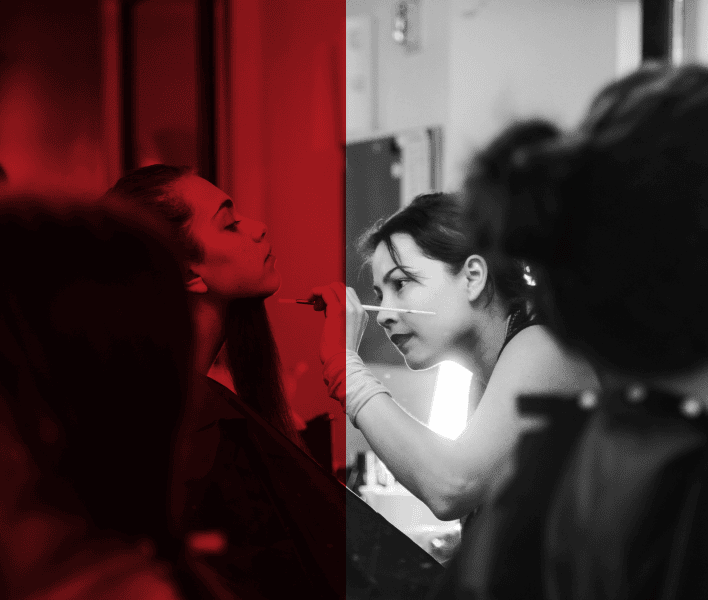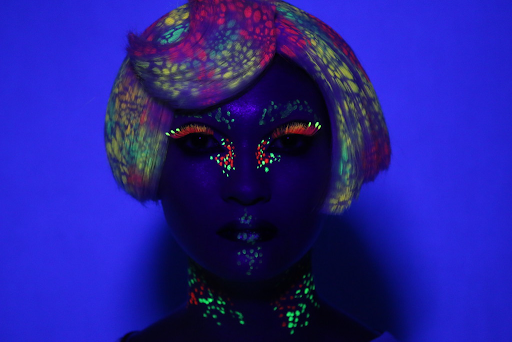
Stage lighting can completely change the way makeup looks in front of an audience or camera. A makeup design that looks balanced under studio lighting may appear too pale, overly red, flat, or even distorted under strong stage lights.
For SFX makeup artists, understanding this relationship is especially important. Prosthetics, wounds, bruises, scars, burns and character makeup rely on carefully controlled color, texture and dimension. The wrong lighting can hide details or make an effect look less realistic.
Learning how different lighting conditions affect makeup helps artists choose the right colors, textures and application techniques before the performer steps under the lights.

How Different Stage Lights Affect Makeup
Different lighting conditions can produce very different results. Artists should understand how each type of light interacts with makeup colors and textures.
1. Warm Lighting
Warm lighting contains stronger yellow, orange, or red tones. It is frequently used to create a dramatic, intimate, nostalgic, or intense atmosphere.
Under warm lighting, red and orange pigments can become more prominent. Blood effects may appear brighter or more saturated, while yellow or orange tones in the makeup may become difficult to distinguish from the surrounding skin.
2. Cool or Blue Lighting
Cool lighting has stronger blue or cyan tones and can significantly change the appearance of skin and makeup.
Warm skin tones may appear cooler or less vibrant, while red and orange colors can lose some of their natural appearance. Bruises and other discolorations may also become harder to distinguish if the makeup already contains blue or purple pigments.
3. White or Neutral Lighting
Neutral white lighting generally provides a more balanced view of the makeup. However, strong white light can expose imperfections that may not be obvious under softer lighting.
This includes visible prosthetic edges, uneven blending, excessive powder, texture inconsistencies and poorly matched skin tones.
4. Red Lighting
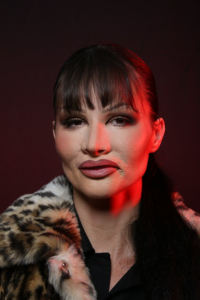
Red stage lighting significantly alters the appearance of makeup. Red pigments can easily blend into the light, while other colors may appear unnaturally dark or lose definition. This poses challenges for SFX elements like wounds, cuts, burns and blood.
Relying solely on red tones can cause critical details to disappear under red light; therefore, artists should emphasize variations in value and texture to ensure the effect remains distinct and visible from a distance.
5. Green Lighting
Green lighting can create particularly unusual results because it changes how skin tones and makeup pigments are perceived.
Warm skin tones may look unnatural, while reds and some flesh tones can become significantly less visible. A realistic wound that looks convincing under neutral light may lose its definition under strong green illumination.
6. Purple or Magenta Lighting
Purple and magenta lighting can intensify certain cool and warm pigments while reducing the visibility of others.
This type of lighting is common in theatrical, concert, fantasy and stylized productions. Because it creates a strong color environment, subtle, realistic makeup can become difficult to read.
Artists can use shadows, highlights, texture and exaggerated forms to maintain the visual structure of the effect.
Matching SFX Makeup to Different Stage Lighting Conditions
The table below provides a quick reference for choosing makeup approaches that are more likely to remain visible and effective under different stage lights.
| Stage Lighting | SFX Makeup That Works Well |
| Neutral or White | Prosthetics, realistic blood, multicolor painting, bruises, burns, aging makeup |
| Warm | Cool-toned bruises, blue/purple character makeup, darker wounds |
| Cool or Blue | Warm-toned wounds, warm character makeup, red/orange creature makeup |
| Red | Dark wounds, textured prosthetics, deeper blood tones, creature makeup |
| Green | Dark creature makeup, high-contrast prosthetics, strongly textured wounds |
| Purple or Magenta | Fantasy makeup, creature prosthetics, contrasting warm/cool character makeup |
| High-Intensity White | Large prosthetics, bold wounds, creature makeup, high-contrast character effects |
Why Lighting Knowledge Is Important for SFX Makeup Artists
Professional SFX makeup involves far more than creating a convincing piece in front of a ring light or vanity mirror. The true test of a character design, prosthetic appliance, or trauma effect is how it behaves when exposed to high-intensity stage grids, colored gels and camera sensors.
Understanding lighting allows artists to make smarter, faster technical decisions regarding:
- Prosthetic Edge Concealment: Knowing how to stipple matte sealers to absorb harsh overhead key lights.
- Pigment & Value Calibration: Adjusting blood and wound undertones so they don’t disappear under red or green gels.
- 3D Depth & Form: Exaggerating highlights and lowlights to maintain physical dimension across a theater.
While learning lighting physics in theory is a crucial first step, mastering these techniques requires hands-on practice in real production environments.
At Cinema Makeup School, aspiring SFX artists do practice applying, painting & testing their prosthetic and character creations under professional studio and stage lighting setups.
Our special effects makeup courses give students direct guidance from experienced instructors, ensuring their work translates seamlessly from the makeup chair to the main stage. Our alumni have put those skills into practice on productions including Captain Marvel, Bear Town, Grown-ish and Prey.
We offer both complete-track and individual courses. So, you can enroll in the program that fits your goal.
Testing Makeup Under Stage Lights
One of the most important steps is testing the finished makeup under the lighting conditions used during the performance.
A useful test should include:
- Apply the makeup as close as possible to the final design.
- Place the performer under the planned stage lighting.
- Test warm, cool and colored lights if the production uses multiple setups.
- Examine the makeup from the audience’s viewing distance.
- Look for colors that disappear, become overly saturated, or blend together.
- Adjust highlights, shadows and color as needed.
- Photograph or record the makeup under the lighting for comparison.
This process allows the artist to make corrections before the performance rather than discovering problems during the show.
Related Articles:
How Makeup Tests Help Finalize Character Looks
How to Maintain SFX Makeup in Different Weather Conditions
10 Sources Every SFX Makeup Artist Should Explore for Inspiration
Want to learn and experience the process firsthand?
Join an SFX makeup course at Cinema Makeup School to develop your skills through hands-on training, or, if you’re eager to see our labs and student workspaces in person or virtually, schedule a tour of our campus today!