Special effects makeup looks magical on screen – realistic wounds, lifelike creatures, aging transformations, monsters, robots, and fantasy characters that feel alive. But behind every impressive look is a long learning process.
Many beginners try to learn SFX makeup by watching random videos and practicing on their own. Self-learning can help in the beginning, but it often leads to mistakes. Artists may use the wrong products, follow incorrect steps, or practice without knowing what they are doing wrong. This slows down learning and wastes time and materials.
A structured SFX makeup course helps avoid these problems. It teaches the right techniques in the right order. Instead of guessing and repeating mistakes, students learn clearly and step by step.
In this blog, we will explain how a professional special effects makeup course helps you learn faster and build strong skills without unnecessary trial and error.
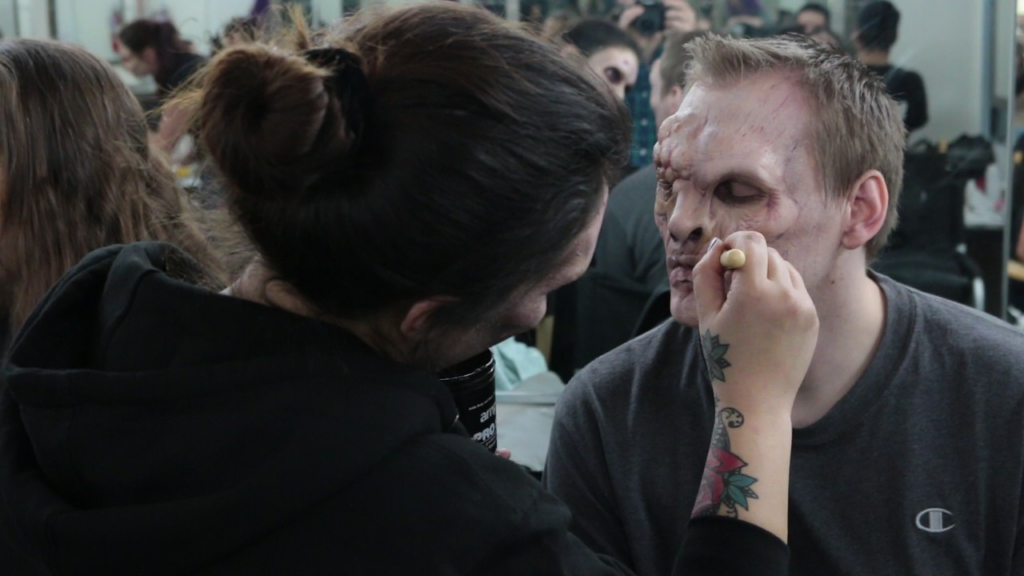
What Happens When You Learn Special Effects Makeup On Your Own?
Learning special effects makeup on your own may seem exciting, but it often comes with challenges. Without guidance, beginners can struggle to progress, make repeated mistakes, use products incorrectly, and waste time and money. Here’s what typically happens when you try to learn SFX makeup alone:
1. Lack of Clear Learning Direction
When you learn on your own, there is no fixed path to follow. Beginners often jump from one technique to another without understanding the basics first. One day, they try wound makeup, the next day they attempt creature makeup. Because there is no step-by-step structure, important foundational skills like anatomy, skin preparation, and material handling are often missed.
2. Repeating the Same Mistakes
Without an instructor’s guidance, it becomes difficult to know your mistakes. Many beginners keep repeating the same mistakes, such as poor blending, incorrect prosthetic placement, or uneven textures. Since there is no feedback, these errors become habits.
3. Wrong Use of Products and Materials
Special effects makeup uses specific products like latex, silicone, adhesives, and sculpting materials. When learning alone, beginners often choose the wrong product or use it incorrectly. This can cause makeup to crack, lift, or look unrealistic. In some cases, improper use may even irritate the skin.
4. Slow Skill Improvement
When learning SFX makeup alone, progress is often slow. Beginners may practice a lot, but without clear goals. This leads to repeating the same basic techniques instead of improving skills. Over time, effort increases, but results remain limited.
5. Time and Money Wastage
SFX makeup materials are expensive, and learning without guidance often leads to unnecessary losses. Beginners may purchase incorrect tools, overuse products, or damage molds while practicing. These mistakes require starting again, which slowly wastes both money and valuable practice time.
6. No Understanding of Professional Standards
Without professional training, artists often focus only on appearance and miss how professionals work. Important practices like cleanliness, safety, time control, and consistent results are overlooked, making it difficult to work confidently in professional environments.
7. Loss of Confidence Over Time
At the beginning, self-learning feels motivating. But when results do not improve, frustration slowly builds. Many beginners start doubting their talent or creativity. The lack of clear progress can reduce confidence and even lead some artists to stop practicing altogether.
Worth reading: Top Career Mistakes New SFX Makeup Artists Make (and How to Avoid Them)
How Special Effects Makeup Courses Help You Learn Faster and Better?
To prevent mistakes in SFX makeup and save yourself from wasting time, the best approach is to join professional training. Cinema Makeup School, one of the top special effects makeup schools in Los Angeles, California, offers hands-on courses where beginners learn industry techniques, work with real materials, and gain the confidence to create professional-quality looks.
Here’s how our SFX makeup courses help beginners save time and accelerate their learning:
1. Learn Industry-Grade Techniques
Students learn how professional artists plan and execute each SFX look, from concept to final detail. This includes understanding how to layer materials for realism, use prosthetics seamlessly with makeup, and create effects that hold up under camera and lighting conditions. See why Cinema Makeup School might be a good fit.
2. Hands-On Experience With Real Materials
Beginners get to practice with professional-grade materials like silicone, latex, adhesives, and prosthetics. They learn how to handle these materials safely and effectively, gaining experience that would take years to figure out alone.
Learn How to Work with Latex, Silicone and Prosthetics Safely?
3. Master the Creative Process Step by Step
SFX makeup isn’t just about applying products; it’s about planning a look, sculpting, molding, painting, and finishing. Our instructors break this creative process into manageable steps, helping beginners turn ideas into reality. Students also learn how to organize each stage, control textures and layers, and sequence their work to achieve realistic, camera-ready results.
4. On-Set Problem Solving
On set, beginners often struggle when things don’t go as planned – prosthetics may lift, paint can smudge, or materials may react unexpectedly under lights. Professionals know how to anticipate and fix these issues quickly. In our courses, students learn how to troubleshoot in real-time, adjust techniques under pressure, and maintain a polished look even when challenges arise.
5. Gain Insights From Experienced Artists
Instructors share their years of industry experience, including tips, shortcuts, and tricks you won’t find online. Beginners learn what works, what doesn’t, and how to save time while still producing professional results.
6. Build an SFX Makeup Portfolio That Stands Out
Creating a strong portfolio is key to getting noticed in the SFX industry. With experienced artists, students learn how to plan, execute, and photograph their work so every detail is highlighted. They also receive guidance on documenting projects and organizing their portfolio to impress studios, agencies, or clients.
Check out: How to Build a Portfolio That Gets You Hired as an SFX Makeup Artist?
7. Develop Professional Discipline and Workflow
Beginners learn how to work efficiently, manage time, maintain hygiene, and follow industry standards. These skills may seem small, but they are crucial for anyone aiming to work in studios, on sets, or in professional productions.
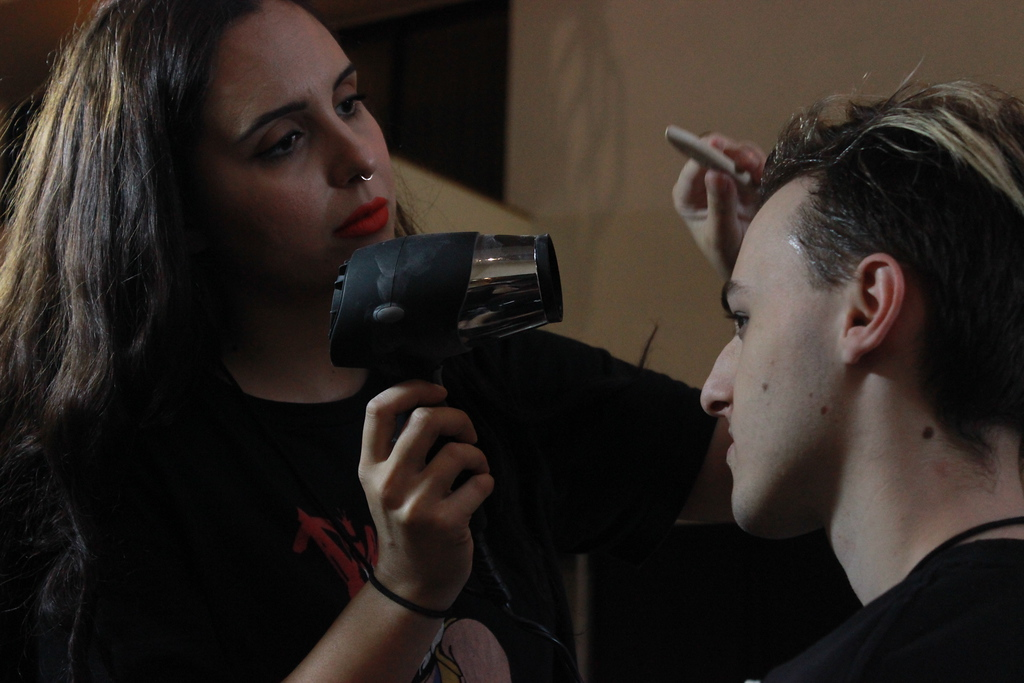
Also read, Importance of Hygiene and Safety in SFX Makeup Careers
8. Build Industry Connections
At Cinema Makeup School, students gain hands-on SFX training while building connections with skilled instructors, guest professionals, and fellow learners. These connections help aspiring artists gain insights, find mentorship, and discover job or freelance opportunities.
If you’re serious about becoming an SFX makeup artist and want to avoid years of trial and error, now is the perfect time to pursue professional training. Take a tour of our campus and start your journey toward a successful career today.
Special effects makeup is all about transforming faces and bodies into characters that look real, bizarre, or fantastical. From realistic wounds and burns to aging effects and fantastical creatures, SFX makeup demands both creativity and a deep knowledge of the skin.
When artists work on different projects, they often face the challenge of dealing with various skin types and tones. Experienced artists know how to handle it, but this is a common concern for many practitioners.
If you’ve ever found it tricky too, this blog is for you. We’ll explore how different skin types and tones affect SFX makeup results and share tips to achieve professional, realistic looks every time.
Why Understanding Skin Matters in SFX Makeup?
In special effects makeup, skin is more than just a surface to paint or apply prosthetics on – it’s a living, dynamic canvas. Every person’s skin has unique qualities such as oiliness, dryness, sensitivity, texture and elasticity.
If an artist ignores these differences, even the most skillfully created prosthetic or painted effect can look unrealistic, lift, smudge, or irritate the skin.
Understanding skin types and tones allows SFX artists to:
- Choose the right products: From adhesives to paints, selecting materials suitable for the client’s skin ensures long-lasting results.
- Adjust techniques: Blending, layering and applying prosthetics can be modified based on how the skin reacts.
- Protect the skin: Minimizing irritation and preventing reactions is essential, especially when working on sensitive or delicate skin.
- Achieve realism: Matching prosthetics and colors to the skin’s natural tone and texture creates a seamless, believable effect.
How Different Skin Types Influence SFX Makeup?
Human skin is generally categorized into four main types: oily, dry, combination and sensitive. Each type presents unique challenges and opportunities in SFX makeup.
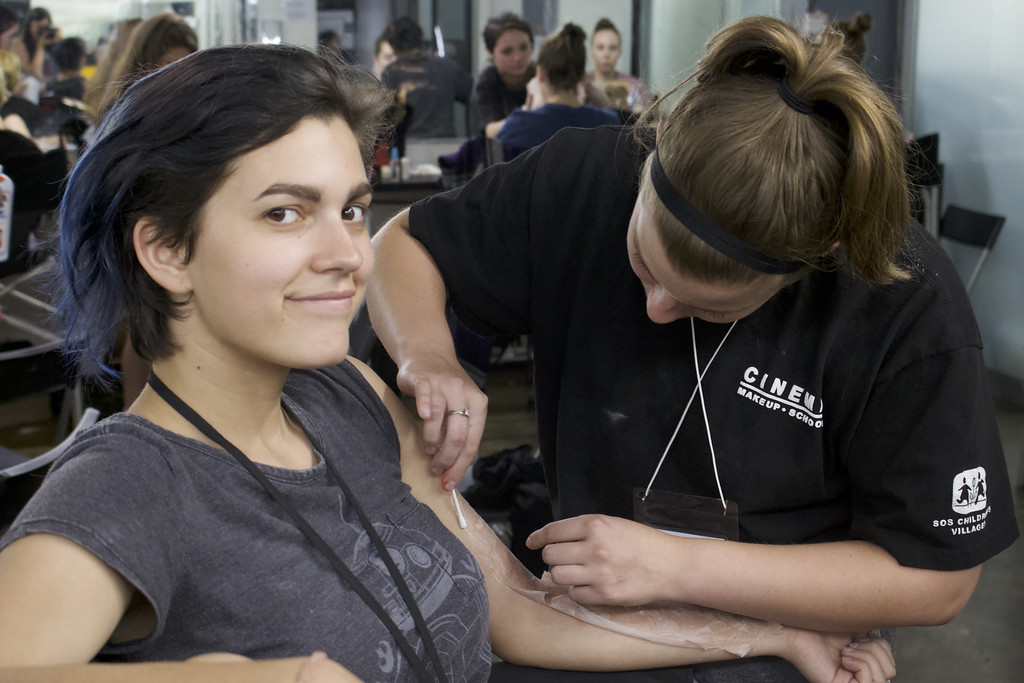
a) Oily Skin
Oily skin produces excess sebum, making it shiny and prone to sweating. While this can give a natural glow, it can affect prosthetic adhesion and makeup longevity.
Impact on SFX Makeup:
- Prosthetics may slide or lift more easily.
- Cream-based paints and adhesives can break down faster.
- Blending latex or silicone edges may require extra powdering to reduce shine.
To resolve this:
- Use a mattifying primer or barrier spray before applying prosthetics.
- Choose adhesives like Pros-Aide that are designed for oily skin.
- Blot excess oil gently without disturbing makeup layers.
b) Dry Skin
Dry skin lacks natural oils and can appear flaky or rough. It can make blending difficult and highlight unwanted texture.
Impact on SFX Makeup:
- Prosthetics might not stick evenly.
- Makeup may look patchy.
- Powder-heavy products can highlight flakes.
Tips:
- Hydrate the skin well before starting.
- Use silicone-based adhesives that remain flexible.
- Consider light cream or liquid makeup to avoid a cakey finish.
c) Combination Skin
Combination skin shows both oily and dry areas, often with an oily T-zone and dry cheeks.
Impact on SFX Makeup:
- Requires balancing products for different areas.
- Blending can be tricky, especially with textured prosthetics.
Helpful Note:
Treat oily and dry areas separately. Mattifiers work best where excess oil appears, while lightweight moisturizers help dry zones. It’s also a good idea to test adhesives on different areas before committing to a full application.
d) Sensitive Skin
Sensitive skin is prone to redness, irritation and allergic reactions. This requires extra care in product selection.
Impact on SFX Makeup:
- Certain adhesives, latex, or paints can cause rashes.
- Delicate skin may tear when removing prosthetics.
To resolve this:
- Patch test all products before full application.
- Use hypoallergenic adhesives and alcohol-free removers.
- Minimize friction when blending or removing materials.
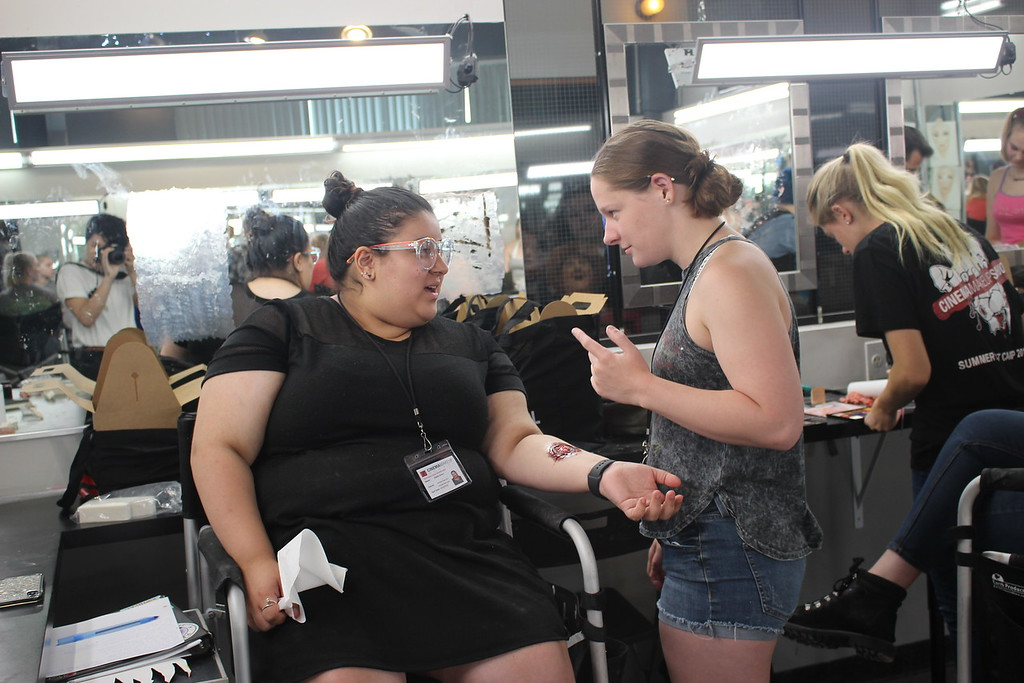
How Skin Tones Affect SFX Makeup?
Base Color Compatibility: Different skin tones require customized pigment mixing so prosthetics, scars and applied effects integrate seamlessly with the skin. What appears natural on one skin tone may look too pale, dark, or ashy on another.
Undertone Influence on SFX Effects: Warm, cool and neutral undertones directly affect how SFX effects like bruises, burns, veins and infections appear. Ignoring undertones can make effects look flat or unnatural, while proper undertone adjustment enhances depth and realism.
Texture Visibility Across Skin Tones: Textures in special effects show differently across skin tones. Lighter skin may reveal subtle details more easily, while deeper skin tones often need strategic highlighting and shading to make textures visible without exaggeration.
Light Interaction With Skin Tone: Skin tones reflect and absorb light differently. This influences how special effects makeup appears on camera or stage, requiring adjustments in color depth, contrast and highlights to maintain realism under various lighting conditions.
Seamless Prosthetic Integration: Edges of prosthetics must be blended according to skin tone. When the base color does not match the natural complexion, blending flaws become more noticeable and the illusion of real skin is lost.
Get a Better Understanding of Skin Through Professional Training
Understanding of different skin types comes with proper training in special effects makeup and hands-on experience. Working directly on real skin under professional guidance helps artists truly understand product behavior, blending methods and problem-solving on set.
At Cinema Makeup School, we make sure every student feels confident working on all kinds of skin. Our instructors focus on even the smallest details, helping you perfect every look you create. You’ll get practical experience that prepares you for real-world projects in film, television and live productions, so you can step onto any set with confidence.
Don’t just take our word for it – hear directly from our students about their experiences and how our training helped them grow as artists.
Related Articles –
How Mannequins Help Beginners Create SFX Makeup Characters?
How to Make SFX Makeup Last Longer on Skin?
How to Work with Latex, Silicone and Prosthetics Safely?
Special Considerations for Certain Skin Types and Tones
a) Age and Skin Elasticity
Older skin tends to be thinner and less elastic, which affects prosthetic adhesion and makeup blending. Extra care is needed to avoid tearing or unnatural creases.
b) Ethnicity and Unique Features
Different ethnicities may have unique skin textures, undertones and pigmentation patterns. A skilled SFX makeup artist observes these characteristics to ensure authenticity and inclusivity.
Book a tour of our SFX makeup school and take the first step toward your dream career as a special effects makeup artist.
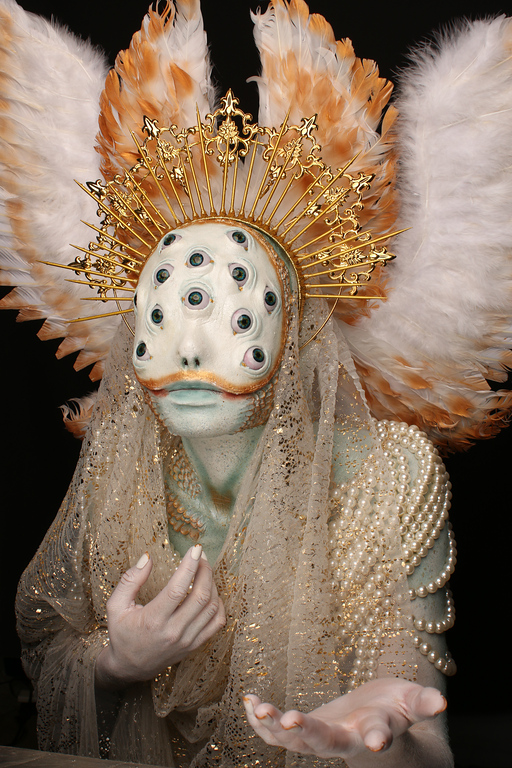
Googly eyes makeup is one of the most fun and eye-catching effects in special effects makeup. You may have seen it in horror movies, fantasy characters, creative photoshoots, or Halloween looks. This makeup style creates a playful or creepy eye illusion that instantly grabs attention.
This SFX makeup look may look difficult at first, but once you understand the steps and materials, it becomes a fun technique to practice and improve.
In this blog, we’ll cover everything an artist needs to know about googly eyes makeup, from the materials that work best to tips for making the effect look convincing on camera.
Let’s Understand the Illusion Behind Googly Eyes
Googly eyes makeup works by confusing the viewer’s sense of where the real eye is. Instead of simply adding a fake eye, the makeup shifts attention away from the natural eye shape and creates a new focal point. This is done by changing proportions, hiding parts of the real eye and adding a bold white shape in a new position.
The illusion feels convincing because the real eye still moves underneath the makeup. Blinking, eye movement and expressions help bring the false eye to life. When lighting, placement and shading are done correctly, the brain accepts the new eye position as real.
Materials Needed for Googly Eyes Makeup
Here’s what is commonly used:
- Latex or silicone (for building the prosthetic shape)
- Cotton, tissue, or foam (for quick volume)
- Skin-safe adhesive
- Sculpting tools or spatula
- Setting powder
- Cream or alcohol-based paints
- Brushes and sponges
- Fake eyeballs or hand-painted eye designs (optional)
- Makeup remover and cleanser
Always remember to use only skin-safe products, especially around the eyes.
Check out: Must-Have Special Effects Makeup Tools Every Artist Should Own
How to Create Googly Eyes Makeup?
Let’s break the process down into simple steps, making it easy to follow and practice.
Step 1: Prep the Skin Properly
Clean skin is the base of any successful SFX makeup. Before starting, gently remove all makeup, oil and dirt from the face, especially around the eye area. Once the skin is clean, apply a light moisturizer and allow it to absorb fully so the skin stays comfortable during the application. If needed, a skin barrier product can be applied to protect sensitive skin.
Proper skin preparation helps the prosthetic or makeup stay in place longer and reduces the risk of irritation.
Step 2: Plan Your Googly Eye Design
Before applying anything, decide:
- How big do you want the googly eyes to look?
- Do you want a fun, cartoon-style, or a creepy horror look?
- Will the eyes be round, oval, or distorted?
Planning avoids mistakes later and saves time. Even a simple sketch can help guide your application.
Step 3: Create the Googly Eye Base (Prosthetic or Raised Shape)
This is where the googly eye effect begins to take shape. To create the raised eye look, you can use materials like gelatin, silicone, foam latex, or even soft modeling wax, depending on your skill level.
Start by forming a rounded or slightly uneven shape that will sit around or above the real eye. This raised base helps change the natural eye position and creates the illusion of a new eye placement. Keep the edges thin so they blend easily into the skin. Let the material set properly before moving on.
This step is important because the shape of the base controls how bold or subtle the googly eye effect will look.
Learn How to Work with Latex, Silicone and Prosthetics Safely?
Step 4: Secure and Blend the Edges
Once the googly eye base is ready, carefully secure it to the skin using a safe adhesive. Make sure it sits comfortably and does not block vision.
After the piece is attached, blend the edges into the skin using appropriate blending materials such as latex, silicone blending agents, or gelatin, depending on what was used to create the prosthetic. Smooth transitions help hide where the prosthetic begins and make the effect look more natural on camera.
Tip: Take your time with this step, as clean blending is what separates a good SFX look from an unfinished one.
Step 5: Paint the Googly Eye Design
Now it’s time to bring the googly eye to life. Apply a white base to create the eyeball, then add a dark circle for the pupil. The pupil can be placed slightly off-center to give a playful or creepy effect.
Add light shading around the edges to create depth and make the eye look rounded. Keep the colors clean and bold so the illusion reads clearly, even from a distance or on camera.
Step 6 Final Details and Touch-Ups
Once the painting is complete, review the entire makeup under good lighting. Check for uneven edges, visible seams, or areas that need more blending. Make small touch-ups where needed to ensure the look feels clean and balanced.
Related Articles –
Arrow Wound SFX Makeup Techniques
Gunshot Wound Makeup Techniques
Ways to Promote Your SFX Makeup Services Online
Is Professional Training Important for Creating Googly Eyes Makeup?
With the steps mentioned above, artists can try creating googly eyes makeup on their own for practice and creative exploration. However, when it comes to creating googly eyes makeup for professional projects, professional special effects makeup training becomes important. Proper courses help artists learn safe material usage, clean blending, correct application techniques and how to make the effect last under lights and movement.
This is where Cinema Makeup School stands out. As a well-known special effects makeup school in Los Angeles, USA, we focus on hands-on training that prepares students to create professional-quality effects for real-world projects in film, TV, photography and live events.
Where Is Googly Eyes Makeup in Demand?
- Films and TV shows
- Creative and fashion photoshoots
- Halloween and themed events
- Cosplay and fan conventions
- Theater and live performances
- Social media and short-form content
Take a tour of our campus and turn your SFX makeup passion into real-world skills.
Artificial Intelligence is slowly becoming part of the beauty and creative industries. From face analysis tools to AI-generated makeup looks and character designs, technology now offers instant information, tips, and visual ideas. –
Because so much information is now easily available through AI tools, many aspiring artists begin to wonder if learning special effects makeup through professional training is still necessary. While AI can provide references and ideas, it cannot teach how makeup behaves on a moving face, how prosthetics feel on skin, or how to solve problems during a live shoot.
In this blog, we will explore why learning SFX makeup through professional schools is more effective than relying only on AI.
What AI Can’t Teach and Special Effects Makeup Schools Can?
While AI can support learning by offering information, references, and visual ideas, it has clear limits when it comes to teaching special effects makeup. SFX makeup is a hands-on skill that depends on real materials, real faces, and real working conditions. To understand why professional training still matters, let’s look at the key areas where AI falls short and where special effects makeup schools make a real difference.
1. AI Can’t Teach How Materials Really Work
Special effects makeup involves using a variety of materials, including latex, silicone, foam, gel, clay, and paints. While AI can explain what these materials are, it cannot teach how they behave in real working conditions. That understanding only comes from hands-on experience.
Here’s what AI cannot truly teach:
- Skin safety in real conditions
- Material behavior under stress
- Creating realistic textures
- Application control and timing
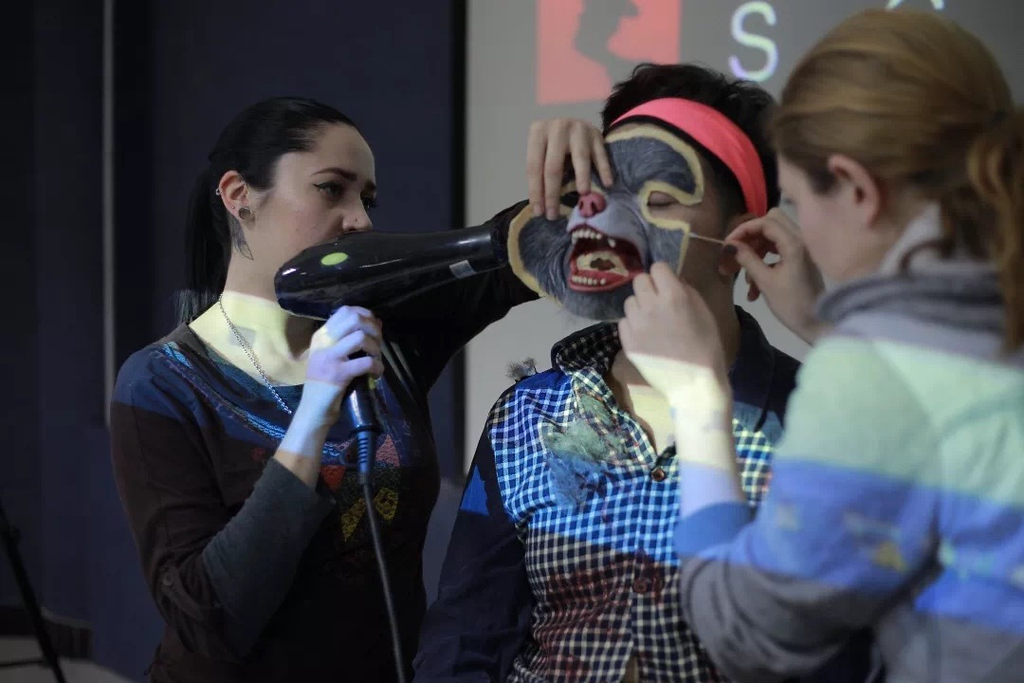
2. AI Can’t Teach Skin Understanding
Every face is different. Skin has pores, wrinkles, scars, hair growth, and natural movement. When an actor smiles, frowns, or sweats, makeup reacts in real time.
AI can show images of skin, but it cannot teach how skin stretches under prosthetics or how makeup cracks if applied incorrectly.
3. AI Can’t Teach Handling On-Set Challenges
On real film sets, time is limited. Lights change, actors move, and directors expect quick fixes. Prosthetics may lift, paint can smudge, or appliances may tear without warning.
Learning how to work fast, manage touch-ups, and solve adhesive or makeup issues under pressure comes only from real on-set experience. These practical skills cannot be accurately taught by AI.
4. AI Can Analyze Trends, But Not Director or Producer Needs
AI can quickly show what looks popular or trending in SFX makeup, and it can generate ideas based on current styles. However, it cannot understand the specific vision, requirements, or constraints of a director, producer, or client.
Matching the desired look while adapting to the story, camera angles, lighting, and the actor’s performance requires experience and hands-on judgment. This is something only trained artists can do on set, using their knowledge, intuition, and real-world practice.
5. AI Can’t Provide Real-World Practice Space
While AI can show tutorials, images, or even simulate steps, it cannot give you a real environment to practice in. Understanding how prosthetics move, how makeup reacts to lighting, and how to manage time on set comes only through hands-on practice. This kind of learning cannot be replicated by AI.
What Special Effects Makeup Schools Teach?
Special effects makeup is a skill that goes beyond just knowing products or techniques; it’s about understanding materials, anatomy, character design, and real-world application.
As one of the most recognized special effects makeup schools in Los Angeles, USA, Cinema Makeup School provides students the opportunity to learn from experienced instructors in fully equipped labs and studios.
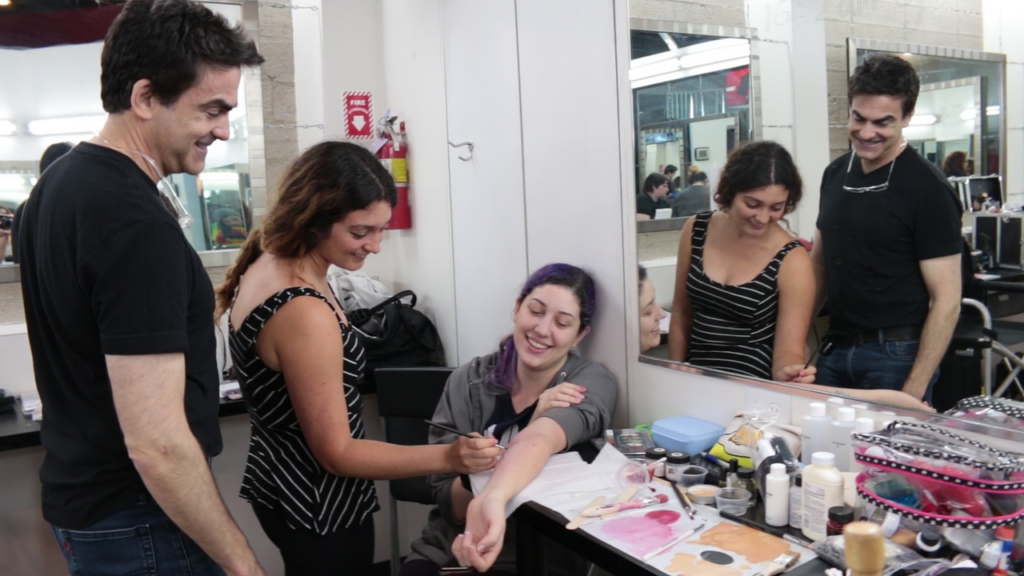
Let’s explore the main areas where students gain real value through our professional SFX makeup training:
1. Hands-On Training From Day One
Here, students learn to sculpt, mold, cast, paint, and apply makeup with their own hands. This hands-on approach helps them understand materials, tools, and techniques deeply. They learn what works, what fails, and how to improve with practice. No AI tool can replace this kind of experience.
2. Step-by-Step Skill Building
We teach SFX makeup skills in a structured, step-by-step way. Students don’t start by trying to create a finished look immediately. Instead, they first learn how to start a makeup application, how to build layers, and how to handle each part of the process carefully. Once they understand these basics, they gradually move on to more complex effects.
This approach helps students understand the process behind each look, rather than just copying a finished result, and builds confidence for creating professional-quality makeup on their own.
3. Real Industry Techniques
Our instructors have worked on a wide range of real-world special effects makeup projects. They teach techniques that are actually used in the industry, including prosthetic application, mold making, character design, aging makeup, creature design, and realistic wounds.
When students learn professional standards rather than shortcuts (like those from AI), they gain real confidence in their skills and are fully prepared to handle professional projects in film, TV, theater, and live events.
4. Feedback and Guidance From Experts
Whether students execute a technique perfectly or make mistakes, they receive genuine feedback and guidance tailored to their work. Instructors correct errors, suggest improvements, and share practical industry knowledge, helping students grow faster and gain confidence.
AI cannot provide this kind of personalized, hands-on feedback, which makes it essential for students to learn from special effects makeup schools.
5. Portfolio Development
At Cinema Makeup School, students work on real-world special effects makeup projects that they can showcase in their portfolios. These hands-on projects give students tangible examples of their skills, from prosthetics and creature designs to realistic wounds and character transformations.
A strong portfolio demonstrates their abilities to potential employers and helps launch a successful career in film, TV, theater, and live events – something AI-generated images alone cannot provide.
Check Out: How to Build a Portfolio That Gets You Hired as an SFX Makeup Artist?
6. Understanding Set Etiquette and Professionalism
With professional SFX makeup training, students learn not only techniques but also how to behave and work effectively on set. They understand how to interact with actors and directors, manage their time efficiently, and take care of hygiene and safety while applying makeup.
More Helpful Articles –
Importance of Hygiene and Safety in SFX Makeup Careers
How to Set Your Rates as an SFX Makeup Artist?
Questions Every Special Effects Makeup Artist Should Ask Clients
So far, we’ve explored why AI cannot replace professional training. While AI can assist with certain aspects of special effects makeup, aspiring artists cannot rely on it to learn everything. Hands-on guidance, real-world practice, and expert feedback are essential for mastering SFX makeup from professional courses.
If you are looking to grow your career in SFX makeup, take a tour of our campus to explore our labs, meet experienced instructors, and understand how hands-on learning shapes successful artists.
Working as a special effects makeup artist on set is one of the most demanding jobs in film and television production. Unlike beauty or corrective makeup, SFX makeup involves prosthetics, wounds, aging effects, creatures, blood effects and heavy materials that must survive long shooting hours. Every detail must look realistic, stay consistent and hold up under close camera inspection.
On-set SFX makeup artists work in fast-moving environments where time, weather, actor comfort and technical limits all create daily challenges. In this blog, we’ll explore the most common on-set SFX makeup challenges and how professional artists handle them in real production settings.
How SFX Makeup Artists Handle On-Set Challenges?
On-set SFX makeup is demanding, as artists must create realistic prosthetics, wounds, aging effects and creature designs while working under tight schedules, changing environments and high-definition cameras. Below are the most common challenges and show how professional artists manage them efficiently.
1. Time Pressure With Complex SFX Applications
During filming, advanced special effects makeup work must be completed quickly, even when the process involves many steps.
Complex SFX applications often include:
- Prosthetic pieces such as scars, wounds, facial appliances, or full-face prosthetics that require careful placement and blending.
- Layered makeup effects, where multiple materials like latex, silicone, paints and sealers are used together.
- Aging makeup that needs detailed shading, texture and consistency across different scenes.
- Creature or character transformations that involve heavy makeup, appliances and body painting.
To handle time pressure, SFX makeup artists rely heavily on preparation. Prosthetic pieces are sculpted, molded and pre-painted before the shoot day. Artists organize their kits in advance and follow a clear application order to avoid delays. Test fittings and rehearsed techniques help reduce application time on set.
2. Prosthetic Adhesion and Edge Breakdown
Heat, sweat, facial movement and long hours can cause edges to lift or textures to break down. This can ruin realism and interrupt shooting.
Actors may need to talk, shout, cry, or perform action scenes, all of which put stress on prosthetic appliances. If adhesion fails, the makeup artist must fix it quickly without restarting the entire application.
SFX makeup artists solve this by choosing the correct adhesives for each situation. Skin type, weather conditions and appliance material all affect adhesive choice.
Artists keep repair kits ready on set, including adhesive, remover, alcohol palettes and blending tools. Small fixes are handled between takes to maintain continuity without slowing down production.
3. Managing Blood Effects
Blood effects are a major part of SFX makeup, but they come with challenges. Blood can dry, smear, stain costumes, or change color under lights. In action scenes, blood may need to reset quickly between takes.
Another challenge is controlling how blood reacts during movement. Running, fighting, or falling can distort carefully designed effects.
SFX artists solve this by understanding different types of fake blood and how they behave. Some blood formulas are designed to stay wet, while others dry matte. Artists choose the right type based on the scene’s needs.
They also coordinate closely with the costume department to protect wardrobe and plan resets efficiently. Fast cleanup and accurate reapplication help keep filming on schedule.
Learn What Do SFX Makeup Artists Use for Fake Blood?
4. Actor Comfort and Skin Safety
SFX makeup can be heavy, restrictive, or uncomfortable for actors, especially during long shoots. Prosthetics may limit movement, affect breathing, or cause skin irritation if not applied correctly.
If an actor is uncomfortable, performance can suffer and production may be disrupted.
Professional SFX artists always prioritize skin safety and comfort. They test materials beforehand, use skin-safe products and monitor the actor throughout the day. Breaks are planned when possible and removal is done carefully to avoid damage.
Clear communication with the actor helps build trust. When actors feel safe and informed, they cooperate better during long applications and complex scenes.
Check out: Importance of Hygiene and Safety in SFX Makeup Careers
5. Dealing With Weather and Environmental Conditions
Outdoor shoots create extra difficulties for SFX makeup. Heat can soften prosthetics, cold can make materials stiff and moisture can weaken adhesives. Wind, dust and rain all affect the durability of special effects makeup.
Artists prepare for these conditions by adjusting materials and techniques. In hot environments, they use stronger adhesives and sealants. In cold weather, they allow materials to warm properly before application.
Makeup designs may also be simplified to suit the environment. Realistic results are still possible, but they must be practical enough to survive real-world conditions.
6. Managing Makeup Look Under Film Lighting and Cameras
SFX makeup must look believable under high-definition cameras and strong lighting. Textures that look realistic in person may appear unnatural on screen. Shine, color shifts, or visible edges can break the illusion.
Special effects makeup artists solve this by testing makeup under production lighting whenever possible. They adjust paint layers, add texture, or reduce shine to match camera needs.
Working closely with the cinematography team helps identify potential issues early. When makeup, lighting and camera work together, SFX effects appear more realistic on screen.

7. Last-Minute Creative Changes in SFX Makeup
Directors may request changes in the makeup at the last minute. A wound may need to look more severe, a creature may need extra detail, or a character’s aging may need adjustment.
These changes can be stressful, especially when time and materials are limited.
Experienced SFX artists stay flexible and solution-focused. They understand which changes are realistic within the available time and communicate clearly with the production team. Having extra materials and adaptable designs helps artists respond quickly without compromising quality.
Take Professional Training for On-Set SFX Makeup Success
Managing special effects makeup on set requires more than creativity alone. Speed, precision, problem-solving and adaptability are essential skills for any SFX artist. At Cinema Makeup School, we offer comprehensive special effects makeup courses covering prosthetics, creature design, airbrushing and even Digital FX makeup using software like ZBrush.
Our students learn directly from professional artists who guide them every step of the way. You’ll gain hands-on experience applying prosthetics, creating creatures, mastering blood and injury effects and learning how to work efficiently under real on-set conditions.
Beyond technical skills, you’ll develop professionalism and confidence. When you use proper techniques and smart skills, the work becomes much easier.
To see what our students create and how they learn, check out our YouTube channel, where we showcase their SFX transformations.
More Helpful Blogs –
How Mannequins Help Beginners Create SFX Makeup Characters?
How to Build a Portfolio That Gets You Hired as an SFX Makeup Artist?
How to Make SFX Makeup Last Longer on Skin?
What Should Be in Your Kit for Managing On-Set Changes?
- Adhesives and Removers: Multiple types suitable for different skin types and prosthetic materials.
- Extra Prosthetics and Appliances: Backup pieces for quick replacements or adjustments.
- Pre-Mixed Paints and Makeup Products: Ready-to-use colors for touch-ups or last-minute changes.
- Tools for Application and Blending: Brushes, sponges, blending tools and alcohol palettes.
- Sealants, Setting Sprays and Powders: Ensure makeup stays durable under lights, heat, or long hours.
- Blood and Injury Materials: Different types of fake blood, gels and creams for realistic effects.
- Tape and Medical-Grade Glue: For reinforcing edges or securing prosthetics in action scenes.
- Organized Storage: Labeled compartments, small containers, or trays for quick access.
If you feel ready to take your skills to the next level, take a tour of our campus and gain the knowledge and experience needed to succeed in SFX makeup.
Special effects makeup is not just about talent or creativity. It is also about discipline, patience and practice. Many artists think that one great makeup look is enough to prove their skills. In reality, what truly separates a beginner from a professional is consistency.
Consistency means putting in regular effort, practicing frequently and delivering quality work every time. In SFX makeup, this matters more than people realize. Let’s explore the importance of consistency in special effects makeup and how it helps artists improve skills, build trust and grow a strong career.
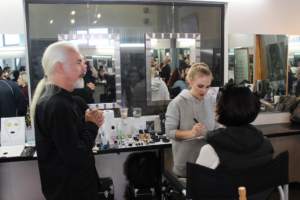
What Does Consistency Mean for Special Effects Makeup Artists?
For special effects makeup artists, consistency means practicing regularly and maintaining the same level of quality in every makeup look. It is about steady effort, not perfection.
Consistency includes:
- Practicing skills like sculpting, painting and application often
- Keeping makeup clean, well-blended and detailed each time
- Learning from mistakes and improving with every attempt
- Following proper hygiene, safety and time management
When artists stay consistent, their skills improve faster, their confidence grows and their work becomes more reliable. This steady approach helps them develop professionally and succeed in the SFX makeup industry.
Importance of Consistency in SFX Makeup
Consistency is the key factor that separates a beginner from a professional in special effects makeup. Regular practice, steady effort and disciplined work help artists improve their skills, build confidence and produce high-quality results. By staying consistent, SFX makeup artists can master complex techniques, manage time effectively, maintain safety and create reliable portfolios that impress clients and studios alike.
1. Skill Development Through Regular Practice
Special effects makeup requires hands-on skills that improve only with repeated effort. Techniques like sculpting, blending prosthetic edges, creating wounds and painting textures become easier when practiced regularly. Over time, the artists learn pressure, movement and timing, which helps artists create more realistic and controlled results.
2. Confidence Built Through Experience
Working consistently helps artists understand their own process better. They know how long a makeup look may take and which materials work best for them. This experience builds confidence, allowing artists to stay calm, make decisions faster and handle challenges without panic.
3. Gradual Improvement in Makeup Quality
In the early stages, SFX makeup work may appear uneven or unfinished. This is a normal part of learning. Consistent practice allows artists to notice mistakes and improve details slowly. Each new makeup look becomes more polished as small corrections are made over time.
4. Stronger and More Reliable Portfolios
A professional SFX makeup portfolio is created through regular work, not overnight success. Consistency allows artists to produce more looks, show a range of skills and clearly display growth. Portfolios that show steady improvement are more attractive to studios and clients.
Read this blog to get tips on creating a perfect portfolio for SFX makeup artists.
5. Trust and Reliability in Professional Projects
The film and entertainment industry values responsible artists. When makeup artists maintain steady quality and meet expectations regularly, they build trust with directors, photographers and production teams. Reliable SFX makeup artists are more likely to be called back for future projects.
6. Easier Learning of Complex Techniques
Special effects makeup includes advanced techniques such as creating prosthetics, building realistic wounds and blending appliances into the skin. These skills take time to understand and cannot be mastered in a few attempts. When artists work consistently, the learning process becomes smoother and more manageable.
7. Better Time Management on Set
SFX makeup artists often work under tight schedules, especially during film or photo shoots. By practicing regularly, artists learn how to complete complex makeup looks more efficiently without compromising quality. Regular work helps them understand how long each step takes, anticipate challenges and organize their workflow.
This experience makes them faster, more confident and better prepared to meet deadlines in professional environments.
8. Improved Creativity
Creativity does not depend only on inspiration. When artists work regularly, they try out new ideas, colors and textures. Practicing often helps them explore different styles and keeps their creative thinking active. Over time, new and better ideas come more easily.
9. Building Discipline for Long-Term Growth
Discipline is an essential part of any professional work and it develops when an artist stays consistent in their efforts. Special effects makeup can be challenging and models may not always feel comfortable due to adhesives, paints and other materials applied to their skin. Discipline in SFX makeup involves:
- Careful planning: Preparing materials, tools and workflow ahead of time.
- Focus during application: Maintaining attention to detail even when the process is long.
- Patience with models: Ensuring they feel safe and comfortable during makeup application.
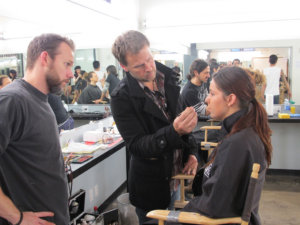
10. Safer and Cleaner Work Habits
Special effects makeup involves products that must be handled carefully. Regular work helps artists develop safe habits such as cleaning tools, sanitizing brushes and using materials correctly. These routines protect both the artist and the model.
Learn the importance of hygiene and safety in SFX makeup careers.
More Helpful Blogs –
How to Make SFX Makeup Last Longer on Skin?
How to Work with Latex, Silicone and Prosthetics Safely?
Questions Every Special Effects Makeup Artist Should Ask Clients
How to Stay Consistent in Special Effects Makeup?
Consistency in special effects makeup is essential for skill growth, confidence and professional reliability. While talent matters, steady effort and regular practice make a real difference. Here are some practical ways to stay consistent:
a) Set a Regular Practice Schedule: Dedicate specific hours each week to practice your SFX techniques. Even short daily sessions are more effective than occasional long sessions.
b) Focus on One Skill at a Time: Concentrate on improving one skill at a time. Once you master it, move on to another area. This focused approach prevents overwhelm and ensures steady improvement.
c) Keep a Record of Your Progress: Document your work by taking photos or notes of each makeup look. Tracking progress helps you see how far you’ve come, identify areas for improvement and stay motivated to continue.
d) Take Professional Courses: Enrolling in professional SFX makeup courses provides structure, guidance and exposure to industry-standard techniques. Cinema Makeup School is recognized as one of the leading special effects makeup schools, offering a range of SFX programs tailored to different interests and skill levels.
Our experienced instructors guide students through hands-on training, helping them build real-world skills and maintain consistent practice.
e) Practice Time Management: Plan each practice session efficiently. Break down complex projects into smaller steps and allocate time for each task.
f) Maintain Professional Habits: Discipline in hygiene, tool maintenance and product handling is part of consistency. Regular cleaning, sanitizing brushes and following safety rules ensure every practice session is professional, productive and safe for both you and your models.
Schedule a tour of the Cinema Makeup School campus and start developing your special effects makeup skills firsthand.
Avant-garde makeup allows artists to go beyond beauty and realism. It focuses on bold ideas, unusual shapes and dramatic textures that turn the face into a piece of art. These makeup looks are created using special effects makeup techniques.
Many artists find this style difficult because there are no fixed rules to follow. Knowing what products to use, how to build texture, or how far to push a design can feel confusing at first.
But with the right techniques, it becomes much easier. Let’s explore how you can create strong and creative avant-garde makeup looks.
What Is Avant-Garde Makeup?
Avant-garde makeup is a creative style of makeup that focuses on ideas rather than beauty standards. Instead of enhancing natural features, it uses bold shapes, unusual colors and strong textures to express a concept or mood.
These makeup looks are often seen in:
- Fashion editorials
- Runway shows
- Concept shoots
- Artistic projects
Unlike traditional makeup, avant-garde makeup does not follow fixed rules. Each look is created with intention, using SFX makeup as a form of visual art rather than everyday beauty.
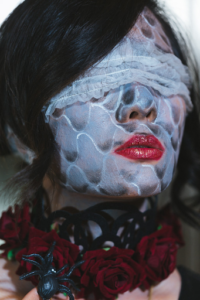
How to Create Avant-Garde Makeup Looks?
Creating avant-garde makeup looks is a combination of creativity, planning and technique. By focusing on a clear idea, planning your design, preparing the skin and carefully applying shapes, colors and textures, you can create bold and visually striking designs. The steps below will guide you through the process.
Step 1: Start With One Clear Idea
Avant-garde makeup always starts with one clear idea. This helps you plan the makeup properly and avoid changing the design halfway through. First, decide what the surface of the makeup should look like. Do you want it smooth, rough, layered, cracked, or raised? This choice affects the products and methods you will use.
Choose one main area of the face to focus on, such as the eyes, brows, cheeks, or forehead. Keeping one focus area helps the makeup look controlled and well planned.
Step 2: Plan the Design Before Applying Makeup
Planning saves time and improves results. Before touching the face, sketch the design on a face chart or paper. This helps you decide where shapes will be placed and how far the makeup will extend.
You do not need detailed drawings. Simple lines and blocks are enough to plan structure and balance. Focus on shape placement and overall flow across the face.
This step helps avoid mistakes and allows you to adjust the design before committing to it on the skin.
Step 3: Prepare the Skin Properly
Preparing the skin is an important step for avant-garde makeup. Clean, well-prepped skin helps makeup stick better and last longer.
Decide how the skin should look based on your design. You can leave it natural, cover it completely with foundation or paint, or add texture using creams or powders. Some looks work best on a smooth base, while others look more interesting when skin texture is visible.
Always choose a skin finish that supports your design.
Step 4: Build Strong Shapes on the Face
Shapes are one of the most important parts of avant-garde makeup because they define the overall look. You don’t have to follow the natural lines of the face; you can create new shapes wherever you like.
Start by planning your shapes with a light pencil or cream product. Focus on one or two areas first, such as the eyes, lips, or cheeks. This helps you keep control and avoid overloading the face.
Decide on the type of shape you want: sharp lines for a bold effect, soft curves for a smoother look, or abstract forms for creativity. You can extend eye makeup beyond the eye socket, reshape lips into unusual forms, or even add shapes along the forehead, temples, or jawline.

Step 5: Add Color With Purpose
Color should always support the concept, not distract from it. Avoid using too many colors at once. Choose a limited color palette and use it intentionally. High contrast colors create drama, while similar tones create a more artistic feel.
In avant-garde makeup looks, harsh edges and visible brush strokes are often part of the design, so blending is not always required.
Tip: For smooth color transitions or precise application, airbrushing is a valuable technique in avant-garde makeup. It helps create seamless gradients and professional finishes that are difficult to achieve with traditional brushes.
Step 6: Use Texture to Create Depth
Texture brings avant-garde makeup to life. Flat makeup can look unfinished, especially in creative or editorial work.
Texture can be built using thick creams, layered pigments, gloss, or other skin-safe materials. Raised areas, rough finishes, or layered effects add dimension and interest. Apply texture slowly and in thin layers to maintain control and comfort.
Step 7: Refine the Look and Clean Edges
Once the main design is complete, spend time refining the details. Clean edges, smooth transitions and controlled textures make the makeup look professional. Even messy or abstract looks need refinement. Clean up unwanted smudges and sharpen lines where needed.
Important Note: These steps can help you create avant-garde makeup looks effectively. However, mastering professional techniques is easier with expert guidance. At Cinema Makeup School, students learn special effects makeup from instructors who have worked on a range of real-world projects. This allows students to understand how professionals work while learning essential techniques.
Related Articles –
How Mannequins Help Beginners Create SFX Makeup Characters?
How to Make SFX Makeup Last Longer on Skin?
How to Work with Latex, Silicone and Prosthetics Safely?
Popular Avant-Garde Makeup Looks
- Graphic Eye Art – Bold, geometric, or extended eye designs.
- Extended Lip Art – Lips reshaped, stretched, or combined with surrounding face areas.
- Face Sculpting with Prosthetics – Using small prosthetics to change facial structure.
- Fantasy / Creature Features – Alien, faun, or hybrid character-inspired designs.
- Mixed Media Embellishments – Rhinestones, glitter, foil, or other decorative elements applied creatively.
- Textured & Layered Skin – Cracked, raised, or layered makeup effects.
- Color Blocking – Large blocks of contrasting or complementary colors.
- Metallic / Futuristic Finish – Chrome, gold, silver, or holographic effects.
If you want to learn these techniques at a well-known SFX makeup school, book a tour of our campus today and start your journey.
In special effects makeup, the nose often defines a character. A slight bend, a wider bridge, a hooked silhouette, or an exaggerated tip can instantly reshape a character’s personality. From fantasy elves and goblin thieves to historical figures and distorted horror villains, a fake nose prosthetic plays a powerful role in storytelling.
But how do SFX artists actually create these ultra-realistic nose appliances that look like real skin, photograph beautifully and hold up through hours on set? The process isn’t just about sculpting a shape; it’s a blend of anatomy study, advanced techniques, material science and artistic instinct.
Let’s get to know the complete journey of designing a fake nose prosthetic, the professional way – even if you’re a beginner.
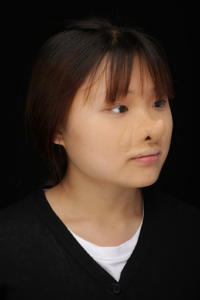
Why Prosthetic Makeup Is Necessary for Designing a Fake Nose?
SFX makeup often involves characters with completely different facial shapes, features and identities. Every character, whether human, creature, fantasy, or historical, needs a nose design that matches their personality. These changes can’t be created with just color, shadows, or highlights.
When a character needs a wider bridge, a longer tip, larger nostrils, or a totally new silhouette, paint alone is not enough. That’s where prosthetics come in. A fake nose prosthetic adds an actual 3D structure and fake skin that sits on top of the actor’s real nose, allowing artists to reshape it completely.
Prosthetic makeup lets SFX artists build new forms, textures and details that look natural and move with the actor. Without it, creating different character noses, especially for creatures, villains, stylized fantasy roles, or realistic transformations, wouldn’t be possible. Prosthetics make these designs believable, consistent and film-ready.
How to Make a Fake Nose Prosthetic?
Creating a realistic fake nose prosthetic is a meticulous process that combines artistry, anatomy knowledge and technical skill. From capturing the actor’s exact facial structure to sculpting, molding, painting and final application, every step ensures the prosthetic looks natural, moves seamlessly and enhances the character’s personality.
The following steps break down the professional approach SFX artists use to bring believable noses to life on screen.
Step 1: The Process Begins With a Life Cast
Before sculpting any prosthetic, artists need an accurate replica of the actor’s face. This ensures the nose appliance fits perfectly and moves naturally.
A typical life casting process includes:
- Applying a safe molding material (usually alginate or skin-safe silicone) over the actor’s face.
- Covering it with plaster bandages for structure.
- Casting the positive face (a solid 3D copy of the actor’s actual face created from the mold) in plaster or Ultracal.
This 3D model becomes the foundation for sculpting. Without it, even a beautifully designed nose won’t sit right, causing edges to lift, expressions to distort, or worse – actor discomfort on set.
Step 2: Understanding Anatomy and Character Intent
1) Facial Anatomy
Before sculpting a fake nose prosthetic, SFX artists study the actor’s facial anatomy in detail. This includes the bone structure, cartilage, nostril shape and skin texture. Understanding these elements ensures that the prosthetic integrates naturally with the actor’s face, moves correctly with expressions and maintains comfort on set.
2) Character Intent
Alongside anatomy, the prosthetic must reflect the character’s personality, age and story. A witch may require a long, hooked nose with dramatic textures, while a fairytale prince might need a smooth, straight bridge. Creature or fantasy characters may demand flared nostrils or unusual shapes.
Considering the character’s intent ensures that the fake nose prosthetic not only fits the actor’s face but also enhances the storytelling and brings the character to life on screen.
Step 3: Sculpting the Nose with Clay
With the life cast ready, apply a thin layer of oil-based clay, such as Monster Clay or Chavant, over the nose area.
- Begin by blocking out the basic shape, following the natural anatomy of the actor’s face.
- Focus on the bridge, tip and nostrils, gradually adding or removing clay to achieve the desired proportions.
- Use fingers or sculpting tools to refine curves, angles and subtle contours, keeping the edges feather-thin so the prosthetic will blend seamlessly.
For better accuracy, constantly check the sculpt from multiple angles to ensure symmetry. Refer to images or references of the character’s nose type to match the intended design.
Check Out: What Kind of Clay Is Best for SFX Sculpting?
Step 4: Refining Skin Texture
Real skin isn’t perfectly smooth – it has pores, scars, subtle bumps and slight asymmetry. Once the basic shape of the nose is sculpted, it’s time to add these micro-details to make the prosthetic look alive.
For these details, artists use:
- Stippling sponges
- Texture stamps
- Toothbrushes
- Plastic wrap
- Alcohol for surface blending
- Custom sculpting tools
During this phase, every pore matters. When a nose is shot in close-up under HD or 4K cameras, poor texture becomes very noticeable. Accurate texture is what creates a realistic appearance.
Step 5: Mold Making – Turning the Sculpt Into a Real Appliance
Once the clay sculpture is finalized, the next step is creating a mold. This is a “negative” version of the sculpt, made using strong materials like Ultracal, fiberglass, or epoxy. The mold is extremely important because it will be used to make all the final prosthetic noses.
The mold captures every detail of the sculpt, including textures like pores, wrinkles and fine lines. It also allows you to cast the prosthetic in professional materials such as silicone, foam latex, or gelatin, ensuring the final piece looks realistic.
A good mold guarantees that each prosthetic will fit the actor perfectly, every time. Even a small air bubble or mistake during mold making can ruin the prosthetic, so precision and care are essential at this stage.
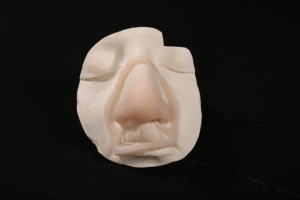
Learn Why Every Serious Makeup Artist Should Learn Mold-Making Techniques
Step 6: Trimming Edging & Pre-Painting
Now, remove the prosthetic from the mold and begin preparing it for application. Trim and feather the edges carefully, removing any extra material or flashing. Then, pre-paint the prosthetic to match the actor’s skin tone. Pre-painting saves time on set and ensures consistent color under studio lighting.
Fake nose prosthetics often need several layers of color and painting before they look like real skin. You can add small details like veins, freckles and slight color variations to help the nose blend naturally with the actor’s face. Taking the time to do this carefully makes the prosthetic look realistic and ensures it moves and performs well on camera.
Step 7: Final Painting and Blending on the Actor
Apply the final colors and details directly on the actor’s face. This ensures that the nose matches the actor’s natural skin tone perfectly and blends seamlessly with surrounding features.
Explore How Concept & Color Theory Boost Your Creature Design Skills
Step 8: Adhesion and Application
Use medical-grade adhesives, such as Pros-Aide or spirit gum, to secure the appliance. Apply the adhesive carefully to both the prosthetic edges and the actor’s skin, then press the prosthetic in place.
Learn Prosthetic Makeup at Cinema Makeup School
When imagination meets skill, characters come to life. Take it further at Cinema Makeup School. Here, you’ll learn a full range of prosthetic and SFX makeup techniques – from subtle facial enhancements and realistic injuries to complete creature, monster and fantasy transformations.
Master life casting, sculpting, molding, painting and seamless on-set application with hands-on guidance from industry professionals. You can also explore our YouTube channel for tutorials, behind-the-scenes content, student creations and our podcast series.
Commonly Used Materials for Fake Nose Prosthetic Application
- Adhesives: Pros-Aide or spirit gum to securely attach the prosthetic.
- Barrier Products: Skin prep sprays or lotions to protect the actor’s skin.
- Paints and Pigments: Alcohol-based, silicone, or grease paints for realistic skin tones.
- Blending Materials: Liquid latex or silicone gel to smooth edges and hide seams.
- Tools and Accessories: Brushes, spatulas, sponges and tweezers for precise application.
Book a tour of our campus and gain the confidence, skills to work on real-world film, television and creative projects.
Live Action Role-Playing, commonly known as LARP, is where imagination steps off the page and into real life. Instead of simply describing a character, players physically bring them to life using costumes, body language, voice and, most importantly, special effects makeup.
Whether you’re stepping onto a medieval battlefield, entering a dark fantasy realm, or surviving a post-apocalyptic wasteland, the right character makeup helps sell the illusion. In LARP, makeup isn’t about looking flawless or fashionable. It’s about storytelling, realism and total immersion. Well-executed SFX makeup adds history, emotion and depth to every character you portray.
Let’s break down the types of character makeup that are truly essential for LARP:
Why Does SFX Makeup Matters So Much in LARP?
In LARP, how a character looks is just as important as costume and performance. Special effects makeup helps players look like the characters they are playing, which makes the game feel more believable for everyone.
SFX makeup also helps show a character’s background and role without needing explanation. Scars can show that a character has fought many battles. Dark or tired eyes can suggest magic, illness, or corruption. Dirt, bruises, or worn skin can show that a character has lived through difficult conditions. These visual details help other players quickly understand the character during gameplay.
LARP events often last many hours and are held outdoors. SFX makeup can stay longer on the skin, move naturally with facial expressions and hold up against sweat, heat and light weather changes. This allows players to stay focused on the game instead of fixing their makeup.
Learn How to Make SFX Makeup Last Longer on Skin?
Different Types of Character Makeup for LARP
LARP characters come from many backgrounds, roles and settings. Makeup helps define these characters clearly so other players can understand them at a glance. Below are the most common types of character makeup used in LARP and how each one works.
1. Fantasy Makeup
Fantasy races are very common in LARP and each race has a distinct makeup style. These looks help separate one race from another and make characters easy to recognize during play.

Elf makeup: Highlights clean and balanced features. Artists often use light contouring to sharpen cheekbones and define the face without making it look heavy. Skin tones are kept smooth and even, sometimes with a slight glow to give a magical feel. Eye shading is usually soft and natural.
Orc and goblin makeup: These characters require rough and bold makeup styles. Skin colors such as green, gray, or brown are commonly used to move away from a human appearance. Uneven tones, dirt effects and darker shadows help create a worn and aggressive look. Scars, cracks and rough textures are often added to suggest a life filled with fights and hard living.
Dwarf makeup: It supports strong and sturdy facial features. Dark shading around the jawline and nose helps make the face look broader and more solid. Light dirt, soot, or grease effects are often added to suggest work with tools, stone, or metal. Beards are an important part of dwarf characters and makeup around the beard area helps blend real or fake hair smoothly into the skin.
2. Warrior and Fighter Makeup
Many LARP characters take part in combat roles such as warriors, guards, or mercenaries. Their makeup should suggest strength, experience and physical effort without becoming distracting.
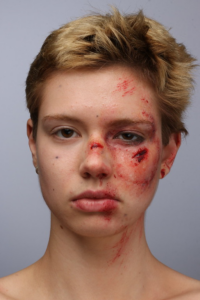
Battle makeup usually stays simple. Light brown and gray tones are blended into the skin to create dirt and sweat effects. These details help show long hours spent training or fighting. A slight shine on the forehead or nose can suggest heat and movement.
Scars are one of the most common features in warrior makeup. A small raised scar on the cheek or eyebrow can show past battles. Bruising or redness around the eyes or jawline may suggest recent fights, but these effects should stay soft so they do not pull attention away from the role-play.
Check out: How Makeup Artists Create Realistic Black Eyes for Fight Scenes?
3. Evil Character Makeup
Evil characters play an important role in LARP by creating conflict and challenges during gameplay. Their makeup usually looks stronger and darker than other character styles, but it should still be comfortable and safe to wear for long hours.
Necromancers and dark mages: These characters often use pale or faded skin tones to show a connection to dark magic. Dark shading under the eyes and deeper contouring can make the face appear tired. Light vein details or small markings may be added to suggest damage caused by magic.
Demons and corrupted characters: Demon makeup commonly uses darker colors such as red, black, or deep purple. Strong shading around the eyes and cheekbones helps create a sharp and non-human appearance. Small prosthetic pieces like horns or ridges can add more detail, but even without prosthetics, proper use of highlights and shadows can make the character look changed and intimidating.

4. Undead and Horror Character Makeup
Undead characters are popular in horror-based games. These looks depend more on color and shading than on realistic wounds.
Zombie makeup uses uneven skin tones, dark circles under the eyes and hollowed cheeks. Mixing green, gray and purple shades creates a sick and unhealthy appearance. The goal is to suggest decay without heavy gore.
Vampire makeup is usually cleaner and more controlled. Pale skin, strong contouring and sharp eye details help create a cold and dangerous look. A small amount of red around the lips or eyes can suggest feeding without being overdone.
Skeleton or cursed bone characters rely on painted shadows. Dark areas around the eyes and cheekbones help create the illusion of hollow bone structure. These designs should be clear from a distance so they are easy to recognize during play.
5. Historical and Realistic Character Makeup
Some LARP games are based on history or realistic settings. In these cases, makeup should look natural and practical.
Medieval and historical characters: Makeup for historical roles stays minimal. Clean skin, soft tones and light shading help create a natural appearance. Dirt effects are often used for farmers, travelers, or soldiers. Heavy makeup is usually avoided to keep the look accurate for the time period.
Post-apocalyptic characters: Post-apocalyptic makeup shows damage and survival. Dusty skin, darkened eyes and cracked lips suggest long-term hardship. Smudges of oil, ash, or grime help make the character look worn and practical. These effects work best when combined with damaged clothing and gear.
6. Magical and Mystical Character Makeup
Some characters rely on magic rather than weapons. Their makeup helps show power and purpose.
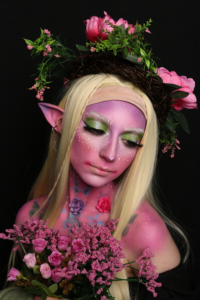
Runes, symbols, or markings can be painted on the face or temples to represent spells or abilities. These designs should be neat and balanced, so they look intentional. Soft metallic tones, gentle highlights, or light color washes can also suggest magic. Using too much color or shine can make the makeup distracting, so balance is important.
Related Articles –
Gunshot Wound Makeup Techniques
How to Work with Latex, Silicone and Prosthetics Safely?
Arrow Wound SFX Makeup Techniques
Learn to Create These Characters with Professional SFX Makeup Training
Creating strong and believable LARP characters requires more than basic face paint. To build skills in character design, special effects makeup and prosthetic application, proper training makes a big difference.
At Cinema Makeup School, students learn professional SFX makeup techniques used in film, television and live performance. The training covers essential skills such as sculpting, mold-making and applying prosthetics. These skills help artists create durable, comfortable and visually clear character looks suitable for long wear, including LARP events.
Learning SFX makeup in a structured environment helps artists understand skin safety, product use and how to design makeup that supports movement and performance. This kind of training is useful not only for LARP but also for cosplay, stage work and screen-based character makeup.
Visit our YouTube channel to see practical character makeup techniques, prosthetic applications and special effects makeup processes used for live performance and storytelling.
Scar wax is one of those staple products every SFX makeup artist relies on – whether you’re crafting subtle scratches or building dramatic wounds for film, cosplay, or haunted attractions. It’s versatile, moldable and easy to manipulate when you know what you’re working with. But what many beginners don’t realize is that not all scar wax is the same.
Different types of scar wax perform differently depending on the look you’re trying to create, the conditions you’re working in and the level of durability you need. In this blog, we’re breaking down the most common scar wax types, their uses in special effects makeup and how to apply each one correctly for realistic, film-ready results.
In this blog, you’ll learn about the different types of scar wax, how each one performs which formulas work best for specific SFX makeup effects.
What Exactly Is Scar Wax in SFX Makeup?
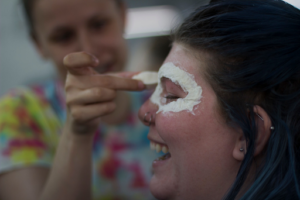
Scar wax is a soft, pliable modeling compound used to build 3D effects directly on the skin. Artists rely on it to create scars, cuts, lumps, deformities, raised wounds even to subtly reshape facial features. Its biggest advantage is its flexibility – you can sculpt it into almost anything. But because SFX makeup must perform in real time and move naturally with the actor’s skin, the type and quality of the wax you choose can dramatically affect the final result.
Some waxes blend seamlessly, others hold their shape better under heat or heavy movement, some are formulated for ultra-detailed sculpting work. Once you understand these differences, your entire application process becomes smoother, faster and far more effective.
Why Choosing the Right Type of Scar Wax Matters?
If you’ve ever applied wax that melted, cracked, lifted, or refused to blend, the issue likely wasn’t your technique; it was the type of wax.
Here’s what different wax formulas affect:
- Blendability: how easily edges smooth into the skin
- Firmness: how much structure the wax can hold
- Heat resistance: crucial for long shoots or hot locations
- Durability: important for wear under prosthetics, costumes, or sweat
- Texture: some waxes are smoother, others more putty-like
Types of Scar Wax Used in SFX Makeup
Scar wax comes in several types – traditional, hard, silicone-based, gel-based synthetic putty – each designed for specific effects. Some are soft and easy to blend, while others hold shape for detailed or high-movement areas. Choosing the right type ensures realistic, durable professional-looking SFX results.
1. Traditional Scar Wax (Standard Modeling Wax)
This is the most widely used type of scar wax in special effects makeup, making it ideal for both beginners and professionals. It features a soft, pliable texture that excels at sculpting raised scars, crafting cuts and wounds, creating quick character looks is especially useful for practice makeup or classroom training.
Typically made from petroleum jelly, microcrystalline wax oils, this combination provides a smooth, moldable consistency that warms easily in the hands. To apply it effectively, it’s normal for the wax to feel a little tacky; simply wet your fingers with lotion, alcohol, or petroleum jelly while shaping to achieve smooth, skin-like results.
If you’re new to SFX makeup, traditional scar wax offers the easiest starting point for learning application techniques and mastering realistic special effects.
2. Hard Scar Wax (Firm Modeling Wax)
It is similar to the traditional formula but with greater stiffness. It holds shape much better and doesn’t collapse under pressure. Artists who create precisely sculpted shapes often prefer this version.
Best for:
- Long, deep gash wounds
- Nose or chin reshaping
- Pronounced bone-like structures
- High-heat environments
Hard wax doesn’t blend as easily as softer options, but the stability makes it ideal for detailed work. It also stays intact longer on areas with more movement, like around the mouth or forehead.
Check out: How to Create Realistic Wounds and Scars with Prosthetics?
3. Silicone-Based Scar Wax (Silicone Putty)
This wax is quickly gaining popularity in SFX makeup for its impressive performance and versatility. Silicone formulas remain flexible as the skin moves, delivering natural, skin-like textures that look particularly realistic on camera. This flexibility and resilience make silicone scar wax an ideal choice for film and television, as well as for creating high-detail wounds and effects that need to withstand sweaty or humid environments.
It blends seamlessly into the skin and typically requires less sealing, thanks to the silicone’s ability to mimic real skin’s elasticity. Once fully set, silicone scar wax locks into place and holds its shape firmly, making it highly reliable for professional special effects work.
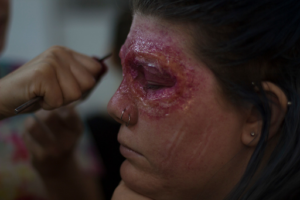
4. Gel-Based Scar Wax (Soft Gelatin Wax)
Gelatin-based scar materials have been used for decades because they melt down easily, reset quickly and create extremely soft, organic shapes. They also take texture very well.
Best for:
- Burns and melted skin effects
- Torn flesh looks
- Swollen skin
- Zombie makeup
- Organic, uneven textures
Gel scar wax is a favourite among SFX makeup artists for its unique properties and realistic effects. When first applied, gel wax is warm and easily workable, allowing artists to sculpt it into fleshy, irregular shapes that mimic real skin. This material is especially useful for gory makeup looks because gelatin-based wax can achieve a level of depth, shine realism.
5. Synthetic Putty Wax (Hybrid Wax/Putty Compounds)
It combines the easy sculpting qualities of traditional wax with the strength and durability of putty. This unique blend results in an exceptionally versatile product, making it perfect for quick on-set touch-ups, creating stable wounds that stay in place under costumes, or achieving effects that demand both firmness and seamless blending.
Its moldable yet non-sticky texture is favoured by many professionals, as it can withstand long workdays without losing its shape or reliability. For artists who want a dependable, all-purpose product that performs predictably across different special effects scenarios, synthetic putty wax is often the top choice.
Want Better Control Over Your Scar Wax Creations?
Getting comfortable with scar wax is all about understanding how it behaves under your hands and on the skin. Small adjustments make a huge difference. The pressure you use while sculpting, the warmth of your fingers, the amount of lubricant during blending, even how you paint the finished wound all affect the final result.
Take a tour of Cinema Makeup School and explore how our instructors teach scar wax handling, wound-building techniques and advanced SFX skills used in film, television live events. Our courses provide hands-on experience with different types of wax, sculpting tools, blending methods, painting techniques to create realistic wounds, scars and character effects.
Students receive training from professional instructors who actively work on real film and TV projects, giving practical insight into industry-standard workflows and professional applications of special effects makeup.
Related Articles –
How to Make SFX Makeup Last Longer on Skin?
Must-Have Special Effects Makeup Tools Every Artist Should Own
How to Work with Latex, Silicone and Prosthetics Safely?
Which Type of Scar Wax Should You Use?
1) For beginners: Traditional scar wax is a good choice. It is easy to work with, can be shaped without much difficulty and is suitable for practicing scar wax application on various skin types.
2) For precise sculpting: Hard wax or synthetic putty gives you stability and sharp detail.
3) For hot or sweaty locations: Silicone scar wax remains stable and does not lose its shape, making it a reliable option when working in high temperatures.
4) For gory, melted, or organic textures: Gel-based wax brings your scar wax makeup ideas to life with realistic, fleshy depth.
5: For long film shoots: Silicone or firm putty waxes last longest without touch-ups.