Starting a career in special effects makeup is exciting. You get to bring characters to life, create injuries that look real and design creatures that surprise audiences. But once you begin working on real projects, you quickly realize that technical skills are only part of the job. Building a successful career takes planning, professionalism and the right mindset.
Many new SFX Makeup Artists make mistakes that can slow down their progress. Some forget about time management, others don’t prepare properly for set work and a few underestimate how important communication and hygiene are. These small errors can make a big difference in how directors and clients see your work.
If you’re serious about growing your makeup artist career, learning what to avoid is just as important as learning techniques. In this blog, we will explore some of the most common mistakes new SFX artists make and smart ways to avoid them so you can move forward confidently.
Common Mistakes Every Beginner SFX Makeup Artist Makes
1. Neglecting Professional Training
One of the biggest early missteps is assuming that passion alone is enough. While natural creativity is crucial, special effects makeup involves advanced techniques that require structured learning – from sculpting and mold-making to material safety and skin compatibility.

Tip: If you’re serious about turning your passion into a professional career, visit Cinema Makeup School. We’re recognized for training aspiring artists for film, TV, fashion and entertainment through hands-on, career-focused programs.
Our courses cover everything from prosthetics and creature design to Digital FX and advanced special effects makeup techniques – all taught by experienced instructors who actively work in the industry.
Check out our YouTube channel to see our students’ incredible SFX makeup creations in action.
2. Ignoring Time Management and Scheduling
Good planning is just as important as creativity. Beginner SFX makeup artists don’t realize how much time a complex makeup look can actually take – from sculpting and prosthetic prep to application and removal. When you run late, it doesn’t just affect you; it holds up the entire set, including actors, directors and the shooting schedule. Over time, this can make people see you as unreliable, even if your work looks great.
How to Avoid It?
Always track how much time each step of your process takes. Before working on set, do a complete test run of your makeup look to understand the timing. Create a checklist with estimated durations for every stage and include some extra time for unexpected delays such as adhesive drying or actor breaks. Proper scheduling helps you stay organized, meet deadlines and maintain a professional reputation.
3. Not Building a Strong Portfolio Early
A common mistake among new artists is waiting too long to create a portfolio or relying only on class projects. In the competitive market, your portfolio is your business card. Without clear visuals of your work, potential employers or clients can’t gauge your skill level or versatility.
How to Fix It?
Document every project – even small practice sessions or student collaborations. Use high-quality lighting and photography. Show a mix of styles: gore, fantasy, prosthetics, character design, sci-fi, etc. Create an online portfolio or Instagram page dedicated to showcasing your professional SFX work. Avoid cluttering it with unrelated content.
4. Poor Communication with Clients and Crew
Even if you’re highly skilled, special effects makeup is a team effort. New artists sometimes get so focused on creating their designs that they forget to check in with others. When communication breaks down, it can cause confusion about the look, lead to using the wrong materials, or result in makeup that doesn’t match the director’s vision.
So, before you begin any project:
- Go through the character brief and design references carefully.
- Talk with the costume and lighting teams to make sure everyone’s on the same page.
Confirm the schedule, materials and removal plan in advance.
5. Skipping Product Knowledge and Hygiene Standards
Many beginners make the mistake of using the wrong products or skipping proper hygiene. This usually happens because they’re still learning what works best for different materials and skin types. However, poor product choices or lack of cleanliness can easily ruin a look or cause skin irritation for the performer.
How to Stay on Track?
- Learn how different products interact with skin, silicone, latex and other materials.
- Keep your makeup kit clean and sanitized at all times. Cleanse brushes, tools and prosthetics after every use.
- Use only skin-safe and hypoallergenic products to avoid irritation.
- Never reuse prosthetic pieces unless they are specifically designed for multiple applications.
6. Undervaluing the Value of SFX Makeup Services
Many new SFX makeup artists start out by charging too little for their work, thinking it will help them gain clients or build their portfolio faster. While it’s okay to do a few projects for experience, consistently underpricing your services can hurt both your career growth and the overall value of the industry.
When setting your rates, start by researching what other SFX makeup artists in your area charge and adjust your pricing based on your skill level and experience. Make sure to account for every expense involved – including materials, prep time, application, removal and even travel costs.
Be open and confident when discussing your rates with clients; clear communication helps set expectations early.
7. Not Seeking Feedback or Mentorship
Special effects makeup is a craft that combines creativity and technical skill and no one becomes an expert overnight. One of the biggest reasons new artists stop improving is that they avoid feedback or never look for mentorship. Without honest feedback, you might keep repeating the same mistakes or develop bad habits that slow your progress.
Get involved in professional communities, online groups, or mentorship programs where you can connect with other artists. Be open to constructive criticism – every bit of feedback helps you grow faster and refine your craft.
8. Not Updating Techniques
Special effects makeup techniques keep evolving every year. New products, materials and digital tools continue to change how artists create realistic looks. However, many beginners fall into the habit of using only what they first learned in school or through older tutorials.
If you rely only on outdated methods, your work may start to look old-fashioned. Sticking to older techniques can hold you back from taking on more advanced projects.
Stay curious and keep learning. Follow leading SFX makeup artists, attend workshops and experiment with new material.
More Helpful Blogs –
How Special Effects Makeup Transformed Horror Movies?
Character Makeup Skills You Need to Start a Career in SFX
How Much Do Special Effects Makeup Artists Make? A 2025 Insight
Schedule a tour of our special effects makeup school and take your career to new heights.
If you think special effects makeup is all about prosthetics, latex and fake blood – you’re only half right. The modern SFX makeup career has evolved into a fascinating mix of art and technology. From 3D printing to digital sculpting, the creative process now blends special effects makeup school artistry with futuristic tools that push imagination to new limits.
Whether you’re just starting your career or looking to upgrade your skills, understanding how technology has changed the industry will help you stay ahead of the curve and make your work stand out in film, TV, or gaming.
How Modern Tools Are Shaping Special Effects Makeup Career
Technology has completely reshaped how special effects makeup artists work, learn and create characters. From sculpting lifelike creatures to testing designs digitally before applying them to actors, every step has become faster, smarter and more collaborative. Here’s how it’s making a difference:
1. Digital Sculpting Brings Precision and Freedom
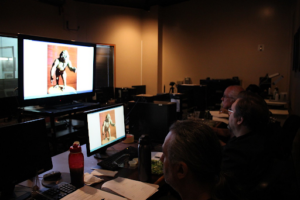
Tools like ZBrush have revolutionized sculpting for SFX makeup artists. Instead of working with clay, artists can digitally model faces, creatures and prosthetics with microscopic detail. It’s easier to undo, experiment and refine – no wasted material, no long reset times.
Why it matters: Artists can perfect their designs before moving to physical molds, saving time and improving accuracy.#
2. 3D Printing Turns Imagination into Reality
Once a design is finalized digitally, 3D printing brings it to life with incredible precision. Artists can create exact prosthetic pieces, props, or maquettes that perfectly match their concepts. This technology ensures consistency, accuracy and increased production efficiency. It’s a true game-changer that helps artists transform bold ideas into tangible, screen-ready creations.
3. Digital FX and Post-Production Collaboration
SFX makeup artists often collaborate closely with digital FX teams to merge practical makeup with digital effects. This teamwork ensures that prosthetics, textures and makeup details match perfectly with CGI, lighting and camera angles. By coordinating from the design stage to the final edit, artists can create looks that appear completely real on screen.
4. Augmented Reality (AR) for Makeup Previews
Augmented Reality (AR) is giving SFX makeup artists a whole new way to plan their designs. With AR tools, artists can try out different makeup styles and effects virtually, seeing how colors, textures and prosthetics will look on a face before anything is applied.
This technology allows clients, directors and designers to visualize the final result in real time, making it easier to adjust details, experiment with bold ideas and ensure the creative vision is aligned from the very start.
5. Virtual Training and Online Learning Platforms
Online education has transformed how aspiring special effects makeup artists learn and grow. Virtual classrooms, live workshops and video tutorials allow artists to study professional techniques from anywhere in the world, at their own pace. This accessibility makes it easier than ever to start or advance your SFX makeup career, connecting students with industry-level training no matter where they are.
6. Digital Portfolios and Virtual Showcasing
SFX makeup artists no longer have to rely solely on in-person networks to get noticed. With digital portfolios, social media and VR demos, their work can reach audiences around the world instantly. Platforms like Instagram and YouTube and ArtStation act as professional galleries, showcasing skills, creativity and finished projects.
This visibility helps artists attract clients and open doors to collaborations – giving their career a global stage.
7. On-Set Technology for Real-Time Adjustments
On modern film and TV sets, makeup artists have access to high-definition monitors and real-time feedback tools. These technologies allow artists to see exactly how their makeup appears under different lighting, camera angles and filming conditions. By checking their work instantly, they can make precise adjustments on the spot, ensuring every detail looks perfect on screen.
This level of control helps maintain the quality and realism of the makeup throughout the shoot, no matter how challenging the production environment.
How to Stay Ahead in This Tech-Driven Industry
SFX makeup is changing fast and staying ahead means combining creativity with technology. Here’s how artists can keep their skills sharp and relevant:
- Learn Both Hands-On and Digital Techniques: Master sculpting, painting and prosthetic application, while also exploring digital sculpting tools like ZBrush or Blender. Combining traditional skills with digital tools makes you a versatile, in-demand artist. Note: At Cinema Makeup School, we offer specialized tracks to help you gain these digital skills. Our ZBrush course teaches essential digital sculpting techniques, including creating character busts, intricate textures, hair and accessories. Meanwhile, our Digital FX course focuses on Photoshop, helping students master creature concept art, retouching and digital manipulation.
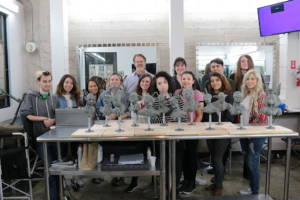
Both courses are designed for hands-on learning and require no prior experience – perfect for SFX artists looking to expand their skill set and stay ahead in this tech-driven field.
- Experiment With New Tools: From 3D printing prosthetics to using augmented reality for previews, testing new techniques allows you to create previously difficult effects. Small projects at home can help you build confidence.
- Build Your Network: Share your work through social media, digital portfolios and online communities. Connections with fellow artists, producers and studios often lead to opportunities where hybrid skills are highly valued.
- Keep Learning and Adapting: Technology keeps evolving, but creativity remains key. Stay curious, attend workshops, follow industry trends and adapt your techniques. Artists who combine artistry with tech skills will always have an edge.
Don’t Miss These Articles –
How Special Effects Makeup Transformed Horror Movies?
SFX Makeup School Costs: What to Expect and How to Afford It
Why SFX Makeup Artists Should Study Human Anatomy for Sculpting Realistic Prosthetics?
Schedule a tour of our special effects makeup school to experience hands-on training and learn from professional SFX artists.
When it comes to showing your special effects makeup artistry to the world, creativity alone isn’t enough – visibility is key. The online beauty industry is crowded and standing out as an SFX artist requires smart marketing, consistency and a personal touch.
In this guide, we’ll explore effective ways to promote your SFX makeup artist services online – from building your digital identity to engaging your ideal audience and converting them into loyal clients.
How to Promote SFX Makeup Artist Services Online?
Promoting your SFX makeup artist services online takes more than just talent – it requires strategy, visibility and consistent engagement. From building a strong digital presence to leveraging social media, video marketing and collaborations, there are multiple ways to showcase your skills and attract the right clients. Let’s go through in depth:
1. Build a Strong Digital Foundation
Before you start promoting, ensure your online presence reflects your brand and skills.
- Create a Professional Website
Your website acts as your digital studio. It’s where potential clients and collaborators can see your portfolio, book your services and learn more about you.
When building your website, make sure it includes all the essentials that highlight your professionalism and creativity. Start with a homepage that showcases your unique SFX makeup style and immediately captures attention. Add detailed service pages that clearly describe what you offer, whether it’s horror makeup, fantasy characters, prosthetics, or Halloween looks.
Feature a gallery or portfolio filled with high-quality images and behind-the-scenes videos that bring your artistry to life. Don’t forget to include testimonials and client reviews to build trust and credibility with potential clients. Finally, create a dedicated booking or contact page with clear calls-to-action (CTAs), making it easy for visitors to inquire or schedule your makeup artist services.
2. Showcase Your Work on Social Media
Social media is where most of your audience lives – especially those looking for makeup inspiration, behind-the-scenes looks and tutorials.
a) Choose the Right Platforms
Focus on platforms that highlight visuals:
Instagram: Perfect for before-and-after photos, short reels and transformation videos.
TikTok: Great for fast-paced, engaging content like time-lapse makeup transformations or quick tutorials.
YouTube: Ideal for longer content – full SFX makeup tutorials, product reviews, or “Day in the Life of an SFX Makeup Artist” videos.
Facebook: Useful for community groups, event promotions and connecting with local clients.
b) Keep Your Branding Consistent
Use the same handle, logo and color palette across platforms. Consistency helps audiences recognize your brand instantly.
c) Post Engaging Content
Mix educational, entertaining and promotional content:
- “Behind-the-scenes of a zombie transformation.”
- “How I created a realistic burn effect.”
- “Products every SFX artist should own.”
- “Client reaction to their full prosthetic look.”
Tip: Add trending music, hashtags (#SFXMakeupArtist, #MakeupArtistServices, #HorrorMakeup, etc.) and captions that tell stories rather than just describe looks.
3. Leverage Video Marketing
Video is the most powerful marketing tool for SFX makeup artists. Your work moves – so your content should, too.
a) Tutorials and Transformation Reels
Create short-form videos that show your process from bare skin to final transformation. These perform exceptionally well on TikTok, Instagram Reels and YouTube Shorts.
b) Full-Length YouTube Tutorials
YouTube isn’t just for entertainment – it’s also a top search engine. Create valuable content:
- “How to apply fake wounds for film.”
- “Step-by-step guide to prosthetic application.”
- “Best products for realistic blood effects.”
Add links and contact information in your video descriptions to facilitate conversions.

4. Collaborate with Other Creatives
Collaboration helps you tap into new audiences and build credibility.
Partner with Photographers and Videographers: Work with professionals who can capture your artistry in cinematic quality. In return, they get fresh portfolio material.
Collaborate with Models, Cosplayers and Influencers: Offer free or discounted sessions in exchange for exposure. When they post your work, they tag you – giving you organic reach to their followers.
Network with Local Film Schools or Production Teams: SFX makeup is essential in film and theater. Offer your services to student filmmakers or indie creators. These partnerships often turn into long-term opportunities.
5. Encourage Client Reviews and Testimonials
Social proof is everything. Future clients trust other people’s experiences more than any advertisement.
After completing a project, always take the time to ask your clients for reviews. Encourage them to share their feedback on platforms like Google My Business, Facebook, Yelp, or other local directories. Genuine testimonials from satisfied clients can greatly enhance your reputation. Once you start receiving feedback, make sure to display those reviews on your website and social media pages.
6. Offer Online Workshops and Tutorials
If you’re confident in your teaching skills, turn your expertise into an online class. Host sessions via Zoom, YouTube Live, or on platforms like Skillshare and Udemy.
You can teach:
- “Beginner’s Guide to SFX Makeup”
- “Prosthetic Makeup Techniques for Film”
- “Creating Realistic Bruises and Scars”
Bonus: Promote your makeup artist services during or after the sessions – you’ll attract both aspiring artists and potential clients.
7. Use Paid Advertising Strategically
Organic growth takes time, but paid ads can give you a visibility boost.
a) Run Social Media Ads
Platforms like Instagram, Facebook and TikTok allow you to target specific demographics – people interested in special effects makeup, film, fashion, or Halloween. Create short ad videos showcasing your best transformations.
b) Use Google Ads
You can reach clients who are actively searching for special effects makeup artist services online. Google Ads allows you to refine campaigns based on location, audience interests and budget, ensuring your promotions reach the right people. This strategy increases visibility, drives quality traffic to your website and helps convert more leads into bookings.
Start small with a budget and monitor which ads bring actual inquiries or bookings.
8. Engage With Your Audience Daily
Engagement builds community and community builds clients.
Respond to Comments and DMs: People love when artists respond personally. Answer questions, thank people for compliments and encourage bookings through DMs.
Use Polls and Q&As: Use Instagram Story polls and Q&As to engage your audience, asking questions like “Which SFX look should I do next?” or “Ever wondered how fake wounds are made?” This interactive approach humanizes your brand and builds stronger connections with potential clients.
Go Live: Live sessions on Instagram or TikTok allow you to connect in real-time. Showcase a live transformation or host a Q&A session about SFX makeup techniques.
9. Create and Share Blog Content Regularly
Regularly writing and sharing blog content establishes your expertise as an SFX makeup artist. Each article provides valuable information to your readers while giving Google more content to index, boosting your online visibility.
10. List Your Services on Directories and Marketplaces
Getting your business featured on top directory websites can significantly boost visibility and help potential clients reach you more easily. Platforms like Google My Business, Thumbtack, Bark, Fiverr, Upwork, etc. act as trusted sources where clients search for professional services. By appearing on multiple high-traffic directories, you increase your chances of inquiries and bookings while building credibility for your makeup artist services.
More Helpful Blogs:
Career Options for Special Effects Makeup Artists
Why Every Serious Makeup Artist Should Learn Mold-Making Techniques
How Much Do Special Effects Makeup Artists Make? A 2025 Insight
Boost Your SFX Makeup Skills
To successfully promote your SFX makeup services online, you need the right skills and techniques and that’s exactly what our SFX makeup courses provide at Cinema Makeup School. From creating realistic wounds to fantasy transformations, our training equips you with everything you need to stand out.
Book a tour of our Special effects makeup school today and turn your passion into a professional skill set that clients will notice and hire.
When you watch a movie, you might think the performance alone defines how you connect with a character. But there’s another layer of storytelling that shapes your emotions before a single line is spoken, i.e., movie makeup.
From subtle contouring that reveals vulnerability to elaborate prosthetics that create creatures of nightmares, special effects makeup artists have the power to change the audience’s perception. Makeup is not just decoration; it’s psychology, storytelling and art combined.
How Movie Makeup Shapes the Way the Audience Sees Characters?
In film, what the audience feels about a character often begins before the first line of dialogue – it starts the moment they appear on screen. That’s the silent power of special effects makeup. Whether it’s subtle contouring that adds realism to a period drama or the jaw-dropping prosthetics in a sci-fi epic, makeup dictates how we perceive a character’s personality, morality and even emotional depth.
1. Realism Makes Characters Believable
The most impactful makeup is the one the audience never questions. Whether it’s dirt, sweat, or a subtle bruise, these details anchor a performance in realism. When an actor’s appearance feels authentic and consistent with their surroundings, audiences stay immersed in the story.
Movie Makeup Artists study how skin reacts to light, age and emotion so every element looks authentic on camera. In high-definition filmmaking, realism isn’t optional – it’s storytelling precision.
2. Makeup Communicates Personality Instantly
Audiences form opinions within seconds of seeing a face, often before a character speaks a single word. That first visual impression is powerful and movie makeup plays a major role in shaping it. A clean, polished look might suggest confidence, innocence, or authority, while uneven tones, scars, or subtle imperfections can hint at chaos, struggle, or hidden depth.
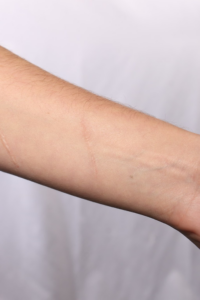
Every choice – color of the eyeshadow, contour of the cheek, texture of the skin – contributes to how viewers perceive personality traits.
3. Transformation Builds Emotional Connection
One of the most powerful parts of movie makeup is how it helps audiences connect emotionally with a character. When an actor completely changes their appearance, it’s easier for viewers to believe in the person they’re portraying – not just the performance.
Special Effects Makeup Artists bring that transformation to life. It turns a familiar face into someone entirely new, giving depth and credibility to the role.
4. Symbolism Through Makeup Design
Makeup can represent inner states or thematic ideas, not just appearance. For instance, pale tones might reflect fragility or illness, while bold color contrasts could symbolize moral conflict or transformation.
In movie character makeup, artists often use design elements like metallic sheens or scars as metaphors for power, pain, or evolution. These creative choices evoke an emotional response before the audience can understand it logically.
5. Showing Character Growth Through Movie Makeup
Movie character makeup plays a significant role in portraying how a character evolves throughout a movie. It’s not just about how they look – it’s about what they’ve been through. As the story moves forward, movie makeup artists adjust the character’s appearance to reflect their journey.
For example, a confident, polished character at the start of a film might look tired or bruised by the end, showing the challenges they’ve faced. Or a shy character might gradually gain stronger, sharper makeup looks as they grow bolder. These visual changes help the audience feel that transformation without anyone having to explain it. It’s a simple but powerful way to keep viewers emotionally connected to the story.
6. Collaboration Between Makeup and Direction
The best movie makeup outcomes happen when artists work closely with directors, costume designers and cinematographers. Every decision, from foundation shade to eye shadow color, must serve the director’s visual language.
A noir film might demand desaturated tones; a fantasy epic might need hyper-stylized contrast. When makeup design aligns with tone and story direction, audience perception becomes guided, not guessed.
Why Understanding Audience Perception Matters for Movie Makeup Artists?
Audience perception is vital because it ultimately decides whether a character’s performance succeeds or fails. No matter how skilled an actor is, if the makeup doesn’t support the character’s story, the audience may not believe or connect with them. Movie Makeup Artists play a key role in shaping that perception.
Every detail – from subtle shadows and highlights to prosthetics and textures – influences how viewers interpret a character. A hero might feel courageous or relatable because their makeup reflects determination and realism, while a villain can feel threatening or untrustworthy through scars, color choices, or asymmetry.

Understanding audience perception allows makeup artists to design looks that reinforce personality, emotion and story arc. It ensures that every visual choice – no matter how small – supports the performance rather than distracting from it. In short, audience perception is the benchmark for success: if viewers are convinced and emotionally engaged, the character has truly come to life on screen.
Learn and Grow Your SFX Makeup Skills at Cinema Makeup School
Since not all movie makeup artists have the same skill sets, professional training can make all the difference. MUAs trust Cinema Makeup School, where students can explore their unique interests and develop a wide range of skills.
Our courses give hands-on experience with prosthetics, realistic character transformations and the techniques professionals use to influence audience perception. By training with experienced instructors, you can build the skills that make you a confident, versatile and industry-ready movie makeup artist.
Movie Character Makeup Ideas That Evoke Emotion
| Emotion | Makeup Approach |
| Fear | Pale tones, uneven textures, dark under-eyes |
| Power | Sharp lines, bold contours, metallic details |
| Sadness | Cool tones, minimal gloss, faded lips |
| Mystery | Shadow play, asymmetry, texture blending |
| Transformation | Layered prosthetics, progressive designs |
If you are ready to take the next step in your career, book a tour of our special effects makeup school located in Los Angeles.
When October rolls in, creativity takes center stage and nothing screams Halloween louder than a hauntingly good makeup look. From blood-curdling prosthetics to glam-but-ghoulish eyeliner, Halloween makeup gives everyone a chance to transform into their favorite horror icons.
In the United States, Halloween is celebrated every year on October 31st, marking a night when spooky transformations, costume contests and cinematic monsters rule the streets. Whether you’re heading to a themed party, doing a creative photoshoot, or just love special effects artistry, movie-inspired looks are a sure way to stand out.
In this blog, we’ll explore creative Halloween makeup ideas and share easy tips to help you create stunning looks through special effects makeup.
Why Movie-Inspired Halloween Makeup Is So Popular?
Horror films give us unforgettable characters – ones that tap into our fears, fascinations and fantasies. When you recreate those looks, you’re not just putting on makeup; you’re stepping into a character.
From eerie clowns to masked villains, cinematic makeup tells stories without saying a word. And let’s face it – when it comes to Halloween makeup looks, nothing beats the thrill of appearing as if you just walked off a movie set.
Top Halloween Makeup Ideas Inspired by Horror Classics
1. Creepy Clown Transformation
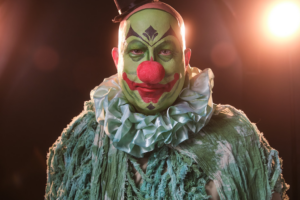
Few Halloween makeup looks are as instantly recognizable and dramatic as the creepy clown. This look is perfectly blended, chaotic fun with eerie horror, making it a go-to for parties, events, or any Halloween celebration. The exaggerated features – oversized smile, arched brows and colorful accents – grab attention instantly, while the smudged or distressed details add a cinematic, haunting quality.
2. Haunted Dolls Like Annebelle
This design gives you the porcelain-perfect aesthetic of a doll while adding cracks or fine lines that create an unsettling effect. It’s ideal for parties, photoshoots, or any Halloween event where you want to stand out.
3. Vampire Makeup
The Vampire Look is one of the most iconic and enduring choices for Halloween, inspired by centuries of folklore, gothic literature and cinematic horror. It’s more than just pale skin and fangs; it’s a visual story that combines elegance, danger and mystery, making it an instantly recognizable transformation.

4. Undead Zombie Effect
Zombies have fascinated audiences for decades, appearing in folklore, films and pop culture as the undead that walk among us. Their decayed appearance, hollow eyes and eerie movements tap into our fears of death and the unknown, which is why a zombie-inspired Halloween look is so compelling.
5. Sinister Skeleton Style
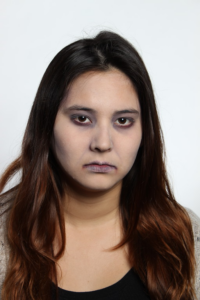
This look is instantly recognizable and deeply tied to the imagery of Halloween. Its dramatic black-and-white contrast emphasizes hollow eyes, pronounced cheekbones and skeletal features that give a haunting, otherworldly appearance. This style balances simplicity with intensity – it can be subtle and eerie or bold and theatrical.
6. Wicked Witch Halloween Makeup
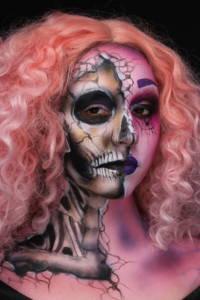
This makeup transforms the face into a mysterious and enchanting witch with bold green tones as the centerpiece. The vivid green skin immediately conveys a magical, otherworldly presence, while deep shadows and sharp contours create a strikingly sculpted effect. Smoky eyes and dark lips add intensity, giving the appearance of a character both powerful and slightly sinister.
7. Possessed Spirit Look
This Halloween makeup look embodies a chilling, supernatural transformation that feels both eerie and mesmerizing. Its defining feature is the sense of something unnatural beneath the skin – pale, almost translucent tones, dark, shadowed eyes and subtle discoloration suggest a spirit taking control.
8. Burned Demon Face
The Burned Demon Face has a striking, hellish appearance that immediately commands attention. The skin looks scorched and cracked, with dark reds, oranges and deep charred blacks blending to create the illusion of fire-ravaged flesh. Jagged lines and uneven textures give a raw, chaotic feel, as if the face has been through intense heat and supernatural torment.
9. Cursed Scarecrow
This look channels a creepy, rustic charm that’s both familiar and unsettling. People are drawn to it because it combines Halloween’s harvest imagery with a touch of dark magic. The stitched or cracked face, hollow eyes and weathered tones suggest a haunted, animated presence, giving the wearer a story without words.
10. Monster Creation
This style can include distorted features, unusual colors, veins, scars, or exaggerated shapes, giving the face a truly otherworldly appearance. Monster makeup is popular because it lets people express their creativity fully, designing a completely original creature.

How to Do Halloween Makeup?
Creating Halloween makeup is about bringing imagination to life while balancing creativity, skill and preparation. Even if you’re not a professional artist, there are ways to make your look stand out and feel cinematic. The key is to approach it like a mini transformation project, focusing on three main elements: concept, technique and finishing touches.
- Start with a Clear Concept: Before picking up any brushes or face paints, decide what you want to achieve. Are you going for spooky, creepy, glamorous, or fantastical? Research references from movies, folklore, or your own imagination to understand the features, color schemes and mood of the character. A strong concept will guide your color choices, shapes and special effects.
- Prep Your Canvas: Skincare is crucial. Cleanse and moisturize your face to ensure a smooth base for makeup. Applying a primer or setting base helps face paints and prosthetics adhere better and last longer through parties or events.
- Focus on Key Features: Halloween makeup often emphasizes eyes, lips and contouring. Dramatic shadows, exaggerated lines and bold colors create depth and intensity. For special effects looks, like scars, burns, or skeletal features, consider layering textures using latex, gel, or cream-based products.
- Play with Colors and Textures: Bold colors and different textures can make your Halloween look stand out. Bright greens, reds, or metallic shades create striking effects, while small details like veins, cracks, or blush add depth and realism.
- Add the Finishing Touches: Details bring your character to life. Fake blood, glitter, colored contact lenses, or false eyelashes can make you look more dramatic and eye-catching. Use a setting spray to keep everything in place for hours.
- Keep Practicing: Halloween makeup improves with practice. Experiment with different effects, take photos to see how it looks and refine your techniques. Even simple designs look amazing when you pay attention to blending, symmetry and small details.
Take a 5-Day SFX Makeup Bootcamp Course at Cinema Makeup School
If you’re inspired by these Halloween looks and want to learn professional special effects makeup techniques, our 5-Day Bootcamp at Cinema Makeup School is the perfect place to start. In just a few days, you’ll get hands-on training in creating a variety of SFX makeup looks, from creepy clowns and haunted dolls to zombies, vampires and original monster creations.
This intensive course is designed for beginners and aspiring makeup artists who want to master the basics and advanced techniques in a short time. You’ll learn how to use prosthetics, latex, blood effects, face paints and more to bring cinematic and terrifying Halloween looks to life.
By the end of the bootcamp, you’ll have the skills and confidence to create stunning, professional-quality SFX makeup for Halloween, photoshoots, parties, or even a budding career in the industry. Whether your goal is to wow friends with your Halloween transformations or start your journey as a special effects artist, this bootcamp is a fast-track way to turn your ideas into reality.
Related Articles –
How to Make Horns for Cosplay With Special Effects Makeup?
How Special Effects Makeup Transformed Horror Movies?
How to Make Vampire Fangs With SFX Makeup?
Take a tour of our special effects makeup school and bring your Halloween makeup skills to life!
Let’s be honest – putting a price on your creativity can feel tricky. You’ve spent hours perfecting fake wounds, sculpting prosthetics and transforming faces into creatures straight out of a movie, but when it’s time to charge, you get confused.
What if your rates are too high or too low?
Every special effects makeup artist faces this stage. Setting makeup artist prices isn’t just about choosing a random number; it’s about understanding your worth, the effort behind each transformation and what the market is willing to pay.
In this blog, we break down the key factors that influence SFX makeup artist prices, compare hourly and complete project rates, share strategies to justify your rates to clients and provide guidance on when and how to increase your pricing to grow your career confidently.
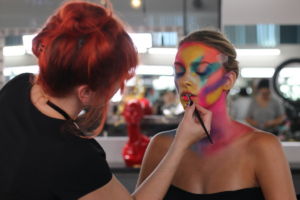
Understanding the Value of SFX Makeup Work
Special effects makeup isn’t your average beauty makeup gig – it involves advanced techniques, hours of prep work, prosthetic applications, sculpting and specialized materials that come with higher costs and greater expertise.
That’s why your makeup artist rates must account for:
- The complexity of the look (prosthetics, molds, or simple paintwork)
- The materials used (latex, silicone, foam, adhesives)
- The time required (design, prep, application and cleanup)
- Your experience and reputation
- The type of client (film studio, theater production, photoshoot, or private commission)
Clients aren’t just paying for a few hours of work; they’re paying for your creativity, technical knowledge and the ability to bring characters to life.
Factors That Influence SFX Makeup Artist Prices
Before you put a number on your work, it’s important to understand what shapes your value as an SFX makeup artist. Your pricing isn’t just about the time spent applying prosthetics – it reflects your creativity, training and professional standards. Here are the key factors to consider:
A. Experience and Skill Level
The more experience and technical mastery you have, the more your special effects makeup services are worth. SFX MUA, who’ve trained in advanced techniques such as prosthetics, digital FX, creature design, or airbrushing, naturally command higher rates. Clients are paying not only for your time but also for your expertise – the precision, safety and artistry that come from years of practice and education.
B. Location
Special effects makeup artist rates can vary by city and region.
- Los Angeles or New York City: SFX makeup artist rates tend to be higher due to the strong entertainment industry presence and higher cost of living.
- Smaller Cities or Regional Areas: Rates may be lower, but you might face less competition, which can help you build a loyal client base faster.
Understanding your local market helps you set realistic rates that align with industry expectations while remaining competitive.
C. Project Type
Not all makeup artist jobs are created equal. A quick zombie look for a Halloween photoshoot will be priced very differently from a full-body creature transformation for a film or music video. The complexity, duration and artistic demand of each project should directly impact makeup artist prices. Always clarify the project’s requirements before quoting – including prep time, on-set work and potential touch-ups.
D. Material Costs
Special effects makeup relies heavily on high-quality materials and they’re rarely cheap. Silicone, latex, prosthetic adhesives, pigments, fake blood and sealants all add up fast. Some artists charge a separate materials fee, while others include it in their total rate. Either way, transparency with your clients ensures they understand what they’re paying for and builds trust in your professionalism.
E. Time Investment
Every transformation requires time beyond just the application. Design sketches, color tests, setup and cleanup all take effort and that effort should be compensated. For example, if a prosthetic makeup requires six hours of work and two more for cleanup and design, your rate should reflect that total investment. Charging fairly for your time ensures your work remains sustainable and respected.
Hourly vs. Complete SFX Makeup Artist Prices
| Model | When to Use | Pros | Cons |
| Hourly Rate | Smaller jobs, short-term gigs, or projects with uncertain scope | Transparent for clients; ensures you get paid for every hour | Hard to predict final cost; not ideal for complex or unpredictable looks |
| Complete Project Price | Well-defined, larger creative projects or repeatable services | Gives flexibility in process; predictable pricing for clients | Must accurately estimate time, effort and materials to avoid undercharging |
| Hybrid Approach | Mix of both hourly and flat, depending on project complexity | Combines benefits of hourly and flat rates; adaptable to different project types | Requires experience in estimating time and project scope accurately |
How to Justify Your Prices to Clients?
Setting your rates as a special effects makeup artist is only half the battle. The other half is justifying your prices to clients in a way that communicates your value while maintaining professionalism. Many aspiring SFX artists struggle to explain why their prices might be higher than expected, but with the right approach, you can confidently secure fair compensation.
- Highlight Your Expertise and Training: Clients pay for skill, not just time. If you’ve trained in advanced SFX techniques, prosthetic applications, or digital FX, make sure to emphasize this. Explaining your credentials, such as completing courses at a professional institution, shows clients that your work reflects professional standards, justifying higher makeup artist prices.
Note: Students who have graduated from our special effects makeup school, i.e., Cinema Makeup School, are proud to showcase the expertise they gained from our professional instructors. You can become the next SFX artist to confidently command top-tier makeup artist rates, impress clients with your skills and create industry-standard special effects that stand out in film, TV and events.

Visit our YouTube channel to see how our graduates showcase their creativity and the professional skills they developed at Cinema Makeup School.
- Compare With Industry Standards: Referencing average makeup artist rates in your area helps clients contextualize your pricing. For example, if your local rates for a standard SFX session range from $200–$400 and your rate is $350, you’re within the industry standard. This positions your prices as fair and reasonable.
- Emphasize Quality and Reliability: Clients want consistent results without surprises. Highlight your attention to detail, ability to meet deadlines and adherence to hygiene standards. Showing clients the quality and professionalism of your work, instead of offering a cheap alternative, helps explain why your rates are fair.
- Communicate Confidence and Professionalism: The way you present your pricing matters as much as the number itself. Confidently stating the rates, supported by a detailed explanation of SFX makeup services, materials and outcomes, reassures clients that they are investing in quality results.
Related Blogs:
How Much Do Special Effects Makeup Artists Make? A 2025 Insight
SFX Makeup School Costs: What to Expect and How to Afford It’
Career Options for Special Effects Makeup Artists
When and How to Raise Your Rates?
As your skills and experience grow, every makeup artist should increase their prices. Positive client feedback, repeat bookings and the ability to consistently deliver high-quality results are strong indicators that your expertise warrants higher compensation.
Rate increases work best when done gradually rather than in large jumps. Small, incremental adjustments allow clients to adapt comfortably while maintaining trust. Communicating clearly and professionally about the change is key.
Explaining the reasons – such as advanced training, investment in premium tools, or improved materials- helps clients see the value behind your rates.
By highlighting the enhanced quality of your service, clients understand that the rate reflects not just your time but also your skill, effort and professionalism.
If you’re ready to get certified and boost your earning potential as a special effects makeup artist, visit our campus in Los Angeles.
If you aspire to land special FX makeup jobs, your portfolio will be your most powerful marketing tool. Whether a director, makeup department head, or casting agent glances at your work, your portfolio must speak volumes.
In this guide, you’ll learn how to build a special effects makeup artist portfolio that not only showcases your skills but also convinces clients to hire you.
Why Does Your Portfolio Matters as an SFX Makeup Artist?
A strong SFX makeup portfolio is essential because it visually proves your skills and sets you apart from others. It builds trust with clients by showing your professionalism and reliability, while also improving your visibility online. Without it, you miss out on key opportunities in this competitive industry.
1. Your Portfolio Is Your Resume
In creative industries like SFX makeup, no one hires based on a traditional CV alone. Employers and clients don’t want to read about what you can do – they want to see it. Your portfolio is your proof of skill, your visual resume and your first impression all rolled into one.
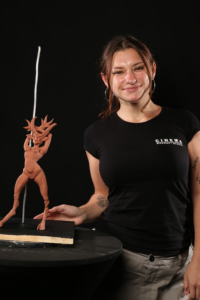
2. It Shows What You’re Capable of
Unlike general beauty makeup, special effects makeup often involves prosthetics, wound simulation, creature design, aging effects and more. These are highly technical, visual crafts – and the only way to show you can handle them is through strong, high-quality images.
3. It’s How You Stand Out in a Crowded Field
There is a range of SFX makeup artists out there. A polished MUA portfolio gives you the competitive edge, especially when applying for entry-level or freelance special fx makeup jobs. Many lesser-known artists land gigs not because of who they know – but because of what their portfolio shows.
4. It Builds Trust and Credibility
When directors, production houses, or creative teams view your work, they’re asking:
“Can I trust this person to pull this off under pressure?” A well-organized makeup artist portfolio demonstrates not just talent, but professionalism, consistency and experience – which builds confidence in hiring you as a special effects makeup artist.
5. It Helps You Get Found Online
A makeup artist portfolio with proper optimization can help you show up in searches like “SFX makeup artist near me” or “character makeup artist for film.” Without a visible, optimized portfolio, you’re essentially invisible to potential clients who are actively looking for artists like you.
How to Build a Perfect SFX Makeup Artist Portfolio?
Building a perfect SFX makeup artist portfolio takes more than just showcasing your best work; it’s about telling your unique story and connecting with the right clients. From defining your artistic focus and creating high-quality, organized work to crafting a compelling bio and staying engaged after publishing, each step plays a crucial role in helping you stand out and get hired.
Follow this guide to build a portfolio that truly represents your skills and passion in special effects makeup.
Step 1: Define Your Focus and Artistic Vision
1) Identify Your Specialty: Are you drawn to horror gore, sci-fi creatures, realistic aging, or prosthetic transformations? While variety is great, your portfolio should emphasize the kind of work you want to be hired for. Specialists often get chosen over generalists in competitive hiring situations.
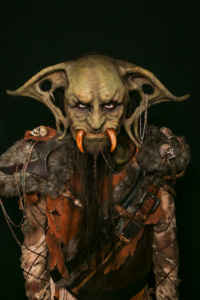
2) Know Your Target Client: Who do you want to work with – indie filmmakers, commercial producers, theater companies, or theme park designers? Understanding your ideal client helps you tailor your portfolio to speak their language visually and creatively.
3) Develop a Consistent Brand Style: Your portfolio should reflect a clear and consistent style that feels true to you. Think about the overall look – the colors you use, the tone of your images and how everything is laid out. Maybe you’re naturally drawn to gritty realism, stylized fantasy, or vintage horror.
Whatever your style is, keep it consistent. That visual flow helps your work feel more polished and makes it easier for potential clients to quickly understand who you are as an artist.
Step 2: Build a Strong Collection of High-Quality Work
A stunning portfolio starts with stunning work. If you’re early in your career, that means building your library of looks and skills.
- Plan Creative Collaborations: Partner with photographers, models, stylists, or costume designers. You can work on a TFP (time-for-prints) basis, where everyone contributes in exchange for content. This is a great way to produce professional-grade images without spending much. Also, don’t forget to get model and photographer releases so you can legally showcase the work.
- Practice & Document Everything: To create a professional portfolio, it’s important to organize your work clearly from the start. Make folders with clear names like “Prosthetic Application,” “Aging Techniques,” or “Wound Simulation” to keep your images and videos organized.
Capture clear before-and-after photos, record time-lapse or process videos and take close-up shots that show textures and edges. These extras prove your skills beyond the final look and give hiring managers a chance to see how you work behind the scenes. - Prioritize Quality Over Quantity: It’s always better to showcase a few strong pieces than to overload your portfolio with everything you’ve ever done. Focus on your best work – the looks that truly show your skill, technique and creative thinking. Avoid adding repetitive or unfinished pieces just to fill space.
Step 3: Craft Your Story, Showcase Credibility and Make Perfect CTA
Your “About” section is where clients get to know the person behind the art, so keep it clear, concise and engaging. Share where you’re based, your training background and why you specialize in SFX makeup. Mention any influences or renowned makeup artists who inspire you to add depth.
Then, build trust by adding testimonials or reviews. Even feedback from student films or small projects can highlight your professionalism, creativity and work ethic. This social proof reassures potential clients that you’re reliable and skilled.
Finally, make it effortless for people to contact you. Include your email, phone number, social media links and a booking or inquiry form. If you work locally or travel, mention your location. Don’t forget a strong call-to-action, such as “Let’s create something unforgettable together.”
Step 4: Stay Active After Publishing Your Portfolio:
Publishing the MUA portfolio is just the beginning. If you stay inactive for too long, potential hirers might assume you’re no longer interested in special effects makeup jobs or that you’re not serious about your craft. Keep updating your portfolio regularly, share behind-the-scenes content on social media and engage with industry communities.
Staying active shows dedication, keeps your skills fresh in people’s minds and increases your chances of getting noticed and hired.
Get Professional SFX Makeup Training to Elevate Your Portfolio
Building an impressive SFX makeup artist portfolio starts with strong training and skill development. If you’re serious about breaking into the industry and want professional guidance, Cinema Makeup School is one of the top special effects makeup schools to consider. We offer hands-on courses in special effects makeup.
Here, you will learn from industry professionals and get practical experience working on projects that mirror real-world special FX jobs. This training gives you the confidence and the quality work needed to showcase in your portfolio, impress clients and land gigs.
Additionally, many graduates of our school have gone on to work on well-known films and TV shows, adding credibility to their training background when included in their bio.
How to Handle Feedback and Improve Your Portfolio?
Receiving feedback can sometimes feel tough, but it’s one of the best ways to grow as an SFX makeup artist. Whether it comes from peers, mentors, or clients, listen openly to constructive criticism and use it to refine your skills and portfolio presentation. Don’t take it personally – instead, view feedback as a valuable tool to identify areas for improvement and push your work to the next level.
Showing your willingness to learn and evolve can impress potential clients and set you apart in a competitive industry.
Book a tour of Cinema Makeup School to level up your special effects makeup skills today.
If you’re passionate about special effects makeup and aim to build a thriving career in this field, one major decision awaits you early on: should you become a freelancer or work within a studio?
Both career paths in SFX makeup come with their own rewards, challenges and lifestyles. Freelance makeup artists enjoy flexibility and creative freedom, while studio professionals often benefit from job stability and collaborative environments.
But which one is right for you?
In this guide, we’ll explore everything you need to know about choosing the right Special effects makeup artist career path – freelance or studio – including job roles, income potential, key skills and growth opportunities, so you can make a confident decision about your future in the industry.
What Does Working as an SFX Makeup Artist in Studios Involve?
Working as an SFX makeup artist in a studio environment means being part of a larger production team responsible for bringing characters, creatures and visual effects to life on screen or stage. Studio roles are highly structured and collaborative, with clear expectations, defined workflows and creative goals that align with the overall vision of the project.
Here’s what this path typically involves:
1. Collaborative Creative Process: In studios, SFX makeup artists work closely with directors, producers, costume designers and other departments to ensure that every makeup design supports the story and aligns with the production’s aesthetic.
This collaboration often starts during the pre-production phase, where artists help develop character concepts and test different looks before filming begins.
2. Prosthetic Design and Application: A major part of studio work involves designing, sculpting and applying prosthetics – from subtle aging effects to elaborate creature transformations. You may work with a team of sculptors, mold makers and painters to produce realistic results that hold up under high-definition cameras and demanding shooting conditions.
3. Consistency and Continuity: Maintaining makeup consistency across multiple shooting days is crucial in studio work. Makeup artists carefully document each look with notes and photos to ensure continuity, especially for characters with complex prosthetics or injuries that evolve in the story.
4. Working to Tight Schedules: Film and television productions run on strict timelines. As working in a studio, artists must complete complex applications within limited time windows, often starting work hours before filming begins. Efficiency and precision are essential skills in this environment.
5. Use of Specialized Tools and Materials: Studios provide access to advanced materials, equipment and lab facilities that freelancers might not have.
See how our students use professional tools and materials to create characters –
6. Following Health and Safety Standards: On large sets, hygiene and safety protocols are strictly enforced. Artists are responsible for maintaining a clean workspace, sanitizing tools and ensuring that prosthetics and materials are safe and comfortable for performers.
7. Career Growth and Specialization: Working in a studio often means starting as an assistant or junior makeup artist and advancing into roles like lead SFX artist, department head, or designer over time. It’s also an excellent environment to specialize in niche skills – such as creature effects, gore makeup, or hybrid practical-digital FX work.
What Does Working as a Freelance SFX Makeup Artist Involve?
Working as a freelance special effects makeup artist means operating independently and offering your skills to a variety of clients and projects on a contract or project basis. Instead of being tied to a single studio or employer, freelancers build their own career paths by seeking opportunities across film, television, theater, events, cosplay, photoshoots and more.
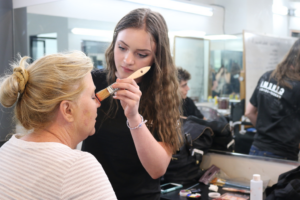
This path allows artists to shape their careers around their interests and strengths while building a strong personal brand.
Here’s what the role typically involves:
- Working on a Wide Range of Projects: Freelance SFX makeup artists often collaborate with independent filmmakers, theater groups, event organizers, photographers and private clients. The types of projects can vary widely – from designing creature prosthetics for a short film to creating realistic wounds for a photoshoot or character makeup for a cosplay commission.
- Managing Your Own Schedule and Workload: As a freelancer, you are responsible for planning your own calendar. This includes scheduling projects, setting deadlines and balancing multiple assignments. Flexibility is one of the biggest advantages of freelancing, but it also requires strong time-management skills to keep projects on track.
- Running a Business: Freelancers are essentially small business owners. Beyond makeup artistry, they handle tasks like pricing services, drafting contracts, issuing invoices, filing taxes and keeping track of expenses. Understanding the business side of the profession is essential for long-term success.
- Marketing and Building a Personal Brand: Attracting clients is a key part of freelance work. Freelance makeup artists need to actively promote their skills through online portfolios, social media, networking events and industry connections. Building a strong reputation and showcasing high-quality work helps secure repeat clients and referrals.
- Client Communication and Negotiation: Freelancers interact directly with clients to discuss project requirements, budgets, timelines and creative expectations. Strong communication skills are essential for understanding a client’s vision and delivering results that meet or exceed expectations.
- Continuous Learning and Adapting: Because freelancers work on diverse projects, staying up to date with new materials, techniques and trends is vital. This adaptability keeps their work fresh and competitive in a fast-evolving industry.
Freelance vs. Studio Work: Choosing the Right Special Effects Makeup Artist Career Path
| Feature | Freelance SFX Makeup Artist | Studio SFX Makeup Artist |
| Creative Control | High – choose your projects and style | Moderate – follow team or director’s vision |
| Income Stability | Variable – depends on projects | Stable – regular paycheck |
| Benefits | Rare – must manage your own | Often provided by the employer |
| Work Schedule | Flexible – set your own hours | Fixed – follows studio schedule |
| Networking | Essential – build your client base | Built-in – studio environment |
| Learning Opportunities | Broad – self-driven | Structured – mentorship and team collaboration |
| Career Growth | Based on reputation and portfolio | Structured promotions and roles |
| Project Variety | High – work across many niches | Moderate – depends on studio projects |
What About Hybrid Careers?
It’s worth noting that many successful SFX makeup artists blend both paths. They might work full-time in a studio while taking on freelance projects during breaks, or they might freelance early in their careers and later transition to a studio role.
This combined approach offers the best of both: the stability of studio work and the creative freedom of freelance projects. It’s also a smart way to expand your network and diversify your portfolio.
More Helpful Blogs –
Character Makeup Skills You Need to Start a Career in SFX
SFX Makeup School Costs: What to Expect and How to Afford It
Advanced SFX Makeup Techniques Every Artist Should Master
Tips to Become a Successful Special Effects Makeup Artist in Both Career Paths
Becoming a successful SFX makeup artist requires a combination of creative skill, professional training and industry knowledge. Build a strong portfolio, invest in hands-on training and network with industry professionals. Stay current with trends and technologies and understand the business side of your career. These steps are essential for thriving in both freelance and studio paths.
1. Build a Strong Portfolio
Your portfolio is your calling card. Include high-quality images of your best work – from prosthetics to character transformations. Keep it updated and tailored to the jobs you want.
2. Invest in Professional Training
Building a strong foundation through formal training can give you a major advantage in the competitive SFX makeup industry. Learning advanced techniques like prosthetics, mold-making, digital FX and on-set workflows helps you stand out to employers and clients alike.
At Cinema Makeup School, students receive hands-on, industry-level training designed to prepare them for real-world projects and successful careers.

See what our students say about us!
3. Master Networking
Join industry events, connect with professionals on social media and collaborate with filmmakers and photographers. Strong relationships often lead to repeat clients or job offers.
4. Stay Updated With Industry Trends
New materials, techniques and technologies are constantly evolving. Continuous learning keeps you competitive.
5. Understand the Business Side
Success in SFX makeup requires more than just skill; understanding pricing, contracts, marketing and client communication is essential for building a sustainable career.
Take a tour of our campus in Los Angeles and explore our professional special effects makeup courses.
Halloween isn’t just a spooky season – it’s showtime for special effects makeup artists. As ghosts, zombies, witches and monsters rise from the dead on screens and streets alike, the demand for jaw-dropping transformations skyrockets. And here’s the best part: people want to pay pros like you to help them stand out.
But talent alone won’t get you noticed. Even if your prosthetics are flawless and your fake blood looks freshly spilled, your work won’t bring clients unless people actually see it. That’s where smart, strategic marketing for makeup artists comes in. Let’s explore the key ways you can showcase your skills, attract more clients and turn this Halloween season into a showcase of your artistry.
Why Halloween Is the Best Time to Market SFX Makeup Services?
Halloween is widely regarded as the busiest and most lucrative time of year for special effects makeup artists. Unlike other seasonal events, Halloween is centered entirely on transformation and character creation, making SFX skills not just desirable but essential.

Understanding the factors that drive this seasonal surge in demand is key to building an effective marketing strategy.
1. Halloween Prioritizes Transformation and Character Building
During Halloween, the central focus for most people is to step into a completely different identity – from terrifying monsters and fantasy creatures to iconic horror figures and memorable movie characters. This goes beyond everyday makeup artistry. Achieving realistic wounds, prosthetic enhancements, or creature features requires the specialized techniques that SFX makeup artists provide.
Because transformation is the main objective of Halloween looks, clients actively seek professionals with these advanced skills rather than relying solely on basic costume makeup.
2. Growth of Halloween Events and Commercial Opportunities
Halloween has evolved far beyond a single night of celebration. Today, it’s a month-long season that includes themed events, haunted attractions, live shows, parties, brand promotions and digital content campaigns. Many of these activities depend on convincing character makeup to enhance the experience or presentation.
The scale of this growth directly contributes to a spike in demand for SFX artists, as both individuals and organizations require their expertise to deliver visually impactful results.
3. Influence of Social Media and Digital Trends
The rise of social media platforms has transformed Halloween into a visual competition. Individuals, influencers and brands aim to create striking, shareable looks that stand out online. As a result, many clients prefer to invest in professional SFX makeup to achieve complex, high-quality appearances that photograph and record well.
This digital-driven motivation has significantly expanded the client base for SFX artists during the Halloween season.
4. Increasing Consumer Willingness to Invest in Quality
Halloween has become one of the most commercially significant holidays of the year, with billions spent annually on costumes, events and entertainment. As consumer spending continues to rise, so does the expectation for quality and originality. Clients are more willing to pay higher rates for makeup artists who can deliver cinematic-level results – from detailed prosthetics and creature designs to realistic wounds and character effects.
Check out: How To Become a Makeup Artist for Films?
How to Be Confident for Halloween Events as an SFX Makeup Artist?
Confidence is one of the most powerful tools an SFX makeup artist can have – especially during Halloween, when creativity peaks and expectations run high. But true confidence doesn’t come from luck; it comes from mastery of your craft. When you have a deep understanding of materials, techniques and character design, you walk into any Halloween event ready to transform faces into creatures straight out of a movie.
Start by building a solid foundation in special effects makeup fundamentals – from prosthetics and bald caps to blood effects and character creation. The more you practice these skills, the more naturally they’ll come to you when the pressure is on. Knowledge also helps you problem-solve on the spot, whether it’s blending a tricky prosthetic or adapting a look to suit a client’s vision.
This is where professional SFX makeup training & courses make all the difference. At Cinema Makeup School, you’ll gain hands-on experience under industry experts who teach the same techniques used in film, television and live events.

By the time Halloween season arrives, you won’t just be hoping to impress; you’ll know you’re ready. And that kind of confidence is exactly what clients look for when choosing an SFX makeup artist.
Check out our behind-the-scenes videos and tutorials on YouTube to see how our students bring stunning SFX characters to life.
How to Market Makeup Artist Services for Halloween?
As Halloween approaches, competition among SFX artists increases significantly. To stand out and attract clients, it’s essential to understand not just the creative side of the job but also the business side – specifically, how to advertise a makeup artist strategically.
Whether you are working independently or building a professional brand, effective advertising for makeup and targeted marketing efforts can make this season your most profitable time of the year.
Below are some makeup artist marketing ideas for success during Halloween:
1. Develop a Seasonal Marketing Plan
Strong marketing starts with a clear plan tailored to the Halloween season. This plan should outline your target audience, promotional activities and communication channels. Identify the types of clients you want to reach – such as individuals attending costume parties, production companies working on Halloween events, or brands launching themed campaigns.
Once you understand who you are marketing to, you can shape your messaging and offers accordingly. It’s also helpful to align your marketing calendar with seasonal behavior. Most clients begin searching for Halloween services 4–6 weeks before the event, so your makeup advertising campaigns should start early in September.
Early promotion ensures your brand appears in search results and social feeds when people begin planning their looks.
2. Strengthen Your Online Presence
Building a professional online presence is essential for establishing credibility and helping potential clients understand the quality and scope of your work. This is about showcasing your expertise rather than actively promoting your services.
Start by maintaining an up-to-date portfolio of your Halloween and SFX projects, including clear photos or videos that highlight your techniques and transformations, as a well-documented portfolio demonstrates your skills to clients evaluating your services.
Ensure your social media profiles or professional accounts clearly communicate who you are, your experience and the types of SFX makeup you specialize in, using concise bios, professional profile images and links to your work.
3. Use Social Media as a Makeup Advertising Tool
Once your online presence is established, social media can be used strategically to actively advertise your services, attract bookings and expand your reach during Halloween.
- Promotional Posts: Share before-and-after transformations, special Halloween packages, or seasonal discounts. Highlight the services you offer and encourage bookings.
- Educational or Engaging Content: Share tutorials, behind the scenes clips, or short process videos. These posts not only educate your audience but also showcase your skills to potential clients.
- Campaigns & Hashtags: Run a countdown series like “13 Days of Halloween Looks” and use relevant hashtags (#SFXMakeup, #HalloweenMakeup, #SpecialEffectsMakeup) to increase visibility.
- Collaborations: Partner with influencers, costume shops, or event organizers for cross-promotions. Tagging and sharing each other’s work expands your audience and promotes your services directly.
4. Offer Seasonal Promotions and Packages
Seasonal offers are one of the most effective makeup artist marketing ideas for Halloween. Limited-time discounts or themed service bundles create urgency and encourage clients to book sooner.
Some promotional ideas include:
- Early Booking Discounts: Offer reduced rates for clients who book before a specific date.
- Themed Service Bundles: Combine multiple makeup services, like face painting, prosthetics, or special effects, into one package for a complete Halloween look.
- Event Collaborations: Partner with local venues, haunted houses, or Halloween events to offer on-site services.
5. Explore Local Advertising Opportunities
While online promotion is crucial, offline methods still play an important role in advertising your services as a makeup artist, especially around Halloween when local demand spikes. Practical local marketing approaches include placing visually appealing flyers and posters in costume shops, theaters, cafes and universities to reach potential clients in your area.
You can also offer short live pop-up demonstrations at Halloween fairs or local markets to showcase your skills and attract new clients. Collaborating with costume rental stores or event planners creates mutually beneficial partnerships, where they can refer clients to you and you can promote their services in return.
Additionally, listing your business on Google My Business is an essential step, as it boosts your visibility in local search results and helps nearby clients find and contact you quickly. For instance, people often search using phrases like “special effects makeup artist near me” or include a specific location, such as “special effects makeup artist in Los Angeles,” making a properly optimized listing highly valuable for attracting local clients.
6. Collect and Showcase Client Reviews
Client feedback is a powerful form of advertising for makeup artist services. Positive reviews not only build credibility but also influence potential clients’ decisions when choosing an artist.
After each Halloween project, ask clients to leave reviews on platforms like Google, Instagram, or your website. You can also encourage them to share their transformation photos and tag you on social media. User-generated content acts as authentic promotion and extends the reach of your services to their networks.
7. Collaborate with Brands and Businesses
Another effective strategy in marketing for makeup artists is building partnerships with other businesses. During Halloween, brands often launch themed campaigns, photoshoots, or promotional events that require SFX makeup expertise.
Consider reaching out to:
- Costume retailers for collaborative events or package deals.
- Photographers and videographers, offering Halloween sessions.
- Event organizers planning haunted attractions or stage productions.
These collaborations expand your exposure, provide steady project opportunities and associate your name with established businesses – all of which strengthen your brand presence.
8. Track Results and Refine Your Approach
Marketing doesn’t end once your campaigns are live. Analyzing the results helps you understand what strategies worked best and how you can improve future campaigns.
Monitor metrics like website traffic, social media engagement, inquiries and booking numbers. Identify which platforms or promotions brought the most clients and focus more on those areas next year.
Related Blogs –
SFX Makeup School Costs: What to Expect and How to Afford It
How Much Do Special Effects Makeup Artists Make?
Career Options for Special Effects Makeup Artists
If you’re just starting your journey as a special effects makeup artist or looking to upgrade your skills, take a tour of our SFX Makeup School located in Los Angeles, USA.
In the field of special effects makeup, creativity has no limits, allowing artists to bring everything from realistic wounds and burns to fantastical creatures and horror monsters to life. While skill and imagination drive these transformations, one essential aspect often receives insufficient attention: ensuring the safety of both the artist and the client through proper hygiene.
Maintaining proper hygiene keeps your clients safe from infections and skin reactions, while also protecting your own health and ensuring a lasting, professional career as an SFX makeup artist.
In this blog, we’ll explore why hygiene matters in special effects makeup, practical tips for maintaining cleanliness, tools to use and how professional practices set you apart as an artist.
Why Is Hygiene Important in SFX Makeup?
SFX makeup often involves applying products directly to skin, sometimes on sensitive or damaged areas. Think prosthetics glued over skin, fake blood, latex appliances, or silicone scars. If hygiene is neglected, it can lead to:
- Bacterial infections: Dirty brushes and palettes can harbor bacteria that transfer to the skin, causing rashes, acne, or more severe infections.
- Cross-contamination: Sharing tools between clients without sanitizing them increases the risk of spreading germs.
- Allergic reactions: Unsanitized products can react with oils or dirt, potentially causing allergies.
- Professional setbacks: In film and theater, a reputation for poor hygiene can result in lost job opportunities.
Hygiene in the cosmetics and SFX industry is not just about cleanliness; it is a legal and ethical obligation. Maintaining a clean workspace demonstrates responsibility and professionalism.
Special Effects Makeup Artist Hygiene Tips
Good hygiene is the foundation of safe and professional SFX makeup. It covers keeping your tools clean, wearing protective gear, maintaining personal cleanliness, handling chemical-based products safely and keeping your workspace organized. Following these practices protects clients, prevents contamination and helps you build a trusted reputation as a skilled SFX makeup artist.
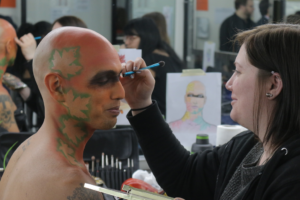
1. Sanitize Your Makeup Tools Regularly
Proper sanitation of your makeup tools is the backbone of good hygiene in SFX makeup. Brushes, sponges, palettes and applicators should be cleaned consistently to prevent the spread of bacteria.
Brushes should be washed after each use with a reliable makeup brush cleanser, using warm water and mild soap or alcohol-based solutions; avoid soaking them too long, as this can damage the bristles.
Sponges and applicators should be cleaned after every client and left to air-dry in a clean area, with regular replacement to minimize bacterial buildup.
Likewise, palettes and containers must be sanitized using alcohol wipes or disinfectant sprays, as even powders and pigments can harbor germs if exposed to moisture or oils. Regularly following these steps ensures that your tools remain safe for both you and your clients.
2. Wear Protective Gear
- Makeup artist apron: When working on your SFX makeup project, an apron is essential to protect your clothing from stains, chemicals and accidental spills. It also acts as a barrier between your body and messy prosthetic adhesives or paints, keeping you clean and professional throughout your work.
- Gloves and masks: Especially when applying latex, silicone, or products containing alcohol or other chemicals, gloves reduce skin contact, while masks protect from inhaling fine powders or sprays.
- Hair and clothing management: Keep hair tied back and avoid wearing jewelry that can accidentally contaminate products. Remember, what not to wear as a makeup artist includes dangling accessories or clothing that easily collects dust.

3. Maintain Personal Hygiene
Personal hygiene for makeup artists is essential in SFX work, as it directly impacts both client safety and your professional reputation. Simple practices such as washing your hands before and after each client interaction, keeping nails short and clean and using hand sanitizer when soap and water aren’t available go a long way in preventing the spread of bacteria.
Wearing clean uniforms or aprons for every session also helps maintain a professional appearance. Clients notice when an artist maintains proper hygiene and this builds trust, confidence and a positive reputation for your skills.
4. Safe Handling of SFX Makeup Products
Special effects makeup often involves chemicals and adhesives that require careful handling to ensure safety. Always read product labels and follow the manufacturer’s instructions before use. Store your products in cool, dry places to prevent degradation and avoid mixing chemicals unless explicitly specified by the manufacturer.
Properly disposing of expired or contaminated products is also essential to maintain a safe working environment. Following these practices not only prevents accidents but also ensures that the quality and consistency of your makeup work remain at a professional level.
5. Sanitizing Your Work Environment
Hygiene extends beyond tools and personal habits. Your workspace should be clean and organized.
- Wipe down surfaces with disinfectants regularly
- Use clean towels and disposable sheets when working with clients
- Keep trash bins covered and dispose of waste daily
- Minimize clutter to reduce dust and contamination risks
A clean, organized station improves workflow efficiency and minimizes potential health hazards.
Why You Should Take a Professional SFX Makeup Course?
Special effects makeup is a complex craft that requires more than just creativity; it demands technical skills, proper hygiene and a deep understanding of materials and safety procedures. Attempting to learn on your own or through informal methods can lead to costly mistakes, safety hazards, or poor results that could damage your reputation and credibility.
Taking a professional course is one of the best ways to build a safe, successful and long-lasting career. At Cinema Makeup School, you receive hands-on training from experienced instructors who guide you through every step – from prosthetic application and working with chemical-based products to proper sanitation and client safety.
How Hygiene Impacts Career Growth in SFX Makeup?
In special effects makeup, hygiene is crucial because the work involves chemical-based products, adhesives and prosthetics applied directly to the skin. Neglecting hygiene can cause infections, allergic reactions, or skin irritation for clients and may lead to lost job opportunities.
Following proper sanitation practices builds client trust, ensures compliance with hygiene standards on film and theater sets and protects the artist’s own health. Maintaining cleanliness demonstrates professionalism and discipline, positioning you for long-term success and recognition in the SFX makeup industry.
If you are ready to learn professional tactics for doing perfect makeup with proper hygiene and safety, take a tour of our special effects makeup school and choose a track that fits your requirements.
Watch tutorials, behind-the-scenes tips and expert SFX makeup techniques on our YouTube channel!
Related Articles –
How Much Do Special Effects Makeup Artists Make? A 2025 Insight
Cosmetology School vs. SFX Makeup School: Which Path Is Right for Your Makeup Career?
Career Options for Special Effects Makeup Artists
Frequently Asked Questions (FAQs)
Q 1. How do makeup artists clean brushes between clients?
Makeup artists clean brushes between clients by using an alcohol-based solution. They gently swirl the brush in the cleanser, wipe off excess on a clean towel and allow it to dry. This prevents the spread of bacteria and ensures that each client receives a safe, hygienic makeup application.
Q 2. What should be included in a makeup artist’s hygiene kit?
A makeup artist’s hygiene kit typically includes hand sanitizer, alcohol wipes, disposable applicators, brush cleanser, clean towels, gloves and a mask. Having these essentials on hand helps artists maintain proper hygiene, sanitize tools quickly and work safely across multiple clients.