Prosthetic masks transform storytelling in film, television and live performances. From mythical creatures to aged characters and grotesque monsters, prosthetics allow MUAs to stretch the limits of imagination and bring fantastical visions to life.
If you’re an aspiring SFX makeup artist, understanding the craft of prosthetic mask creation and application is essential. This guide will introduce you to the core materials, techniques, & career pathways and how training at a professional school can set you apart in the industry.
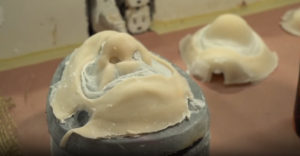
What Are Prosthetic Masks?
This is a specially designed facial appliance that changes the appearance of the wearer. It’s not just a costume piece; it’s a sculpted, hand-crafted extension of the actor’s face that integrates seamlessly with their expressions. These masks are used to create anything from realistic injuries to full-on creature features.
They come in various types:
- Foam latex prosthetic masks – Lightweight and breathable, ideal for extended wear.
- Silicone prosthetic masks – Known for their realistic texture and flexibility, often used for close-up shots. 3rd Degree Silicone is a favored choice for creating silicone masks that offer both flexibility and a lifelike appearance.
- Worth Noting: Each type of prosthetic material has its own strengths and ideal use cases, depending on the project’s budget, visual requirements and actor comfort.

How to Make a Prosthetic Mask?
Creating a prosthetic mask is a detailed process that combines life casting, sculpting, mold making, casting, painting and blending. Each step requires artistic skill and technical knowledge to bring characters to life realistically.
Here’s a simplified breakdown:
- Life Casting – The process starts by taking a mold of the actor’s face using alginate and plaster bandages. This creates a base on which the prosthetic will be sculpted.
- Sculpting the Design – Artists use clay to model the mask directly on the life cast, building the character’s features step by step. This step requires a strong understanding of anatomy and character design.
- Mold Making – A two-or three-part mold is created from the sculpted design. This mold is then used to produce the finished prosthetic.
- Casting the Prosthetic – Depending on the desired effect, artists use materials like foam latex, silicone, etc., to cast the mask. Each material requires different curing processes and handling.
- Painting and Detailing – Once cured, the prosthetic is painted using specialized pigments that work with the material’s surface. Fine details like veins, freckles, or texture are added here.
- Application and Blending – The final prosthetic is adhered to the actor’s face using medical-grade adhesives. Seamless blending with makeup ensures a natural and believable look.
See how our experienced MUAs create prosthetics:
General Query Answered:
How Do Facial Prosthetic Masks Help Individuals with Facial Differences Regain Confidence?
Prosthetic face masks can significantly enhance the emotional well-being of individuals with facial differences by restoring a sense of normalcy and helping them feel more confident in public and social settings. These prosthetics are carefully designed to match skin tone, texture and facial symmetry, allowing wearers to feel more comfortable in their appearance.
Beyond aesthetics, they can play a crucial role in improving mental health, reducing social anxiety and supporting a more positive self-image, especially after trauma, surgery, or congenital conditions.
How to Apply a Prosthetic Mask?
The application of a prosthetic mask is a step-by-step process that starts with skin preparation and adhesive selection. Edges are carefully blended to disappear into the skin, followed by precise color matching. Final effects like grime or sweat complete the transformation, making the prosthetic look lifelike.
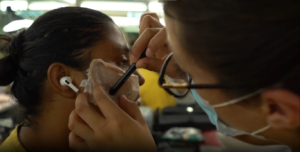
- Surface Prep: Clean and prep the skin with a barrier spray or toner.
- Adhesive Application: Use pros-aide, medical adhesive, or silicone-based glues depending on the material.
- Edge Blending: Thin edges are carefully blended with the skin using solvents like acetone (for foam latex) or isopropyl myristate (for silicone).
- Color Matching: The prosthetic is painted to match the actor’s skin tone and lighting conditions on set.
- Final Details: Blood, sweat, dirt, or environmental effects are added to complete the look.
Well! Just reading the process won’t magically create prosthetic masks – Hands-on training is crucial to mastering these skills, especially since materials react differently under studio lights and on different skin types.
And the most important question that arises here is: who provides the best SFX makeup course?
For countless successful SFX makeup artists, the journey started at Cinema Makeup School – a proud part of Cinema Art College Corporation.
What Makes Cinema Makeup School Unique in the SFX Makeup Industry?
Becoming a skilled prosthetic makeup artist isn’t something you learn from YouTube alone. It requires guided instruction, feedback and real-world experience.
Students at Cinema Makeup School gain more than just technical knowledge, they immerse themselves in an industry-level environment.
Take a look at what our students get access to:
- Mentorship from industry veterans
- Access to professional-grade labs and tools
- Opportunities to work on live sets and studio projects
- Career guidance for breaking into film and TV
- Support through financial aid options
This kind of immersive experience is what truly prepares aspiring artists for competitive work in Hollywood and beyond.
Pro Advice: Practice With Self-Sculpts
Before taking on big projects, practice by sculpting prosthetics for your own face. You’ll learn a ton about facial anatomy, symmetry and what works in terms of comfort and fit. Additionally, it makes for great content on your portfolio or social media to show your range and creativity.
Related SFX Makeup Guides:
How 3D Printed Prosthetics Are Revolutionizing Movie Makeup?
How to Create Realistic Wounds and Scars with Prosthetics?
How to Create Creature Design Using Latex, Silicone & Prosthetics?
Prosthetic masks are a powerful tool in special effects makeup, offering limitless possibilities to transform actors into incredible characters. From lifelike injuries to fantastical creatures, mastering the process of creating and applying these masks is essential for any aspiring SFX makeup artist.
With dedication, practice and the right training, you can unlock your full potential and make your mark in film and TV. The skills you develop in prosthetic mask-making will open doors to exciting opportunities, allowing you to bring imagination to life on screen.
There’s nothing quite like the impact of fake blood in special effects makeup. Whether you’re crafting a brutal zombie bite, a slashed throat, or a dripping vampire mouth, fake blood is often the final touch that brings your look to life-or-death.
But for SFX makeup artists, it’s not just about throwing red goo around. There’s real technique, science and strategy behind choosing the right kind of blood for the job.
Let’s talk about what goes into fake blood and why professionals take it so seriously.
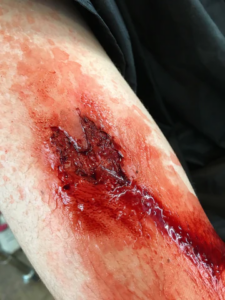
What Is Fake Blood Made Of?
Fake blood may look simple, but creating realistic effects takes a smart mix of ingredients. Whether you’re working on a film set or a DIY costume, most recipes rely on everyday kitchen staples to get the right color, thickness, and texture.
While at-home blends use things like corn syrup and food dye, professional products often add extras like glycerin or preservatives, or silicone pigments for better performance under lights and long wear.
Here’s what typically goes into fake blood, and why.
- Corn syrup – for that thick, sticky texture
- Red food coloring – the base color
- Blue or green coloring – adds depth and realism
- Chocolate syrup or cocoa powder – darkens the tone for dried or clotted blood
- Dish soap – helps with washability, especially on skin and costumes
Learn more – https://en.wikipedia.org/wiki/Theatrical_blood
Why Fake Blood Matters in Special Effects Makeup?
When you’re working in film, theater, or even haunted attractions, blood isn’t just a prop; it’s a storytelling tool. The color, consistency, placement and even the way it drips can tell the audience what happened, how it happened and how fresh the wound is.
Think about it: a thick, dark clotted wound tells a completely different story than a fresh arterial spray.
That’s why professional MUAs don’t rely on one type of fake blood. They have an arsenal and they know when and where to use each one.
Check Out: How to Create Realistic Wounds and Scars with Prosthetics?
Different Types of Fake Blood (and When to Use Them)
Not all fake blood is created equal and that’s a good thing. Depending on the look you’re going for, the lighting setup, or the actor’s skin, choosing the right type of blood can make or break the realism of your scene.
Here’s a deeper look at the 10 most commonly used fake blood types in SFX makeup, along with when and why you’d use each one:
1. Standard Runny Blood
This is your classic fake blood – liquid, smooth-flowing and versatile. It’s ideal for realistic bleeding effects like nosebleeds, paper cuts, or small wounds. Since it moves naturally, it’s commonly used for dripping or oozing effects down the face or body. Perfect for when you want blood that behaves like it would in real life.
2. Thick Blood
Thicker than your standard blood, this type has a syrupy consistency that makes it stick to wounds and stay put. SFX makeup artists often use it for deep cuts, stab wounds, or torn flesh because it gives the illusion of congealed, freshly spilled blood. It’s especially effective for high-impact horror shots or when layering over prosthetics.
3. Scab Blood
This one is all about texture. Scab blood is formulated to dry with a cracked, crusty surface, just like a healing wound. It’s used when you need to show older injuries, infected skin, or trauma that’s not fresh. It also adheres well to latex and silicone prosthetics without running off during long shoots.
4. Drying Blood
For productions where actors need to wear blood for hours without smudging or transfer, drying blood is essential. It sets within minutes and stays in place even under heat or sweat. Often used for background characters, live events, or multi-take scenes where you can’t keep reapplying fresh blood.
5. Edible / Mouth-Safe Blood
Made from food-grade ingredients like corn syrup and food coloring, this type is designed for safe use in and around the mouth. It’s crucial for vampire bites, internal bleeding scenes, or any situation where actors might accidentally ingest it. Some versions are even flavored to make them less unpleasant during takes.
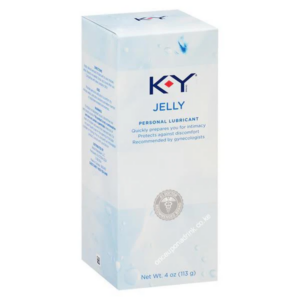
Important Info: Some artists even mix food coloring with clear lubricants like KY Jelly to create realistic effects such as thick blood, slime, or mucus – perfect for mouth-safe scenes and glossy textures.
6. Non-Staining Blood
If you’re working with delicate fabrics, light skin tones, or expensive costumes, this is your go-to. Non-staining fake blood is formulated with less pigmented dyes and often includes detergent-like ingredients to allow for easier cleanup. It’s a smart choice for short-term shoots or when blood contact is unavoidable.
7. Spray Blood
Spray blood comes in pump or aerosol bottles for quick, even application across large surfaces. It’s often used in crime scenes, battle scenes, or environments that require a splatter or mist effect. Great for background props, walls, or quick blood bursts without needing a brush or applicator.
8. UV Glow Fake Blood
This blood reacts to blacklight, making it glow in eerie shades, perfect for haunted houses, neon horror scenes, or theatrical performances that need an otherworldly touch. UV Glow Fake Blood adds a supernatural flair and is often used in stylized productions, escape rooms and immersive horror events where visibility in the dark matters.
9. Cream or Gel Blood
This thicker, non-drippy version of fake blood is easy to control and apply with precision. It’s used frequently in stage plays and Halloween makeup because it stays in place, doesn’t transfer easily and doesn’t create a mess. Best for creating defined wounds, bloody noses, or bloodstains that won’t run.
10. Custom-Mixed FX Blood
Experienced SFX artists frequently develop custom fake blood mixtures tailored to specific lighting conditions, camera filters, or prosthetic materials, ensuring the blood appears natural and blends smoothly on screen.
These custom blends allow full control over color tone, thickness and reflectivity, crucial for ultra-realistic results in high-definition film and television. It’s the difference between amateur and pro-level work.
Knowing which type to use and when is what separates a hobbyist from a professional SFX makeup artist.
Get insights on: How To Become a Makeup Artist for Films?
Quick Query: Is Fake Blood Edible?
Short answer: Usually, no but depends on the ingredients.
It also depends on the formula. Edible or mouth-safe blood is typically made with food-grade ingredients, such as corn syrup, food dye and cocoa. These are safe if it accidentally gets in the mouth or if the scene calls for blood spitting, biting, or drooling.
But be careful – not all fake blood is safe to consume. Many pro products are not designed for ingestion and may contain chemicals. Always check the label.
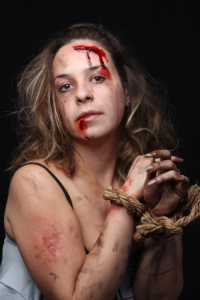
Real-World Training in Fake Blood Application
If you’re serious about mastering fake bloody effects, you need hands-on training from professionals. That’s where Cinema Makeup School (CMS), which is part of a broader educational institution known as Cinema Art College Corporation, shines.
At CMS, students don’t just learn how to make fake blood, they learn how to use it realistically, effectively and safely. Our SFX makeup course covers everything from trauma simulation and prosthetic blending to on-set etiquette and HD camera prep.
You’ll work with industry-grade materials and create projects that look like they walked straight off a movie set.
Apply today or book a tour at Cinema Makeup School and start your journey to becoming an professional makeup artist!
Do you know?
Cinema Makeup School is ideal for students from many countries, as demonstrated by the visit from MBC Academy Beauty School in Korea to explore our Special Makeup Effects programs.
Watch the video here to see why we’re the top choice for aspiring artists worldwide:
How Do You Remove Fake Blood from Skin?
Removing fake blood requires gentle, effective methods to avoid skin irritation. Products like micellar water, coconut oil, soap, and toothpaste help break down pigments, while barrier sprays make cleanup easier. Avoid harsh chemicals, hot water, or scrubbing too hard, as they can worsen stains or damage skin.
- Makeup Remover or Micellar Water – For sensitive areas like the face or neck, these products gently remove fake blood without causing irritation.
- Coconut Oil or Baby Oil – When dealing with stubborn blood formulas, oils work wonders by breaking down the pigments, making cleanup much easier.
- Soap and Warm Water – Classic yet effective. A bar soap tends to remove fake blood better than body wash, especially when paired with warm water.
- Prep with Barrier Spray or Lotion – Protect your skin before applying fake blood. Using a barrier product makes it far easier to wipe off afterward.
- Toothpaste – Surprisingly, toothpaste can act as a mild abrasive and a cleanser for fake blood. Apply a small amount to the stain, scrub in circular motions and rinse with warm water.
- Lemon Juice – The acidity in lemon juice helps break down pigments while also serving as a natural disinfectant. It’s an excellent option for removing fake blood from skin.
What NOT to Do:
- Avoid Harsh Chemicals – Stay away from products that contain strong chemicals or alcohol, as these can dry out or irritate your skin.
- Don’t Scrub Too Hard – Over-scrubbing can lead to skin irritation, redness, or even abrasions. Be gentle to avoid damage.
- Don’t Use Hot Water – Hot water can cause the fake blood to set deeper into the skin, making it harder to remove. Stick to lukewarm water for the best results.
Worth Reading: How 3D-Printed Prosthetics Are Revolutionizing Movie Makeup?
Frequently Asked Questions:
1. How Long Does it Take for Fake Blood to Dry?
The drying time for fake blood depends on its type. Runny or edible blood tends to stay wet, which is great for creating active drips or a fresh, bleeding look. Drying blood or scab blood typically sets within 5 to 15 minutes, depending on air flow.
Gel or thick blood, however, may stay tacky for a longer period. To speed up the drying process, professional artists often use fans or heat tools on set. Just be sure to check if the product you’re using can safely handle additional heat or airflow.
2. Does Fake Blood Stain Skin?
It depends on the formula. Fake blood that doesn’t stain skin is specifically designed with gentle ingredients and added detergents.
Pro Tip: Always apply a barrier spray or lotion before using fake blood to help prevent staining and ease cleanup.
Apply today or book a tour and start your journey to becoming an industry-leading prosthetic makeup artist!
Every season sparks a different kind of magic, from the chilling haunt of Halloween to the shimmering wonder of winter festivals.
For special effects makeup artists, these times of year are more than just holidays; they’re opportunities to transform imagination into reality. Through paint, prosthetics and pure creative vision, artists craft characters that capture the season’s spirit.
Creepy creatures, frosty witches, mischievous trolls – each character tells a story that audiences instantly connect with.
Let’s take a closer look at some of the stunning seasonal creations made possible through the power of special effects makeup.
Cinema Makeup School: Where Imagination Becomes Reality
Cinema Makeup School, a proud part of the Cinema Art College Corporation, empowers students to master the magic of transformation, not just learn makeup techniques.
Through our SFX Makeup Course, artists are trained to create creatures, monsters and characters that captivate audiences across film, TV, streaming and theater.
From sculpting and prosthetics to painting and full-body fabrication, students transform fantasy into breathtaking reality, with seasonal characters providing the perfect playground to showcase their skills.
Let’s explore how our talented artists bring unforgettable seasonal figures to life.
Check Out: How To Become a Makeup Artist for Films?
Inside the SFX Makeup Program
Cinema Makeup School’s special effects makeup curriculum combines hands-on learning, industry mentorship and professional tools.
Students train on everything from:
- Life casting
- Mold making
- Prosthetic sculpting
- Foam latex and silicone work
- Hair punching and wig making
- Airbrush mastery
- Creature design for HD and 4K cameras
This isn’t just classroom learning, it’s production-level work, preparing students for real-world Hollywood careers.
Now, let’s meet the incredible characters our students have created using these skills.
Get insights on: How to Create Realistic Wounds and Scars with Prosthetics?
Seasonal SFX Creations by Our Talented SFX Makeup Artists
1. Halloween: The Haunting Spectacle
Halloween is a time when the spooky and the supernatural come alive. Thanks to the expertise learned at Cinema Makeup School, our students have created everything from sinister clowns to terrifying spirits. With prosthetics and makeup that ooze eerie details, Halloween characters transform into creatures of legend, sparking both fear and fascination.
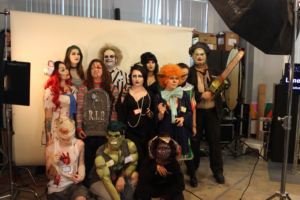
2. Autumn: The Mysterious Harvest Creatures
As the leaves turn and the air chills, autumn invites a unique blend of mystery and magic. Our artists bring to life enchanted forest dwellers, with makeup that merges earthy tones with otherworldly elements. From witches riding through the crisp air to creatures lurking beneath the harvest moon, these characters tap into the seasonal magic that autumn brings.
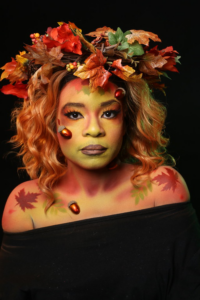
3. Winter: The Frostbitten Fantasies
Winter isn’t just cold; it’s magical. From frosty ice queens to snow-covered beings of myth, winter characters are created with delicate layers of makeup and prosthetics that embody the season’s serene beauty and its chilling allure. Our students bring these cold yet captivating figures to life, capturing the essence of winter in every brushstroke.
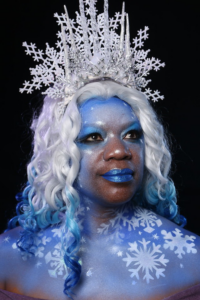
4. Christmas: The Merry Magic
Christmas is a celebration of warmth and joy and our SFX makeup artists bring the season’s characters to life with a touch of magic. From mischievous elves and regal Santa Clauses to magical reindeer and festive fairies, these holiday figures leap from the imagination into the real world, each one more vibrant than the last.
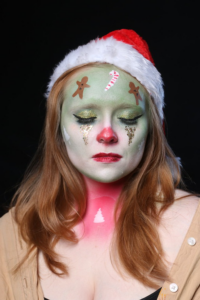
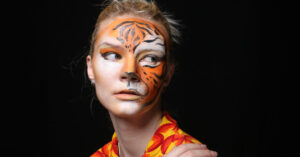
5. Themed Parties: The Mythical Menagerie
For themed parties, special effects makeup takes on a whole new level of creativity, turning ordinary animals into fantastical characters. From vibrant peacocks with feathered plumage that rivals the grandest of festivals to lions with glowing eyes that exude regal strength, the possibilities are endless.
Learn How to Create Creature Design Using Latex, Silicone & Prosthetics?
Other SFX Characters to Admire
-
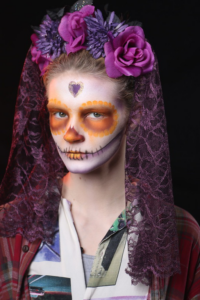
Gothic Vampire: The Dark Elegance
There’s a timeless allure to the gothic vampire, blending sensuality with danger. Our students have mastered the art of creating these nocturnal creatures, from their blood-red eyes to their pale, flawless skin. With intricate prosthetics and airbrush techniques, they craft vampires that are both hauntingly beautiful and terrifying in equal measure.
-
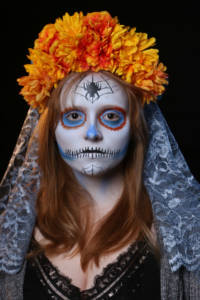
Spider Queen Calavera: The Creepy Majesty
A blend of gothic and gothic fantasy, the Spider Queen Calavera is an embodiment of both eerie elegance and fearsome power. With intricate designs inspired by both spider webs and skull motifs, our artists have brought this formidable queen to life, with dark, striking features and surreal elements that captivate the viewer. This character is not only a work of art but a triumph of creativity.
-
Cosplay Character
Cosplay characters are a standout in the realm of SFX makeup, turning fans into their favorite fictional characters. Whether for conventions, photoshoots, or live performances, cosplay allows individuals to fully embody the characters they admire. With the help of special effects makeup, cosplayers bring their characters to life with realistic prosthetics, airbrushing and body painting techniques.
Apply now to join our SFX Makeup Course!
People Also Ask:
1. How do special effects makeup artists create monsters?
Special effects makeup artists create monsters by first designing the creature and sculpting prosthetics, which are then molded and cast in materials like latex or silicone. These prosthetics are applied to the actor’s skin, blended seamlessly and painted with airbrushes and makeup to add realistic textures and details. For additional features like hair or teeth, artists may incorporate wigs or custom dental pieces.
You can watch a step-by-step tutorial on how monsters are created here.
2. How long does it take to learn special effects makeup?
Learning special effects makeup can vary in time depending on the program. For example, our comprehensive training ranges from short workshops to full-fledged SFX makeup courses lasting several months. Aspiring makeup artists often begin with foundational skills and work up to advanced techniques like creature design and prosthetics.
3. How do special effects makeup artists work with filmmakers?
Special effects makeup artists work alongside filmmakers to craft characters that bring the director’s vision to life. They provide custom makeup and prosthetics for each character, ensuring that the designs complement the storyline and visual aesthetics.
The artist also works within production schedules to ensure makeup is completed on time and suits the lighting and camera angles of the scene.
4. Can the SFX skills learned be applied to creating characters for other seasons and holidays?
Absolutely! While the blog focuses on autumn, winter and Christmas season creations, the techniques you learn are versatile and can be applied to characters for any time of year. No matter if you’re creating spooky monsters for Halloween or vibrant creatures for spring, the skills are adaptable to various themes.
Every makeup artist starts somewhere – maybe it was Halloween, cosplay, or an obsession with movie monsters. But for those of us who want more than just Instagram likes, those who want to become pro MUAs, one skill separates the average artist from the unforgettable: SFX makeup.
SFX makeup looks aren’t just cool, they’re challenging, creative and insanely powerful. They allow you to tell stories, create characters and bring wild imaginations to life. From blood and bruises to mythical beings and anime icons, the range is endless.
And if you’re dreaming of working in film, TV, theater, or conventions like Comic-Con and DragCon, mastering special effects makeup is non-negotiable.
Let’s go through a guide covering a range of must-know SFX makeup looks for MUA in training.
Must-Know SFX Makeup Looks for Building Your Pro MUA Portfolio
1. Monster Makeup Look: Your First Real Test
Creating monsters isn’t just a rite of passage; it’s a crash course in the fundamentals of SFX makeup. Working on monster looks helps you master prosthetics, latex application, 3D effects and the art of realistic gore.
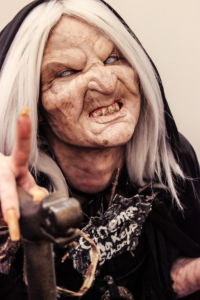
Why It Matters:
- Teaches texture, layering and balance
- A must-have for horror and sci-fi work
- Great practice for building out full-face prosthetics
Example Practice: Create a half-human, half-creature transformation using silicone or latex prosthetics, fake skin and paint. Think about why the transformation happened – was it caused by a mutation, magic, or something else? This will help guide your design choices and make your look more creative and unique.
Where You’ll Use It: Horror films, haunted attractions, music videos, indie film sets.
Watch Julia Melnik’s Journey at Monsterpalooza:
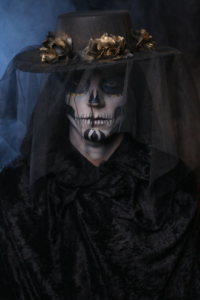
2. Halloween Makeup Looks: The Perfect Blend of Glam and Gore
Halloween looks bring a surge in demand for SFX makeup, providing the perfect opportunity to showcase your skills and creativity.
Why You Should Master Halloween Looks:
- Increased Demand: Clients are always on the lookout for makeup artists who can pull off both spooky effects and high-impact style.
- Versatility in Design: Halloween looks allow you to experiment with combining beauty and horror, offering endless possibilities for creating both glamorous and eerie effects.
- Boost Your Portfolio: Halloween looks are perfect additions to your portfolio, showcasing your creativity and skill. These unique, high-impact designs help attract future clients and expand your professional opportunities.
What You’ll Learn:
- Mixing Beauty with Blood: Learn how to balance glamour with gore, creating looks that are both stunning and chilling. Learn how to balance glamour with gore, creating looks that are both stunning and chilling.
- Creative Adaptability: Halloween brings a wide variety of client requests. You’ll learn how to adjust your skills to fit different Halloween themes, whether it’s spooky, whimsical, or horror-inspired.
Popular Halloween Styles to Try:
- Glam zombies
- Stitched-up dolls
- Vampires
- Witches
- Sugar skulls
Pro Tip: Mastering Halloween looks can lead to steady gig opportunities. Many people book makeup artists for private parties, events, or haunted houses, giving you a chance to expand your network and build a reputation in your local community. Word of mouth from a standout Halloween look can lead to year-round clients.
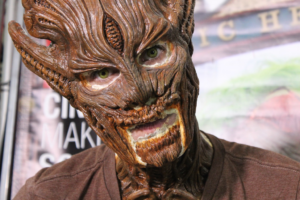
3. Anime Makeup Transformations: Mastering Detail and Design
Anime SFX makeup is booming, especially in cosplay circles. These looks require a steady hand and an eye for detail. From over-the-top eyes to dramatic scars and unique facial shapes, you’ll build precision, color mastery and creativity.
Why You Can’t Skip This:
- Guides you in enhancing features without disrupting facial balance
- Requires mastery of color correction and contouring
- Helps you prep for conventions like Anime Expo or fan meetups
Creative Task: Design an anime-inspired character using body paint, detailed shading and silicone elements to bring your vision to life.
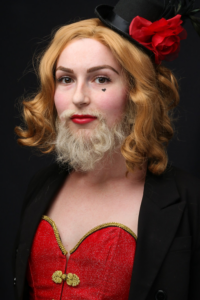
4. Circus Makeup Looks: Bold, Bizarre and Full of Character
Want to blend artistry with eccentricity? Circus-inspired looks offer endless creative possibilities, think evil clowns, tattooed ladies, fire-breathers and illusionists. These transformations are all about pushing the boundaries of design and performance, creating bold, striking looks that leave a lasting impression.
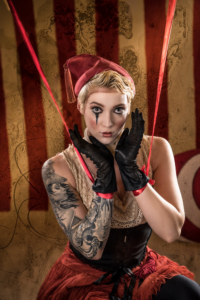
Skill Set Unlocked:
- Learn how to make features like big eyes, sharp cheekbones, or dramatic facial shapes – perfect for characters like clowns or acrobats.
- Find out how to combine prosthetics (like fake noses or scars) with body paint to create eye-catching looks, such as tattooed performers or unique circus characters.
- Circus looks often have fun, uneven shapes or exaggerated features, like a very wide smile or a twisted face, to make the character stand out.
- Learn how to make ordinary things look strange, like turning a performer’s body into something artistic, or making designs that trick the eye.
Try This: A cracked porcelain clown with tear-away skin, blacked-out teeth and creepy contact lenses.
5. Religious & Mythical Characters: Symbolism Meets Technique
Creating angels, demons, saints, or mythical gods pushes your storytelling and creative thinking. These makeup designs often feature elements like metallic finishes, feathers, light effects, or custom-made horns crafted by hand.

Key Skills to Master:
- Symbolic Detailing: Learn to use symbols and textures (like gold, stone, or glowing effects) to add deeper meaning to your characters.
- Advanced Textures: Master creating textures like cracked skin, molten gold, or glowing wounds for more dynamic and realistic looks.
- Prosthetics and Sculpting: Perfect the art of sculpting prosthetics, such as horns, wings, or intricate features to transform your character.
- Lighting and Special Effects: Integrate effects like LED lights or smoke to enhance the supernatural or divine feel of your design.
- Expressing Emotion: Use makeup to evoke emotions, whether it’s the serenity of a celestial being or the power of a mythical god.
6. Drag Makeup Looks: Where Drama and SFX Collide
Drag makeup is a form of self-expression that pushes the boundaries of beauty and creativity. When combined with SFX, drag makeup becomes a powerful tool for extreme transformations and show-stopping looks. These looks often go beyond traditional beauty makeup, incorporating elements like prosthetics, body paint and bold effects that turn a look into a true work of art.
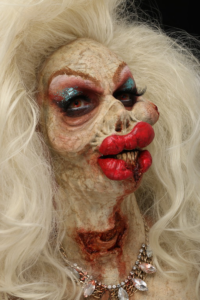
Iconic Drag Makeup Looks to Try:
- Glamorous Queen
- Alien/Space-Inspired
- Gothic Queen
- Fantasy Characters (Mermaids, Fairies, Gods)
- Clown Drag
- Tattooed Queen
- Futuristic/Robot Drag
Key Skills to Master:
- Gain hands-on experience applying prosthetics to craft bold features—like oversized lips, extra eyes, or horns – using materials such as latex, silicone, or foam.
- Master the art of full-body painting to transform the skin into a canvas – think metallic finishes, intricate patterns or vibrant tattoos.
- Perfect the use of bold contouring and strategic highlighting to sculpt and exaggerate features, adding depth and drama to the face.
- Develop skills in using makeup to sculpt the face and body, producing bold 3D effects that enhance drag character transformations.
- Learn how to seamlessly integrate SFX elements like glowing details, cybernetic enhancements and body modifications into your drag makeup looks.
7. Comic-Con Inspired Makeup Looks: Cosplay Goes Cinematic
Comic-Con makeup challenges you to transform models into lifelike characters using advanced SFX techniques. From superheroes and villains to fantasy warriors and sci-fi creatures, each look pushes your creativity and technical skills to the limit.
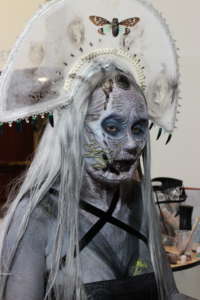
Pro Skillsets You’ll Build:
- Creating custom prosthetics tailored to characters like superheroes, villains and mythical creatures.
- Using scar wax and latex for comic-accurate wounds and facial structures
- Applying weathered effects like dirt, blood, burns, or cracked armor
- Creating long-wear looks suitable for full convention days
- Painting realistic skin textures like scales, fur, or alien patterns
- Integrating makeup smoothly with helmets, masks and other costume elements
- Matching colors and details to replicate animated, game, or movie characters
Watch KC Mussman’s “Clicker” for Comic-Con Makeup Inspiration –
8. Fantasy Makeup for WonderCon: Ethereal & Detailed
Fantasy makeup seen at conventions like WonderCon showcases the artistic side of SFX. From mystical elves and fairies to cosmic beings and magical royalty, these looks highlight creativity, imagination and fine detail. These looks incorporate sculpted prosthetics, layered paints and intricate details to craft one-of-a-kind characters.
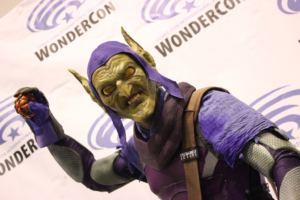
What Makes Fantasy Makeup Special:
- Designing original fantasy characters like elves, fairies or celestial beings
- Sculpting soft prosthetics such as ears, horns or delicate facial features
- Using color theory for dreamy, magical blends (think pastels, shimmer, glow)
- Applying detailed body paint to mimic skin textures, armor, or nature elements
- Layering accessories like face jewels, feathers, or floral accents
- Blending beauty makeup with SFX for graceful, otherworldly results
- Creating cohesive head-to-toe fantasy transformations for cosplay settings
Try This Look: Design a forest-inspired elf queen using hand-sculpted ears, iridescent body paint, natural elements like leaves or moss and face jewels for an enchanting finish.
Why Do These SFX Makeup Looks Matter for Your Career?
Experimenting with these SFX makeup looks is more than just an enjoyable challenge, it’s a strategic step in advancing your career as an SFX makeup artist. Each look introduces new techniques that will sharpen your skills in special effects makeup, from detailed prosthetics to creative storytelling.
As you develop your craft, mastering these diverse styles will set you apart in the industry. They offer valuable experience in everything from body painting and character design to cosplay artistry.
Start Your SFX Makeup Journey with Cinema Makeup School
If you’re ready to take your skills to the next level, consider joining Cinema Makeup School, which is part of the broader educational institution known as Cinema Art College Corporation.
Our comprehensive courses are designed to teach you everything from basic techniques to advanced special effects. You’ll learn from industry professionals and gain hands-on experience with the tools and materials used by top artists in film, television and live events.
Take the next step in your career and explore how you can create amazing SFX makeup looks that will help you stand out in the special effects makeup industry.
Recommended Reads:
How to Create Creature Design Using Latex, Silicone & Prosthetics?
How 3D Printed Prosthetics Are Revolutionizing Movie Makeup?
How Cinema Makeup School’s Bootcamps and Workshops Empower You to Master SFX Makeup?
Mastering these 8 special effects makeup looks will sharpen your skills and elevate your career as a makeup artist. Each look teaches unique techniques, helping you build a strong portfolio for opportunities in film, TV and conventions. Keep experimenting – your creative potential is limitless.
Ever wondered how those jaw-dropping creatures from your favorite sci-fi or horror films are brought to life? Well, it’s not magic; it’s the art of Special Effects Makeup, where masterful creature design meets hands-on technique using materials like latex, silicone and detailed prosthetics.
Behind every snarling beast, ancient alien, or mythical monster is a skilled SFX artist who knows how to fuse creativity with material science. Dreaming of designing creatures that look like they walked straight off a movie set?
Let’s pull back the curtain on creature creation and show you how it’s done.
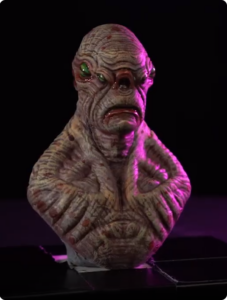
Crafting Creatures: Transforming Concepts into Reality
Creating a believable creature isn’t just about wild imagination, it’s about bringing it to life with physical and digital artistry.
In the makeup and film industry, creature design involves a fusion of sculpting, painting, prosthetics application and, increasingly, digital enhancement. And the secret weapons? Latex, silicone and prosthetics.
These materials offer the flexibility, texture and realism required to transform actors into otherworldly beings – whether for big-screen blockbusters, haunted attractions, or gaming promos.
But how exactly do you go from idea to full-blown beast?
Check Out: How to Create Realistic Wounds and Scars with Prosthetics?
How to Design a Creature Using Latex, Silicone & Prosthetics?
Step 1: Creature Concept & Design Sketch
Before you touch any material, you need a concept. Start with rough sketches of your creature. Think about:
- Backstory: Where does it live? What does it eat? What’s its purpose?
- Anatomy: Is it humanoid? Insect-like? Hybrid?
- Silhouette: Strong shapes help make creatures memorable.
This is your blueprint. Most makeup artists start digitally with tools like Photoshop or Procreate to refine ideas quickly.
Step 2: Sculpting the Creature Maquette
Once the concept is approved, it’s time to sculpt a creature maquette – a scale model that brings your 2D concept into 3D form.
Materials & Tools:
- Chavant NSP clay for sculpting
- Wire armature for structure
- Loop tools and rakes for shaping
This is where you build the form, define muscles and add textures like scales, skin folds, horns, etc.
Tips:
- Focus on dynamic poses
- Balance realism with creativity
- Studied animal anatomy for reference
Step 3: Mold Making & Casting
Now that the sculpture is complete, you’ll create a mold around it – this is how your final latex or silicone pieces will be shaped.
For Latex:
- Mold is made with plaster or stone
- Liquid latex is poured in, slushed and left to dry
- Ideal for flexible, lightweight masks or skin
For Silicone:
- Use platinum-cure silicone for realistic skin texture
- Requires precise mixing and professional-grade molds
- Results in durable, flesh-like prosthetics
Comparison Tip:
- Latex = lightweight, budget-friendly, great for big builds
- Silicone = hyper-realistic, skin-like and great for close-up shots
Step 4: Prosthetic Application
This is where the creature comes to life on the actor.
Steps:
- Clean and prep the actor’s skin
- Apply adhesives (like Pros-Aide or Telesis)
- Blending edges using alcohol or blending tools
- Paint using PAX paints, alcohol-based colors, or airbrush
- Add final textures, blood, dirt, or shine
Silicone prosthetics feel real and move with the actor’s expressions, while latex pieces are more suited for larger costume sections.
Step 5: Final Touches & Camera-Ready Finish
Once the prosthetic is applied:
- Improve your creation with hair punching, add detailed veining, or achieve a glossy finish using glycerin.
- Use contacts and dentures for realism
- Test under lights and camera to ensure everything reads well
Why Latex, Silicone and Prosthetics?
- Latex Creature Builds: Liquid latex is flexible, lightweight and ideal for creating skin textures, wounds, or adding layered detail to your character. It’s a go-to for fantasy creatures that require stretch and movement.
- Silicone-Based Creatures: Silicone offers a more skin-like, translucent finish. It’s heavier, more durable and perfect for creating realistic, fleshy appearances – think aliens or mutated humans with intricate facial structures.
- Prosthetics: These are the game-changers. Prosthetics help modify the actor’s appearance – elongate noses, change cheekbones, add horns or gills, while keeping the look believable on camera.
Together, these elements make creature characters not only visually powerful but also performance-ready.
Want to see the creature design process in action? Watch the full tutorial on YouTube –
Where to Learn the Art of Creature Design?
If this creative journey excites you, then professional training is your next step. Cinema Makeup School, which is part of the broader educational institution known as Cinema Art College Corporation, offers one of the most immersive and industry-relevant programs in Special Effects Makeup – Creature Concept Design Program.
This three-week intensive (120 clock hours) combines both digital and physical creature design, giving students a full-spectrum experience from concept art to sculpted maquettes.
Here’s a breakdown of the key learning outcomes from this program:
1. Digital FX Makeup
In this track, students learn how to design a creature concept that looks camera-ready. The program covers topics such as photo retouching, concept art development and using tools like Photoshop while working with a Wacom tablet to bring the ideas to life.
Skills and techniques covered:
- Working with a Wacom drawing tablet
- Photoshop portrait retouching
- Concept art development and quick turnaround concept creation
- Collaging layers and overlaying textures
- Image manipulation and recoloring
- Photo manipulation and more
2. Creature Maquette Sculpting
Bring your creature to life! This part of the program introduces clay sculpting and armature building, teaching you how to physically model your concept.
Core skills developed in this track include:
- Concept artistry and constructing an armature
- Working with Chavant NSP clay
- Sculpting anatomical details
- Adding creature features like scales, horns and other unique traits
- Stylizing hair, layering clothing and adding texture
- Building expressive, dynamic poses

3. ZBrush Digital Design
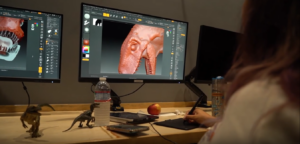
Take your physical sculpting into the digital space. With ZBrush, students learn to digitally sculpt detailed busts of characters, complete with accessories, hair and textured finishes.
Skills built in this track include:
- Digital sculpting using a Wacom tablet
- Mastering ZBrush tools and subtools
- Working with geometry and mesh control
- Polypainting techniques for adding color and detail
- Hair brushing and refining fine features
- Surface finishing for professional-grade digital models
Get Inspired with More Reads:
How Cinema Makeup School’s Bootcamps and Workshops Empower You to Master SFX Makeup?
How Hard Is It to Learn Airbrushing?
SFX vs Prosthetic Makeup: What is the Difference?
Sculpt the Unseen, Design the Unbelievable!
Creature design is where imagination meets precision – an exhilarating mix of storytelling, sculpting, digital artistry and prosthetic magic. If you’re dreaming up a terrifying alien or a mythical beast, understanding the materials and techniques behind latex, silicone and prosthetics is key to turning those visions into reality.
With the right training, tools and creative mindset, you can step into special effects makeup and begin crafting creatures that captivate, terrify and inspire. The journey from sketch to screen begins with one decision: to start.
When it comes to transforming an actor into a character of a different age, special effects makeup (SFX makeup) is the magic behind the scenes. Aging makeup isn’t just about adding wrinkles – it’s a meticulous process that brings old age to life.
Whether you’re working on a movie set, a TV show, or a theater production, understanding the essential SFX techniques for aging effects will give your characters a believable and realistic appearance.
In this blog, we’ll discuss these techniques, explain how they work and show you how to create stunning aging transformations.
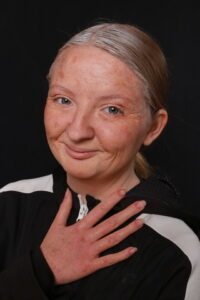
Aging Makeup: Must-Know Special Effects Techniques
1. Preparing the Canvas: Skin Care and Preparation
First, it’s important to start with a clean, moisturized base. Aging makeup often involves layering products on top of the skin, so it’s essential to hydrate and prep the skin. Apply a moisturizer to create a smooth surface for your makeup application. If the skin isn’t prepped correctly, the makeup may not adhere well, leading to an uneven finish.
Quick Tip: Use a primer designed for aging skin to create an ideal canvas. This ensures that the makeup lasts longer and stays fresh throughout the shoot.
2. The Power of Age Spots and Liver Spots
To take old age makeup to the next level, you can’t forget the power of age spots and liver spots. These give your character the authenticity of someone who’s lived a full life.
Use SFX makeup products like special effects pigments, face paints, or even powdered eyeshadows in darker shades to mimic the uneven pigmentation of age spots. Blend these carefully, focusing on the areas where aging spots most often appear, like the forehead, hands and cheeks.
Helpful Hint: Don’t overdo it. Adding a few small details in the right places can make your character look older, but it won’t look too fake or exaggerated.
3. Shading and Highlighting
Shading and highlighting are key to creating depth in aging makeup. As people age, their skin naturally loses volume and certain areas, like the cheeks, temples and under the eyes, sink in. To mimic this, you’ll need to use contouring techniques to create the illusion of hollowed-out areas. Use darker shades for shadowing and lighter shades for highlighting the high points of the face.
Insider Advice: Apply a lighter foundation or highlighter to the high points of the face to emphasize areas that still maintain prominence with age.
4. Eyes and Lips: The Telltale Signs of Age
Aging isn’t just about the skin. The eyes and lips tell a story, too. As we age, the skin around the eyes becomes looser and the lips lose volume. You can create this illusion with special effects makeup by lightly darkening the under-eye area to mimic shadows from drooping skin. Use a lip liner to enhance the natural shape of the lips and then apply lipstick in a more muted, less vibrant color to recreate the fading of lip color with age.
Expert Insight: Avoid making the lips too dark, as this can make the aging effect look overdone. A subtle color goes a long way.
5. Creating the Look of Thin, Frail Skin with Translucent Powders
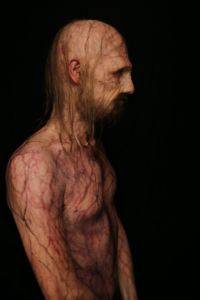
As we age, skin becomes thinner and veins become more visible. To create this effect, you can use translucent powders to set your makeup, giving it a lighter, more delicate finish. For even more realism, apply a light wash of blue or greenish makeup around the temples and under the eyes to mimic the appearance of veins showing through thinning skin.
Pro-Level Advice: Use a fine, translucent setting powder to lock your aging makeup in place without making the skin look cakey or unnatural.
6. Hair Color and Texture: Don’t Forget the Grays!
While makeup can create the illusion of old skin, you can’t forget about the hair. No matter if you’re working with a wig or applying temporary color to natural hair, graying or thinning hair can dramatically change a character’s appearance. Use a mixture of white, gray and silver hair color sprays to add that silver sheen. For thinning hair, use a texturizing powder or even a special effects hair product designed to create the illusion of balding or receding hairlines.
Must-Know Technique: Use a root touch-up spray for an easy way to mimic gray hair along the hairline or temples.
7. Using Silicone Prosthetics for Aging Effects in SFX Makeup
Silicone prosthetics are a game-changer when it comes to aging makeup in special effects (SFX). Unlike latex, silicone is more flexible and breathable, making it ideal for creating realistic aging effects that move naturally with the skin. From wrinkled brows, crow’s feet to sagging jowls, silicone prosthetics can give a truly lifelike appearance.
Creative Development Tip: Always remember to use prosthetic adhesive designed for silicone when applying these pieces and be sure to blend the edges seamlessly into the skin to avoid visible lines.
Creative Suggestion: How to Create Realistic Wounds and Scars with Prosthetics?
8. Finishing Touches: Setting the Aging Makeup
Once you’ve applied all your aging techniques, it’s crucial to lock everything in place. Since special effects makeup often involves multiple layers and products, using a setting spray specifically formulated for SFX makeup will help keep your look intact all day.
Pro Tip: Always set your makeup with a fine mist of setting spray to prevent cracking or fading throughout the day.
To enhance your aging makeup skills, check out our YouTube tutorial on SFX and prosthetics –
It’s a great way to explore advanced techniques that can elevate your aging effects.
Role of Aging Makeup in Different Genres: Horror, Fantasy and Drama
Aging makeup isn’t just about creating realistic portrayals of old age. It plays a crucial role in enhancing characters across different genres, adding depth and dimension to your storytelling. Here’s how old age makeup impacts various film genres:
Horror: Old-age makeup is used to transform characters into terrifying ancient creatures, monstrous elders, or other unsettling figures. In horror films, the aging effect can amplify a character’s sinister or eerie presence, making them more menacing.
- Example: Use exaggerated wrinkles, deep-set eyes and dramatic sagging skin to create a sense of fear or horror in a character.
Fantasy: In fantasy genres, aging can portray timeless characters like wizards, immortals, or ancient beings who have lived for centuries. The goal is to suggest wisdom and experience without transforming too harshly.
- Example: Apply subtle aging effects like crow’s feet, gray hair and gentle lines to portray the wisdom that comes with age in a fantastical setting.
Drama: In dramas, aging effects contribute to the realism of a character’s life journey. The subtle transformation showcases the passage of time and life experiences, making characters more relatable and believable.
- Example: Use natural aging techniques such as light wrinkles, slightly hollowed cheeks and subtle skin texture changes to convey the passage of time.
Pro Tip: Adjusting Aging Effects Based on Genre
- For Fantasy or Horror Films: Increase the intensity of aging features like deep wrinkles, exaggerated age spots and more noticeable sagging. This creates a more dramatic or supernatural appearance.
- For Dramas: Keep the aging effects subtle and natural. Focus on light shading around the eyes and cheeks to show age, but avoid exaggerating wrinkles or other signs of aging unless the character’s life has been particularly harsh.
Temporary Aging: How to Achieve Quick Aging Effects for Short Scenes?
If you need to create aging effects for a short scene or a fast transformation, here are some quick techniques:
- Use Latex or Silicone: Latex works well for fast, temporary wrinkles and sagging effects, but silicone is a better choice for more realistic and flexible results that last longer.
- Apply with a Brush: Use a brush to apply latex or silicone directly to the skin, layering it to create wrinkles, age spots and thinning skin.
- Add Texture for Realism: Layer the material to create more pronounced lines or skin changes, achieving a natural aging effect quickly for brief scenes.
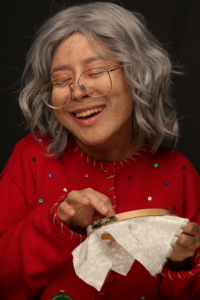
Transform Your Passion into Profession at Cinema Makeup School
Are you prepared to transform your SFX makeup skills and push your creativity further? At Cinema Makeup School, backed by Cinema Art College Corporation, you’ll learn from top industry professionals, gain hands-on experience and master the techniques that will set you apart in the SFX makeup industry.
Why Us?
- Expert instructors with real-world experience in top films and TV.
- Hands-on training with professional-grade tools and materials.
- Build an impressive portfolio showcasing your best work, giving you the edge in auditions and job opportunities.
- Financial assistance is available to help make your education more affordable.
So, what are you waiting for? Grab your brushes and tools, because you’re about to dive into the art of special effects makeup – where transformation happens, one detail at a time!
Apply Now or Book a Tour at Cinema Makeup School!
Related Articles –
How Cinema Makeup School’s Bootcamps and Workshops Empower You to Master SFX Makeup?
How to Avoid Common SFX Makeup Mistakes?
SFX vs Prosthetic Makeup: What is the Difference?
Incorporating special effects techniques to create aging makeup is a powerful way to bring realism and depth to your characters. Embrace the artistry of old age makeup and let your creativity shine through every detail!
When it comes to movie magic, special effects makeup has always been the secret weapon behind the most memorable characters on screen. From grotesque monsters to out-of-this-world aliens, SFX artists have relied on hands-on sculpting to bring the unimaginable to life. But here’s the thing: the game is changing.
Welcome to the era of 3D printed prosthetics!
Gone are the days when makeup artists had to spend hours meticulously sculpting prosthetic pieces by hand – though that’s still part of the artistry. Today, 3D printing technology is revolutionizing the way prosthetics are created, opening up new possibilities for speed, precision and creativity.
Let’s break down how this cutting-edge technology is transforming movie makeup and why it’s becoming a must-have tool for every special effects artist.
Check Out: How To Become a Makeup Artist for Films?
Evolution of Prosthetics: From Clay to Code
For years, special effects artists have relied on traditional sculpting techniques to create prosthetic pieces by hand. These hands-on methods, using clay, silicone, latex and foam – were the foundation of many iconic movie looks.
But as technology advanced, so did the tools used by SFX artists. Enter 3D modeling and 3D printing, which are reshaping the way prosthetics are designed, produced and applied on set.
What’s the secret sauce?
The combination of 3D sculpting software like ZBrush and the precision of 3D printers. ZBrush allows artists to sculpt their designs in a virtual environment, providing unparalleled detail and flexibility before a single physical piece is created.
Afterward, the design is sent to a 3D printer, which can accurately reproduce the prosthetic in high detail. The result? A more efficient, precise and versatile prosthetic creation process.
3D Sculpting in ZBrush: Real Power Behind the Prosthetics
It’s no surprise that ZBrush has become the go-to tool for SFX artists. This powerful 3D sculpting software allows artists to craft intricate details – whether it’s the folds of alien skin, the texture of a monster’s scales or the fine details on a character’s prosthetic face.
The beauty of ZBrush sculpting lies in its versatility. Artists can build their prosthetic designs from scratch, adjusting geometry, polypaint and even hair textures with incredible ease.
By using ZBrush for character sculpting, artists can create hyper realistic and fantastical designs that weren’t possible with traditional methods. Imagine sculpting intricate wrinkles, detailed veins and realistic textures, all at a digital level of precision.
That’s the magic of ZBrush sculpting and it’s exactly what makes 3D printed prosthetics so revolutionary in the movie makeup.
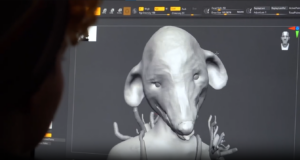
Also, read SFX vs Prosthetic Makeup: What is the Difference?
Why 3D Printed Prosthetics Are Changing Movie Makeup Forever?
So, how exactly are 3D printed prosthetics changing the industry? Let’s break it down:
1. Speed and Efficiency
In traditional prosthetic creation, sculpting, molding and casting can take days, sometimes even weeks, to perfect. With 3D printing, the entire process is streamlined.
Once the design is complete in 3D model design software, a prosthetic can be printed in a matter of hours, drastically reducing production time. This means more time for fine-tuning and getting the perfect look on set.
2. Unmatched Precision
One of the biggest advantages of 3D printed prosthetics is the level of detail they can capture. With 3D printing, every crease, texture and nuance in the design is reproduced with startling accuracy. This opens up endless possibilities for prosthetics that would have been impossible to achieve by hand.
3. Customization and Creativity
3D printing allows for complete customization. Want a prosthetic that fits a specific actor’s face? No problem. Need a set of prosthetic wings with intricate veins and textures? Done.
The flexibility of 3D printing means that prosthetics can be tailor-made for each project, allowing for more imaginative and complex designs. And since the design is digital, it can be modified quickly and easily.
4. Cost-Effective Production
While the initial investment in 3D printing technology may seem high, it’s ultimately a cost-effective solution for production studios. Its efficiency and speed save both time and money.
Additionally, 3D printers produce less waste than traditional methods, as the materials are used more efficiently and can be recycled.
See how artists work on 3D modeling software to create prosthetics:
Software Meets Sculpture: The Workflow of a Modern SFX Artist
The combination of ZBrush and 3D printing isn’t just about convenience, it’s about unlocking possibilities that were once out of reach.
- Digital Sculpting in ZBrush – This is where the magic begins. With ZBrush, artists create highly detailed digital models. They can sculpt in real-time, making modifications as they go and experiment with texture, expression & even color.
- 3D Model Design & Preparation for Printing – After the digital sculpture is complete, it’s time to prepare the file for printing. This step ensures the model is compatible with the 3D printer and that it will print in the correct proportions and dimensions. Artists can also break the model into separate pieces for easy assembly and painting once printed.
- 3D Printing & Final Touches – Now, the prosthetics are printed. The 3D printer creates each piece with amazing accuracy, capturing the smallest details. Once the prosthetic is printed, it’s cleaned, finished and painted, often with the same techniques used in traditional SFX makeup – bringing the digital design to life.
Learn How to Avoid Common SFX Makeup Mistakes?
Cinema Makeup School: Perfect Place for ZBrush Mastery
Step into the cutting-edge realm of special effects at Cinema Makeup School, a proud part of the Cinema Art College Corporation. We’re committed to shaping the next generation of SFX artists by blending traditional techniques with the latest digital innovations.
Our ZBrush Training Course doesn’t just teach you to use industry-standard tools, it empowers you to seamlessly integrate time-honored sculpting with the power of modern technology, ensuring you’re always ahead of the curve.

Embrace the future of movie makeup and let your creativity run wild. Enroll now!
FAQs
1. What Software Do Designers Use for 3D Modeling?
Designers use various software tools for 3D modeling, but the most popular and industry-standard software is ZBrush. ZBrush is widely used for its powerful digital sculpting tools, making it ideal for creating highly detailed models and intricate textures.
Other commonly used 3D modeling software includes Maya, Blender and 3ds Max, each offering unique features for different aspects of 3D design.
2. What If I Can’t Afford the Full Cost of the SFX Course?
We offer financial assistance to help make your education more affordable. Check out the details here!
3. What Makes ZBrush Different from Other 3D Modeling Software?
Unlike other 3D modeling software, ZBrush focuses on digital sculpting, offering a more intuitive approach for creating organic shapes and detailed textures. Its unique ability to handle millions of polygons lets artists create intricate designs that are perfect for special effects.
Special effects makeup (SFX) is a dynamic art that combines both creativity and technical skill.
If you’re passionate about transforming faces and bodies into stunning characters or creatures, Cinema Makeup School, part of the broader educational institution named Cinema Art College Corporation offers comprehensive learning paths; Workshops and boot camps.
These programs are designed to equip you with the essential skills and knowledge to excel in special effects makeup.
Let’s dive into how these two learning formats – Workshops and Bootcamps – can help you master the art of SFX makeup.
Workshops: Explore Specialized SFX Techniques
1. Airbrush Makeup Course
Airbrush makeup is a vital skill for creating flawless textures, seamless gradients and intricate designs in special effects makeup. In this workshop, students will learn how to apply a smooth, flawless complexion and use airbrush techniques to contour and reshape the body with precision.
Key Skills You’ll Develop:
- Single-action airbrush assembly and maintenance: Learn how to properly assemble and maintain your airbrush tools for long-lasting performance.
- Color theory: Understand how to mix colors to create realistic effects, gradients and textures.
- Airbrushed gradients and smooth complexions: Perfect the art of seamless application for flawless finishes.
- Contouring and detailing: Use airbrush techniques to sculpt and add depth to your designs.
- Stencils and masking: Experiment with stencils for intricate patterns and masking to define areas of focus.
- Animal patterning: Learn to create realistic animal textures, fur and skin patterns.
This 1-week course consists of 40 clock hours of hands-on training, giving you the expertise to apply airbrush makeup with precision and creativity.
Watch this video & see how professionals create flawless airbrush makeup.
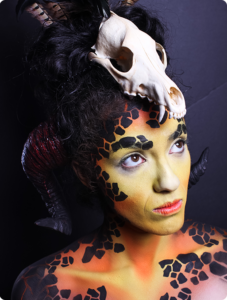
2. Photographic Hairstyling
Hairstyling is an essential element in special effects makeup, as it helps bring characters to life and complements your makeup work. In this workshop, you will learn a wide range of hairstyling techniques, from creating historical hairdos to avant-garde styles, tailored for photoshoots, films and character development.
Skills and Techniques You’ll Develop:
- Sanitation and Hair Care: Learn proper sanitation practices when working with hair, ensuring your tools and techniques are always hygienic.
- Blowouts & Volume Creation: Master blow-out techniques to add volume and texture, ensuring your hairstyles have the perfect body and movement.
- Curling & Braiding: Develop the skills to create flawless curls, intricate braids and textured hair for a range of looks, from soft waves to structured twists.
- Updos & Historical Styles: Learn to style elegant updos, victory rolls, bouffants and other historical hairdos, perfect for period characters or classic looks.
- Avant-Garde Styling: Explore creative techniques in avant-garde styling, enabling you to create bold and unique hair designs for fantasy or high-fashion characters.
- Adding Hair & Teasing: Master the art of adding extensions, teasing hair and working with different hair textures to create dramatic, voluminous, or sculpted looks.
By the end of this 1-week, 40-clock-hour workshop, you’ll be able to create a diverse range of hairstyles, from classic to contemporary and avant-garde, giving you the confidence to tackle any character creation or film project.
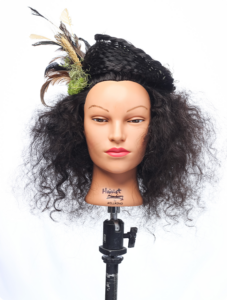
3. ZBrush Training Course
In this 1-week, 40-clock-hour workshop, you will learn the essential techniques for digital sculpting using ZBrush to create detailed 3D models, such as characters, creatures and props. You will apply your physical sculpting knowledge to the digital realm and master the following:
- Digital Sculpting with Wacom Tablet: Sculpt your character bust with dynamic expressions and intricate details.
- Using ZBrush Tools & Subtools: Learn to use ZBrush tools and subtools to add complexity to your designs.
- Geometry, Meshes & Polypaint: Master the essentials of digital geometry, meshes and applying polypaint to your models.
- Adding Digital Hair & Accessories: Create detailed hair, textures and accessories, like horns or other features, to enhance your designs.
- Preparing for 3D Printing or Prosthetics: Learn to optimize your digital sculptures for 3D printing or integration with practical prosthetic applications.
- Surface Finishing: Use advanced techniques for adding finishing touches to textures, giving your models a polished and realistic appearance.
Ready to level up your digital sculpting? Dive into this ZBrush guide and transform your skills. Watch now –
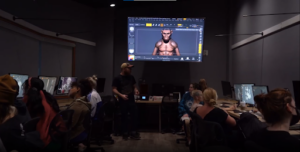
4. Creature Maquette Sculpting
The Creature Maquette Sculpting workshop focuses on creating detailed, miniature models of creatures, characters and monsters.
In this course, you’ll gain hands-on experience using professional sculpting tools and materials to bring your concept designs to life in 3D.
In this workshop, you will:
- Sculpt anatomy, textures and details like scales and horns.
- Learn how to construct a strong armature and work with Chavant NSP clay for sculpting.
- Develop creature features such as stylized hair, layered clothing and unique characteristics like claws or spikes.
- Use professional sculpting tools and techniques that will be applied in future courses.
- Bring your creature to life by posing it dynamically and adding expression.
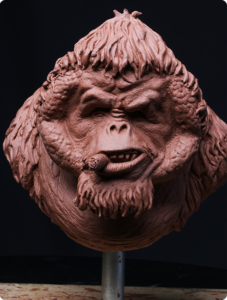
5. Creative Colors and Concepts
This 1-week, 35 clock-hour workshop focuses on the artistic side of special effects makeup, helping you develop creative concepts for characters and creatures.
In this workshop track, you will:
- Learn anatomy to create accurate character and creature designs.
- Understand color theory to mix and apply colors for both realistic and fantastical effects.
- Develop concept art to visualize your ideas and bring them to life.
- Focus on creature design, applying your knowledge to create unique, believable creatures.
- Master paint application techniques to enhance your designs with texture, depth and detail.
Check out the full guide on YouTube to master color theory and concept design –
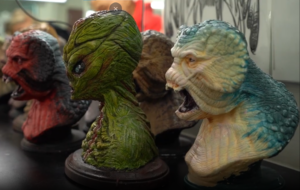
6. Digital FX
In the 1-week, 40-clock-hour Digital FX workshop, you’ll learn how to combine digital effects with practical makeup and prosthetics.
Throughout this workshop, you will:
- Master professional retouching techniques to elevate your images.
- Work with flawless photo manipulation tools to create high-quality digital effects.
- Develop concept art for creatures, focusing on a quick turnaround.
- Learn how to effectively collage layers, overlay textures and recolor images to seamlessly integrate with practical makeup effects.
- Use Photoshop for portrait retouching, image manipulation and digital design.
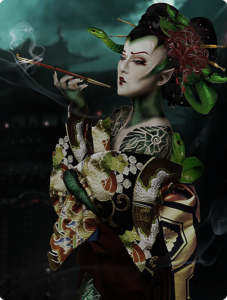
Bootcamps: Intensive, In-Depth Learning
For those looking for a more immersive, hands-on experience, our boot camps provide in-depth, professional training in core areas of special effects makeup.
These intensive programs are designed for students who want to specialize in key areas of SFX makeup, such as character design and prosthetics.
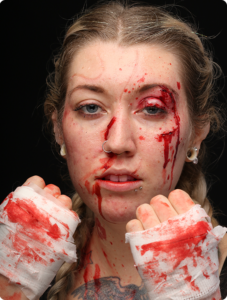
1. Character Makeup
The Character Makeup is an intensive, 1-week, 35-clock-hour program that focuses on transforming actors into characters using advanced makeup and prosthetics techniques.
Here’s what you’ll master:
- Creating realistic bruises, black eyes, cuts, scrapes, scars, burns, bullet holes, and exit wounds.
- Using Pros-Aide and tattoo transfers to achieve lifelike injury effects.
- Aging skin with alcohol paints, powder, and stretch-and-stipple latex techniques.
- Staining teeth and graying hair for believable aging transformations.
- Applying and blending gelatin, silicone, and foam latex prosthetics.
- Mastering bald cap application and blending for latex and vinyl caps.
- Styling and laying lace facial hair and beards by hand and with lace pieces.
- Following best practices for safety and handling of transfer materials.
- Building a portfolio that showcases your expertise in character transformations.
Want to see how incredible character makeup transforms a person into something totally new? Check out the full guide and witness the magic unfold –
2. Prosthetic Makeup
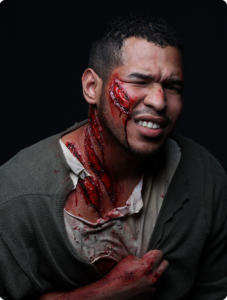
Prosthetic Makeup Course is a 1-week, 35-clock-hour program that provides hands-on experience in applying and painting prosthetics, covering essential techniques to set you apart in the SFX industry.
During the course, you’ll focus on:
- Applying Pros-Aide and tattoo transfers for realistic wounds and scars.
- Mastering the application and painting of gelatin prosthetics for injuries and skin effects.
- Applying and painting silicone prosthetics to achieve high realism in facial transformations.
- Gaining expertise in applying and blending small and large foam latex prosthetics.
- Developing advanced painting techniques to enhance the natural appearance of prosthetics.
- Following a daily hands-on plan covering safety, transfers, and application of various materials.
- Building a professional portfolio showcasing your prosthetic makeup skills.
Related Articles:
How Hard Is It to Learn Airbrushing?
How to Avoid Common SFX Makeup Mistakes?
What is the Difference Between Movie and Stage Makeup?
Why Our Workshops and Bootcamps Stand Out!
- Comprehensive Curriculum: Both boot camps and workshops cover all essential topics needed to become a skilled SFX makeup artist, from airbrush techniques to prosthetics and digital effects.
- Hands-on Training: Gain real-world experience by working on actual projects that will help you build a professional portfolio to showcase your talent.
- Expert Instruction: Learn from seasoned industry professionals with extensive experience in Hollywood and beyond, ensuring you’re getting the best education possible.
- Makeup Kit Included: Our courses include a comprehensive makeup kit, so you can start practicing and perfecting your skills from day one.
- Financing Options Available: Cinema Makeup School offers flexible financing options, making it easier for you to invest in your future as an SFX makeup artist.
With expert guidance and hands-on experience, both workshops and boot camps offer the perfect foundation to launch your career in SFX makeup.
Are you ready to advance your special effects makeup skills?
Whether you’re preparing for a film set, a Halloween costume or a theatrical production, knowing how to create prosthetic wounds and scars will elevate your makeup artistry to a whole new level.
In this guide, we’ll walk you through the process of creating realistic prosthetic wounds and scars, using techniques that range from fake skin makeup to detailed burn scar prosthetics.
By the end, you’ll have the skills and confidence to create stunning prosthetic designs!
What Are Prosthetic Wounds and Scars?
Before we dive into the guide to creating prosthetic scars and wounds, let’s clarify what they are. Prosthetic wounds and scars are 3D makeup effects designed to mimic the appearance of injuries, burns, cuts, or old scars.
These prosthetics are typically made from materials like latex, silicone, or foam and they allow makeup artists to create lifelike effects that look extremely realistic on the skin.
Materials You Will Need for Prosthetic Wounds and Scars
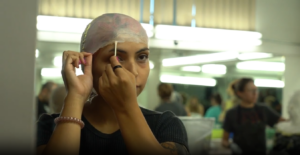
To create high-quality prosthetic wounds and scars, you’ll need a range of specialized materials. Here’s a list of essentials:
- Liquid Latex or Silicone: Ideal for building skin textures and layering for realism.
- Gelatin or 3D Transfer Material: Great for creating flexible and lifelike wounds.
- Fake Blood: Choose between coagulated blood, stage blood and fresh blood for different effects.
- Prosthetic Adhesive (Pros-Aide): Ensures your prosthetics stay in place.
- Alcohol-Activated Paints: Perfect for adding realistic skin tones and depth.
- Sealer and Powder: To mattify and set your prosthetics for long wear.
- Molding Tools and Brushes: For sculpting and blending fine details.
Pro Tip: Prosthetic makeup requires more than just materials – it’s about technique, creativity and the right tools! Check out this video for a full breakdown:
How to Make Prosthetic Wounds?
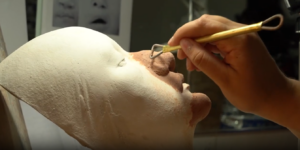
1. Sculpt and Mold the Wound Design
Begin by sculpting your desired wound shape using clay or modeling wax. Depending on the type of wound – cuts, burns, lacerations, or even stab wounds, you’ll want to adjust your sculpting techniques accordingly.
Use fine sculpting tools to create the intricate details that will make your wound come alive. Pay special attention to creating depth, jagged edges and irregularities in texture, as real wounds often have uneven and rough surfaces.
Tip: Reference real wounds for accuracy. Look at images of cuts, bruises and scabs to capture the natural texture and irregularities.
2. Create the Mold and Cast
Once your sculpture is complete, it’s time to create a mold. This mold will be used to form the prosthetic material. Depending on your material choice, use silicone or plaster to make a mold of the sculpted wound.
After the mold has set, you can cast the prosthetic using materials like gelatin, latex, or silicone. Choose the casting material based on the desired finish:
- Gelatin: Soft, flexible and perfect for body wounds that need movement.
- Latex: Traditional and affordable, good for flexible, durable prosthetics.
- Silicone: Offers the most realistic and durable look, especially for close-up shots.
Pro Tip: Use silicone for high-definition prosthetics, particularly for close-up shots where every detail will be visible. Gelatin works well for more flexible prosthetics, such as wounds that will move with the skin.
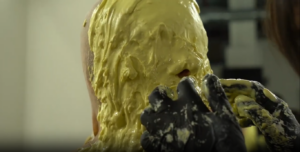
These silicone heads look unbelievably real – see for yourself!
3. Apply the Prosthetic to the Skin
After the prosthetic is cast, it’s time to apply it to the skin. Begin by cleaning the skin thoroughly to remove any oils or dirt. This will ensure the prosthetic adheres properly.
Use a professional-grade adhesive like Pros-Aide to secure the prosthetic to the skin.
Once in place, carefully blend the edges of the prosthetic using latex or a sealer to create a smooth transition between the prosthetic and the skin.
Hack: For a more organic look, use a stipple sponge to texture the edges. This helps the prosthetic blend naturally into the skin, avoiding harsh lines.
4. Paint and Detail the Wound
To finish the prosthetic, you’ll need to paint and detail the wound. Use a combination of foundation, alcohol-based paints, or water-based makeup to match the color of the prosthetic to your skin tone.
For prosthetic wounds, focus on creating depth and realism by layering different colors: red for fresh blood, purple and blue for bruising, yellow for healing and black or dark brown for dried blood or necrosis. The more layers of color you add, the more realistic the wound will look.
Pro Tip: Add texture by using a fine sponge or stippling brush to create the appearance of torn skin or rough surfaces.
Prosthetic Wounds for Different Effects
- Burn Scar Prosthetics
Burn scars require attention to detail. Use silicone or gelatin to create a melted, uneven texture. Add shades of deep red, brown and black to enhance the charred look.
- Lacerations and Deep Cuts
Lacerations need jagged, irregular edges. Apply gelatin-based prosthetics for flexible movement and a natural look. Add layers of coagulated blood to mimic clotting.
- Bullet Holes and Entry Wounds
For gunshot wounds, create a concave prosthetic with clean, precise edges. Add singed tissue effects around the wound for realism.
Enroll Here to Learn Character Makeup for TV and Movies!
How to Make Prosthetic Scars for Film and TV?
Prosthetic scars are often used to show past injuries, character backstories, or to add dramatic effects to a scene. Creating realistic scars involves both sculpting and painting techniques. Follow this guide to make scars that will stand up to the scrutiny of film and TV production.
1. Design and Sculpt the Scar
Start by deciding what kind of scar you want to create. Is it a raised scar (keloid), a recessed scar (depressed or sunken), or an old, healed scar with irregularities?
Sculpt the scar design using wax or silicone. To create a raised scar, you can build up layers of wax or silicone to add volume, giving it a thick, bumpy appearance. For recessed scars, sculpt the area lower than the surrounding skin to create the illusion of a healed wound.
Tip: Be mindful of the direction of the scar, as real scars often follow the natural lines of the skin. For instance, facial scars may curve with the contours of the face.
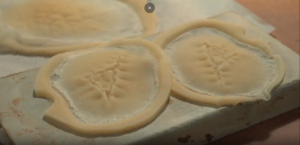
2. Cast and Apply the Scar
Once you’ve sculpted your scar, cast it using silicone or latex, depending on the look you’re going for. Silicone is best for a realistic, high-definition look, especially when working with smaller, delicate scars.
Apply the cast prosthetic to the skin using a strong adhesive like Pros-Aide, ensuring it’s firmly in place.
Pro Tip: To make the prosthetic blend seamlessly with the skin, use a thin layer of pros-aide adhesive around the edges and press the scar gently into the skin.
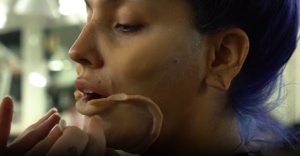
3. Blend the Edges
To ensure the scar blends perfectly into the skin, it’s essential to blend the edges carefully. You can use a little bit of latex or silicone to help the edges dissolve into the surrounding skin.
A fine brush or a stipple sponge is ideal for gently blending out the edges, making the scar look like it’s part of the skin, rather than sitting on top of it.
Hack: If you’re working with a raised scar, use a stipple sponge around the edges to soften and texturize them for a more natural transition.
4. Add Color and Texture
The final step in creating a prosthetic scar is adding color and texture. Scars vary in color depending on how old they are, so think about the kind of scar you want to create.
Fresh scars may appear red or pink, while older scars might be more neutral, with shades of brown or gray. Use alcohol-activated paints or regular makeup to color the scar, focusing on blending the color seamlessly with the surrounding skin.
Pro Tip: For a truly realistic scar, apply different layers of colors to mimic the way real scars change over time. For instance, red for irritation, purple for healing and brown or gray for older, more faded scars.
Prosthetic Scars for Different Effects
1. Keloid Scars
Keloid scars are thick, raised and can be extremely disfiguring. They often form after a severe injury, surgery, or burn. These scars can add a dramatic, realistic touch to your makeup, especially in historical or fantasy characters.
2. Hypertrophic Scars
Hypertrophic scars are similar to keloid scars but are typically less raised and more confined to the boundaries of the injury. These scars are often red, thick and sometimes tender to the touch.
3. Stretch Marks (Atrophic Scars)
Stretch marks, or atrophic scars, are thin, indented lines often found on the skin after rapid growth or stretching, such as during pregnancy or weight gain.
4. Self-Harm Scars
Self-harm scars can range from thin, barely noticeable lines to thicker, raised scars, depending on the injury and healing process. Creating these scars requires precision to reflect the trauma realistically.
5. Surgical Scars
Surgical scars are often neat and linear but can still show signs of significant healing and trauma. These scars typically appear after medical procedures like stitches or incisions.
6. Cigarette Burns and Other Small Scars
Cigarette burns are small, round and often have a distinct, pitted look that’s perfect for creating a distressed or tortured appearance.
Check Out: Top 5 Tips for Beginner Makeup Artists
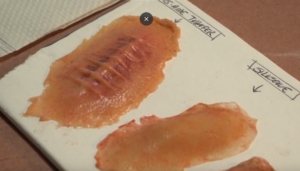
Common Mistakes to Avoid When Making Prosthetic Wounds and Scars
- Wrong Materials: Use silicone for flexibility and gelatin for simpler designs.
- Over-Sculpting: Keep details natural and avoid overcomplicating the design.
- Poor Blending: Blend edges smoothly using a stippling sponge and match skin tone.
- Too Much or Too Little Blood: Use coagulated blood for deep wounds and runny blood for fresh cuts.
- Ignoring Movement: Choose flexible materials like silicone for movable areas.
- Wrong Adhesive: Use professional prosthetic adhesive like Pros-Aide for secure attachment.
- Not Prepping Skin: Clean the skin with alcohol or soap and water before applying prosthetics.
- Lighting & Camera: Test prosthetics under different lighting to ensure realism on camera.
- Rushing Drying Time: Allow each layer to dry completely before adding another.
Become a Prosthetics Pro with Expert Training!
As part of the renowned Cinema Art College Corporation, Cinema Makeup School offers an immersive SFX Prosthetic Makeup Course designed to equip you with the skills and knowledge needed to master the art of special effects makeup.
In this hands-on course, you will learn the intricate techniques used to create realistic prosthetics for film, television and theater.
Through expert instruction and extensive practice, you’ll discover how to design, sculpt and apply prosthetic wounds, scars, burns and more using silicone – the industry-standard material for high-quality, flexible prosthetics.
Our experienced instructors will guide you through every step of the process, from creating molds and casts to painting and applying your prosthetic pieces for the most lifelike results.
Enroll today or book a tour and start your journey to becoming an industry-leading prosthetic makeup artist!
Related Articles:
SFX vs Prosthetic Makeup: What is the Difference?
What is the Difference Between Movie and Stage Makeup?
How to Avoid Common SFX Makeup Mistakes?
By mastering the techniques of sculpting, molding, casting and applying prosthetics, you’ll be able to produce lifelike, jaw-dropping designs that captivate your audience.
Remember, practice makes perfect and attention to detail is key – each step from material selection to painting and blending will bring your creations to life.
Have you ever seen flawless airbrush makeup, stunning special effects, or intricate designs and thought, “This looks amazing, but is it difficult to learn?”
Many people are intrigued by the idea of airbrushing but feel unsure about how difficult it is to master. While airbrushing might seem like a skill reserved for professionals, it’s something you can learn with the right techniques and practice.
In this guide, we’ll break down everything you need to know to start your airbrush journey, from the basics to expert tips. Let’s dive in!
What Is Airbrushing?
Before going into how challenging it may be to learn, let’s first clarify what airbrushing really is:
Airbrushing is a technique that uses an air-powered spray gun to apply a fine mist of makeup, paint or dye onto a surface. It’s incredibly versatile and widely used in various fields, including:
- Beauty makeup (for a flawless finish)
- Special effects makeup (for movies, body art, and prosthetics)
- Automotive painting (to create smooth, even finishes)
- T-shirt designs (for custom artwork)
- Cake decorating (for fine details)
The beauty of airbrushing is its precision and the ability to create seamless gradients and details that traditional brushes or sponges just can’t achieve.
Whether you’re using it for makeup, art or special effects, airbrushing is all about creating smooth, beautiful and flawless results.
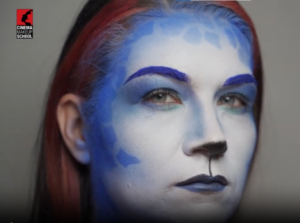
Is Airbrushing Hard to Learn?
Now, the real question: Is airbrushing difficult to master?
Like any skill, airbrushing has a learning curve.
But is it hard?
Not necessarily – it just takes time and practice to become comfortable and confident with the technique. It’s similar to learning to use any tool: it might feel tricky at first, but with consistent effort, you’ll get the hang of it.
Here’s a breakdown of what can make airbrushing challenging for beginners:
- Control – Figuring out the right amount of pressure to apply and when to apply, requires practice.
- Steadiness – A shaky hand can lead to uneven application and results.
- Maintenance – Airbrush guns need to be cleaned properly to avoid clogs, which can be tricky at first.
However, don’t let this discourage you! With the right approach and a little persistence, you can start seeing great results in just a few weeks.
Learn How To Become a Makeup Artist for Films?
At Cinema Makeup School, affiliated with the renowned Cinema Art College Corporation, we are here to help you with Special Effect Makeup Courses!
What is Airbrush Makeup?
Airbrush makeup is a lightweight, long-lasting foundation application technique that creates a smooth, flawless finish. It’s often used in film, TV, bridal makeup and editorial shoots because it provides a natural look that’s lightweight yet durable.
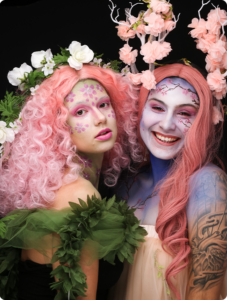
Is Airbrush Makeup Worth It?
Yes, here’s why:
- It gives you a flawless, even complexion.
- It’s lightweight and long-lasting.
- It blends seamlessly, minimizing the amount of product you need.
- It works great for all skin types (especially oily or sensitive skin).
While airbrush makeup does take practice, the results are worth it!
How Does Airbrush Makeup Work?
Instead of using traditional brushes or sponges, an airbrush gun sprays a fine mist of makeup onto the skin. This allows for buildable layers that provide great coverage without feeling heavy on the skin.
The result? A flawless, natural complexion that lasts throughout the day.
Here is how to use an Airbrush:
Step 1: Set Up Your Airbrush
- Attach the airbrush gun to the compressor.
- Add airbrush makeup.
- Adjust the pressure settings on the compressor for an optimal spray.
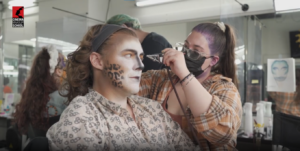
Step 2: Learn the Basic Motions
- Practice making circular motions to create smooth blending.
- Use dotting techniques for controlled application in areas like around the eyes or nose.
- Experiment with distance from the surface. Closer spraying provides heavier coverage, while spraying farther away creates lighter layers.
Step 3: Control Airflow and Pressure
- Too much pressure: Results in splattering, leading to uneven coverage.
- Too little pressure: Produces a weak, uneven spray.
Tip: Find the right balance of pressure to achieve the desired effect. Practice maintaining a steady hand to ensure smooth and consistent results.
Beginner-Friendly Airbrush Techniques
Once you understand the basics, it’s time to try out some beginner-friendly airbrush techniques that will help you build your skills:
1. Freehand Airbrushing
This technique is perfect for blending colors and creating soft shading. It’s commonly used in makeup and fine art applications.
2. Stencil Airbrushing
Use stencils for creating sharp lines, patterns and intricate designs. This is popular in special effects makeup, T-shirt painting and even custom art.
3. Gradient and Blending Techniques
By adjusting pressure and distance from the surface, you can create smooth color transitions. This is a must-know technique for beauty makeup, prosthetic painting and automotive design.
Check Out: Top 5 Tips for Beginner Makeup Artists
Common Mistakes New Learners Make (And How to Fix Them!)
You may make a few mistakes along the way, and that’s okay – it’s all part of learning. Let’s talk about these common errors and learn to avoid them:
-
Holding the Airbrush Too Close or Too Far
Solution: Keep a consistent distance, around 6 to 12 inches for makeup applications, and about 3 to 6 inches for detailed designs.
-
Applying Too Much Product Too Quickly
Solution: Apply light layers and build up gradually. Building up layers is simpler than removing excess product!
-
Not Cleaning the Airbrush Properly
Solution: Clean your airbrush after every use to prevent clogs and keep your tool in good working condition.
-
Not Adjusting the Air Pressure
Solution: Lower pressure works better for fine details, while higher pressure is ideal for covering large areas.
-
Using the Wrong Paint or Foundation for Airbrush
Solution: Make sure you’re using products specifically designed for airbrushing, as regular makeup or paint may clog the nozzle.
-
Not Practicing Control of the Trigger
Solution: Airbrush guns typically have a trigger to control airflow and product flow. So, practice controlling the trigger to gradually increase or decrease the amount of product being sprayed.
How Long Does It Take to Learn Airbrushing?
Short answer: A few weeks to get comfortable and a few months to master. The key to speeding up your learning process is practicing regularly. The more often you use your airbrush, the quicker you’ll become comfortable with the motions, pressure, and spray control.
Start simple with basic techniques, and as you build confidence, you can gradually move on to more complex designs.
Airbrushing Workshop: Learn the Basics in One Week!
Join as a Student to Become an Alumni: Cinema Makeup School
If you’re eager to master the art of airbrushing, choosing the right place to learn is essential.
As a part of the prominent Cinema Art College Corporation, Cinema Makeup School offers world-class training in airbrush techniques.
Our experienced instructors and state-of-the-art equipment ensure you receive top-notch education, covering everything from the fundamentals of airbrushing to advanced special effects.
The skills you acquire can help you launch a successful career in film, television, fashion or even as a personal artist.
Ready to start your journey? Join us and learn from the best or take a tour of our campus!
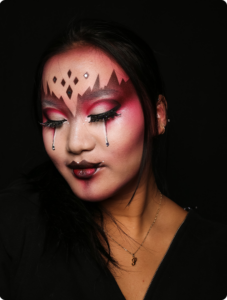
FAQs
1. Do I need expensive equipment to start?
Not at all! We offer affordable, beginner-friendly airbrush kits that provide everything needed to get started without a hefty investment. Begin your airbrush journey without breaking the bank!
2. What’s the difference between airbrush makeup and traditional makeup?
Airbrush makeup is applied using a spray gun, delivering a fine mist for lighter, more even coverage. In contrast, traditional makeup is typically applied with brushes or sponges, offering buildable coverage.
3. Is airbrushing only for professionals?
Not at all! Airbrushing is for everyone, whether you’re a complete beginner, a hobbyist or someone looking to go professional. With a bit of practice and the right equipment, anyone can create stunning artwork, smooth finishes and intricate details. Many starter kits and tutorials make it easy to learn, so don’t be intimidated – just dive in and have fun!