Starting a career in special effects makeup is exciting. You get to bring characters to life, create injuries that look real and design creatures that surprise audiences. But once you begin working on real projects, you quickly realize that technical skills are only part of the job. Building a successful career takes planning, professionalism and the right mindset.
Many new SFX Makeup Artists make mistakes that can slow down their progress. Some forget about time management, others don’t prepare properly for set work and a few underestimate how important communication and hygiene are. These small errors can make a big difference in how directors and clients see your work.
If you’re serious about growing your makeup artist career, learning what to avoid is just as important as learning techniques. In this blog, we will explore some of the most common mistakes new SFX artists make and smart ways to avoid them so you can move forward confidently.
Common Mistakes Every Beginner SFX Makeup Artist Makes
1. Neglecting Professional Training
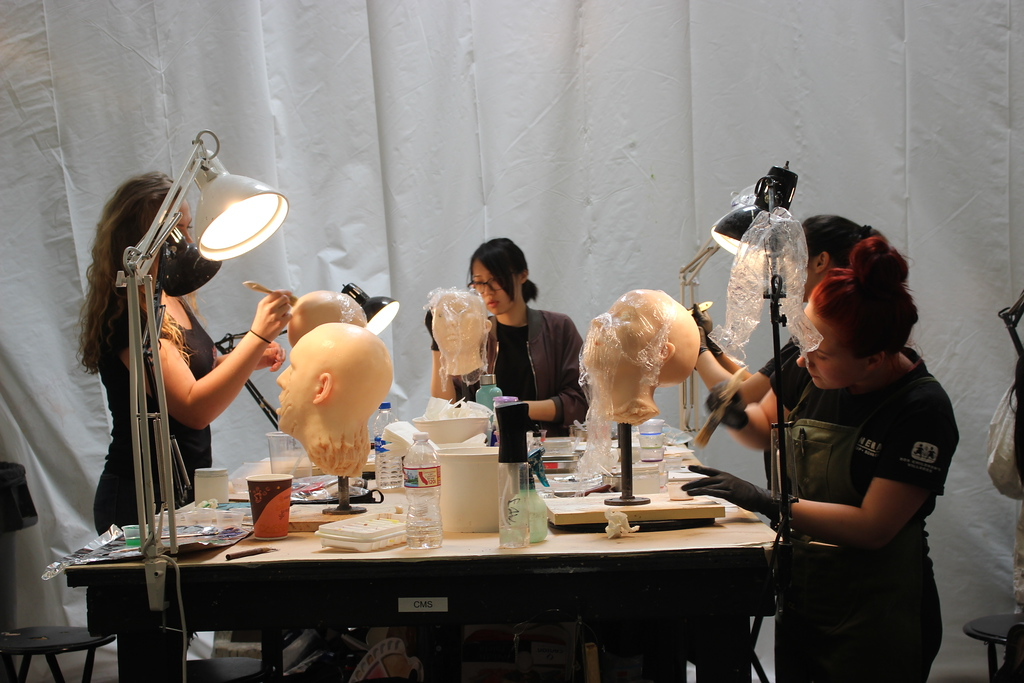
One of the biggest early missteps is assuming that passion alone is enough. While natural creativity is crucial, special effects makeup involves advanced techniques that require structured learning – from sculpting and mold-making to material safety and skin compatibility.

Tip: If you’re serious about turning your passion into a professional career, visit Cinema Makeup School. We’re recognized for training aspiring artists for film, TV, fashion and entertainment through hands-on, career-focused programs.
Our courses cover everything from prosthetics and creature design to Digital FX and advanced special effects makeup techniques – all taught by experienced instructors who actively work in the industry.
Check out our YouTube channel to see our students’ incredible SFX makeup creations in action.
2. Ignoring Time Management and Scheduling
Good planning is just as important as creativity. Beginner SFX makeup artists don’t realize how much time a complex makeup look can actually take – from sculpting and prosthetic prep to application and removal. When you run late, it doesn’t just affect you; it holds up the entire set, including actors, directors and the shooting schedule. Over time, this can make people see you as unreliable, even if your work looks great.
How to Avoid It?
Always track how much time each step of your process takes. Before working on set, do a complete test run of your makeup look to understand the timing. Create a checklist with estimated durations for every stage and include some extra time for unexpected delays such as adhesive drying or actor breaks. Proper scheduling helps you stay organized, meet deadlines and maintain a professional reputation.
3. Not Building a Strong Portfolio Early
A common mistake among new artists is waiting too long to create a portfolio or relying only on class projects. In the competitive market, your portfolio is your business card. Without clear visuals of your work, potential employers or clients can’t gauge your skill level or versatility.
How to Fix It?
Document every project – even small practice sessions or student collaborations. Use high-quality lighting and photography. Show a mix of styles: gore, fantasy, prosthetics, character design, sci-fi, etc. Create an online portfolio or Instagram page dedicated to showcasing your professional SFX work. Avoid cluttering it with unrelated content.
4. Poor Communication with Clients and Crew
Even if you’re highly skilled, special effects makeup is a team effort. New artists sometimes get so focused on creating their designs that they forget to check in with others. When communication breaks down, it can cause confusion about the look, lead to using the wrong materials, or result in makeup that doesn’t match the director’s vision.
So, before you begin any project:
- Go through the character brief and design references carefully.
- Talk with the costume and lighting teams to make sure everyone’s on the same page.
Confirm the schedule, materials and removal plan in advance.
5. Skipping Product Knowledge and Hygiene Standards
Many beginners make the mistake of using the wrong products or skipping proper hygiene. This usually happens because they’re still learning what works best for different materials and skin types. However, poor product choices or lack of cleanliness can easily ruin a look or cause skin irritation for the performer.
How to Stay on Track?
- Learn how different products interact with skin, silicone, latex and other materials.
- Keep your makeup kit clean and sanitized at all times. Cleanse brushes, tools and prosthetics after every use.
- Use only skin-safe and hypoallergenic products to avoid irritation.
- Never reuse prosthetic pieces unless they are specifically designed for multiple applications.
6. Undervaluing the Value of SFX Makeup Services
Many new SFX makeup artists start out by charging too little for their work, thinking it will help them gain clients or build their portfolio faster. While it’s okay to do a few projects for experience, consistently underpricing your services can hurt both your career growth and the overall value of the industry.
When setting your rates, start by researching what other SFX makeup artists in your area charge and adjust your pricing based on your skill level and experience. Make sure to account for every expense involved – including materials, prep time, application, removal and even travel costs.
Be open and confident when discussing your rates with clients; clear communication helps set expectations early.
7. Not Seeking Feedback or Mentorship
Special effects makeup is a craft that combines creativity and technical skill and no one becomes an expert overnight. One of the biggest reasons new artists stop improving is that they avoid feedback or never look for mentorship. Without honest feedback, you might keep repeating the same mistakes or develop bad habits that slow your progress.
Get involved in professional communities, online groups, or mentorship programs where you can connect with other artists. Be open to constructive criticism – every bit of feedback helps you grow faster and refine your craft.
8. Not Updating Techniques
Special effects makeup techniques keep evolving every year. New products, materials and digital tools continue to change how artists create realistic looks. However, many beginners fall into the habit of using only what they first learned in school or through older tutorials.
If you rely only on outdated methods, your work may start to look old-fashioned. Sticking to older techniques can hold you back from taking on more advanced projects.
Stay curious and keep learning. Follow leading SFX makeup artists, attend workshops and experiment with new material.
More Helpful Blogs –
How Special Effects Makeup Transformed Horror Movies?
Character Makeup Skills You Need to Start a Career in SFX
How Much Do Special Effects Makeup Artists Make? A 2025 Insight
Schedule a tour of our special effects makeup school and take your career to new heights.