An SFX makeup course is more than learning how to create cuts, wounds, or fantasy characters. It is a training process that helps students build technical skills, creative understanding and professional working habits used in the entertainment and beauty industries.
While many students enter a course excited about dramatic transformations, the most important growth happens when they focus on the core skills that support those final makeup results.
Whether the goal is to work in film, television, theater, or creative makeup projects, understanding what deserves the most attention during the special effects makeup course can help students build a much stronger foundation for their career.
What You Should Focus on During SFX Makeup Training
To build strong professional skills, students need to focus on technical understanding, creative development, hygiene practices and efficient workflow. Paying attention to these core areas during Special effects makeup training helps create a stronger foundation for long-term growth in this industry.
1. Understanding Facial Anatomy and Skin Structure
Realistic makeup effects depend heavily on understanding how the face naturally moves, folds, stretches and ages. When you understand bone structure, muscles and skin texture, you can create prosthetics and makeup effects that look more believable on camera.
Anatomy also helps improve your sculpting skills by teaching you where wrinkles form, how facial symmetry works and how skin behaves under movement and lighting. This knowledge becomes especially important when creating aging makeup, wounds, scars and fantasy character transformations.
2. Sculpting and Mold-Making Skills
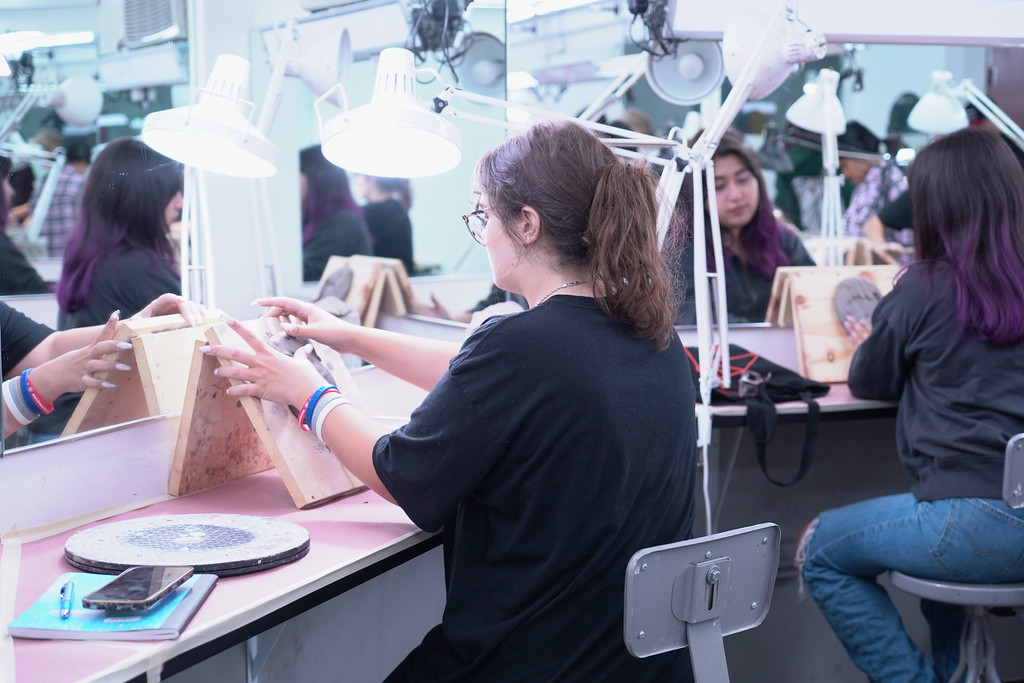
Many professional prosthetics begin as clay sculptures before they are molded and cast into wearable pieces.
During SFX makeup training, students learn facial shaping techniques, texture creation and realistic form development. Mold-making is equally important because it allows artists to reproduce prosthetic pieces accurately and professionally.
Focusing on these techniques helps improve your ability to create realistic character details, develop stronger sculpting precision and understand the professional process behind high-quality prosthetic makeup design.
3. Hygiene and Professional Safety

You should never overlook learning Hygiene and safety. Special effects makeup artists work closely with skin, adhesives, tools and shared products, so sanitation practices are extremely important.
With professional training, you will learn:
- Proper brush cleaning techniques
- Safe handling of makeup products and tools
- Workstation sanitization methods
- Professional hygiene practices
Production companies and studios value SFX makeup artists who understand safety standards because clean working habits are essential in the entertainment industry.
4. Time Management and Workflow
Many beginners focus heavily on artistic quality but forget about speed and efficiency. In real production environments, makeup artists often work under strict deadlines. A makeup look that takes several hours in practice may need to be completed much faster on set.
You should learn how to organize products, prepare materials in advance and create efficient application routines. With regular practice, you naturally become faster while maintaining quality. This balance between creativity and efficiency is a major professional skill in SFX makeup careers.
5. Portfolio Development and Presentation
A strong portfolio is essential for getting opportunities in special effects makeup. Focus not only on creating effects but also on presenting your work professionally. Whenever you work on real-world projects during training, it is important to document and save them for your portfolio.
Recording them helps showcase your progress, creativity and technical skills to future clients or employers. If you consistently photograph and organize your projects throughout training, you can graduate with a much stronger career-ready portfolio.
Check Out: How to Build an SFX Makeup Portfolio?
6. Understanding Materials and Tools
Special effects makeup involves working with a wide range of professional materials and tools, so developing a deeper understanding of them is important. Different products behave differently depending on the makeup design, skin type, lighting conditions and production requirements.
During training, you should focus on understanding how materials such as silicone, foam latex, gelatin, adhesives, paints and bald caps are used in different situations. Learning the purpose of each product helps you choose the right materials for realistic and long-lasting makeup applications.
A deeper understanding of materials and tools allows artists to improve application quality, problem-solving skills and overall workflow during professional makeup projects.
7. Building Industry Connections
Networking plays an important role in the special effects makeup industry. Professional relationships with instructors, classmates, photographers, models and other creative artists can become valuable throughout a makeup career.
Industry connections can lead to collaborations, freelance opportunities, assistant roles and future production work.
Note: Cinema Makeup School offers SFX makeup courses that include prosthetic makeup, character makeup, airbrushing, ZBrush, creature effects and more. With a strong curriculum, the training is focused on real industry-ready learning, where students work on actual projects under the guidance of experienced instructors.
Students gain exposure to professional workflows, industry standards and creative problem-solving approaches commonly used on film sets and in production studios. This hands-on approach helps build both technical confidence and artistic understanding required in real-world environments.
If you are focused on building a career in SFX makeup, you can apply to join our professional courses.
Related Articles –
Online vs In-Person SFX Makeup Course
Diploma vs Certificate in SFX Makeup Course: Which Path Should You Choose?
Important Factors When Choosing an SFX Makeup Artist Course
Common Mistakes to Avoid During SFX Makeup Training
- Don’t use products without understanding their purpose or skin compatibility.
- Don’t ignore hygiene and sanitization of brushes, tools and workstations.
- Don’t practice without proper lighting and a clean workspace.
- Don’t neglect patch tests when using adhesives, latex, or prosthetic materials.
- Don’t compare your progress constantly with others; skill develops with practice.
- Don’t overlook instructor feedback and correction techniques.
- Don’t remove SFX makeup harshly, as it can damage the skin.
- Don’t skip skin preparation before applying products.
Good habits during training improve makeup quality and also prepare you for real film and production environments. With regular practice, focus and the right guidance, it becomes easier to handle professional-level projects with confidence and precision.
Want to experience the environment at Cinema Makeup School? Book a virtual or in-person campus tour.