If you’re interested in designing creatures, you’ll eventually come across two important disciplines: Creature Design and Creature Maquette Sculpting. Although they both play an important role in creating believable creatures, they involve different responsibilities and creative processes.
Before joining a training program, it’s important to understand the difference between these two disciplines, as each requires a distinct set of skills and can lead to different career opportunities.
In this guide, we’ll explain what creature design and creature maquette sculpting involve, how they work together during production and which path may be the right fit for your creative goals.
What Is Creature Design
Creature design is the process of developing the visual concept of creatures such as monsters, aliens, fantasy creatures and mythical beings before they are brought into production.
A creature designer develops the visual appearance of fictional creatures that guides the rest of the production team.
Responsibilities of a Creature Designer
- Developing original creature concepts based on a script or creative brief
- Creating concept sketches and silhouette explorations
- Producing character turnarounds and reference artwork
- Refining creature designs based on creative feedback
- Designing anatomical features, costumes, armor and accessories
- Collaborating with sculptors, SFX makeup artists and other production departments to ensure the design can be translated into a finished character
What Is Creature Maquette Sculpting
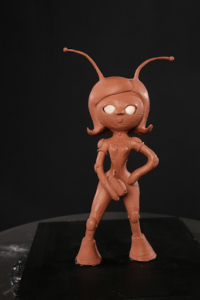
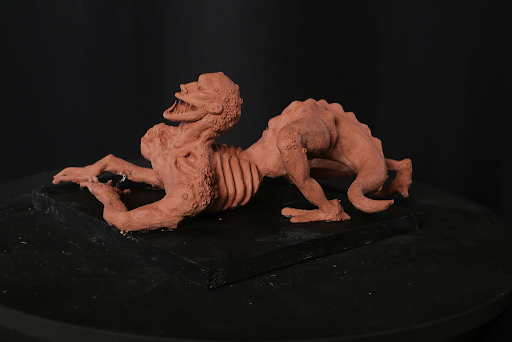
Creature maquette sculpting is the process of creating a small-scale three-dimensional sculpture of a creature based on an approved design or concept artwork. The maquette helps visualize how the creature will look from every angle before moving into full-scale production.
Unlike creature designers, who develop the creature’s visual concept, creature maquette sculptors focus on translating that design into a detailed physical form. They use sculpting techniques to accurately capture the creature’s proportions, anatomy, textures and other defining features.
Responsibilities of a Creature Maquette Sculptor
- Building armatures for sculpting
- Sculpting accurate anatomy and proportions
- Creating skin textures, scales, horns, hair and other creature details
- Refining facial features and expressions
- Posing the maquette to match the intended character
- Preparing finished sculptures for molding, presentation, or digital scanning
Build Your Creature Design and Sculpting Skills at Cinema Makeup School
Students who want to develop both skills can enroll in specialized hands-on programs at Cinema Makeup School. Each program is designed to prepare aspiring artists for careers in film, television and other entertainment industries.
Creature Maquette Sculpting Program
This is a one-week program that introduces students to the fundamentals of professional creature sculpting. Through hands-on training, students learn armature building, anatomy, Chavant NSP clay sculpting, texturing, hair and clothing sculpting and creating expressive creature features such as scales and horns.
Total Program Cost: $1,085* (includes tuition, lab fee and materials)
Creature Concept Design Program
This is a three-week program for students who want to build both traditional and digital creature design skills. The curriculum combines Creature Maquette Sculpting, ZBrush Digital Design and Digital FX Makeup, giving students experience in developing original creature concepts and translating them into three-dimensional designs.
Total Program Cost: $3,085* (includes tuition, lab fee and materials)
*Program fees are subject to change.
Did You Know?
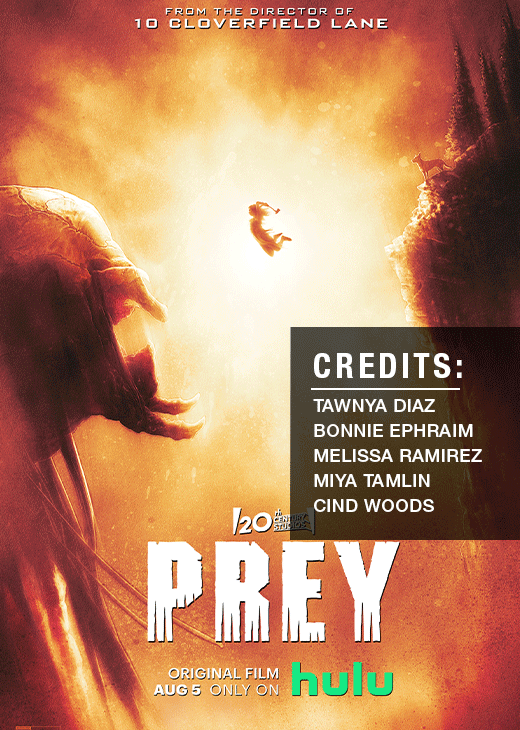
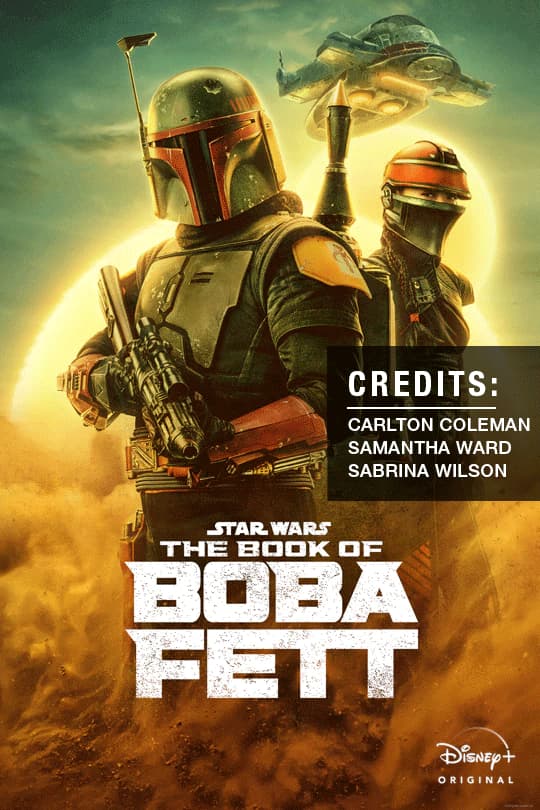
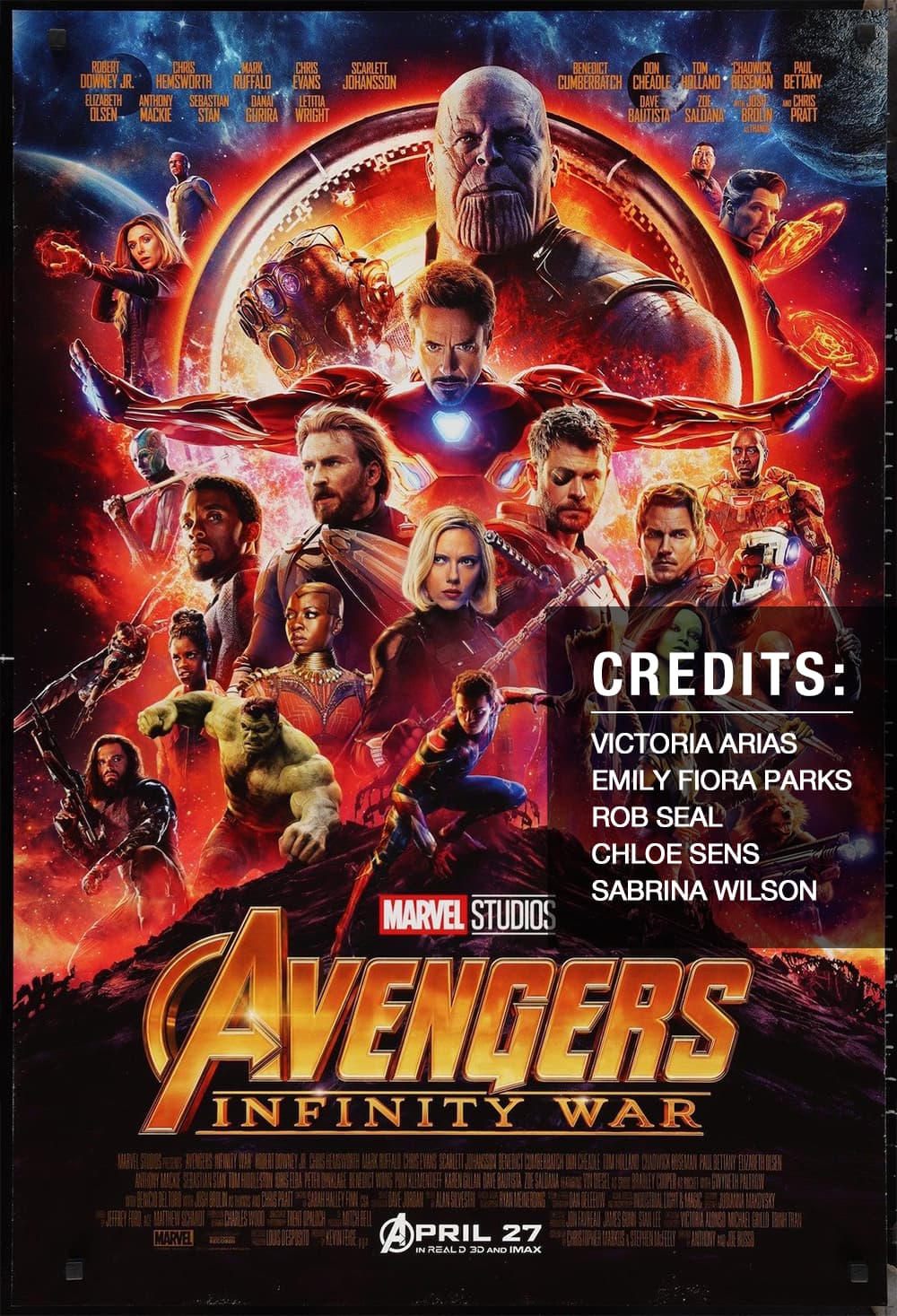
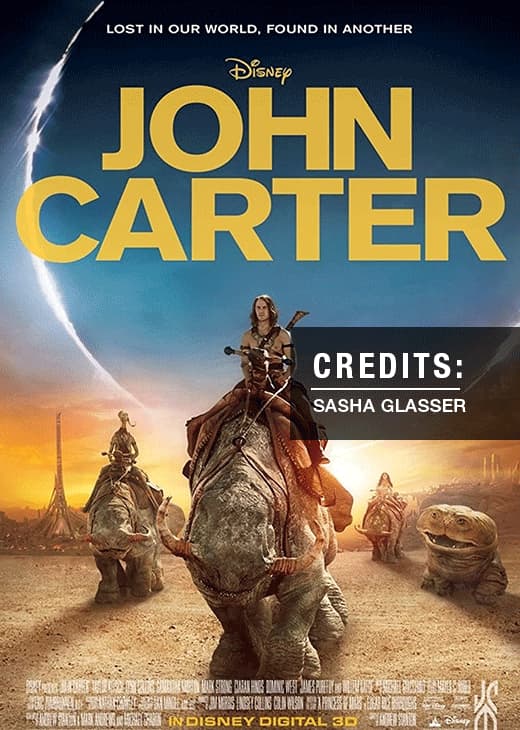
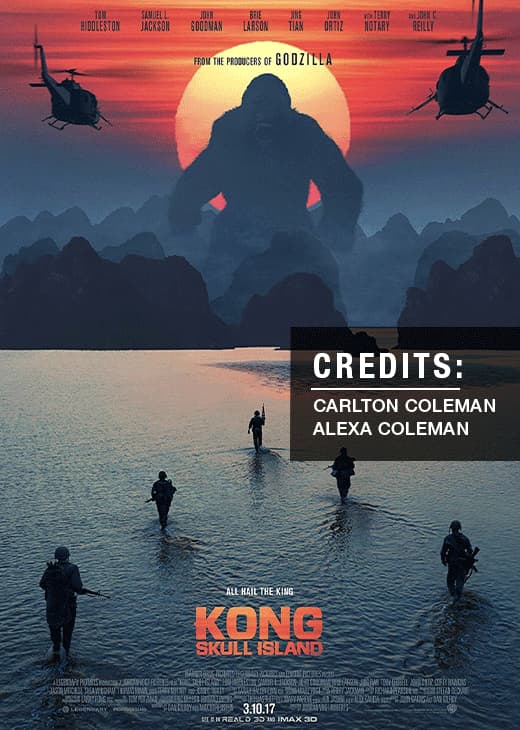
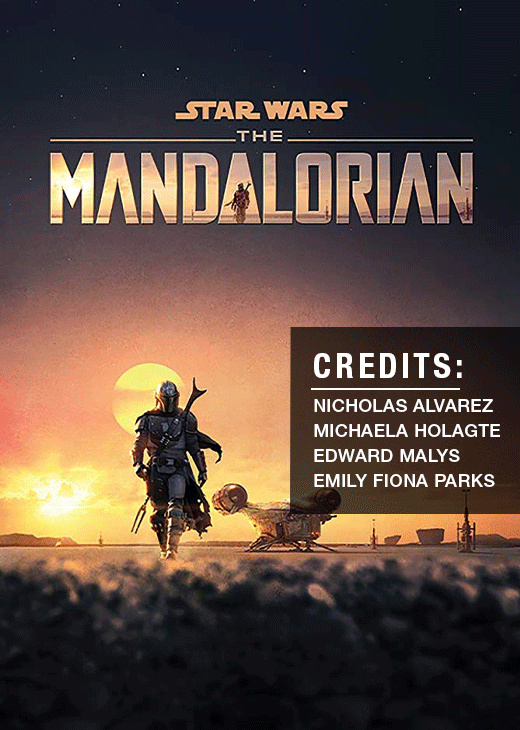
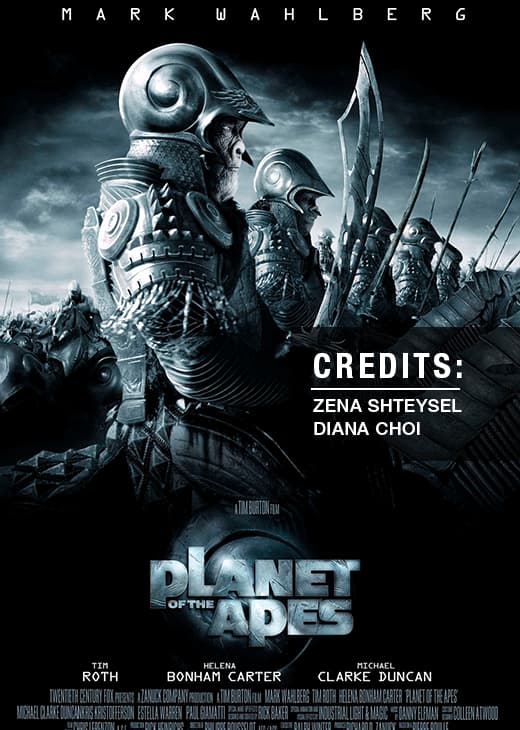
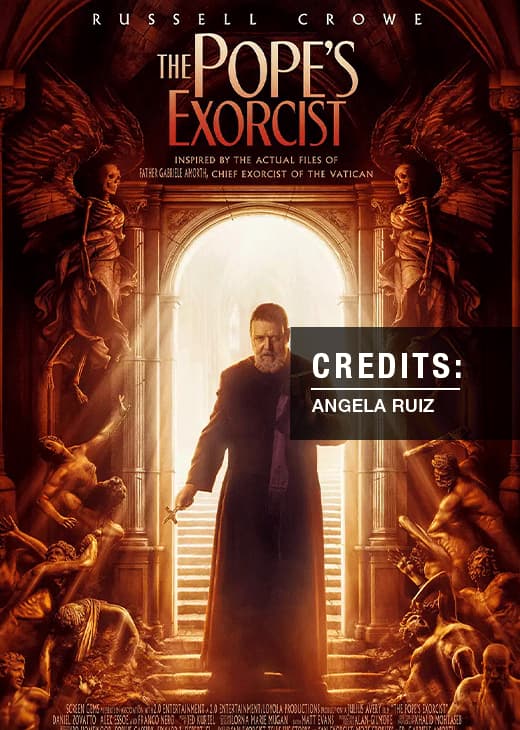
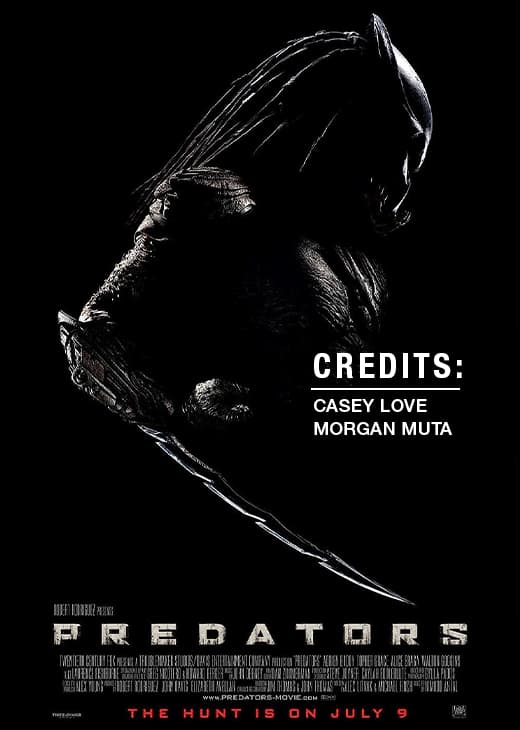
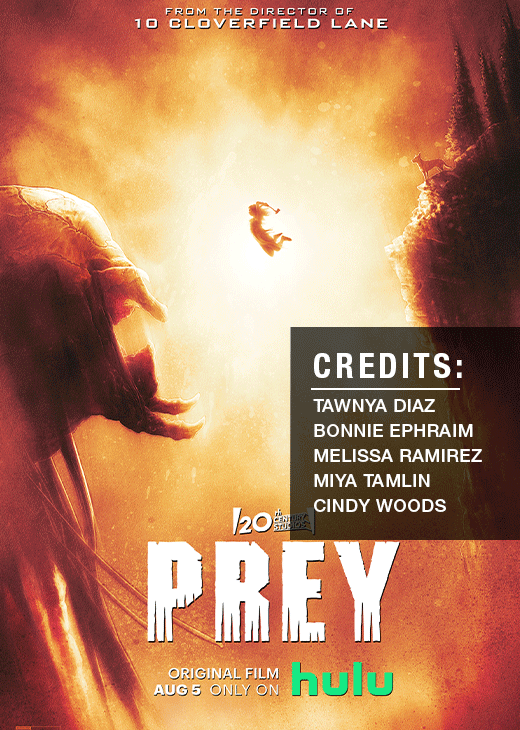
Our alumni are no longer just students; they’re building careers in the SFX makeup industry by contributing to well-known film and television productions such as Shotgun Wedding, Predators, The Pope’s Exorcist and Planet of the Apes.
If your goal is to work on the next generation of film and television productions, it starts with developing the right skills. Schedule a campus tour and discover how Cinema Makeup School helps aspiring artists prepare for careers in the entertainment industry.
Creature Maquette Sculpting vs. Creature Design: Key Differences
Although Creature Design and Creature Maquette Sculpting are closely related, they serve different purposes in the creature creation process. Creature designers develop the visual concept of a creature, while creature maquette sculptors transform that concept into a physical three-dimensional model. The table below highlights the key differences between the two disciplines.
| Feature | Creature Design | Creature Maquette Sculpting |
| Primary Focus | Visual concept development | Physical sculpture creation |
| Main Output | Concept artwork | Three-dimensional maquette |
| Medium | Traditional or digital artwork | Clay and sculpting materials |
| Typical Workflow Stage | Pre-production | After concept approval |
| Core Skills | Drawing, concept art, visual development | Sculpting, anatomy, texturing |
How Both Roles Work Together
Creature Design and Creature Maquette Sculpting are sequential stages of the creature creation process. Once a creature designer develops and refines the visual concept, the creature maquette sculptor transforms that approved design into a three-dimensional model. Together, they help ensure the final creature is both creatively compelling and ready for production.
Step 1: Concept Development
The creature designer creates initial concept sketches and explores different ideas based on the project’s creative direction.
Step 2: Design Approval
The concept artwork is reviewed and refined until the director, creative team, or client approves the final creature design.
Step 3: Maquette Sculpting
Using the approved concept art as a reference, the creature maquette sculptor builds an armature and sculpts a detailed three-dimensional maquette.
Step 4: Review and Refinement
The completed maquette is evaluated for accuracy, proportions, anatomy, textures and overall appearance. Any necessary refinements are made before production.
Step 5: Production Reference
The finished maquette serves as a reference for prosthetic creation, creature suits, animatronics, collectibles, digital sculpting, or other production processes.
Related Articles:
What Is the Real Return on Investment of an SFX Makeup Course?
How to Create an Alien Creature Mask: Process, Tools and Materials Guide
How Concept & Color Theory Boost Your Creature Design Skills
Frequently Asked Questions
Q 1: Do I need to be good at drawing to learn Creature Design?
Basic drawing skills are helpful, but they can be developed with practice and professional training. Creativity, observation and a willingness to learn are equally important.
Q 2: Can I learn both Creature Design and Creature Maquette Sculpting?
Yes. Learning both disciplines can help you understand the complete creature creation process and expand your career opportunities in the entertainment industry.
Q 3: Which industries hire creature designers and maquette sculptors?
These professionals may work across film, television, video games, theme parks, collectibles and other entertainment productions.
Q 4: Is digital sculpting a replacement for traditional maquette sculpting?
No. While digital sculpting is widely used, traditional maquette sculpting remains a valuable skill and is often used alongside digital workflows in creature development.