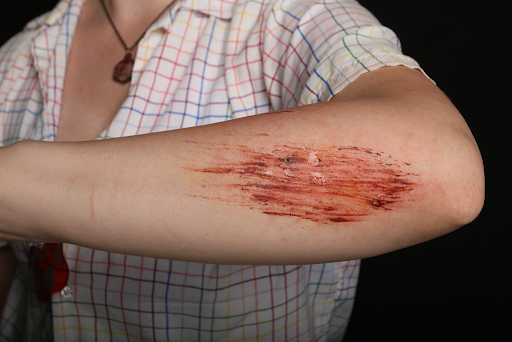
Whether it’s a terrifying werewolf, a mythical beast, or a comic book antihero, realistic claws instantly make a character more convincing. They add personality, support the story and help audiences believe the transformation they’re seeing on screen. While the finished effect may only appear for a few minutes in a film or television show, creating it often requires hours of planning, sculpting, painting and testing behind the scenes.
Professional SFX makeup artists don’t simply attach long fake nails and call it complete. Every claw is designed with the character in mind, from its shape and texture to how it moves with the actor’s hands.
So, how do professional artists create claw effects that hold up under high-definition cameras and close-up shots? Let’s explore the process from concept to camera-ready application.
Claw Effects for Different Characters
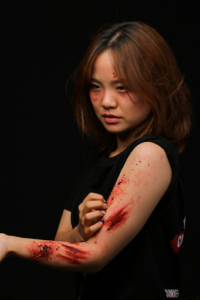
No two creatures are designed the same and neither are their claws. SFX makeup artists tailor every claw design to match the character’s anatomy, personality and role in the story. Elements such as length, curvature, texture and overall shape are carefully adjusted to create claws that feel authentic to the character rather than generic. Here’s how claw styles typically vary across different character types.
| Character Type | Typical Claw Style |
| Werewolf | Long, sharp, slightly curved talons |
| Demon | Jagged, aggressive shapes with rough textures |
| Fantasy Creature | Elegant, elongated claws with refined details |
| Ancient Monster | Thick, worn and cracked claws that suggest age |
| Alien | Asymmetrical, unconventional claws inspired by non-human anatomy |
Tip: Creating convincing claw effects requires more than creativity; it demands hands-on practice with professional techniques and materials.
Students who enroll in SFX makeup programs at Cinema Makeup School gain practical experience designing a wide range of character effects, from realistic wounds and prosthetics to creature transformations, helping them develop the skills used in professional film and television productions.
Curious how these techniques are taught? Schedule a campus tour and experience Cinema Makeup School in person or virtually.
Step-by-Step Process to Create Claw Scratch Makeup
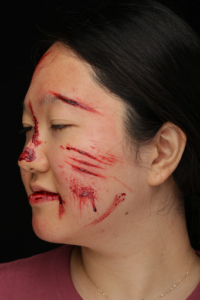
Like many creature effects, creating convincing claw scratch makeup involves more than applying fake blood and paint. Professional SFX artists follow a systematic process that combines careful planning, specialized materials, realistic texturing and detailed finishing techniques to create realistic, camera-ready effects for close-up filming and live performances.
Step 1: Plan the Scratch Pattern
The process begins with deciding where the scratches should appear and how they were created. Artists consider:
- The direction of the attack
- The depth of the wounds
- The anatomy of the area
Natural claw marks are rarely perfectly parallel or evenly spaced, so slight variations help the effect look more believable.
Step 2: Prepare the Skin
Clean, dry skin provides the best surface for makeup application. Any oils or residue are removed to help adhesives and special effects materials bond securely. Proper skin preparation also improves durability, especially during long filming days or live performances.
Step 3: Choose the Right Materials for the Claw Effect
The materials an SFX makeup artist selects can significantly influence how realistic, durable and comfortable the finished claw effect will be. The right choice depends on the production’s needs, whether the claws are meant for a close-up film shot, an action sequence, or a live performance. Artists also consider factors such as flexibility, weight, durability and how well the material accepts paint and adhesives.
| Material | Common Use |
| Urethane Resin | Creates rigid, sharp claws ideal for detailed close-up shots. |
| Flexible Resin | Suitable for action scenes where the claws need slight flexibility without losing their shape. |
| Silicone | Produces softer, more flexible creature claws that are comfortable for extended wear. |
| Foam Latex | Commonly used for integrated prosthetic hand appliances and creature transformations that require natural movement. |
Selecting the appropriate material at the beginning of the process helps ensure the claw effects not only look convincing but also perform reliably throughout filming or live performances.
Also Read – Foam Latex vs Silicone: Choosing the Right Material for SFX Prosthetics
Step 4: Build the Wound Texture
Depending on the desired level of realism, artists create raised skin, torn edges, or deeper cuts using professional SFX materials. This stage gives the scratches a physical dimension, making them appear more convincing under different lighting conditions rather than looking like lines drawn with makeup.
Step 5: Add Base Color
Once the texture is complete, color is gradually built in layers. Reds, purples, browns and skin tones are blended together to recreate the appearance of irritated skin, bruising and fresh wounds. Instead of relying on a single shade, artists use multiple colors to create depth and realism.
Step 6: Blend the Effect into the Surrounding Skin
One of the most important steps is ensuring the scratches transition naturally into the surrounding skin. Edges are softened, color is feathered outward and subtle shading is added so the makeup appears to be part of the actor’s skin rather than sitting on top of it.
Step 7: Add Final Details
The finishing touches bring the special effects makeup to life. Depending on the scene, artists may add dried blood, fresh blood effects, dirt, swelling, or additional bruising to match the character’s story. Every detail is carefully controlled so the scratches complement the overall makeup without overpowering the performance.
Step 8: Seal and Test the Makeup
Before filming or performing, the completed makeup is sealed with professional setting products to improve durability. Artists then check the effect under the intended lighting and camera angles, making any final adjustments to ensure the claw scratches remain realistic throughout the shoot.
Related Articles:
Core Areas to Focus During an SFX Makeup Course
How to Sculpt a Third Eye Prosthetic – Complete Guide
How to Sculpt a Realistic Long Nose Prosthetic
As creature effects continue to play an important role in film, television, streaming productions, haunted attractions and immersive entertainment, artists with strong SFX makeup skills remain in demand across the entertainment industry.
Apply here to learn the techniques behind these professional creature effects.