Pierrot clown makeup is one of the most recognizable styles in theatrical and character makeup. Inspired by the classic French clown character Pierrot, this SFX makeup style is known for its pale complexion, dramatic eyes, defined facial features and emotional expression.
Learning how to do Pierrot clown makeup requires more than applying white face paint. Artists need to understand facial structure, color contrast and how makeup appears under stage lighting or photography conditions.
In this guide, we will explore the essential steps to create a professional Pierrot clown makeup look.
What Is Pierrot Clown Makeup?
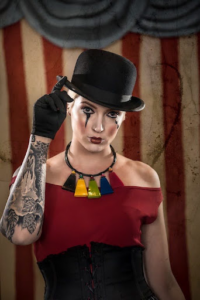
Pierrot is a traditional clown character that originated from the Italian commedia dell’arte and later became popular in French theater. A white-painted face, black or dark accents around the eyes and a soft, expressive appearance usually recognize this character.
Traditional Pierrot makeup often includes:
- A completely white or pale face base
- Dark, exaggerated eyebrows and eye shapes
- Defined lips, usually in black or deep red
- Teardrop designs or emotional facial markings
- High contrast features for stage visibility
Depending on the production, artists may use hand painting, airbrushing and precise highlighting and contouring techniques to adapt the classic pierrot look for stage or photoshoots.
Different Types of Pierrot Clown Makeup Styles Used in SFX
1) Traditional Pierrot Clown Makeup
2) Gothic Pierrot Clown Makeup
3) Horror Pierrot Clown Makeup
4) Zombie Pierrot Clown Makeup
5) Fantasy Pierrot Clown Makeup
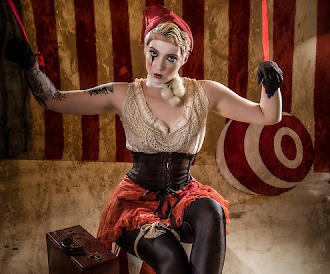
6) Vintage or Circus-Inspired Pierrot Clown Makeup
Want to master the techniques behind these clown characters?
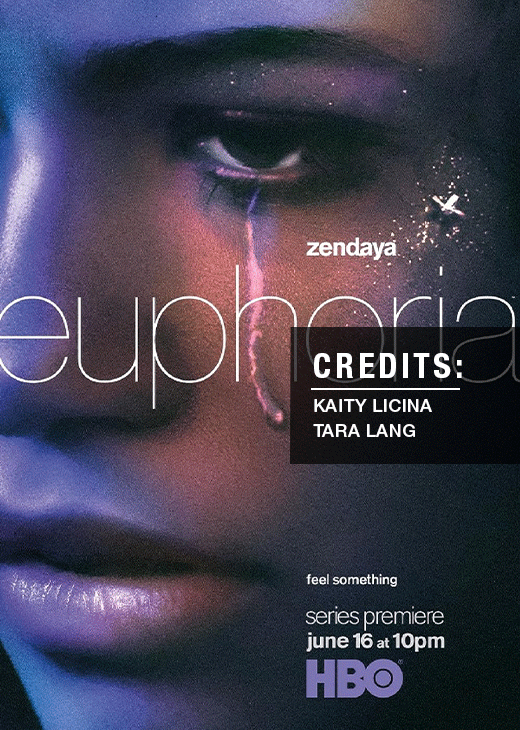
Enroll in the Professional SFX Makeup Course at Cinema Makeup School and receive hands-on training from experienced instructors. The quality of our training is reflected in the success of our alumni, who have contributed to productions such as Grown-ish, Euphoria, X-Men: Apocalypse and Stranger Things.
Imagine how training under our instructors can transform you from a beginner into a well-known SFX makeup artist.
If you’d like to see where students train at Cinema Makeup School, schedule a campus tour and explore our facilities either in person or virtually.
Step-by-Step Guide to Create Pierrot Clown Makeup
Creating Pierrot clown makeup requires careful planning, precision and attention to detail. While the traditional look is built around a white face, expressive eyes and subtle facial features, every step contributes to the character’s final appearance. Follow the step-by-step guide below:
1. Prepare the Skin Before Applying Makeup
A clean and smooth base is important for any character makeup application. Start by cleansing and moisturizing the skin to create an even surface.
For stage or photoshoots, apply a makeup primer to help the products last longer and create a smoother finish. Proper preparation prevents cracking and allows face paint to blend evenly.
Professional SFX makeup artists also consider the environment where the character will appear. Stage performances may require stronger products because of bright lights and longer wear times, while photoshoots may require a more refined finish.
2. Create the White Base
Apply a white or cream-based face paint evenly across the face using a sponge or brush. Blend the product carefully around the hairline, jawline and ears to avoid visible edges.
For stage performances, the white base should be slightly more intense because lighting can reduce color visibility. For photography, artists may adjust the coverage depending on the camera and lighting setup.
Set the base with translucent powder to reduce shine and improve durability.
3. Define the Eyes With Dramatic Shapes
Apply black or dark-colored makeup around the eyes to create a larger, expressive shape. Artists often extend the design beyond the natural eye area to make the expression more visible from a distance.
Popular eye designs for a Pierrot character include:
- Rounded black eye shapes for a traditional Pierrot appearance
- Extended eyeliner for a dramatic theatrical effect
- Soft blended shading for a modern editorial look
- Painted teardrop details below the eyes for a classic melancholic expression
- Smoky dark eyes for a gothic or horror-inspired Pierrot design
- Graphic geometric eye shapes for contemporary character interpretations
- Oversized painted eyes for a more theatrical or fantasy-inspired appearance
- Cracked or distressed eye details for horror and SFX character effects
- Color-accented eye designs for creative and fashion-forward Pierrot looks
4. Shape the Eyebrows
The eyebrows help communicate the personality of the Pierrot character.
Create exaggerated brows using black face paint or an eyebrow product. Depending on the desired expression, eyebrows can be shaped to appear:
- Sad and downward-facing
- Dramatic and theatrical
- Elegant and artistic
Small changes in eyebrow placement can completely change the emotion of the character.
5. Add the Signature Lip Design
Traditional Pierrot makeup often features a small, defined mouth that contrasts with the white face. Apply black, burgundy, or deep red lipstick to create a sharp shape.
Some artists create a small heart-shaped lip, while others extend the corners slightly to enhance the emotional expression.
For stage productions, make sure the lip design remains visible under lighting conditions.
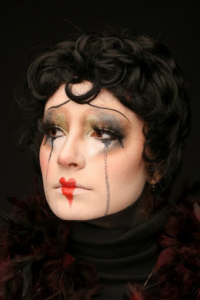
6. Create the Teardrop or Facial Details
One of the most recognizable elements of Pierrot makeup is the teardrop detail.
Artists commonly place a painted teardrop below the eye to represent the character’s sadness or emotional nature. However, modern interpretations allow more creativity.
You can personalize the design by adding details such as:
- Multiple painted tears
- Decorative lines around the eyes
- Glitter or metallic accents
- Black-and-white geometric patterns
- Soft pastel details
These creative additions can help create a unique character while maintaining the traditional Pierrot inspiration.
7. Set and Refine the Makeup
Once the Pierrot clown makeup is complete, carefully examine the overall design to ensure it looks balanced and polished. Check for uneven lines, patchy areas in the white base, smudged details, or facial features that need stronger contrast. Make any necessary touch-ups before finishing the look.
Finally, apply a setting powder or professional setting spray to help the makeup withstand stage lights, long performances, or extended photoshoots while maintaining a clean and vibrant appearance.
Related Articles:
Step-by-Step Guide to Airbrushing with Stencils
What are Stippling Techniques in SFX Makeup?
How Body Painting Creates High-Impact SFX Makeup Illusions
Skills Needed to Create Pierrot Clown Makeup
Creating clown characters requires knowledge of:
- Face painting techniques
- Color theory
- Facial anatomy
- Character design and storytelling
- Brush control and precision
- Blending and shading techniques
- Symmetry and facial proportion
- Product knowledge and application
- Attention to detail
- Time management for stage or production work
These skills may look simple on paper, but mastering them takes practice, patience and hands-on guidance. Beginners often face challenges with symmetry, blending, product selection and translating a character concept into a polished final look.
Learning in a professional training environment can help you build these skills through guided practice and real-world techniques.