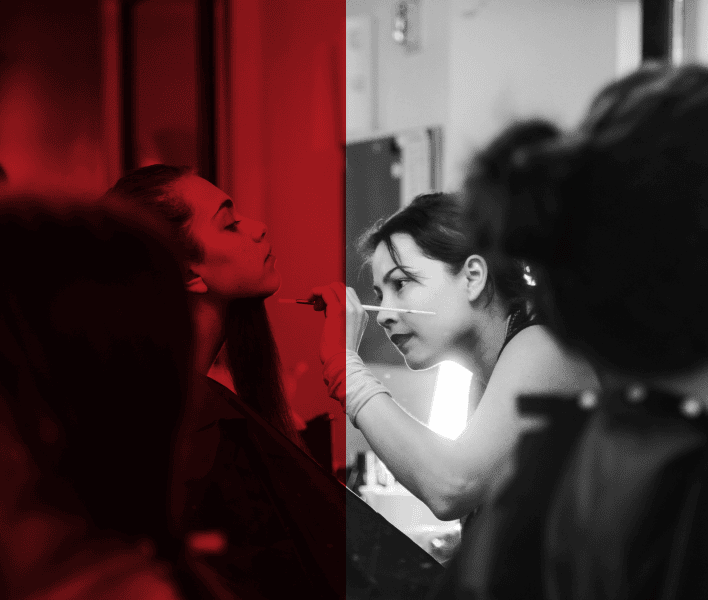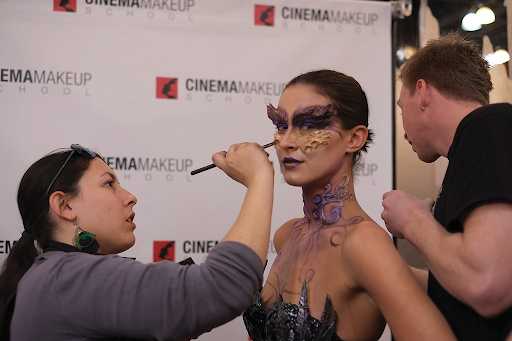
Body painting is one of the most powerful yet often underestimated techniques in special effects makeup. With the right understanding of anatomy, color, light and perspective, body painting can transform a human form into creatures, injuries, armor, fantasy beings, or surreal illusions, without relying heavily on prosthetics.
In film, live performances, photoshoots and immersive experiences, body painting plays a critical role in creating high-impact SFX makeup illusions that feel believable and visually striking.
This blog explores how body painting works, the techniques behind the illusions and why mastering body painting is essential for aspiring special effects makeup artists.
Commonly Used Body Painting Techniques in SFX Makeup
Body painting in special effects makeup relies on strong planning, anatomy knowledge and precise application. Color theory and concept sketches guide depth and lighting, anatomy ensures accurate placement and airbrushing creates smooth blends, texture and realistic detail.
1. Color Theory and Concept Planning
Before body painting begins, it is essential for artists to understand color theory. In special effects makeup, color is used to create depth, realism and visual illusion.
Most professional SFX artists start by creating concept art in a sketchbook or digitally. These sketches help visualize how the final body painting will look, where highlights and shadows should fall and how different colors will interact on the body. Planning colors in advance allows artists to control the illusion and avoid flat or unrealistic results.
2. Anatomy for Accurate Placement
Along with color theory, understanding human anatomy plays a major role in SFX body painting. Artists must know the structure of muscles, bones and natural body contours to place painted details correctly.
Anatomy knowledge helps artists understand:
- Where muscles naturally sit and how they move
- How bones and joints affect body shape
- Where shadows naturally form on the body
Whether painting exposed muscles, robotic parts, or creature designs, following real anatomical landmarks makes the illusion more convincing. Without this understanding, even well-painted designs can appear incorrect or unrealistic.
Check out: Why SFX Makeup Artists Should Study Human Anatomy for Sculpting Realistic Prosthetics?
3. Airbrushing
Airbrushing is one of the most important techniques used in special effects body painting. It allows artists to build realistic illusions by applying paint in controlled, lightweight layers that blend seamlessly into the skin. Airbrushing helps create smooth color transitions, soft shadows and subtle highlights that are difficult to achieve with brushes alone.
Because the paint is applied evenly and gradually, the illusion appears more natural and works especially well for film, photography and close-up shots. Airbrushing is commonly executed using a combination of tools, including:
Airbrush gun: Used to apply smooth base layers, gradients and controlled shading across large areas of the body.
Stencils: Placed on the skin while airbrushing to create repeated patterns, textures, scales, mechanical details, or sharp-edged designs.
Sponges: Used alongside airbrushing to break up flat color, add organic texture and create effects such as bruising, dirt, decay, or uneven skin.
Brushes: Used after airbrushing to refine details like veins, cracks, scars and edges.
Pro Tip: When it comes to understanding materials and creating characters and transformations, professional training under well-recognized SFX makeup schools works better. Cinema Makeup School offers multiple training programs covering different techniques.
Here, you will learn prosthetic makeup, airbrushing techniques, color theory, concept art and creature transformations within a structured timeframe that helps prepare you for professional-level work.
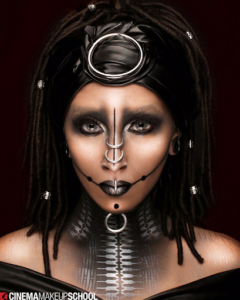
Watch the Robot Girl Body Paint Makeup tutorial to see these techniques in action.
Which Illusions Are Created Through Body Painting?
Through skilled use of paint, the human body can be altered in multiple ways to create high-impact looks. Body painting techniques allow artists to achieve effects such as camouflage, realistic depth, object-like transformations, angle-based perspective designs, painted clothing, movement illusions and fantasy character creation.
Each approach relies on precise control of color, anatomy, lighting and perspective to reshape how the body is perceived, making paint appear dimensional, dynamic and believable.
1. Camouflage
In this style, the body is painted to match its surroundings, such as walls, trees, sand, or city backgrounds. When done carefully, the person blends into the scene and becomes difficult to notice. This technique plays with visibility and makes the body almost disappear into the environment.
2. 3D Effects
Artists carefully study how light interacts with real forms and then replicate those lighting conditions using paint. By applying highlights, mid-tones and shadows in the correct anatomical positions, body painting can suggest depth, curvature and volume on the surface of the skin. These painted values guide the viewer’s eye to perceive raised, recessed, or overlapping forms, even though the skin itself remains flat.
When combined with accurate anatomy and controlled lighting, these techniques create convincing three-dimensional SFX illusions that hold up on camera and in live settings.
Also Read How 3D Printed Prosthetics Are Revolutionizing Movie Makeup?
3. Object Transformation
In body painting, the human form can be visually altered to resemble non-human subjects such as statues, animals, architectural elements, natural surfaces, or everyday objects. Through careful use of color, shading and perspective, artists disguise natural body features and replace them with the appearance of an entirely different form.
The body may appear as stone, rock, wood, metal, or animal form rather than skin and muscle. This type of illusion is commonly used in conceptual art, live performances, themed productions and creative photography, where strong visual impact and complete transformation are essential.
4. Angle-Based Perspective Illusions
This technique works best from a specific viewing angle. When seen from the right position, the painted body lines up perfectly with the surrounding space, creating a powerful visual effect. From other angles, the artwork may look distorted.
Learn How Movie Makeup Changes Audience Perception of a Character?
5. Painted Clothing and Costumes
Body painting allows artists to create the appearance of clothing, armor and accessories directly on the skin, without using real fabric or materials. By painting elements such as seams, folds, textures and edges, the body can look fully dressed.
This technique depends on a strong understanding of human anatomy, fabric structure and light behavior. Strategic highlights and shadows are used to suggest depth, weight and movement, making flat paint appear layered and realistic. Details like stitching, buttons, or armor panels strengthen the visual effect and improve overall realism.
6. Movement Effects
Patterns, repeated lines, or contrasting colors create a sense of motion. Even when the person is standing still, the design makes the body appear as if it is moving, vibrating, or flowing.
7. Fantasy Characters
Body painting is widely used to bring fantasy characters to life by transforming the human body into imaginative designs. These characters are often inspired by mythology, folklore, dreams, or original creative concepts that go beyond realistic human appearances.
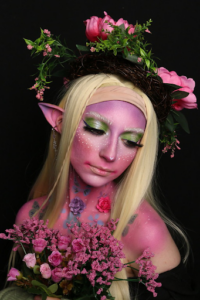
Unlike realism-based body painting, fantasy work allows greater freedom in color choices, textures and forms. Artists may exaggerate features, blend organic and abstract shapes, or introduce symbolic patterns to express mood, personality, or emotion. Bright colors, metallic finishes, glowing effects and unconventional shading are commonly used to enhance the visual impact.
Book a tour of our special effects makeup school today and get started learning from experienced industry instructors.