Special effects makeup looks magical on screen – realistic wounds, lifelike creatures, aging transformations, monsters, robots, and fantasy characters that feel alive. But behind every impressive look is a long learning process.
Many beginners try to learn SFX makeup by watching random videos and practicing on their own. Self-learning can help in the beginning, but it often leads to mistakes. Artists may use the wrong products, follow incorrect steps, or practice without knowing what they are doing wrong. This slows down learning and wastes time and materials.
A structured SFX makeup course helps avoid these problems. It teaches the right techniques in the right order. Instead of guessing and repeating mistakes, students learn clearly and step by step.
In this blog, we will explain how a professional special effects makeup course helps you learn faster and build strong skills without unnecessary trial and error.
What Happens When You Learn Special Effects Makeup On Your Own?
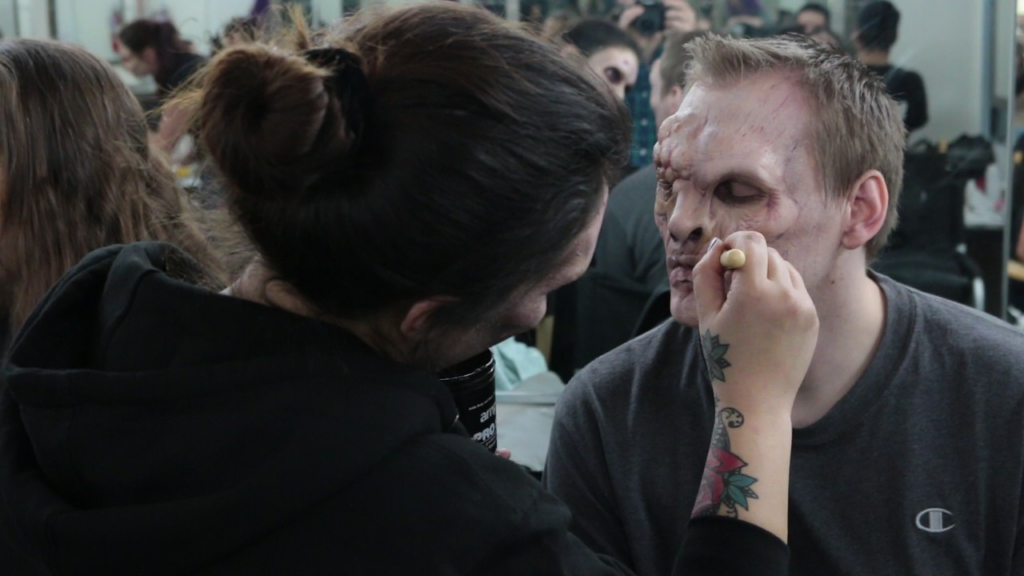
Learning special effects makeup on your own may seem exciting, but it often comes with challenges. Without guidance, beginners can struggle to progress, make repeated mistakes, use products incorrectly, and waste time and money. Here’s what typically happens when you try to learn SFX makeup alone:
1. Lack of Clear Learning Direction
When you learn on your own, there is no fixed path to follow. Beginners often jump from one technique to another without understanding the basics first. One day, they try wound makeup, the next day they attempt creature makeup. Because there is no step-by-step structure, important foundational skills like anatomy, skin preparation, and material handling are often missed.
2. Repeating the Same Mistakes
Without an instructor’s guidance, it becomes difficult to know your mistakes. Many beginners keep repeating the same mistakes, such as poor blending, incorrect prosthetic placement, or uneven textures. Since there is no feedback, these errors become habits.
3. Wrong Use of Products and Materials
Special effects makeup uses specific products like latex, silicone, adhesives, and sculpting materials. When learning alone, beginners often choose the wrong product or use it incorrectly. This can cause makeup to crack, lift, or look unrealistic. In some cases, improper use may even irritate the skin.
4. Slow Skill Improvement
When learning SFX makeup alone, progress is often slow. Beginners may practice a lot, but without clear goals. This leads to repeating the same basic techniques instead of improving skills. Over time, effort increases, but results remain limited.
5. Time and Money Wastage
SFX makeup materials are expensive, and learning without guidance often leads to unnecessary losses. Beginners may purchase incorrect tools, overuse products, or damage molds while practicing. These mistakes require starting again, which slowly wastes both money and valuable practice time.
6. No Understanding of Professional Standards
Without professional training, artists often focus only on appearance and miss how professionals work. Important practices like cleanliness, safety, time control, and consistent results are overlooked, making it difficult to work confidently in professional environments.
7. Loss of Confidence Over Time
At the beginning, self-learning feels motivating. But when results do not improve, frustration slowly builds. Many beginners start doubting their talent or creativity. The lack of clear progress can reduce confidence and even lead some artists to stop practicing altogether.
Worth reading: Top Career Mistakes New SFX Makeup Artists Make (and How to Avoid Them)
How Special Effects Makeup Courses Help You Learn Faster and Better?
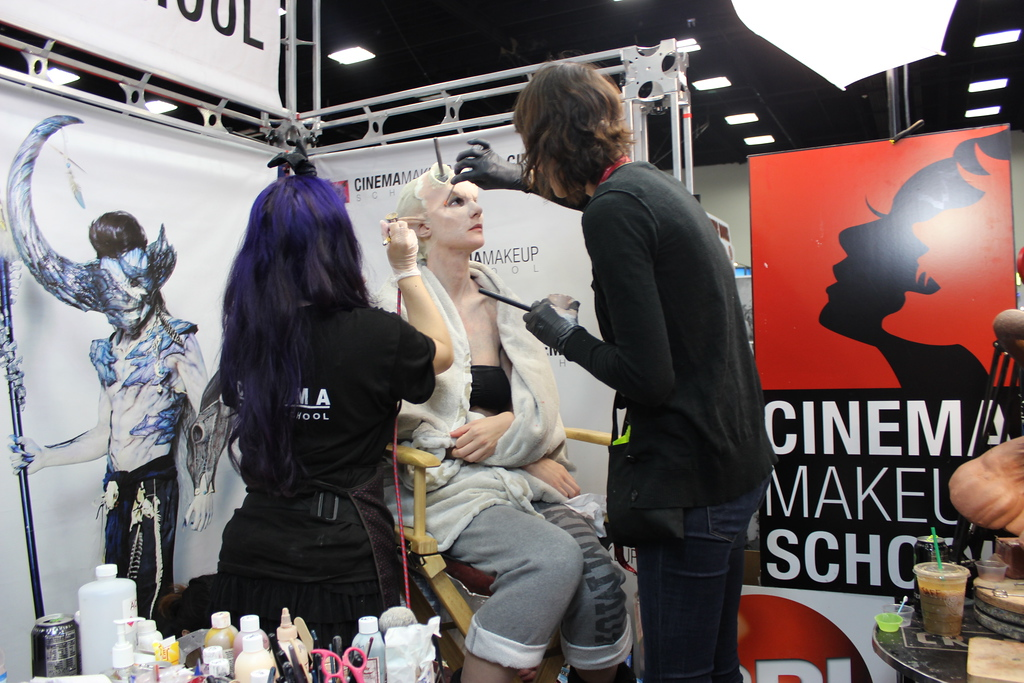
To prevent mistakes in SFX makeup and save yourself from wasting time, the best approach is to join professional training. Cinema Makeup School, one of the top special effects makeup schools in Los Angeles, California, offers hands-on courses where beginners learn industry techniques, work with real materials, and gain the confidence to create professional-quality looks.
Here’s how our SFX makeup courses help beginners save time and accelerate their learning:
1. Learn Industry-Grade Techniques
Students learn how professional artists plan and execute each SFX look, from concept to final detail. This includes understanding how to layer materials for realism, use prosthetics seamlessly with makeup, and create effects that hold up under camera and lighting conditions.
2. Hands-On Experience With Real Materials
Beginners get to practice with professional-grade materials like silicone, latex, adhesives, and prosthetics. They learn how to handle these materials safely and effectively, gaining experience that would take years to figure out alone.
Learn How to Work with Latex, Silicone and Prosthetics Safely?
3. Master the Creative Process Step by Step
SFX makeup isn’t just about applying products; it’s about planning a look, sculpting, molding, painting, and finishing. Our instructors break this creative process into manageable steps, helping beginners turn ideas into reality. Students also learn how to organize each stage, control textures and layers, and sequence their work to achieve realistic, camera-ready results.
4. On-Set Problem Solving
On set, beginners often struggle when things don’t go as planned – prosthetics may lift, paint can smudge, or materials may react unexpectedly under lights. Professionals know how to anticipate and fix these issues quickly. In our courses, students learn how to troubleshoot in real-time, adjust techniques under pressure, and maintain a polished look even when challenges arise.
5. Gain Insights From Experienced Artists
Instructors share their years of industry experience, including tips, shortcuts, and tricks you won’t find online. Beginners learn what works, what doesn’t, and how to save time while still producing professional results.
6. Build an SFX Makeup Portfolio That Stands Out
Creating a strong portfolio is key to getting noticed in the SFX industry. With experienced artists, students learn how to plan, execute, and photograph their work so every detail is highlighted. They also receive guidance on documenting projects and organizing their portfolio to impress studios, agencies, or clients.
Check out: How to Build a Portfolio That Gets You Hired as an SFX Makeup Artist?
7. Develop Professional Discipline and Workflow
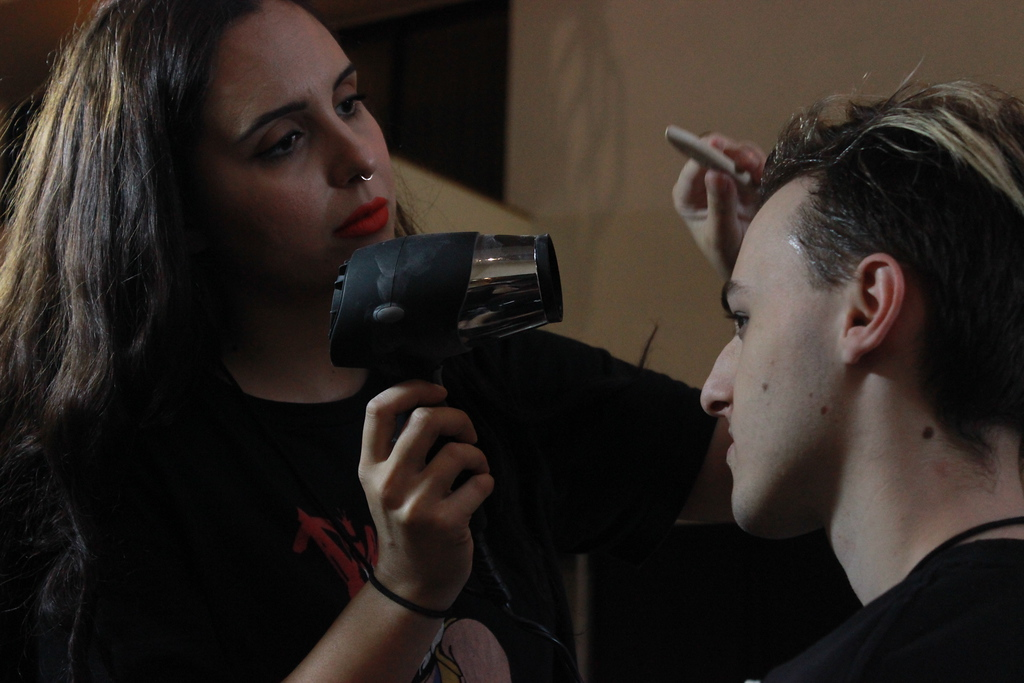
Beginners learn how to work efficiently, manage time, maintain hygiene, and follow industry standards. These skills may seem small, but they are crucial for anyone aiming to work in studios, on sets, or in professional productions.
Also read, Importance of Hygiene and Safety in SFX Makeup Careers
8. Build Industry Connections
At Cinema Makeup School, students gain hands-on SFX training while building connections with skilled instructors, guest professionals, and fellow learners. These connections help aspiring artists gain insights, find mentorship, and discover job or freelance opportunities.
If you’re serious about becoming an SFX makeup artist and want to avoid years of trial and error, now is the perfect time to pursue professional training. Take a tour of our campus and start your journey toward a successful career today.