Special effects makeup is now a standard requirement in film, streaming and high-production television, especially in projects involving prosthetics and character-based transformations. Its use has increased alongside the growth of content production across global platforms.
In 2026, the special effects makeup industry is showing measurable growth, supported by consistent investment in film, streaming and high-budget series production. This is reflected in rising project volumes and continued demand for specialized skills such as prosthetic application and on-set effects work.
Let’s explore the current demand for SFX makeup, key growth patterns and what these trends indicate for individuals planning a career in this field.
Global SFX Makeup Market Size (2023–2031)
According to Verified Market Research, the SFX Makeup Market was valued at USD 3.1 billion in 2023 and is projected to reach USD 5.6 billion by 2031, growing at a CAGR of 6.5% during the forecast period 2024 – 2031.
This indicates a steady expansion in market size over the forecast period.
Key Factors Driving Demand in the Global SFX Makeup Industry
Increasing content production, genre-specific requirements, digital platforms and growing participation in cosplay and fan events drive the demand for SFX makeup. Industry exposure through events, advancements in materials, expansion of professional training and broader applications beyond film further contribute to the steady need for skilled SFX artists.
1. Expansion of Film, Streaming and Episodic Content
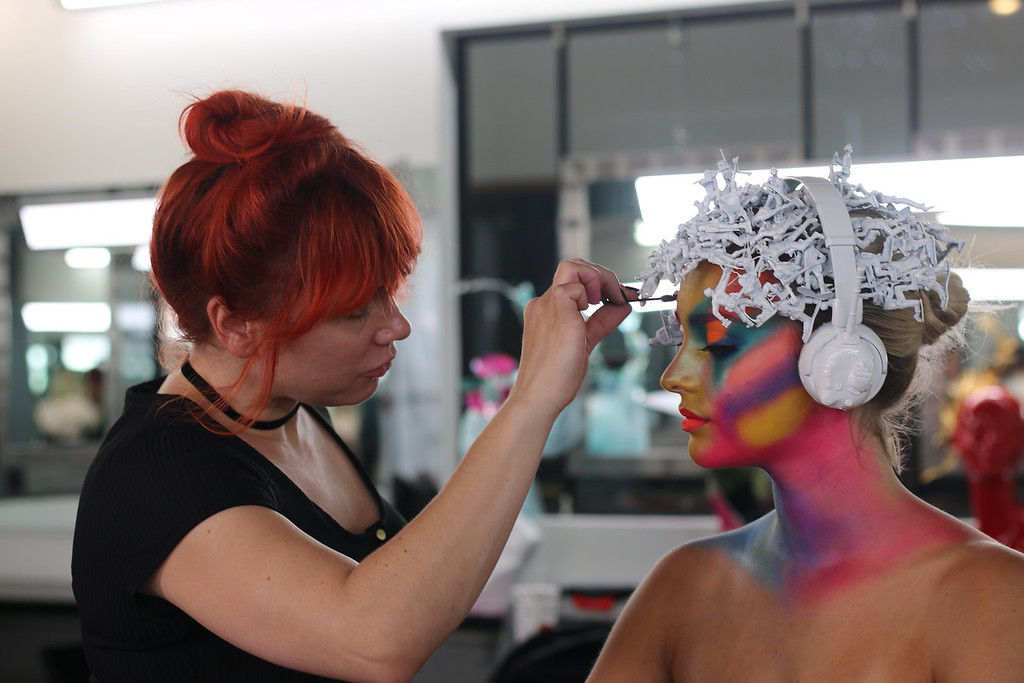
The increase in film production, streaming platforms and long-form series has significantly raised the demand for SFX makeup. Projects that involve prosthetics, creature design, or physical transformations require dedicated artists, making SFX makeup a consistent requirement in many productions.
2. Genre-Specific Production Growth
Horror, fantasy and science fiction remain primary areas where SFX makeup is consistently required, due to their reliance on prosthetics, practical effects and character transformations.
3. Influence of Digital Content and Social Platforms
Social media platforms and visual content channels have expanded opportunities for SFX artists beyond traditional film and television. Artists now showcase work, build audiences and secure freelance projects through digital platforms, increasing visibility and demand for the craft.
4. Growth of Cosplay and Fan-Driven Communities
As more individuals participate in conventions, online forums and fan events, there is a growing focus on accurate character representation. This has led to greater use of prosthetics, body painting and detailed makeup, creating consistent demand for SFX skills outside traditional film and television environments.
5. Industry Events and Professional Exposure
Trade shows and events such as Monsterpalooza contribute to industry growth by connecting artists, studios and educators. These platforms help showcase new techniques, materials and career opportunities within the SFX space.

6. Advancements in Materials and Techniques
Continuous improvements in materials like silicone, foam latex and application tools have expanded what artists can achieve. These advancements make SFX makeup more efficient and realistic, increasing its use in modern productions.
7. Expansion of Training and Skill Development
As demand grows, more structured SFX makeup training programs are becoming available, allowing artists to develop specialized skills in prosthetics, sculpting and on-set work. This has led to a more skilled workforce entering the industry.
How Professional Training Impacts SFX Makeup Careers
Formal training provides access to industry-standard materials, guided practice and portfolio development, all of which are important for entering professional production environments.
Cinema Makeup School offers specialized special effects makeup programs designed to prepare students for careers in film, television and entertainment. With over 10,000 alumni working across productions like Avengers, Game of Thrones, Stranger Things & Avatar, we have a proven track record of placing graduates into working roles.
Here are the programs available to get you started:
- Complete Track – full diploma covering both beauty and special effects makeup.
- Creature Concept Design Program – for those focused on creature and character design.
- Prosthetic Makeup Certificate – specialized prosthetics training.
- Special Effects Makeup Certificate – hands – on SFX fundamentals.
Both US and international students are welcome.
8. Broader Applications Beyond Film
SFX makeup is no longer limited to film and television. It is also used in theme parks, live performances, advertising and digital content creation, contributing to a wider range of employment opportunities.
How the SFX Makeup Market Is Structured
The global SFX makeup market is categorized based on product usage, application areas, supply channels and regional demand. The table below provides a simplified breakdown:
| Product Type | Includes materials and products used in SFX makeup such as prosthetics (silicone, foam latex), adhesives and effects-based makeup products designed for character transformations and physical alterations. |
| End Users | Covers industries and professionals using SFX makeup, primarily film and television productions, along with theater, theme parks and digital content creators. |
| Distribution Channels | Refers to how products are supplied to artists, including professional makeup suppliers, specialty stores and online platforms that provide access to industry-grade materials. |
| Geography | Indicates how the SFX makeup market is distributed across different regions, with demand influenced by levels of content production, industry infrastructure and access to skilled professionals. |
More Helpful Blogs –
How Internships Help You Start a Career in SFX Makeup?
SFX Career Myths You Should Stop Believing
Top Career Mistakes New SFX Makeup Artists Make (and How to Avoid Them)
Frequently Asked Questions
Q1. What is the job outlook for SFX makeup artists?
Employment data for special effects makeup artists and related roles indicates a projected growth of around 2% from 2024 to 2034, according to the U.S. Bureau of Labor Statistics. While this is slower than average, it reflects the specialized and project-based nature of the industry rather than a lack of demand.
Q2. How much can an SFX makeup artist earn in the USA?
Earnings as an SFX makeup artist in the USA depend largely on your skill set, specialization and years of experience in the industry. There is no single fixed number – the more technically advanced your work and the stronger your portfolio, the higher your earning potential. For a detailed salary breakdown by experience level and role, read the full guide here.
Q3. What skills are required to work in SFX makeup?
Working in SFX makeup requires a combination of technical and practical skills. Prosthetic application, sculpting and mold-making form the core of the craft, along with a solid understanding of materials like silicone and latex.
Beyond the hands-on techniques, on-set workflow and time management are equally important, as productions run on tight schedules. These skills are best developed through structured technical training combined with consistent hands-on practice.
If you are serious about building a career in the special effects makeup industry, apply now or book a campus tour to explore the training environment and facilities.
As the special effects makeup industry continues to grow across film, television, streaming, theme parks and live events, the way artists are hired has also evolved. You may be hired as a permanent employee, or you may work on a contract basis, depending on the project and employer.
For beginners, this can often be confusing, especially when trying to understand how each path works. Each hiring type comes with its own structure, expectations and long-term impact on your SFX makeup career.
Understanding these differences early can help you make better decisions about the kind of work you accept and how you plan your growth in the industry. In this blog, we will explain the key differences between these paths that every SFX makeup artist should understand.
Contract-Based Hiring in SFX Makeup: How It Works?
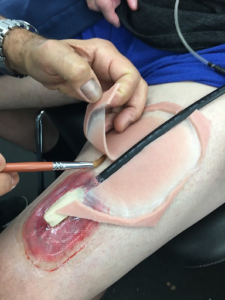
Contract-based special effects makeup jobs are temporary work agreements between you (the artist) and a production, studio, or client. You are brought on for a specific job, for a specific period of time, under a written agreement that defines the terms of your work. When that project ends, so does your contract. You are then free to find your next contract independently.
What does a Contract Typically Covers?
When you accept a contract position as an SFX makeup artist, the written agreement usually outlines the following:
- Scope of work: What exactly you will be doing. This could be applying prosthetics for specific characters, creating blood and injury effects, or running a makeup lab for creature builds.
- Duration: How long the job lasts. This might be a three-week film shoot, a six-month television season, or a single-day commercial.
- Pay rate: Whether you are paid daily (a “day rate”), weekly, or on a flat-fee basis for the whole project.
- Union or non-union terms: Many film and TV productions fall under union agreements, particularly IATSE (International Alliance of Theatrical Stage Employees) in the United States. If the production is union, your contract will reflect union-negotiated rates and working conditions.
- Confidentiality: Productions often require artists to sign NDAs (non-disclosure agreements) to protect unreleased project details.
Who Hires Special Effects Makeup Artists on Contract?
Contract work typically comes through:
Productions directly: A film studio, streaming platform, or production company hires you for a specific project through their department heads.
FX studios and labs: Companies that specialize in building and applying prosthetics and creature effects (like makeup effects houses) will hire artists on contract to meet the demands of a specific job.
Enroll now or book a tour to start your journey on becoming a special effects makeup expert with Cinema Makeup School in Los Angeles, CA!
How Direct Hiring Works in SFX Makeup?
Direct hiring, also called staff employment or in-house employment, means a company or studio brings you on as an ongoing employee, not just for one project. You have a regular work schedule, a set salary or hourly wage and your employment continues regardless of the specific projects assigned to you.
Where Direct Hiring Happens in SFX Makeup?
- Theme parks and live entertainment: Companies like Disney, Universal Studios and regional theme parks hire full-time special effects makeup artists to handle daily character work and special events. SFX artists may be needed for haunted attractions, live shows and seasonal events.
- Television networks with ongoing productions: Long-running TV series, soap operas and daily entertainment programs sometimes maintain a permanent makeup team, including SFX artists who handle recurring character effects.
- FX makeup studios and labs: Some prosthetics companies maintain a permanent staff of artists, sculptors, mold makers and painters who work in-house building creatures, prosthetics and effects pieces year-round for multiple clients.
- Theatrical productions: Broadway, touring productions, opera houses and theatrical companies sometimes employ makeup artists on long-term or seasonal contracts that function more like staff employment.
- Gaming and content production companies: As video game cutscenes, virtual production and digital content have grown, some companies maintain in-house makeup departments for ongoing shoots.
Note: Whether you plan to pursue contract-based work or direct employment, having the right foundational training is what makes you a competitive candidate in either setting. Cinema Makeup School prepares aspiring artists for the professional demands of the SFX makeup industry through hands-on training in prosthetics, creature design, on-set application and lab-based work.
The curriculum of our special effects makeup course is built around real industry standards, giving students practical experience with the techniques, materials and workflows that film productions, SFX studios, theme parks and television departments actually use. Artists also graduate with a professional portfolio, which is one of the most important tools when pursuing either contract or long-term employment positions.

If you are considering a career in SFX makeup and want to understand how formal training fits into your career plan, you can book a campus tour of the Cinema Makeup School to see the facilities firsthand.
Comparison of Contract-Based and Direct Hiring SFX Makeup Jobs
| Factor | Contract-Based | Direct Hiring |
| Income Stability | Variable – depends on securing new contracts | Stable – regular paycheck |
| Pay Rate | Often higher per day or week (day rate) | Usually lower hourly or salaried pay |
| Benefits (Health, Retirement) | Self-managed; arranged independently | Often provided by the employer |
| Work Variety | High – different projects, genres and teams | Lower – consistent work within one organization |
| Creative Exposure | Exposure to varied creative styles and workflows | Style and direction defined by the employer |
| Portfolio Growth | Faster and more diverse | More specialized but narrower |
| Networking | Ongoing and essential for finding work | Less frequent after securing the role |
| Job Security | Low – ends when the project is completed | Higher – ongoing employment |
| Common Work Settings | Film, streaming, commercials, FX studios | Theme parks, TV productions, FX labs, theater |
| Tax Responsibility | Self-managed; you handle your own taxes | Employer-managed; taxes are withheld |
Related Articles –
Interview Preparation Tips for Aspiring SFX Makeup Artists
How Internships Help You Start a Career in SFX Makeup?
Questions Every Special Effects Makeup Artist Should Ask Clients
Which Option Should You Choose at Different SFX Makeup Career Stages?
If you are just starting in SFX makeup, contract-based work is usually the better choice. It allows you to build a strong portfolio quickly, work on different types of projects and understand how various production environments operate.
You also get the chance to identify your strengths, whether in prosthetics, creature design, or on-set application work. However, this path requires you to actively look for new opportunities and manage periods without work.
As you gain experience, you may choose to move into direct hiring roles for more stability and consistent income. Direct employment can provide a structured work environment, access to resources and long-term career growth within a single organization.
Many SFX makeup artists do not stick to just one path. A common approach is to start with contract-based work, build industry experience and connections and then either transition into a direct hiring role or continue freelancing at a higher level with better-paying projects. The right choice ultimately depends on your financial needs, career goals and preferred work style.
Start your journey to becoming an SFX makeup artist by applying to a well-known SFX makeup school in Los Angeles, CA.
Nobody tells you this part.
Here is the truth that most SFX artists discover too late: the skills that get you hired are not always the same as the skills that get you noticed. You can be technically brilliant – your prosthetics seamless, your wounds horrifyingly realistic, your creature work genuinely stunning – and still find yourself waiting for the phone to ring because getting clients requires a completely different skill set.
It requires visibility, consistency, trust-building and a clear understanding of how people actually find and book makeup artists in 2026. The industry has changed.
Productions are scouting talent on Instagram. Photographers are booking artists through TikTok comments. Referrals happen in Facebook groups and at industry mixers. The good news? None of this is complicated.
It just needs to be done deliberately and this guide will walk you through exactly how.
How to Find Clients as an SFX Makeup Artist?
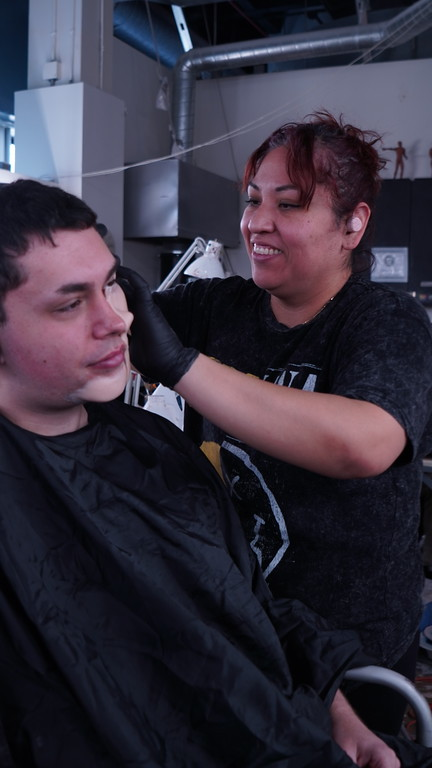
To get clients as an SFX makeup artist, you must start with a strong portfolio showcasing your 10–15 best creations with high-quality photos and transformation videos. Post consistently on Instagram and TikTok, build a professional website with SEO keywords and attend industry events like Monsterpalooza to grow referrals. After every job, ask for a written review. Over time, testimonials build trust and turn your investment into a steady booking engine.
Enroll now or book a tour to start your journey on becoming a special effects makeup expert with Cinema Makeup School in Los Angeles, CA!
1. Build a Portfolio That Wins Special Effects Makeup Artist Jobs
Clients do not hire you because of what you say about yourself. They hire you because of what they see.
Your portfolio is your handshake, your CV and your sales pitch all in one. Before anyone picks up the phone, they have already scrolled through your work and made a quiet decision. So make every image count.
Every look you create during your special effects makeup classes is a portfolio piece. Shoot it with clean lighting, a plain background and a sharp focus on the makeup. Show wounds, prosthetics, creature work, aging and burns – because that range tells a client you can handle whatever their project needs.
Your portfolio should introduce yourself and your work while highlighting your skill set. Sites like Squarespace and Format make creating visually compelling online portfolios straightforward and accessible.
Do not wait until it is perfect. Start now. Show your progress. Your first clients will come from people who believed in you early.
Here is a detailed guide on building a professional portfolio.
2. Use Social Media to Land SFX Makeup Artist Clients Every Day
The artists building the busiest client bases in 2026 are not always the most technically gifted. They are the most visible and consistent.
Here is how to use each platform well as an SFX makeup artist:
- Instagram – Post transformation reels showing your process, not just the finished look. Use location hashtags so local productions and photographers find you.
- TikTok – Time-lapse transformations and “how I made this” breakdowns perform brilliantly. One video can reach thousands of potential clients overnight.
- YouTube – Longer SFX makeup tutorials and day-in-the-life content build deep trust over time.
- LinkedIn – Film producers, production designers and directors all use it. Connect directly; it works better than most artists expect.
Makeup artists who maintain active profiles across multiple platforms see significantly more booking inquiries than those relying solely on their website. Start with two platforms, do them well, then expand from there.
3. Build a Website That Markets Your Movie Makeup Artist Services 24/7
If a production coordinator found your Instagram right now and clicked your bio link – What would they see?
Your website works for you around the clock, even while you are on set or in class. It does not need to be fancy. It needs to be clear, professional and fast to load. A strong website for a working movie makeup artist should include:
- A homepage showcasing your best and most dramatic SFX transformations
- A services page describing exactly what you offer
- A gallery of high-quality images and short transformation videos
- Real client testimonials from past productions and bookings
- A clear, contact or booking form
4. Build Industry Relationships That Lead to Real Job Opportunities
Networking just means building genuine relationships with people in the special effects makeup industry. Those relationships become your most reliable source of work over time.
Connect with:
- Film and television producers, casting projects that need SFX work
- Photographers, booking artists for editorial and horror shoots
- Theatre directors and production designers
Attending film events and networking mixers to connect with potential clients and connecting with fellow professionals is one of the most effective ways to grow your client base, especially in a field like SFX makeup, where relationships play a key role.
One warm introduction from the right person is worth more than a hundred cold emails.
5. Ask for Reviews
After every job, send a short warm message to your client. Thank them. Then ask two things.
First, would they leave a review on Google or Facebook? A genuine five-star testimonial does more for your future bookings than almost any paid advertisement.
Second, do they know anyone else who needs SFX work? Most happy clients are delighted to help. They just need to be asked. Over time, every look you create becomes a story and a reason for someone to recommend you.
Read the blog to know about the SFX makeup techniques.
Quick Reference – Client Strategy Table
| Strategy | Cost | Speed |
| Portfolio building | Low | Medium |
| Instagram and TikTok | Free | Fast |
| Professional website | Low – Medium | Medium |
| In-person networking | Free | Medium |
| Reviews and referrals | Free | Fast |
| Industry job boards | Free | Fast |
Related Articles –
Interview Preparation Tips for Aspiring SFX Makeup Artists
How Internships Help You Start a Career in SFX Makeup?
SFX Career Myths You Should Stop Believing
Start Your SFX Makeup Career at Cinema Makeup School
The level of clients you attract is directly tied to the level of your training. An artist with real credentials, a strong portfolio and genuine hands-on experience attracts completely different clients compared to someone who learned everything from free content alone.
A good SFX makeup artist needs realistic, hands-on experience applying prosthetics, understanding skin and anatomy, working with materials and communicating with clients – all things best learned through structured professional training.
At Cinema Makeup School, every program is built around exactly that kind of training – hands-on, industry-focused and taught by working professionals with real film and television credits.
The total cost for the Master Makeup Program is $17,340*, including lab fees and materials, with flexible monthly payment plans available. For the career doors the program opens and the quality of clients it brings in, most graduates consider it one of the best investments they have ever made.
Students enrolling in SFX makeup classes at Cinema Makeup School can also purchase a pre-packaged SFX makeup kit directly from the school store, arriving prepared and professional from day one.
* Tuition fees are subject to change and may vary based on program, intake and enrollment period. Please contact our admissions team for the most accurate and up-to-date pricing.
Click here to know more Updates about the fee structure.
? Apply Now and Start Your Career
FAQs
Q: How long does it take to get your first client as an SFX makeup artist?
Most artists land their first paying client within 4 to 8 weeks of consistently posting their work on Instagram or TikTok and outreaching with the right approach. The key is not waiting until your portfolio feels perfect – start sharing now and stay consistent.
Q: Do I need a website to get clients as an SFX makeup artist?
A website is not mandatory when you are just starting out, but it makes a significant difference. Social media gets you discovered, but a clean professional website is what converts a curious visitor into a booked client. Think of it as your always-open studio that works for you even while you are on set.
Q: What kinds of looks should I create to build my SFX portfolio?
Focus on variety that shows range, wounds and gore effects, creature or fantasy transformations, aging makeup and editorial look. The goal is to show potential clients that you can handle whatever brief they bring you.
Monsterpalooza is a U.S.based, multi-genre convention dedicated to horror, creature design and special effects makeup, held every spring in Los Angeles, California. It is the ultimate stage for special effects makeup artists to showcase their craft, connect with industry legends and prove their talent to the world.
The upcoming Monsterpalooza 2026 is scheduled for May 29-31 at the Pasadena Convention Center, featuring over 400 exhibitors.
With hundreds of artists showcasing their work, standing out requires more than just creativity; it demands well-developed, industry-ready skills. Let’s explore the key skills you need to develop as an SFX artist.
Master These SFX Makeup Skills to Stand Out at Monsterpalooza
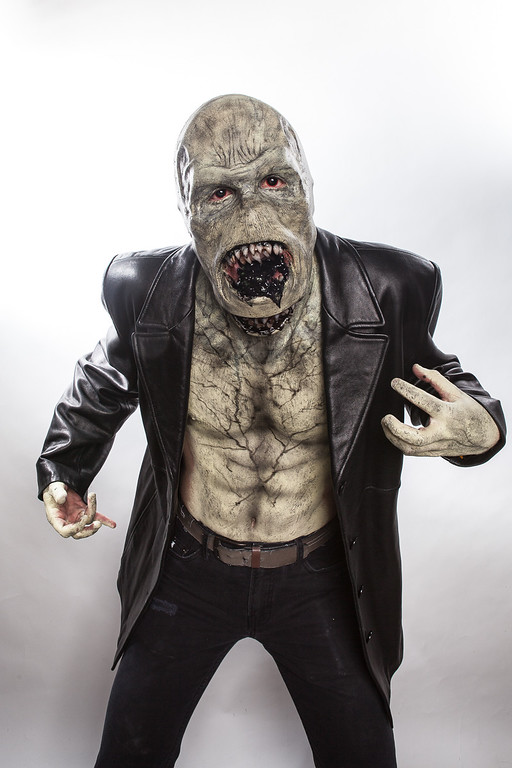
Whether you are a beginner or a seasoned SFX makeup artist, these five essential skills are what separate a good Monsterpalooza appearance from an unforgettable one: prosthetic application and blending, creature design and sculpting, painting and color theory, airbrush techniques and speed, consistency and on-set professionalism.
Enroll now or book a tour to start your journey on becoming a special effects makeup expert with Cinema Makeup School in Los Angeles, CA!
1. Prosthetic Application & Blending
Industry professionals and judges look for edges that disappear naturally, movement that matches the actor’s expressions and a finish that holds up under harsh lighting and HD cameras.
Mastering this skill means understanding skin preparation, adhesive selection and the right painting techniques – because poorly blended edges break the illusion instantly, no matter how well-sculpted the prosthetic is.
Get insights on: How to Choose Between Heavy and Lightweight Prosthetics in SFX Makeup
2. Creature Design & Sculpting
Monsterpalooza workshops cover creature effects across classic horror, modern horror, science fiction and fantasy – and if you want to leave a lasting impression, your creature design must tell a story on its own.
From maquettes and concept sketches to full character builds using clay, foam latex and silicone, strong sculpting showcases artistic vision, technical knowledge and anatomical accuracy. As a result, artists who create original, believable creatures consistently draw the most attention.
3. Painting & Color Theory
Even the most perfectly sculpted prosthetic will fall flat without masterful painting. Understanding color theory – how to layer undertones, build depth with stippling and match skin tones under different lighting- separates good SFX looks from jaw-dropping ones.
At Monsterpalooza, your work will be viewed under bright convention lighting, photographed and sometimes filmed. Every vein, shadow and highlight must be intentional. As special effects makeup artists, you need to understand how color behaves on various surfaces and skin tones to consistently produce more realistic and compelling characters.
Explore more – How Concept & Color Theory Boost Your Creature Design Skills
4. Airbrush Techniques
Airbrushing allows artists for smooth, seamless color transitions, realistic skin textures and effects like bruising, burns, or aging that are nearly impossible to replicate by hand.
For Monsterpalooza demonstrations, airbrush skills allow you to work quickly and precisely, delivering high-impact results in real time.
Related Read: Single-Action vs. Double-Action Airbrush: Which Should SFX Artists Use
5. Speed, Consistency & On-Set Professionalism
Beyond technical ability, an SFX makeup artist must be trained to work efficiently, maintain consistency and present themselves with professionalism. At Monsterpalooza, live demos happen in real time, sometimes under tight time constraints and in front of large crowds.
Speed and consistency are skills developed through repetition and structured training. Knowing how to manage your kit, stay organized and produce the same high-quality result repeatedly is what the film industry demands – and what Monsterpalooza rewards.
Learn Why Consistency Matters in Special Effects Makeup
How Cinema Makeup School Prepares You for Monsterpalooza?
Located in Los Angeles, just miles from the Pasadena Convention Center, Cinema Makeup School consistently prepares students and graduates who take part in Monsterpalooza, not as spectators, but as working artists creating live on the convention floor.
In the curriculum of our special effects makeup diploma and certificate programs, we cover all the skills an artist needs to stand out at Monsterpalooza and real projects of movies and TV.
Want to experience this training environment firsthand? Schedule a tour of our campus, either in person or virtual and explore the studios and labs where these skills are developed in real time.
Explore our students’ recent work for Monsterpalooza in 2024 and 2025:
Monsterpalooza 2025
https://youtu.be/lUZmUawdsQE?si=q4EiRrKihGwCnhMY
https://youtu.be/8FdbEn8BkXk?si=3Ncg17_qJTGyICm2
Monsterpalooza 2024
https://youtu.be/Vxb8LKGXOPE?si=DRV9-fFcW82R32TK
https://youtu.be/WbzwpnYFqOs?si=k880XgRpZHCLWkZc
If you’re planning to attend Monsterpalooza 2026 (May 29–31, Pasadena Convention Center), take the next step by advancing your special effects makeup skills at Cinema Makeup School.
Frequently Asked Questions (FAQs)
1. How early should an SFX makeup artist start preparing for Monsterpalooza?
Preparation should ideally begin at least three to six months in advance, as developing a competition-level character and a polished presentation takes time. However, if the event is just one to two months away, it’s not too late, you can still focus on refining a strong concept, improving key techniques and presenting a well-executed final look.
2. What kinds of looks perform best at Monsterpalooza?
Popular and high-performing styles include hyper-realistic zombie makeup, alien character designs, fantasy creatures (fauns, demons, or hybrids), burn and trauma effects, old-age transformations and full prosthetic creature builds. Half-face transformations and layered character looks also stand out, especially when they clearly showcase both sculpting and painting skills.
3. Is Monsterpalooza only for professional SFX artists?
Not at all – Monsterpalooza welcomes artists at every level. However, investing in proper SFX makeup training before attending will make a significant difference in how you present yourself and your work.
Enroll now or book a tour to start your journey on becoming a special effects makeup expert with Cinema Makeup School in Los Angeles, CA!
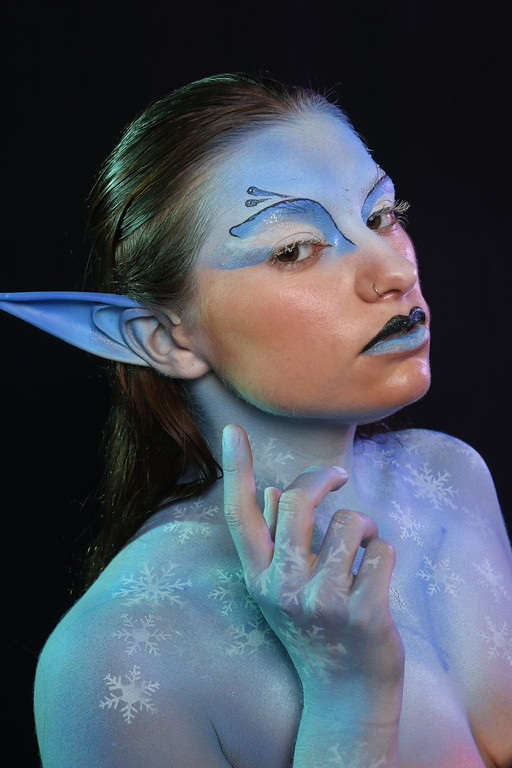
Ear prosthetics are a specialized component of special effects makeup used to alter or extend the natural structure of the ear for character design. In film, TV, theater and creature effects work, prosthetic ears help artists create entirely new anatomical forms, whether subtle character modifications or dramatic fantasy transformations.
For aspiring SFX makeup artists, learning how ear prosthetics are built and applied is an important technical skill. It introduces the workflow used in many professional prosthetic projects, from life casting and sculpting to material casting and final application.
Let’s go through the step-by-step process SFX artists follow to create and apply ear prosthetics used in professional productions.
Let’s Understand Ear Anatomy Before Designing a Prosthetic
Before touching a mold or sculpting tool, an aspiring special effects makeup artist needs a working knowledge of ear anatomy.
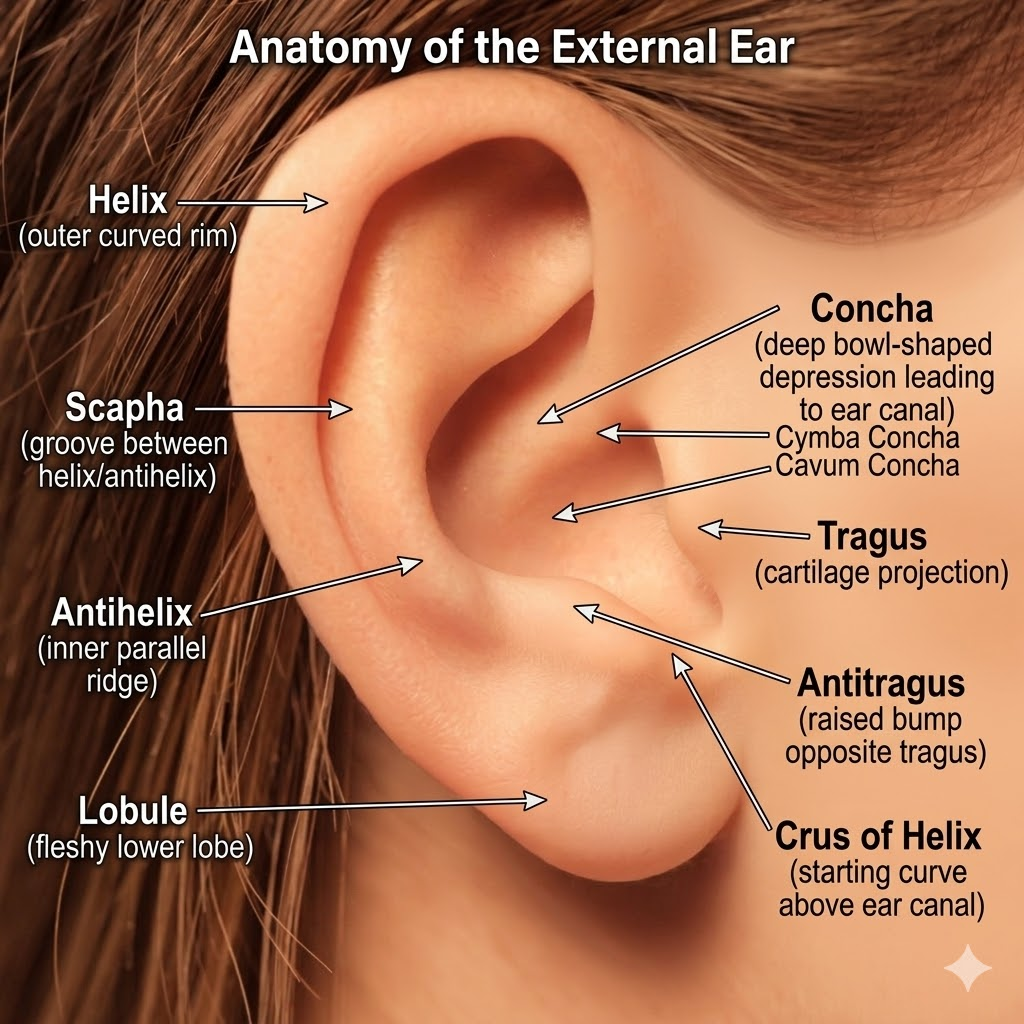
- Helix – the outer curved rim of the ear that forms the top and back edge
- Antihelix – the inner curved ridge running parallel to the helix
- Tragus – the small cartilage projection that partially covers the ear canal opening
- Antitragus – the raised bump opposite the tragus
- Concha – the deep bowl-shaped depression leading into the ear canal
- Lobule – the fleshy lower lobe, which varies significantly between individuals
- Scapha – the groove between the helix and antihelix
Learn Why SFX Makeup Artists Should Study Human Anatomy for Sculpting Realistic Prosthetics.
How to Build Ear Prosthetics with SFX Makeup?
Stage 1: Life Casting the Ear
A prosthetic ear is built to fit a specific performer, which means the process begins with an accurate impression of their ear. This is called a life cast.
- Start by inserting a soft foam earplug into the subject’s ear canal; this is a non-negotiable safety step. Never allow casting material to enter the ear canal.
- Apply a thin layer of petroleum jelly or barrier cream over the entire outer ear and surrounding skin.
- Mix alginate (fast-set, body-grade) to a smooth lump-free consistency and apply it immediately using a small brush or gloved finger, working the material into every contour, including the concha, scapha and the area behind the tragus.
- Apply a thicker secondary coat for structural integrity. Once set, carefully flex the alginate off the skin.
- Pour the negative mold immediately with Ultracal 30 or dental stone to create a positive cast. Alginate begins shrinking within 30–45 minutes, so timing matters.
- Once cured, remove the alginate to reveal your stone positive, which becomes your sculpt base.
Stage 2: Sculpting the Prosthetic Ear
Sculpting is where the character concept takes physical shape. Whether you are creating a pointed fantasy ear or a realistic replacement prosthetic, the sculpt must begin from an accurate anatomical base before any stylized modifications are added.
Tip: Always work in sulfur-free oil-based clay – Chavant NSP Medium or Hard is the industry standard. Sulfur-containing clays inhibit the cure of platinum silicone, which is the most widely used prosthetic material today.
Using the wrong clay will ruin an entire silicone pull.
Apply clay in stages: block in major masses first (helix, antihelix, concha depth), then refine surface planes and add skin texture using a stipple sponge lightly pressed into the clay surface, texture tools, or direct skin texture sheets.
Enroll now or book a tour to start your journey on becoming a special effects makeup expert with Cinema Makeup School in Los Angeles, CA!
Stage 3: Mold Making
Once the sculpt is approved, a two-part mold is built around it to allow the prosthetic material to be cast. Establish a clean parting line around the sculpt using a thin clay wall. The parting line must be placed where the mold halves can separate without trapping material in undercuts. Apply soap or release agent to all exposed stone surfaces before pouring.
Mix Ultracal 30 to a smooth slurry and brush a thin detail coat over the sculpture first, pressing material into all recesses. Build up to a structural thickness of at least 2.5–3 cm. Once set, apply the release agent to the first half and pour the second. After both halves cure, use wooden wedges (never metal) to carefully open the mold.
Remove all clay residue using naphtha or isopropyl alcohol (IPA) with a soft brush. Allow the mold to dry completely, as any residual moisture can prevent silicone from curing properly.
Get to know: Why Your Sculpt Looks Great in Clay but Fails in Mold?
Stage 4: Casting the Ear Prosthetic
Once the mold is cleaned and completely dry, the final ear prosthetic can be produced.
- Prepare the Mold: Ensure both mold halves are clean and fully dry. If required by the material system, apply a suitable release agent so the prosthetic can be removed without damaging delicate edges.
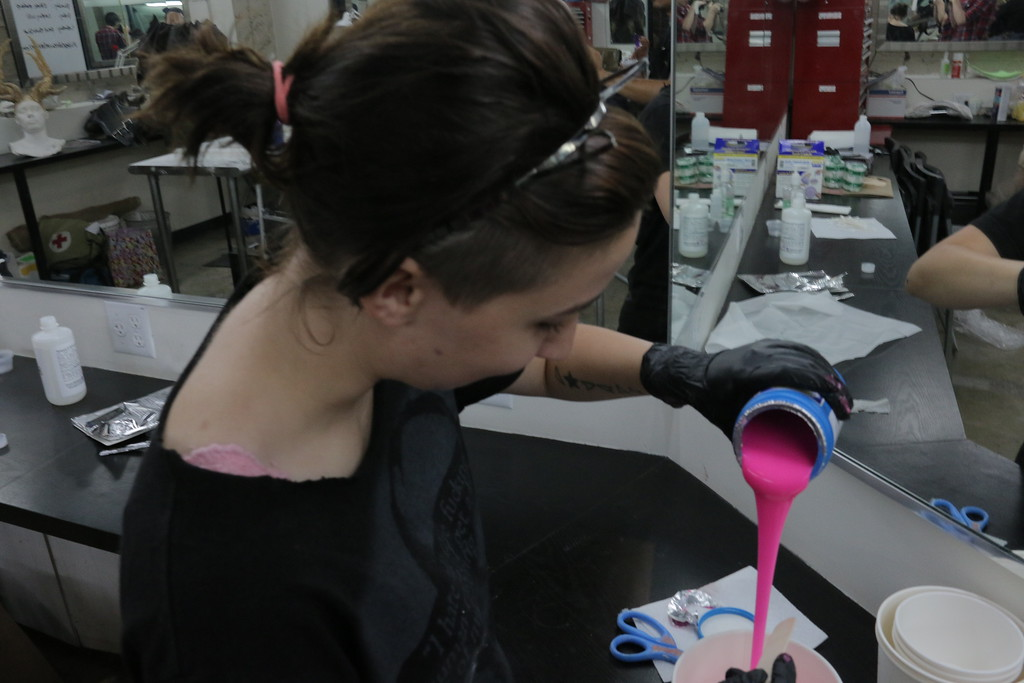
- Prepare the Prosthetic Material: Mix the prosthetic material, foam latex and platinum-cure silicone, both widely used in professional special effects work.
Read the article to know the difference – Foam Latex vs Silicone: Choosing the Right Material for SFX Prosthetics
- Fill the Mold: Introduce the prepared material into the mold by pouring, brushing, or injecting, depending on the material system.
- Close and Secure the Mold: Align the mold halves carefully and secure them so the prosthetic forms with the correct shape and edge thickness.
- Allow the Material to Cure: Depending on the material used, the mold is either baked or left to cure for the required amount of time to allow the prosthetic to fully set.
- Remove and Trim the Prosthetic: After curing, carefully open the mold and remove the prosthetic ear. Trim excess flashing and refine the edges so they taper thinly, allowing the appliance to blend naturally into the performer’s skin during application.
6. Edge Work and Finishing the Raw Piece
After demolding, the prosthetic ear requires finishing before it is ready for painting or application. One of the first tasks is removing flash, the thin layer of excess material that forms along the mold’s parting line. This material must be carefully trimmed using sharp, curved scissors or a scalpel.
The goal is to remove the excess without disturbing the delicate feathered edges that were built into the sculpt. These thin edges are critical because they allow the prosthetic to blend seamlessly into the performer’s skin. Once the excess material has been removed, the edges of the prosthetic should be examined closely.
7. Painting and Color Matching
Coloring is where many aspiring artists underestimate the work required. Human ear skin is not a single color; it contains multiple layers of tone, variations in vascularity, subtle translucency and localized areas of warmth or coolness that change depending on lighting conditions.
For Foam Latex Prosthetics:
Rubber mask grease paints (RMG) and alcohol-activated paints (such as Skin Illustrator or Reel Color) are the standard coloring media. Begin with a base coat that approximates the general skin tone of the actor, applied with an airbrush for smooth, even coverage.
Build color in translucent layers rather than one opaque coat. Add warmth to the concha and helix, cooler tones to recessed areas and subtle veining to the lobule if appropriate for the character.
For Silicone Prosthetics:
Silicone prosthetics are typically painted using silicone-based paints mixed from the same platinum silicone base as the prosthetic itself, thinned with silicone thinner or naphtha. These paints bond directly to the surface of the prosthetic and flex with it.
Intrinsic coloring added during casting handles the base tone; extrinsic painting handles surface detail, spot coloration and final matching to the actor’s skin under the specific lighting conditions of the production.
Enroll now or book a tour to start your journey on becoming a special effects makeup expert with Cinema Makeup School in Los Angeles, CA!
How to Apply Ear Prosthetics?
1. Prepare the Skin
Oils, sweat and skincare products can interfere with adhesives, so the area around the ear must be thoroughly cleaned.
Use a gentle cleanser or isopropyl alcohol to remove oils from the skin. If necessary, lightly shave any fine hair that may sit beneath the appliance. Many SFX artists also apply a thin layer of skin barrier spray to protect the performer’s skin from adhesives and solvents during long shooting days.
2. Test the Fit Before Applying Adhesive
Before applying any adhesive, perform a dry fit of the prosthetic. Place the ear prosthetic against the performer’s ear to confirm that it aligns correctly with the natural contours.
Check that:
- the edges lie flat against the skin
- the appliance does not create pressure points
- the alignment matches the intended character design
If the piece shifts or gaps appear, minor trimming may be required before proceeding.
3. Apply Prosthetic Adhesive
Once the fit has been confirmed, adhesive can be applied. The type of adhesive used depends on the prosthetic material and production requirements.
Professional SFX artists commonly use:
1) Pros-Aide or acrylic prosthetic adhesive
2) Medical-grade silicone adhesive
3) Spirit gum for lighter appliances
Apply a thin layer of adhesive to both the prosthetic edge and the performer’s skin. Allow the adhesive to become slightly tacky before positioning the appliance. This improves bond strength and prevents the piece from sliding during placement.
Learn Which Adhesives Are Used in Professional SFX Makeup?
4. Position and Attach the Prosthetic
Carefully position the prosthetic ear, starting from one anchor point, usually the upper helix or rear edge. Gradually press the appliance into place while working around the ear. Work slowly and apply gentle pressure to ensure the prosthetic makes full contact with the skin. Avoid stretching the piece excessively, as this can distort the sculpted shape.
Once positioned correctly, hold the edges in place for several seconds to allow the adhesive to fully bond.
5. Blend the Edges into the Skin
Even with thin sculpted edges, additional blending is usually required to make the transition invisible. Artists may use a small amount of Pros-Aide, acetone, or specialized edge-blending solvents depending on the material system. These products soften the transition between the prosthetic edge and the natural skin.
Using a stipple sponge or brush, lightly feather the edges until the seam disappears.
6. Final Touch-Ups and Sealing
After the appliance is fully attached and blended, adjust the color where necessary and refine the surface so the transition between the prosthetic and natural skin appears seamless.
To finish the application, apply a makeup sealer or setting spray to lock the paint in place and protect the prosthetic during long shooting hours.
More Helpful Blogs –
How Concept & Color Theory Boost Your Creature Design Skills
Character Makeup Skills You Need to Start a Career in SFX
How to Make Vampire Fangs With SFX Makeup?
Learn Professional Prosthetic Techniques at Cinema Makeup School
Creating prosthetic appliances requires a combination of artistic design, anatomical knowledge and technical mold-making skills. While tutorials and articles can introduce the process, mastering these techniques typically requires hands-on training with professional materials and guidance from experienced instructors.
Cinema Makeup School offers in-depth training in prosthetic design, life casting, sculpting, mold making and appliance application used in professional film and television productions.
Students work with industry-standard materials such as silicone, foam latex and prosthetic adhesives while learning the workflows used by professional SFX artists. Our special effects makeup programs are designed to help aspiring artists build practical skills, understand production-ready techniques and develop a portfolio suitable for the entertainment industry.
Take a tour of the Cinema Makeup School campus and explore the program that fits your goals.
Entering the film, television, or entertainment industry as a special effects makeup artist requires more than strong technical skills. Portfolios and hands-on experience matter, but interviews are often the moment where aspiring artists demonstrate their professionalism, their understanding of set environments and their readiness to work within a production team.
Hiring managers, department heads and makeup supervisors look beyond technical ability during interviews. They assess how a candidate communicates, how they handle pressure and whether they understand the workflows and responsibilities that come with working on a live set.
In this article, we will explore practical SFX makeup interview preparation tips that can help aspiring artists present their skills, experience and professionalism more effectively during industry interviews.
What Aspiring SFX Makeup Artists Should Prepare for an Interview?
Preparing for an SFX makeup interview involves more than showing creative work. Candidates should be ready to present a strong portfolio, answer common interview questions, demonstrate knowledge of safety and skin practices, provide professional references, communicate professionally and show awareness of current materials and industry practices.
1. Build and Organize Your Portfolio Correctly
Your portfolio is the first thing an interviewer will look at and in many cases, it determines whether the conversation continues or ends early. The way you build and present your portfolio tells the interviewer how you think about your own work.
What to include:
- Before and after photographs of your special effects makeup creation, with clear lighting that shows the detail of the work.
- Include images that demonstrate the different techniques you used in your projects, such as wounds, aging effects, creature prosthetics, body painting and character transformations.
- Process documentation: photographs taken during the creation process, including materials used and how the application was done.
- Showcase projects from different levels of experience, whether they are professional work, student film projects, theatre productions, or well-executed personal practice creations, as long as they clearly demonstrate your skills.
What to avoid:
- Overly filtered or heavily edited photos that hide the actual texture and detail of the makeup.
- Including work that you cannot fully explain or that you are not confident discussing.
- Portfolio items that are very similar to each other, variety demonstrates range.
- Poor image quality, inconsistent sizing, or disorganized presentation.
For in-depth knowledge, read this blog – How to Build a Portfolio That Gets You Hired as an SFX Makeup Artist?
2. Prepare for the Questions That Will Actually Be Asked
SFX makeup interviews often follow predictable patterns. The specific questions vary, but the themes remain consistent. Preparing thoughtful, honest answers to the following types of special effects makeup interview questions will put you in a much stronger position.
Q: Walk me through a challenging SFX effect you created.
Choose an example from your portfolio where something was technically demanding or where you had to solve a real problem. Describe the brief, the materials you chose and why, the process, any difficulties that came up and how you resolved them. Keep the answer focused on what you actually did and what you learned from it.
Q: How do you handle last-minute makeup changes on set?
This question is testing your composure and adaptability. Give an example of a time when something changed unexpectedly, describe how you responded practically and what the outcome was.
Remember: Employers want to hire SFX artists who can stay calm and find solutions under pressure, not someone who panics or pushes back against changes.
Q: What products or materials do you prefer to work with and why?
This question checks the depth of your technical knowledge. Have a genuine answer. Talk about specific products you have used, what you like about their properties and what you find challenging about them. If you have a preference for certain brands or formulations, be ready to explain the reasoning behind that preference.
Q: How do you ensure continuity across multiple shooting days?
Continuity is one of the most critical responsibilities for special effects makeup artists working in film and television. Explain how you document and recreate the same SFX makeup look for each shooting day.
This may involve maintaining detailed notes about the products used, the order of application, color mixtures and the placement of effects. If you have direct experience managing continuity on a project, highlight that as part of your answer.
Check Out: Career Options for Special Effects Makeup Artists
Enroll now or book a tour to start your journey on becoming a special effects makeup expert with Cinema Makeup School in Los Angeles, CA!
3. Demonstrate Knowledge of Health, Safety and Skin Considerations
SFX makeup involves direct contact with an actor’s skin, sometimes for extended periods and with materials that carry risks if applied incorrectly. Employers take this seriously and so should you.
During the interview, make it clear that you understand the health and safety responsibilities involved in SFX makeup work. Briefly mention the key practices you are familiar with, as this demonstrates professionalism and awareness of on-set standards.
Tell the interviewer that you understand:
- Patch testing procedures and why they matter before applying new products or prosthetic adhesives
- How to identify common skin reactions and respond appropriately if irritation occurs
- Safe removal of adhesives, prosthetics and heavy makeup without causing skin damage
- Proper hygiene practices when working with shared tools, including cleaning brushes and sanitizing palettes
- Basic skin types and conditions that can affect product adhesion and wear time
- Cosmetic safety guidelines and which materials are approved for professional use on skin
Get to know: Importance of Hygiene and Safety in SFX Makeup Careers
4. Prepare Your Professional References and Credited Work
Most professional interviews in the SFX makeup industry will involve some form of reference check. Preparing this information in advance ensures that you can respond confidently if an interviewer asks about your previous work or professional contacts.
| What to Prepare | What It Should Include |
|---|---|
| Professional References | A list of two to three people who can speak about the quality of your work, reliability and professionalism in a working environment. |
| Reference Contact Details | Email addresses or phone numbers of your references. Inform them in advance that they may be contacted by employers. |
| Credited Work List | A clear list of productions you have worked on, including the project name, your role and the makeup department head or supervisor you reported to. |
| Student or Small Productions | If your experience includes student films or small productions, mention them honestly while explaining your contribution and what you learned from the project. |
Note: Building a credited work list becomes significantly easier when your SFX makeup training is tied to real production experience. At Cinema Makeup School, students graduate with more than a certificate, they leave with actual industry credits that reflect the professional-level work completed during their training.
Our graduates are working artists in film and television and their credits are a direct result of the hands-on, production-focused environment our special effects makeup school provides.
If you are currently looking to strengthen both your skills and your credited work before entering the job market, the SFX makeup courses at Cinema Makeup School are structured to prepare you for exactly the kind of professional environment that interviewers expect you to understand.
Book a campus tour and see where your training begins.
5. Communicate Clearly and Maintain Professionalism During the Interview
Answer questions directly and concisely. If you do not know the answer to a technical question, say so honestly and then say what you would do to find the answer or how you would approach the problem.
Interviewers know that no one has experience with every material or technique. What they are assessing is whether you are honest and how you think through unfamiliar situations.
Avoid speaking negatively about previous employers, production teams, or colleagues. The industry is interconnected and the person interviewing you may have a professional relationship with someone you mention.
Don’t Miss These Articles –
Airbrush Makeup Artist Career Roadmap
Character Makeup Skills You Need to Start a Career in SFX
Freelance vs. Studio Work: Which SFX Career Path Should You Choose?
6. Staying Updated on Products and Industry Developments
The SFX makeup industry is constantly moving forward. New materials, adhesives and application products enter the market regularly and what was considered standard practice years ago may now be outdated or replaced by something more effective.
Interviewers who work in active productions are aware of current materials and when a candidate speaks only about older techniques as if they are still the industry standard, it signals a gap in professional engagement. Staying current does not mean you need to have used every new product, but it does mean you should know what is available, what it is used for and how it compares to what you already work with.
Enroll now or book a tour to start your journey on becoming a special effects makeup expert with Cinema Makeup School in Los Angeles, CA!
So you have decided you want to learn special effects makeup. Maybe you have been watching tutorials or behind-the-scenes footage on your favourite SFX artist’s channel, obsessing over how characters and creatures are built from scratch. Or maybe you have been doing basic makeup for a while and now you want to go deeper into prosthetics, sculpting and character design.
The training you receive from an SFX makeup school directly shapes your skills, the quality of your work and your career. So taking the time to properly evaluate your options before enrolling is not just smart, it is necessary.
In this blog, we are going to walk through every major factor you should be looking at when choosing an SFX makeup course.
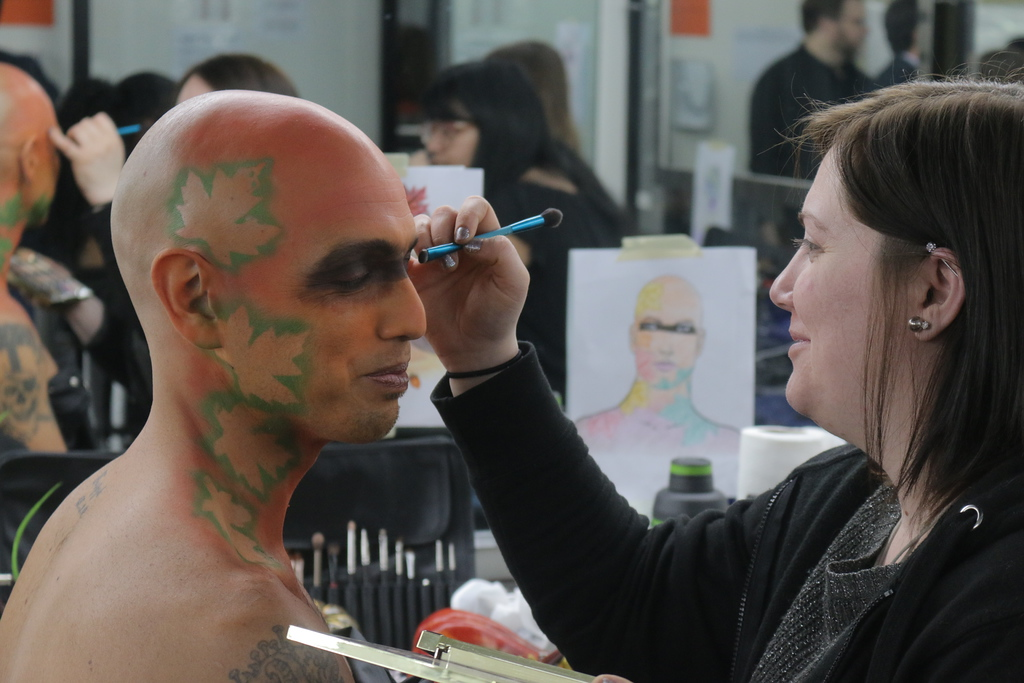
What to Look for Before You Enroll in a Special Effects Makeup School?
It is important to evaluate what the course actually offers. Factors such as the curriculum, instructor experience, hands-on training, portfolio support, facilities and industry preparation all play a key role in how effective the training will be. Reviewing these aspects can help you choose a program that supports your skill development and career goals.
1. Special Effects Makeup Course Curriculum
Before enrolling anywhere, read the full curriculum carefully. What specific techniques are covered? Does the course include sculpting, mold-making, foam latex, silicone prosthetics, life casting, wound and injury simulation, creature design, aging makeup and hair work? Or does it only cover a couple of these areas?
This matters because SFX makeup is not about one single skill. It is a collection of many interconnected disciplines. Production sets and clients expect SFX artists to bring a full set of skills, not just one or two tricks.
2. Instructor Experience
The instructors are the ones who will answer your questions, correct your technique and give you feedback on your work. So it makes sense to actually find out who they are before you enroll.
Look into the professional background of the instructors.
- Have they actually worked in the industry?
- Do they have film or television credits?
- Have they worked on productions that required the kind of SFX makeup you want to learn?
If a special effects makeup school does not mention instructors’ backgrounds, ask them directly.
3. Reputation and Reviews of the School
Take time to look at what past students are saying about their experience. Testimonials and reviews give you an honest picture that marketing material simply cannot.
Look for reviews that go beyond general praise. Specific detail in a review is usually a sign that it is genuine. Also, look at where graduates are now. Are former students working in film, television, editorial, haunted attractions, or other professional SFX contexts?
Look across multiple platforms such as Google reviews, social media comments and industry forums, rather than relying only on testimonials published on the school’s own website.
Cinema Makeup School is rated 4.7/5 on Google. Enroll now or book a tour to start your journey on becoming a special effects makeup expert with Cinema Makeup School in Los Angeles, CA!
4. Real Project Experience During Training
If a course only ever gives you classroom practice with no real-world application, you are going to be underprepared the first time you step onto an actual set or deliver work for a paying client.
Check if the students get to work on real productions, films, live events, or any external projects during their training. Even short, low-budget productions are enormously valuable because they replicate the conditions of real work, time pressure, director input, continuity requirements and working as part of a larger creative team.
This kind of experience also gives you actual production credits to include in your portfolio. It tells hiring departments that you already understand set etiquette, continuity, the pace of a working production and that you can deliver under real conditions, not just controlled ones.
5. Portfolio Building Support
Your portfolio is the most important tool you have when you are starting out in the SFX makeup industry. It is what gets you hired. A good SFX makeup artist course should not just teach you techniques; it should actively help you build a set of work that you can use professionally.
Choose the program where students are guided on which pieces to include and how to present them.
Good photography of your SFX work is essential. Some courses include photography sessions or guidance on shooting your work as part of the program. If they do, that is a genuine value-add.
6. Industry Standards Taught in the Course
Technical skill is the foundation of SFX makeup, but it is not the only thing that makes an artist hireable and professional. Industry knowledge and professional conduct are what separate artists who get hired easily.
Before enrolling, confirm:
- Does the course teach hygiene and sanitation standards for working on skin?
- Does it cover material safety, which chemicals require ventilation, which adhesives can cause reactions, how to handle and store hazardous materials properly?
- Does it address on-set etiquette, how to communicate with a director, how to work within a makeup department and how to behave professionally under pressure?
These things matter enormously in real professional contexts.
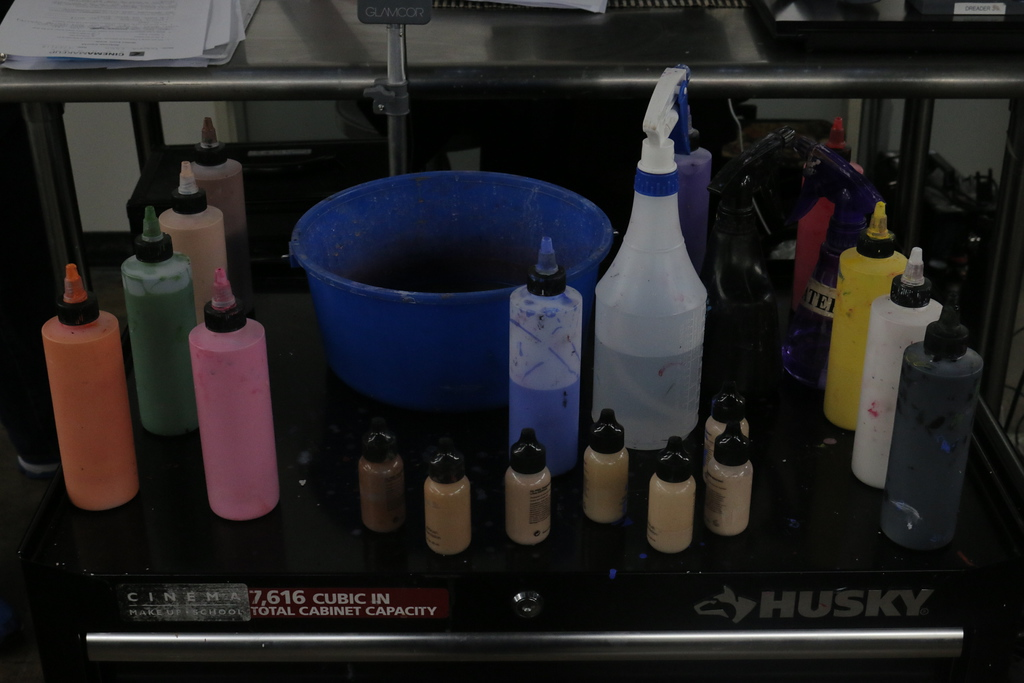
Learn the Importance of Hygiene and Safety in SFX Makeup Careers
7. Hands-On Training vs. Theory-Based Learning
When you are learning SFX makeup, actually doing the work matters more than watching it being done.
Find out how much of the course is hands-on practice versus lectures and demonstrations. Are students working with real materials like silicone, foam latex and sculpting clay throughout the program? Or is most of the time spent observing the instructor?
The more time you spend working with your own hands during training, the more prepared you will be when you step into a real job.
8. Individual Attention During Training
SFX makeup is a skill that develops differently for every student. Some students pick up sculpting quickly but struggle with blending. Others find prosthetic application easy but need more time with mold-making. The point is, every student has a different learning curve.
A good course should have enough instructor presence to recognize where each student is struggling and give them specific guidance on it.
9. Materials and Facilities Available to Students
During your SFX makeup course, you should be working with the same materials used in the industry. If the course is using low-quality substitutes or has very limited supplies, you are not getting an accurate professional experience.
Also, make sure the workspace itself is properly equipped. SFX work requires adequate space, ventilation and the right equipment to carry out the full range of techniques you are being taught.
10. Length and Depth of the Program
SFX makeup is not something you master in a weekend. It takes consistent work over time to develop real fluency across all the techniques that professional work demands.
That said, not everyone needs to cover everything at once; the right program length depends on what you are trying to achieve.
Diploma vs Certificate in SFX Makeup Course: Which Path Should You Choose?
11. Community Around the Course
Look at the kind of community a special effects makeup school has built.
- Are there active alumni networks?
- Do graduates stay connected to the school and to each other?
- Is there a culture of collaboration and mutual support in the learning environment, or does it feel purely transactional?
In the SFX industry, projects often come through a strong network, such as a former classmate on a production who can refer you for a job.
12. Cost – What You Are Actually Paying For?
Before you start comparing courses, have a general idea of what SFX makeup training typically costs in your area. Prices can vary a lot depending on the country, city and type of program.
If you have a rough understanding of the average, you will be in a much better position to judge whether a course is reasonably priced, overpriced, or suspiciously cheap.
SFX Makeup School Costs: What to Expect and How to Afford It
What Makes Cinema Makeup School a Strong Choice for SFX Makeup Education?
Cinema Makeup School offers diploma programs, certificate courses, bootcamps and workshops, so whether you are looking for a comprehensive long-term program or a shorter focused course, there is an option that fits your requirements.
Our instructors are working industry professionals who will give you the knowledge that goes beyond technique, including the real experience of working on major productions.
Special effects makeup training here is hands-on from day one. Students work with professional-grade materials throughout the program and build a portfolio of actual work by the time they graduate. Our SFX makeup course also considers training about industry standards, hygiene, material safety and on-set conduct.
For students who need flexibility with payments, financing options are available. Today, more than 10,000 alumni from Cinema Makeup School are working across film, television and entertainment.
Thinking about joining a professional SFX makeup program? Schedule a tour of our campus to explore the classrooms, studios and creative spaces where artists learn.
You’ve been practicing SFX makeup for a while now. You understand the materials, you have watched countless tutorials online and your work keeps improving with every attempt. But when it comes to applying for real jobs in the industry, you keep hitting the same problem: everyone wants experience and you do not have any yet.
This is exactly where SFX makeup internships become incredibly valuable. They are not just something to add to a resume; they are opportunities to step into the professional environment of film, television, or live productions.
Let’s explore how these internships can become one of the most valuable opportunities for artists who want to build a long-term career in the SFX industry.
Are Internships More Important Than a Certificate in SFX Makeup?
Honestly, yes, in most cases. A special effects makeup certificate shows that you completed a course. An internship shows that you can actually do the work in a real environment. When someone is hiring for a production, they are not looking at your grades. They want to know if you have been on a set before, if you can handle pressure and if you can deliver clean work fast.
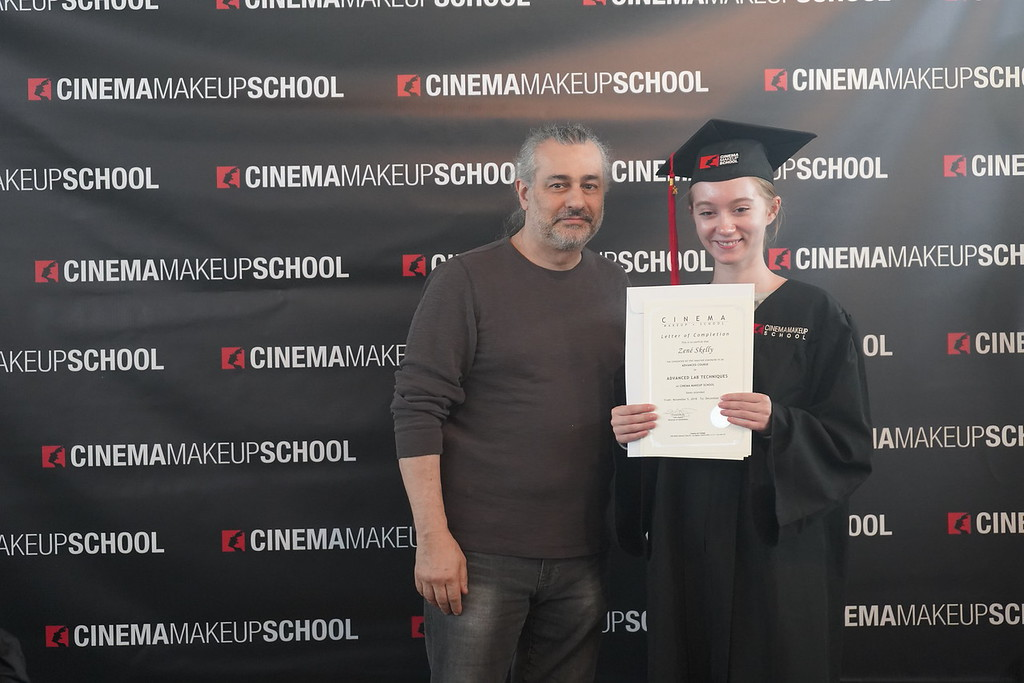
Enroll now or book a tour to start your journey on becoming a special effects makeup expert with Cinema Makeup School in Los Angeles, CA!
That does not mean a certificate is useless. It can teach you the fundamentals, give you structured practice time and help you build a basic portfolio before you apply for sfx makeup internships. Think of it this way: a certificate gets you ready, but an internship gets you hired.
A Guide on Diploma vs Certificate in SFX Makeup Course: Which Path Should You Choose?
Here is a straight comparison so you can see the difference clearly:
| Factor | Certificate/Course | SFX Makeup Internship |
| What you learn | Techniques, theory and controlled practice | Real application under actual production conditions |
| Who teaches you | Instructors following a curriculum | Working professionals on live projects |
| Portfolio outcome | Practice work done in class | Work from real productions that you can show employers |
| Industry connections | Limited to classmates and teachers | Direct access to directors, lead artists and crew |
| Set experience | None | You are on an actual set from day one |
| How employers see it | Shows you have basic knowledge | Shows you can handle a real job |
| Cost | You pay for it | Often paid or free, sometimes academic credit |
Note:
Cinema Makeup School goes beyond teaching the techniques. Our special effects makeup courses are designed to help students understand how professional production environments actually work.
Through hands-on projects and guidance from instructors with real industry experience, students learn the workflows, expectations and standards used in film and television makeup departments. This kind of preparation helps artists feel more confident and ready when they step into real industry opportunities.
How Special Effects Makeup Internships Open the Door to Career Opportunities?
Internships help you gain production credits, strengthen your portfolio with real work, understand different career paths and build connections with professionals. You will develop confidence and learn the industry standards expected on film and television production sets.
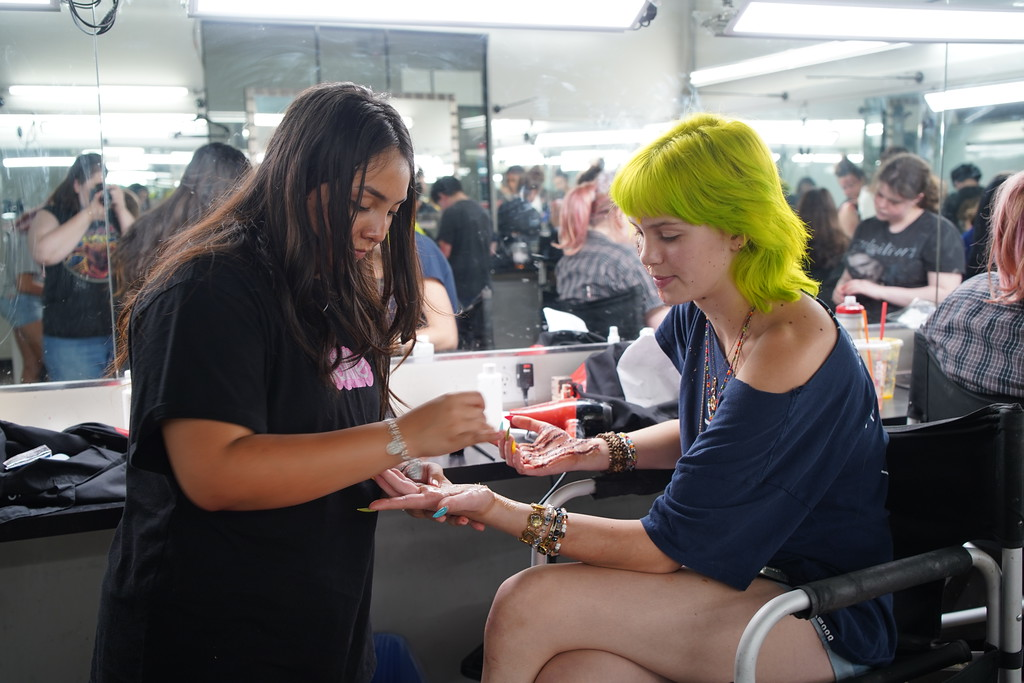
Enroll now or book a tour to start your journey on becoming a special effects makeup expert with Cinema Makeup School in Los Angeles, CA!
1. You Get Your First Real Credit
The moment you complete a special effects makeup internship, you have a legitimate credit. You worked on a real project. You can name the production, the team and the role you played. That one line on your profile changes how people perceive you. It tells them you have been in a real environment and you handled it.
2. Your Portfolio Actually Means Something
Most aspiring SFX artists have a portfolio before they ever step into an internship; practice shots are taken at home. There is nothing wrong with that and it is a good way to get started. But industry professionals can immediately tell the difference between a practice shot and work done on a real production.
The lighting is different. The finish is tighter. The context is clear. When your portfolio includes work from internships, even if you were assisting and not leading, it signals that you know how to perform under professional conditions.
Learn How to Build a Portfolio That Gets You Hired as an SFX Makeup Artist?
3. You Discover Your Career Direction in SFX Makeup
Special effects makeup includes many different specialties and beginners often don’t realize how varied the field is until they see professionals at work. Some artists focus on prosthetics and sculpting, while others specialize in on-set character makeup, creature design, or technical effects.
By observing these roles in real working environments, aspiring special effects makeup artists begin to understand which type of work interests them the most. This clarity helps them focus their learning, build a stronger portfolio in the right area and gradually shape a career path that matches their strengths and creative interests.
4. Lead to Your First Industry Referrals
In the film and television industry, many opportunities come through recommendations rather than job postings. When professionals see your work ethic and skills during training or early project experience, they are more likely to suggest your name for future productions.
A referral from an experienced SFX makeup artist carries strong credibility because it comes from someone who has already observed how you work in a professional environment. For many beginners, these recommendations become the first step toward getting real opportunities and building a career in the industry.
5. You Gain Confidence for Future Projects
Confidence in the SFX industry often comes from real experience rather than practice alone. Once you have worked in a professional environment, you begin to understand how sets operate, how to communicate with directors and actors and how to manage your workspace during busy production days.
That early exposure creates a strong foundation. Instead of worrying about the basics, artists can focus more on the creative side of the job. This shift in confidence is noticeable on set and experienced professionals tend to recognize it quickly.
6. You Learn Real Industry Standards
Working in a professional production environment introduces you to the standards that experienced artists follow every day. Makeup departments operate with clear systems for organization, hygiene, preparation and time management. Observing these practices helps beginners understand how professionals maintain efficiency and consistency during busy production schedules.
Artists quickly learn the importance of arriving prepared, keeping their workstations organized, handling materials responsibly and staying focused during long filming days. These habits prepare them to operate at the same level of professionalism that the industry demands.
Get to know: Importance of Hygiene and Safety in SFX Makeup Careers
How to Find SFX Makeup Internships?
Finding SFX makeup internships requires a combination of research, outreach and preparation. Here is a practical approach to getting your foot in the door:
- Build a strong beginner portfolio before applying. Even if it is just practice work done at home, having photos of clean character transformations is helpful.
- Reach out directly to local film production companies, theater groups, haunted attractions and SFX studios. Many special effects makeup internships are never advertised publicly; they are filled through direct inquiries from motivated candidates.
- Attend industry trade shows, workshops and conventions such as IMATS (International Makeup Artist Trade Show), where you can connect with SFX professionals and learn about available internship programs.
- Leverage social media platforms, particularly Instagram and TikTok, to showcase your SFX makeup work and connect with working artists.
Take a tour of our SFX makeup school in Los Angeles, CA and get prepared to pursue a career in special effects makeup.
If you love makeup and want to turn your passion into a full-time career, one big question probably comes to your mind: Do I need a makeup artist certification?
With so many self-taught artists on social media, it may seem like certification isn’t needed. But if you want a long-term career in the makeup industry, proper training can really help. It not only improves your skills but also builds credibility and opens doors to professional opportunities.
In this blog, we’ll explore how a makeup artist certification helps in different career paths and whether it’s worth the time and money.
Don’t Miss: Career Options for Special Effects Makeup Artists

What Is a Makeup Artist Certification?
A makeup artist certification is a professional credential that proves you have completed formal training in makeup artistry. It shows that you have learned industry techniques, hygiene standards, product knowledge and practical skills under expert guidance.
A certification program gives you in-depth knowledge about:
- Professional makeup techniques and application methods
- Skin analysis and proper product selection
- Industry hygiene and sanitation standards
- Client consultation and face assessment
- Fashion and editorial makeup fundamentals
- Understanding tools, brushes, and cosmetic products
- Special effects makeup concepts and creative techniques
- Business, branding, and client management skills
Makeup certification transforms talent into expertise, giving you the knowledge, safety practices and professional edge every artist needs.
How Certification Helps in Different Career Paths?
A makeup artist certification builds a strong foundation that can support multiple career paths in the beauty and entertainment industry. Each field requires different technical skills, creativity levels and professional standards. Formal training prepares you to confidently work in diverse environments while maintaining quality and consistency.
Let’s look at how certification supports different makeup careers.
1. Special Effects (SFX) Makeup
Special effects (SFX) makeup is one of the most technical and creative fields in the industry. It focuses on transformation, realism and storytelling rather than everyday beauty. SFX is commonly used in films, web series and theatre to create dramatic character effects.
SFX makeup includes:
- Creating wounds, scars, burns and injuries
- Prosthetics and creature design
- Aging and fantasy character effects
- Mold making and material handling
SFX involves specialized materials like latex and silicone; professional training is essential for safety and realistic results. Cinema Makeup School is known as a leading institute offering diploma and certificate programs in special effects makeup, with strong hands-on training and industry-focused techniques.
2. Film and Television
Makeup for film and television is very different from everyday beauty makeup. Under strong studio lights and high-definition cameras, even small mistakes become visible. Professional certification prepares you for these technical demands.
Key skills required in film and TV:
- Understanding studio and on-set lighting
- Continuity management (maintaining the same look across scenes)
- Character transformation techniques
- Team coordination with directors and costume departments
Proper training builds both technical skill and professional discipline, which are essential for success in the film and television industry.
Get insights on: On-Set SFX Makeup Challenges and How Artists Solve Them

Enroll now or book a tour to start your journey on becoming a special effects makeup expert with Cinema Makeup School in Los Angeles, CA!
3. Fashion and Editorial
Fashion and editorial makeup is bold, creative and trend-driven, requiring both artistic vision and precise technical skill. Editorial looks are often experimental, designed to make a striking statement.
Editorial makeup demands:
- Strong understanding of color balance
- Knowledge of face structure and proportions
- Awareness of runway and global beauty trends
- Collaboration with photographers and stylists
Certified artists often get opportunities to assist senior makeup artists backstage at fashion shows or work on styled photoshoots. Professional training helps refine blending skills, creativity and presentation. It also helps in building a polished and versatile portfolio that attracts fashion clients and creative collaborations.
Check out our YouTube channel to get a glimpse of special effects makeup creations by our students.
4. Teaching and Training
Certified makeup artists can also share their expertise through teaching. Training others establishes your authority and expands your career possibilities.
Key skills required for teaching makeup:
- Curriculum design for workshops and courses
- Clear demonstration of techniques and professional standards
- Mentoring students and providing constructive feedback
- Online and in-person teaching adaptability
Certification validates your knowledge, making you a trusted instructor in beauty schools, academies, or online platforms.
Benefits of Makeup Artist Certification
A makeup artist certification offers more than just a certificate: it provides professional training, practical exposure and career-building support. It helps you develop technical skills, gain confidence and stand out in a competitive beauty industry.
1. Structured Learning
Certification gives you step-by-step training from the basics to advanced techniques. You learn skin prep, color theory, hygiene and professional application methods in a clear and organized way, which saves time and reduces mistakes.
2. Hands-On Practice
You practice on real models under expert guidance. Trainers correct your blending, symmetry and technique, helping you gain confidence and real-world experience.
3. Industry Credibility
Being certified adds professionalism to your profile. Training from recognized institutes like Cinema Makeup School builds client trust and helps you stand out in competitive markets.
4. Professional Portfolio Development
Certification programs help you create a strong portfolio with high-quality images, which is essential for attracting clients and job opportunities.
5. Business Knowledge
Many programs also teach pricing, client handling, contracts and branding, helping you turn your makeup skills into a successful business.
6. Networking Opportunities
You get exposure to industry professionals, photographers and stylists, which can lead to internships, collaborations and better career opportunities.
Also read, Networking Tips for Aspiring SFX Makeup Artists

Enroll now or book a tour to start your journey on becoming a special effects makeup expert with Cinema Makeup School in Los Angeles, CA!
Turning Your Certification Into Real Career Success
Earning a makeup certification is just the first step; how you leverage it can define your career. The following tips will help you get the most out of your program, build professional skills and open doors to exciting opportunities in the industry.
- Choose Reputable Institutions – Make sure the makeup school is recognized in the industry. Graduates from top programs have gone on to work on blockbuster films, fashion campaigns and high-profile projects.
- Focus on Specialization – Decide whether you want to become a beauty artist, SFX specialist, or a multi-disciplinary professional and tailor your training accordingly.
- Build a Strong Portfolio – Use course projects to create a diverse portfolio that showcases your versatility and skills to potential clients or employers.
- Stay Updated with Trends – Ensure your training includes the latest industry techniques and styles to remain competitive and relevant.
- Network Actively – Connect with instructors, alumni and industry professionals to open doors to collaborations, job opportunities and your first big break.
Book a tour of our campus today and experience hands-on certification training that prepares you for a professional makeup career..
FAQs
1. Can I succeed in makeup without certification?
Ans: Yes, many artists build a career through social media or freelance work. But certification gives credibility, faster career growth and access to professional networks that self-taught artists may miss out on.
2. Is online makeup certification enough?
Ans: Online makeup courses are useful for learning theory, but makeup artistry requires hands-on experience.
3. How does certification improve client trust?
Ans: Certification shows you are trained and meet professional standards. This makes clients trust you more and feel confident booking you for photoshoots or events.
Enroll now or book a tour to start your journey on becoming a special effects makeup expert with Cinema Makeup School in Los Angeles, CA!
Aliens have always pushed the boundaries of imagination in film, television and Halloween culture. It is created using bold colors, creative shapes and unique designs. In special effects makeup, it’s a fun, low-pressure style that gives you the freedom to experiment with different shades, textures and details while building your confidence.
In this article, we will explore simple, beginner-friendly alien makeup ideas that focus on basic techniques, easy-to-use products and step-by-step approaches to help you create a clean and well-executed character look.
What is Alien Makeup?
Alien makeup is a creative fantasy makeup style that transforms your face into an outer-space or alien-inspired character. It focuses on bold colors, dramatic designs and unique artistic details. This look is popular for Halloween, cosplay, costume parties and social media content because it allows complete creativity and fearless experimentation.
It includes:
- Bright face paints like green, blue, purple, or neon shades
- Glitter and metallic eyeshadows for a futuristic effect
- Graphic eyeliner and bold eye designs
- Rhinestones, gems, or shimmer details
- Dramatic contouring to change face shape
- Sometimes prosthetics for advanced alien looks
Why Alien Makeup is Perfect for Beginners?
Alien makeup reduces the pressure to achieve a flawless, natural finish and instead allows room for creative exploration. There are no strict beauty standards to follow, no requirement for perfect symmetry and no obligation to match realistic skin tones. Rather than concentrating only on seamless blending, you can work with bold colors, unconventional shapes and varied surface details in a more relaxed learning environment.
Simple products such as face paints, eyeliners, glitter and eyeshadows are sufficient to create a visually strong result.
Starting with a single colored base and gradually adding defined lines, contours, or highlights allows you to build complexity step by step, producing a dramatic look without requiring advanced techniques or materials.
Enroll now or book a tour to start your journey on becoming a special effects makeup expert with Cinema Makeup School in Los Angeles, CA!
7 Quick Alien Makeup Looks for Beginners
From the classic green alien and a sparkling glitter galaxy design to a sleek metallic silver look, each style is simple yet eye-catching. You can also experiment with a minimalist alien with graphic lines, a creative three-eyed alien design, a bold neon alien glow, or a dramatic alien with glitter tears.
1. Classic Green Alien Makeup
The classic green alien look is the most popular and easiest alien makeup idea. It’s perfect for beginners who want a bold but simple transformation. With just a few steps, you can create a mysterious and striking alien appearance in under 30 minutes.
Steps to achieve this look:
- Apply base: Cover your face and neck evenly with green face paint or green foundation for a smooth, flawless base.
- Contour: Use darker green or black eyeshadow along your cheekbones, sides of your nose and jawline to give your face a sharper, more alien-like shape.
- Eyes: Add bold black eyeliner and dramatic lashes to make your eyes pop. Optionally, use white eyeliner on the lower lash line to make your eyes appear larger.
- Lips: Finish with dark green or black lipstick to complete the transformation.
This look is simple, bold and a great starting point for anyone experimenting with alien makeup.
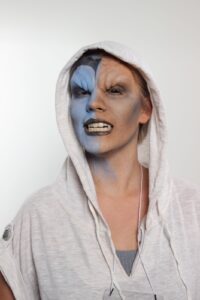
Enroll now or book a tour to start your journey on becoming a special effects makeup expert with Cinema Makeup School in Los Angeles, CA!
2. Glitter Galaxy Alien Makeup
If you love bold, sparkling makeup, the glitter galaxy alien is a perfect choice. It creates a cosmic, out-of-this-world vibe, blending shimmer and creativity for a magical, futuristic effect.
Start with a dark base of purple, blue, or black eyeshadow, blending across your eyelids and temples. Add tiny white dots for stars, then apply glitter on your cheekbones, eyelids and forehead. Finish with rhinestones or gems around the eyes and metallic silver or purple lips. This look is perfect for photos and bright lights.
Pop Tip: Use a small fan brush or a fluffy eyeshadow brush to gently dust glitter in layers that keep it from clumping and give a smooth, galaxy-like shimmer.
3. Metallic Silver Alien Makeup
The metallic silver alien look is super cool and futuristic, giving off strong robotic vibes. It’s easy enough for beginners to try, but still stylish enough to stand out at costume parties, cosplay events, or any sci-fi themed gathering.
Create the Effect:
- Apply Base: Cover your face evenly with silver cream eyeshadow or metallic paint. Blend well to avoid streaks.
- Add Dimension: Contour under cheekbones and around your nose with dark grey for a sculpted, alien look.
- Define Eyes: Use bold black eyeliner and add thin geometric lines on the forehead or cheeks for a sci-fi effect.
- Finish Lips: Apply silver lipstick or clear gloss for a polished, futuristic finish.
Learn Sci-Fi, Horror, Fantasy and Creature Makeup at a Professional SFX Makeup School
4. Minimalist Alien With Graphic Lines Makeup
If you don’t want to cover your full face with color, the minimalist alien look is a modern and easy option. It focuses on creative design rather than full-face paint, making it perfect for beginners. Keep your base natural with your regular foundation and let your facial features shine.
Use neon eyeliner (green, blue, or pink) to draw graphic lines around your eyes, extending them to your temples or adding small alien symbols on your forehead. Add white dots near your eyebrows or cheekbones for a subtle, unique touch and keep lips neutral or slightly glossy.
Extra Tip: Experiment with different line shapes and patterns, triangles, zigzags, or dots can make your design stand out while still keeping the look simple and wearable.
5. Three-Eyed Alien Design Makeup
The three-eyed alien design is a creative and fun look that’s easy to achieve. It’s perfect for anyone who wants to experiment with bold, imaginative makeup. This look instantly transforms your face into something otherworldly, combining mystery and style.
Step-by-Step Guide:
- Apply Base: Start with your regular foundation for an even canvas.
- Draw the Third Eye: Use eyeliner to sketch a third eye in the center of your forehead.
- Fill and Detail: Add eyeshadow and lashes or intricate lines to make it realistic.
- Highlight: Use white or silver shimmer around the third eye to make it pop.
- Contour: Apply green or purple contour for extra dimension and drama.
This design is a standout choice for anyone looking to create a bold and unforgettable alien look.
More Helpful Blogs –
Airbrush Skull Makeup for Horror Characters
Halloween Makeup Ideas Inspired by Iconic Horror Movies
6. Neon Alien Glow Makeup
The Neon Alien Glow Look is a striking, futuristic style that comes alive under UV or party lights. Vibrant neon shades instantly give your face a glowing, otherworldly vibe perfect for festivals, raves, or night events. This look is bold, playful and a fun way to experiment with creative makeup. Anyone can try it, even beginners, to stand out in the crowd with a bright, eye-catching design.
Paint bold neon shapes or dots around your eyes and cheeks, add highlighter to cheekbones and nose tip and finish with glossy or neon lips. Keep the rest of your face minimal so the colors truly pop.
Pop Tip: Build neon colors in layers with a small brush for sharp, bright and precise designs.
7. Alien With Glitter Tears Makeup
The Alien With Glitter Tears look is dramatic, emotional and surprisingly easy to do, perfect for beginners who want a creative, magical style.
Step-by-Step Guide:
- Base: Apply light green or blue foundation.
- Eye Makeup: Complete your eye look first.
- Glitter Tears: Add glitter glue under the eyes and stick loose glitter in tear shapes.
- Extra Sparkle: Mix silver and holographic glitter for a magical effect.
- Lips: Keep them soft and glossy.
Important Note: While this guide will help you create fun and creative alien makeup looks, developing advanced techniques may require specialized training and that’s where Cinema Makeup School comes in.
We offer a comprehensive SFX Makeup Course that covers a wide range of topics, including character design, prosthetic application, mold-making, creature creation, aging effects and detailed special effects techniques to help you build strong professional skills.
Check out our YouTube channel, where we share tutorials, behind-the-scenes looks and quick transformation videos to inspire your creativity.

Enroll now or book a tour to start your journey on becoming a special effects makeup expert with Cinema Makeup School in Los Angeles, CA!
Tips to Achieve a Perfect Alien Makeup Look
Even simple alien makeup can look professional with the right techniques. Here are some easy tips to take your look to the next level:
- Prep Your Skin: Always moisturize and apply primer before starting.
- Make It Last: Use a setting spray to keep your makeup in place for longer.
- Blend Well: Smooth transitions and proper blending prevent harsh lines.
- Match Your Colors: Choose shades that complement your costume or theme.
- Plan Ahead: Practice your design on paper before applying it to your face.
Schedule your visit to our campus and explore our classrooms, labs and hands-on training environment.