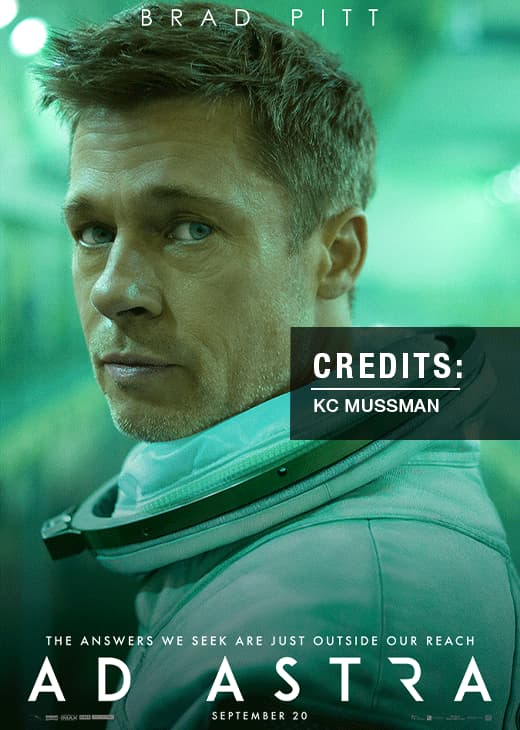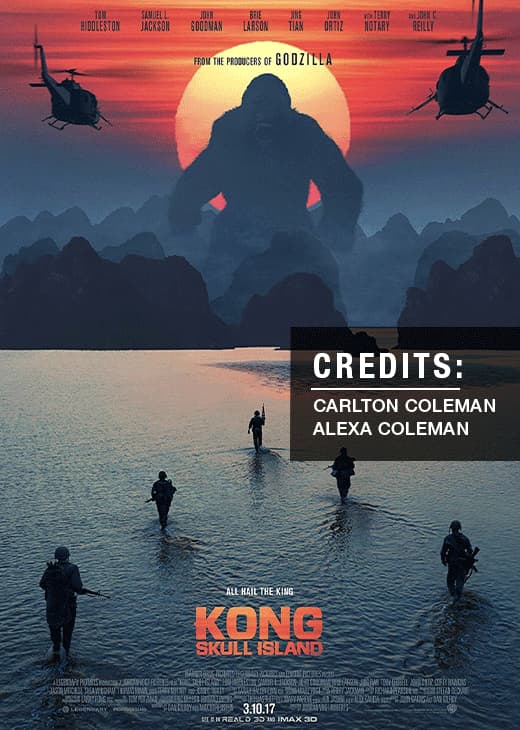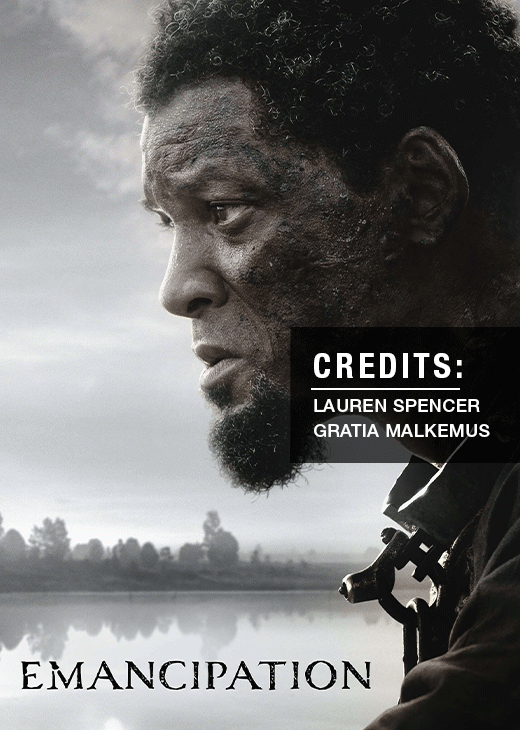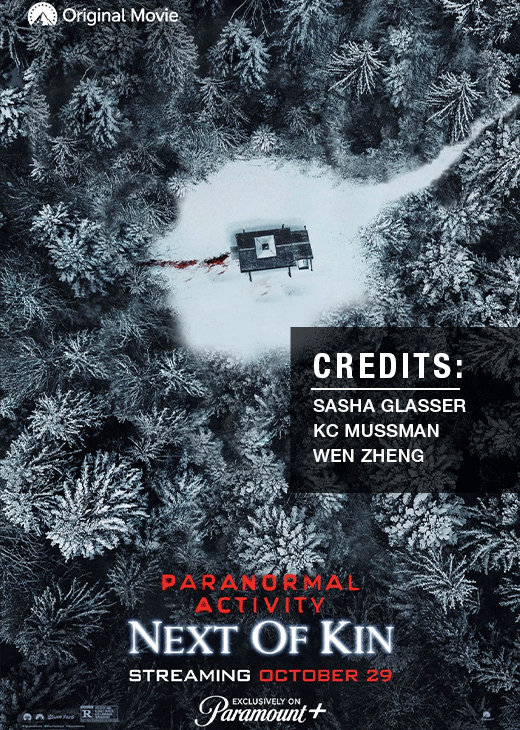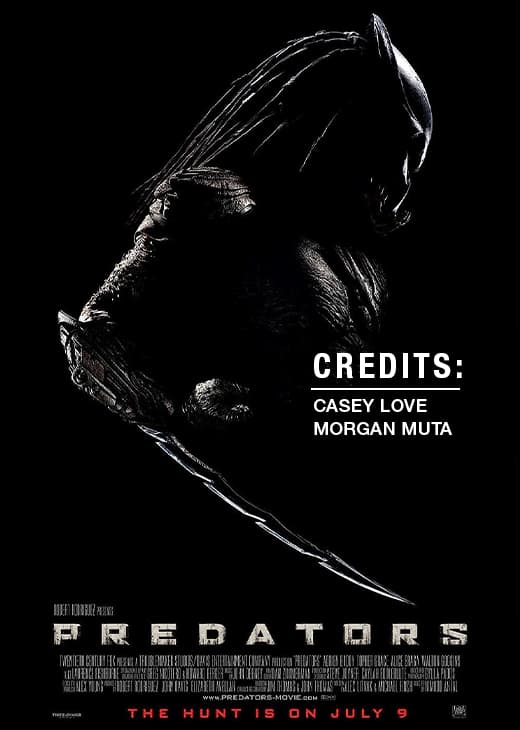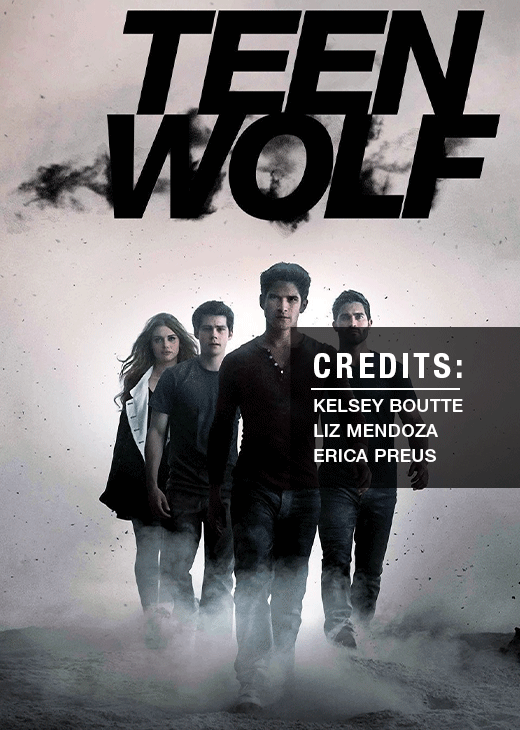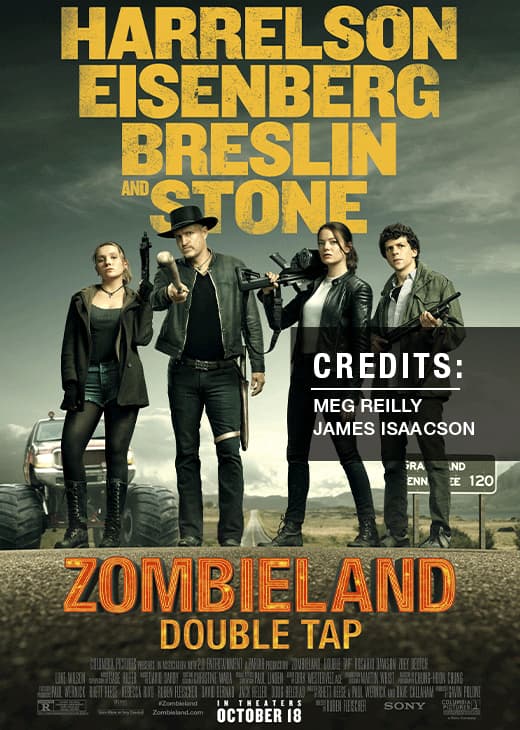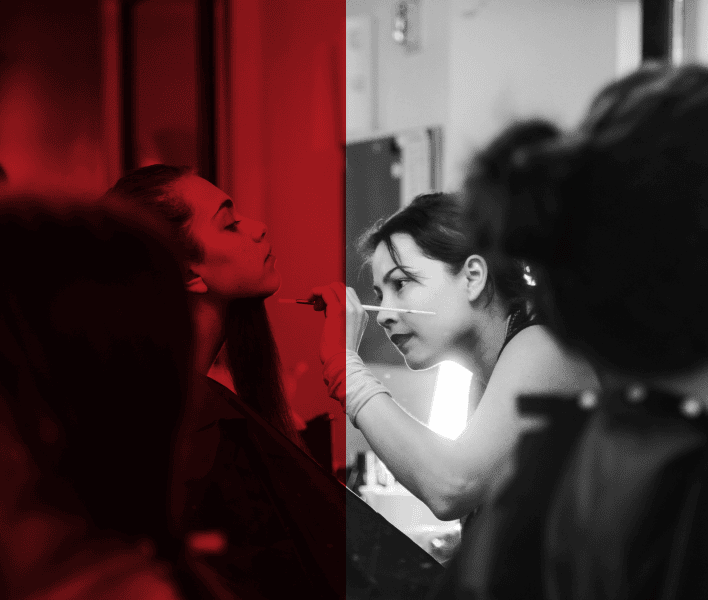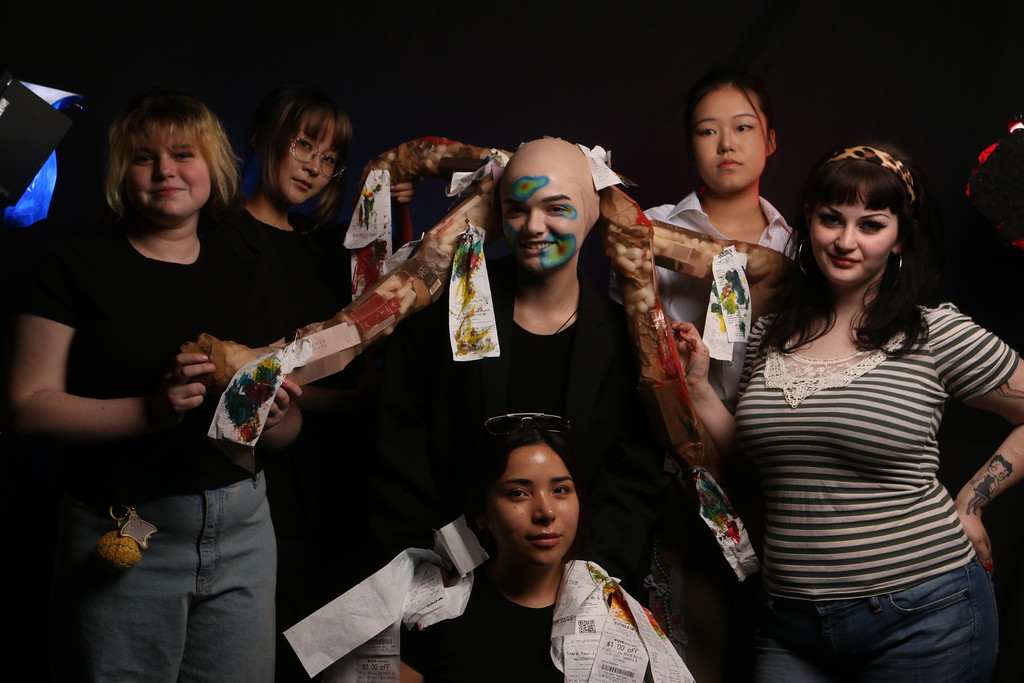
In film and television, audiences rarely notice clean makeup. They notice makeup that feels real. A post-apocalyptic survivor crawling through debris, a soldier returning from combat, a creature rising from a swamp, or a stunt performer running through the desert all need the right textures and details to look believable on screen.
Small touches like sweat, dust, mud and grime help characters look like they truly belong in their environment instead of looking freshly made up for the camera.
Some of the most memorable character transformations in cinema rely heavily on atmospheric texture rather than extreme prosthetics alone. Sweat catches light and reveals physical exhaustion.
Let’s explore how professional SFX makeup artists create realistic sweat and dirt effects that bring characters to life on screen.
What Are Sweat and Dirt Effects in SFX Makeup
In SFX makeup, sweat and dirt effects are used to make characters look physically active, exhausted, weathered, injured, or exposed to harsh environments. These effects are also commonly referred to as grime makeup because they focus on adding realistic layers of sweat, dust, mud, soot and environmental texture to the skin.
Rather than making the actor look polished or glamorous, grime makeup helps create realism. A clean face rarely matches the story in action films, horror productions, war scenes, creature makeup, or post-apocalyptic characters. Adding sweat and dirt helps the audience believe the character has truly been through heat, combat, survival situations, or difficult environmental conditions.
Sweat and dirt effects are commonly used in:
- Film and television productions
- Theater performances
- Halloween and cosplay makeup
Note: Students enrolled in the SFX makeup courses at Cinema Makeup School are trained to understand these minor yet important details that help make characters look more believable on screen. We offer diploma courses, certificate courses, workshops and bootcamps structured to train students in prosthetic makeup, character makeup, airbrushing, creature effects, ZBrush and other special effects makeup techniques.
Want to see where cinematic character transformations are created? Schedule a campus tour at Cinema Makeup School and select either a virtual tour or an in-person visit based on your preference.
Steps to Create Sweat and Dirt Effects in Special Effects Makeup
Realistic sweat and dirt effects are created through careful skin preparation, controlled sweat application, layered grime textures, natural blending and proper lighting checks to make the character look believable on screen.
1. Start by Understanding the Character’s Environment
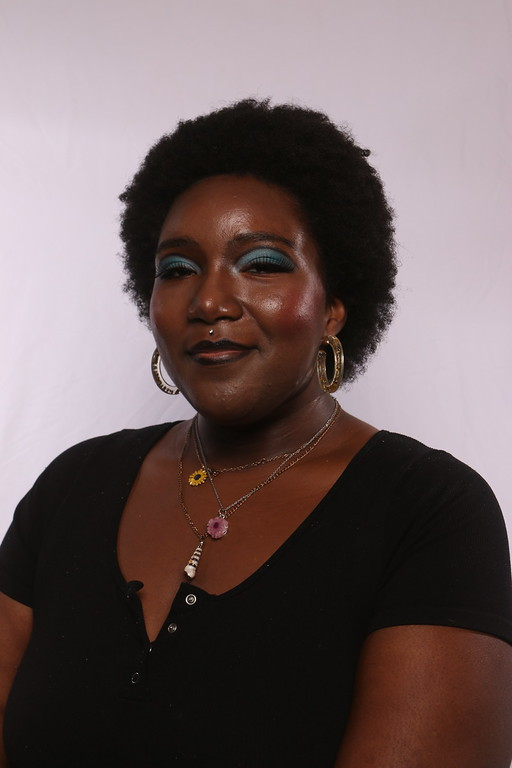
Before you even pick up a brush or sponge, think about the character’s situation. Ask yourself what the character has been through. Are they running through a desert? Crawling through ruins? Hiding in a humid jungle? Fighting in battle scenes?
Dry environments usually create dusty, cracked textures, while wet environments produce muddy, uneven grime with heavier shine. A character who has been sweating for hours will also have dirt collected differently compared to someone who just got into a fight moments ago.
When planning the makeup, pay attention to:
- Weather and temperature
- Physical activity level
- Costume interaction
- Injuries or prosthetics
- Time spent in the environment
- Lighting conditions during filming
2. Prepare the Skin Before Adding Effects
If the skin is too oily, products may separate. If the skin is overly powdered, the sweat effect can appear dry and unrealistic.
Begin with clean skin and a lightweight base. If you are working with prosthetics, this is also the stage where appliance edges should already be blended and sealed properly. Sweat and dirt effects usually work best as the final layer of character detailing.
3. Build the Sweat Effect Gradually
One common mistake beginners make is applying too much fake sweat at once. Real sweat does not cover the entire face evenly. It builds naturally in certain areas where heat and movement occur the most.
Professional SFX makeup artists often use a mixture of glycerin and water because it reflects light similarly to real perspiration. The mixture is lightly sprayed or dabbed onto areas such as the forehead, temples, upper lip, neck and hairline.
For heavier action scenes or creature makeup, thicker sweat gels may also be added using stipple sponges or textured brushes. The trick is to keep the sweat controlled and uneven so it feels natural instead of overly glossy.
When you look closely at real perspiration, you will notice that some areas stay almost dry while others become heavily damp. Observing those natural patterns will instantly improve your skills.
4. Add Dirt and Grime in Layers
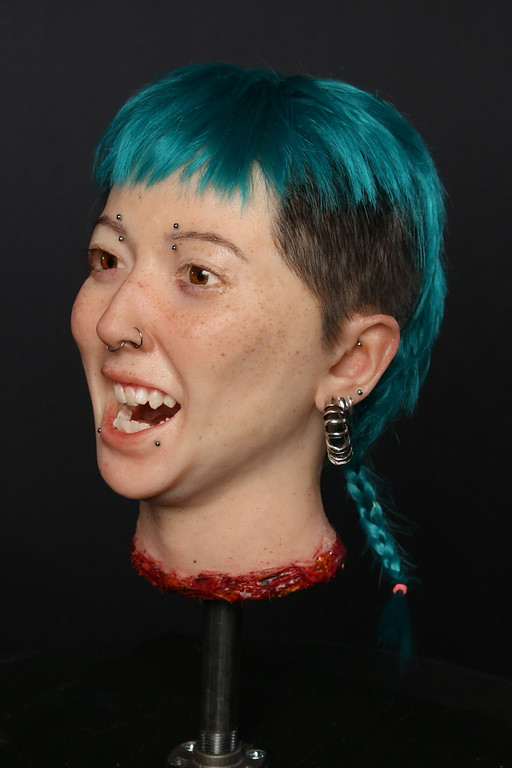
Once the sweat effect is in place, you can begin building the dirt makeup. This stage works best when done slowly in layers rather than all at once.
SFX artists often combine different products to create depth and texture, including:
- Alcohol-activated makeup palettes
- Cream-based grime palettes
- Airbrush makeup paints
- Loose dirt and dust powders
- Fuller’s earth texture powder
Instead of spreading dirt evenly across the skin, focus on natural buildup areas. Dirt usually collects around the jawline, neck folds, cheekbones, hands and areas where clothing rubs against the skin.
You can also press dirt into prosthetic edges or textured creature makeup to make the appliances feel more connected to the environment.
5. Blend the Sweat and Dirt Naturally
Sweat and dirt should interact with each other instead of looking like two separate effects applied separately on the skin.
A little moisture running through dusty makeup can create realistic streaks and smudges that immediately make the character look physically active. Mud around cuts, dirt trapped near prosthetic wounds, or sweat breaking through layers of dust all help create stronger visual storytelling.
This blending process is especially important in HD film and television work because modern cameras capture every texture detail closely.
6. Check the Makeup Under Proper Lighting
Before finishing the look, always check the makeup under the same type of lighting being used for filming or photography. Sweat and dirt can appear very different under studio lights compared to normal indoor lighting.
Professional artists also take continuity photos so the same dirt placement and sweat intensity can be recreated during future shooting days.
Related Articles:
Best Sealing Techniques for Long-Lasting Prosthetics
How to Blend Prosthetics Into Skin?
How to Create a Facial Distortion Effect with SFX Makeup?
Realistic Character Looks Created With Sweat and Dirt Effects
- Post-apocalyptic survivor looks
- Soldier and combat makeup looks
- Zombie and infected character makeup
- Horror and haunted character looks
- Desert survivor makeup
- A jungle or swamp creature looks
- Fantasy creature makeup
- Injured stunt performer makeup
- Disaster and apocalypse-themed characters
- Industrial character looks
- Medieval battle character makeup
- Prisoner and tortured character effects
- Action film chase sequence makeup
- Halloween and cosplay character looks
Apply now to join professional SFX makeup training and learn techniques used for realistic character creation in film and television productions.